

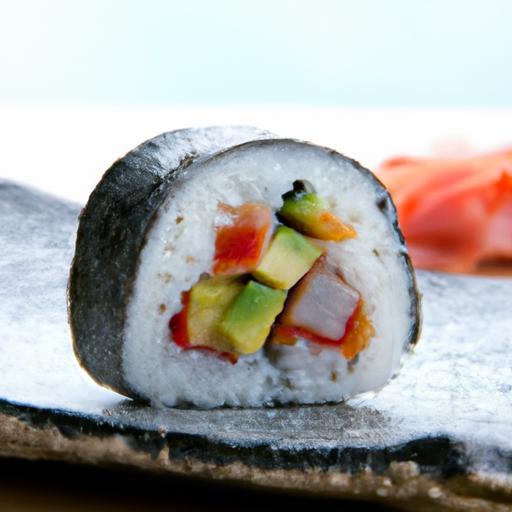
Beneath the graceful art of sushi lies a creation that has quietly revolutionized how the world enjoys this Japanese delicacy-the California roll. Stripped of conventional raw fish and wrapped in an unexpected way, this unassuming roll has transcended cultural boundaries and ignited countless taste buds across the globe. In “California Rolls Unwrapped: The Sushi Classic explored,” we dive deep into the origins, ingredients, and cultural meaning of this iconic sushi variety. Join us as we unravel the story behind the California roll and discover why this humble dish has become a beloved gateway to the world of sushi.
california rolls unwrapped bring more than just sushi to your plate-they connect a rich culinary history with vibrant flavors and approachable techniques that anyone can master at home. originating in the 1960s in Los Angeles, this innovative sushi creation cleverly substituted traditional raw fish with creamy avocado and delicate crab, making Japanese cuisine accessible and enticing to Western palates.Today, it remains a beloved classic, embodying a perfect balance between texture, taste, and visual appeal.
Prep and Cook Time
- Preparation: 25 minutes
- Cook Time: 10 minutes (for sushi rice preparation and optional tempura)
- Total Time: 35 minutes
yield
makes approximately 4 rolls (serves 4 as a light meal or appetizer)
difficulty Level
Easy to Medium – Ideal for sushi enthusiasts ready to experiment with rolling techniques and fresh, quality ingredients.
The Key Ingredients and Their Flavor Harmony
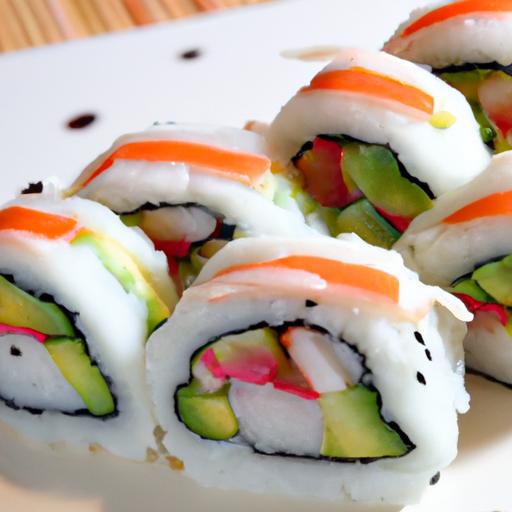
The magic of the California roll lies in the harmony between its core components.short-grain sushi rice, seasoned with a blend of rice vinegar, sugar, and salt, creates a slightly tangy and sticky foundation that marries beautifully with the smooth, buttery ripe avocado. Imitation crab (surimi) or fresh crab offers a subtly sweet, oceanic essence, while the crisp cucumber strips deliver refreshing crunch and brightness. Traditionally wrapped in nori sheets, the roll also features an outer layer of sesame seeds or tobiko, adding an extra dimension of texture and mild nuttiness.
techniques for Perfectly rolling Your California Roll at Home
- Prepare the sushi rice by rinsing it thoroughly. Cook according to package instructions, then gently fold in a warm mixture of rice vinegar, sugar, and salt. Cool the rice to room temperature for optimal texture.
- Set up your rolling station: a bamboo sushi mat covered with plastic wrap prevents sticking and aids handling.
- Place a sheet of nori shiny side down on the mat. Wet your hands with water and evenly spread about one cup of rice over the nori, leaving a 1-inch border at the top.
- Sprinkle outer-facing rice with toasted sesame seeds or tobiko for classic crunch and color.
- Flip the nori carefully so the rice faces down on the mat.
- Line the bottom edge with strips of creamy avocado, shredded imitation crab, and thin cucumber slices.
- Lift the bamboo mat edge and begin rolling tightly but gently, compressing the ingredients into a uniform cylinder. Use the mat to shape the roll while peeling it back gradually.
- Seal the roll by moistening the nori edge with water before completing the roll.
- Slice with a sharp, wet knife to create 6-8 even pieces, wiping the blade clean between cuts to maintain precision.
Creative Twists and Serving Suggestions to Elevate the Classic
Once you’ve mastered the traditional California roll, feel free to experiment. Try adding tempura shrimp for an extra crunch or incorporate spicy mayo drizzled over the top to add richness and heat. For a fresh dimension, swap imitation crab for lightly seared fresh crab or lobster.
Serving your roll on a black ceramic platter with vibrant pickled ginger, a dab of wasabi, and elegant soy sauce in a dipping bowl will visually elevate the experience.garnish with microgreens or edible flowers for a restaurant-quality presentation that dazzles your guests.
Ingredients
- 2 cups short-grain sushi rice, rinsed and drained
- 2 1/2 cups water
- 1/3 cup rice vinegar
- 3 tbsp granulated sugar
- 1 tsp salt
- 4 sheets nori (seaweed)
- 1 cup imitation crab meat, shredded
- 1 ripe avocado, sliced into thin strips
- 1/2 cucumber, peeled, seeded, and julienned
- 2 tbsp toasted sesame seeds or tobiko (flying fish roe)
- Pickled ginger, wasabi, and soy sauce for serving
Instructions
- Cook the rice: In a rice cooker or pot, combine rinsed rice and water. Cook according to instructions, then allow to rest, covered, for 10 minutes.
- Season the rice: In a small saucepan, gently heat rice vinegar, sugar, and salt until dissolved. Pour over cooked rice and fold gently with a wooden spoon or rice paddle. Let cool to room temperature.
- Prepare rolling station: Lay a bamboo sushi mat on your work surface and cover with plastic wrap.
- Spread rice: Place one nori sheet, shiny side down, on the mat. Wet your hands and evenly spread a thin layer of rice across the nori, leaving 1 inch uncovered at the top.
- Add seeds: Sprinkle sesame seeds or tobiko evenly over the rice side.
- Flip: Carefully invert the nori with rice onto the bamboo mat (rice side down).
- Fill: Arrange avocado, crab meat, and cucumber neatly across the bottom third of the nori.
- Roll: Using the bamboo mat, roll the sushi firmly from the bottom edge, moistening the top uncovered nori edge to seal the roll.
- Slice: With a sharp, damp knife, cut the roll into 6-8 bite-sized pieces, wiping the knife clean between cuts.
- Serve: Plate with pickled ginger, wasabi, and soy sauce to complete the experience.
Tips for Success
- For perfectly sticky rice, avoid running water over it after seasoning; rather, let it cool uncovered at room temperature.
- If you struggle with rolling, place a sheet of parchment paper under the bamboo mat for extra grip.
- Use a sharp serrated or sashimi knife and wet it before slicing to prevent sticking and tearing.
- Avocado browns quickly-slice it just before assembling to keep a fresh green color.
- Make sushi rice a day ahead and refrigerate in an airtight container; bring it back to room temperature before assembling rolls.
Serving Suggestions
Present your California rolls on a dark wooden board or sushi-grade plate, garnished with thin strips of nori or edible flowers. Accompany with crunchy tempura bits or a side of seaweed salad for texture contrast. Pair with a crisp, chilled sake or green tea for an authentic and refreshing meal experience.
| Nutrition (per roll) | Calories | Protein (g) | Carbs (g) | Fat (g) |
|---|---|---|---|---|
| California Roll | 290 | 12 | 42 | 6 |
Learn more about sushi history and rice techniques from Just One Cookbook.
Interested in other sushi favorites? Check out our Simple Salmon Nigiri Guide for more delicious inspiration.

Q&A
Q&A: California Rolls Unwrapped – The Sushi Classic explored
Q1: What exactly is a California roll?
A1: The California roll is a popular type of sushi roll (maki) that beautifully blends fresh ingredients like avocado, cucumber, and crab (frequently enough imitation crab) wrapped in seasoned rice and seaweed. Notably,the rice is on the outside,giving it a signature ”inside-out” look that made it accessible to sushi newcomers.
Q2: How did the California roll get its name?
A2: Legend has it that this sushi roll was crafted in the 1960s or 70s by innovative chefs in los angeles or Vancouver, aiming to cater to Western palates by substituting raw fish with cooked crab and adding creamy avocado. The name “California” captures both its West Coast origin and its fresh, vibrant essence.
Q3: Why is the California roll so significant in sushi culture?
A3: The california roll broke culinary boundaries by introducing sushi to a wider audience-it’s often credited with sparking America’s sushi craze. its approachable flavors and playful presentation made raw fish less intimidating, transforming sushi from a niche Japanese delicacy into a global favourite.
Q4: What makes the California roll different from traditional Japanese sushi?
A4: Unlike traditional sushi, which frequently enough emphasizes raw fish and simplicity, the California roll uses cooked ingredients and a creative “uramaki” style where rice wraps the seaweed and filling inside. This western twist showcases sushi’s adaptability and food fusion at its best.
Q5: Can you customize a California roll?
A5: Absolutely! While the classic trio is avocado, cucumber, and crab, many sushi chefs add tweaks like spicy mayo, sesame seeds, or tobiko (fish roe) to add texture and zing. It’s a versatile roll that invites culinary creativity without losing its iconic identity.Q6: Is the California roll healthy?
A6: Generally, yes! The roll is rich in healthy fats from avocado, packed with fiber from veggies, and a good source of protein from crab. Just mind the portion sizes and sauces, and you’ve got a tasty, balanced bite that’s both satisfying and nutritious.
Q7: What should a sushi newbie know before trying a California roll?
A7: Approach it with an open mind-the California roll is designed to be friendly and fun, no sushi etiquette stress required. Dip lightly in soy sauce, enjoy the creamy texture, and savor the blend of familiar and exotic flavors. It’s sushi made for everyone.
Q8: How has the California roll influenced modern sushi trends?
A8: The California roll paved the way for countless fusion rolls and creative interpretations worldwide.It proved sushi could evolve beyond tradition, inspiring chefs to experiment boldly with ingredients, styles, and presentations-turning sushi into an art form that crosses cultural borders.
This Q&A explores the California roll not just as a dish, but as a culinary ambassador, bridging cultures and appetites with every delicious bite.
In Summary
As we wrap up our journey into the world of California rolls, it’s clear that this sushi classic is much more than just crab and avocado tidily rolled in rice. It’s a testament to culinary creativity, cultural fusion, and the evolving tastes that have shaped modern sushi. From its mysterious origins to its global popularity, the California roll invites us to rethink tradition while savoring innovation. So next time you pick one up, remember-you’re holding a delicious piece of sushi history, unwrapped and ready to be enjoyed.