




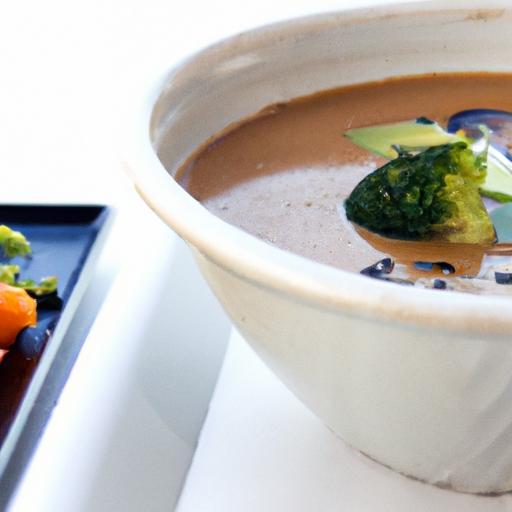
Steaming gently in bowls across Japan, miso soup is far more than a humble starter-it is indeed a warm invitation to experience centuries of culinary tradition adn cultural heritage.With its rich,umami-packed broth and delicate balance of fermented soybean paste,seaweed,and tofu,miso soup offers a savory symphony that comforts the soul and awakens the senses. In this exploration of “Miso Soup Magic: Unveiling Japan’s Savory Tradition,” we dive deep into the origins, ingredients, and rituals behind this beloved dish, revealing how each spoonful connects people to Japan’s timeless artistry of flavor and harmony. Whether sipped at a family meal or enjoyed in a bustling Tokyo eatery, miso soup remains a testament to the simple yet profound beauty of Japanese cuisine.
Miso soup magic unfolds not just from the rich umami depths it offers but from its deeply rooted history in Japanese culture. This humble yet elegant soup has warmed tables for centuries, cherished as a daily staple that bridges tradition and comfort. As a seasoned Culinary Content Creator and Food Stylist, I have long admired how miso soup embodies the art of simplicity-an interplay of a few authentic ingredients crafted with care to create an unforgettable harmony of flavor. Whether in a bustling Tokyo home or a remote mountain village, this soup speaks to a collective identity, bringing nourishment to body and soul alike.
Prep and Cook Time
- Prep Time: 10 minutes
- cook time: 15 minutes
- Total Time: 25 minutes
Yield
Serves 4
Difficulty Level
Easy
Ingredients
- 4 cups water (preferably filtered)
- 1/4 cup kombu (dried kelp)
- 1/2 cup katsuobushi (bonito flakes)
- 3 tbsp white or red miso paste (adjust to taste)
- 1/2 cup silken tofu, diced into 1/2-inch cubes
- 2 tbsp chopped green onions (scallions)
- 1/4 cup wakame seaweed (rehydrated if dried)
Instructions
- Prepare the dashi broth: In a medium pot, combine the 4 cups of water with the kombu and gently heat over medium flame. Just before the water boils (around 175°F/80°C), remove the kombu to prevent bitterness.
- Add bonito flakes: Bring the water to a boil, then turn off the heat and add the katsuobushi. Let it steep for 5 minutes, then strain the broth through a fine sieve lined with cheesecloth into a clean pot.This clear dashi broth is the soul of your soup.
- Incorporate miso paste: Place the miso paste in a small bowl and ladle about 1/2 cup of the hot dashi broth into it. Whisk until smooth, then slowly stir this mixture back into the pot. Avoid boiling the soup once miso is added, as it will kill the probiotics and dull the vibrant flavor.
- Add tofu and wakame: Gently fold in the cubed tofu and rehydrated wakame seaweed. Let them warm through for 2-3 minutes without letting the soup boil.
- Final touches: Remove the pot from heat and garnish with freshly chopped green onions just before serving to add brightness and color.
Chef’s Notes: Tips for Success
- Broth depth: For a vegetarian twist,substitute katsuobushi with dried shiitake mushrooms steeped alongside kombu to create a rich umami dashi.
- Miso varieties: Experiment with white (shiro) miso for a mild sweetness or red (aka) miso for a stronger, earthy flavor. Mixing both can create complex layers.
- Tofu choice: Silken tofu melts beautifully in the broth, but firm tofu offers a textured bite. Adjust according to preference.
- Make-ahead: Prepare dashi broth in advance and keep refrigerated for up to 3 days. Add miso and delicate ingredients just before serving.
- Texture tip: When dissolving miso, whisk vigorously in a small bowl with warm broth to avoid clumps before adding to the soup.
Serving Suggestions
Serve miso soup in customary lacquered bowls to elevate the sensory experience-the stark black or deep red contrasts beautifully with the golden broth and vibrant green onions. Accompany with a side of steamed rice and pickled vegetables for a well-rounded meal. Garnishing variations include a sprinkle of toasted sesame seeds, grated ginger, or thinly sliced shiitake mushrooms for additional texture and aroma.

| Nutrient | Per Serving |
|---|---|
| Calories | 70 kcal |
| Protein | 5g |
| Carbohydrates | 4g |
| Fat | 2g |
Miso Soup Magic: Exploring Regional flavors
From the sea-kissed coasts of Hokkaido to the rice-growing regions of Kansai,miso soup evolves with each locale’s distinct ingredients and climate. Northern Japan favors darker, fermented miso varieties bold with flavor, while southern regions lean toward lighter pastes that harmonize with seasonal vegetables. In Okinawa, you might encounter a miso soup brightened with tropical greens or fresh seafood, reflecting island vibrancy.This diversity allows you to customize your bowl, creating your own chapter in the enduring story of miso soup magic.
for further inspiration, discover how authentically made dashi enriches the broth on Just One Cookbook, a trusted source for Japanese culinary traditions.
Ready to dive deeper into Japan’s savory tradition? Explore our Japanese Cooking Techniques guide for more expert tips on elevating your home kitchen.
Q&A
Q&A: Miso Soup Magic: Unveiling Japan’s Savory Tradition
Q1: What makes miso soup such an iconic dish in japanese culture?
A1: Miso soup is more than just a comforting broth-it’s a culinary symbol of Japan’s harmony with nature and tradition. Rooted in centuries-old practices, it embodies simplicity and depth, nourishing both body and soul. The delicate balance of fermented miso paste, dashi broth, and fresh ingredients reflects Japan’s reverence for umami-the elusive “fifth taste” that elevates savory flavors to an art form.
Q2: How is miso soup traditionally prepared, and what are its key ingredients?
A2: The soul of miso soup lies in its three core elements: dashi, miso, and additions. Dashi, a clear broth typically made from kombu (kelp) and katsuobushi (dried bonito flakes), forms the umami-rich base. Miso paste-fermented soybeans with rice or barley-adds depth and tang. From there, common ingredients like tofu cubes, wakame seaweed, and scallions lend texture and freshness, creating a layered yet simple medley of flavors.
Q3: Why is miso considered a “magic” ingredient in the soup?
A3: Miso’s magic comes from fermentation-a transformative process that unlocks complex flavors and beneficial nutrients. As beneficial bacteria work over time, miso develops rich umami notes, subtle sweetness, and a hint of earthiness. This fermentation not only enhances taste but promotes digestive health, making miso soup a nourishing elixir cherished for generations.
Q4: Can miso soup be customized for different seasons or regions?
A4: Absolutely! Miso soup is wonderfully versatile, reflecting Japan’s diverse climates and local ingredients. Spring might bring tender asparagus or bamboo shoots into the pot, while autumn offers mushrooms and root vegetables. Regional variations abound-from the lighter white miso of Kyoto to the heartier red miso favored in Nagoya-each imparting a unique character that celebrates place and season alike.
Q5: How does the umami in miso soup influence the overall dining experience?
A5: Umami-the savory,mouthwatering taste-is the heartbeat of miso soup. It enhances appetite, harmonizes other flavors, and leaves a lingering richness that comforts the palate. This taste dimension fosters a deep sensory experience, transforming a simple soup into an unforgettable moment of culinary magic.
Q6: Is miso soup considered a healthful dish? What benefits does it offer?
A6: Miso soup is a powerhouse of nutrition and wellness. Rich in probiotics from fermentation, it aids digestion and supports the immune system. The broth offers minerals, vitamins, and antioxidants, while low in calories and fat. regular enjoyment of miso soup is frequently enough linked to vitality and longevity in Japanese culture-a delicious way to nourish both body and spirit.
Q7: How can someone new to Japanese cuisine appreciate miso soup fully?
A7: Approach miso soup with an open palate and curiosity.Take time to savor the aroma, appreciate the gentle flavors, and notice the subtle textures-silky tofu, tender seaweed, and the delicate umami broth. Understanding its origins and cultural meaning adds layers of appreciation, transforming a humble bowl into a window onto Japan’s rich culinary history.
Q8: What tips can home cooks use to elevate their homemade miso soup?
A8: Start with high-quality miso paste and fresh ingredients for authentic flavor.Prepare dashi from scratch if possible-it’s surprisingly simple and foundational. Avoid boiling miso directly; instead, dissolve it gently in warm broth to preserve its vibrant taste and probiotics. Experiment with seasonal vegetables, mushrooms, or different miso types to personalize your bowl of magic.
Q9: How does miso soup fit into the broader context of Japanese meals?
A9: Miso soup is a staple accompaniment to nearly every Japanese meal, from breakfast to dinner. It serves as a warm, comforting counterpoint to rice and main dishes, cleansing the palate and enhancing harmony at the table.Its presence exemplifies the Japanese principle of balance and mindfulness in dining, bringing unity and satisfaction to each meal experience.Q10: What cultural practices surround the enjoyment of miso soup in Japan?
A10: Miso soup is traditionally sipped directly from the bowl, with chopsticks used to enjoy the solids-this respectful ritual connects diners to the food and each other. Serving it freshly made, often just before eating, honors its delicate flavors. Sharing miso soup symbolizes hospitality and care,weaving everyday nourishment into communal bonds and cultural identity.
The Conclusion
As the gentle steam rises from a warm bowl of miso soup, it carries with it centuries of Japanese heritage, a delicate balance of flavors that tell stories beyond taste alone. From humble beginnings to a revered culinary staple, miso soup remains a testament to the art of simplicity and nourishment. Whether sipped at a bustling breakfast table or savored in quiet reflection,this savory elixir invites us to connect with a tradition that warms both body and soul. In embracing miso soup,we unlock not just a recipe,but a timeless cultural treasure that continues to inspire and comfort across generations.