
In the world of Italian desserts, where tiramisu and gelato often steal the spotlight, there lies a quietly elegant treasure shimmering with silky elegance-panna cotta. This deceptively simple yet exquisitely delicate dessert has captured the hearts and palates of sweet lovers around the globe,inviting them to indulge in a velvety embrace that melts effortlessly on the tongue. “Panna Cotta Unveiled: The Silky Secret of Italian desserts” peels back the layers of this creamy classic to reveal its rich history,the science behind its luscious texture,and the art of crafting the perfect wobble. Join us as we explore how this understated icon exemplifies the minimalist beauty and indulgent authenticity at the heart of Italian cuisine.
Panna Cotta Unveiled: The Silky Secret of Italian Desserts begins with a tale of simplicity and elegance that dates back to the northern regions of Italy, particularly Piedmont. This delicate dessert, whose name literally means “cooked cream,” harmonizes rich cream, gentle sweetness, and a soft, wobbly texture that melts effortlessly on the tongue.
Legend speaks of humble beginnings-farmers in the Alpine foothills crafting panna cotta as a way to transform simple cream into a refined treat. Over time,it evolved from a rustic farmhouse dessert to a celebrated classic that showcases Italian culinary artistry worldwide.
Prep and Cook Time
- Planning: 10 minutes
- Chilling: 4 hours (minimum)
- Total Time: 4 hours 10 minutes
Yield
Serves 4 elegantly portioned panna cottas.
Difficulty Level
Easy to Medium. perfect for both novice and seasoned home chefs ready to master texture and flavor balance.
ingredients
- 2 cups heavy cream
- 1 cup whole milk (preferably fresh)
- ⅔ cup granulated sugar
- 2 tsp pure vanilla extract or 1 split vanilla bean, seeds scraped
- 2 ½ tsp powdered gelatin
- 3 tbsp cold water
Instructions
- Bloom the gelatin: Sprinkle the powdered gelatin over 3 tbsp cold water in a small bowl. let it sit for 5-10 minutes until softened.
- Heat the dairy: In a medium saucepan, combine heavy cream, whole milk, and granulated sugar. Warm gently over medium heat,stirring regularly until sugar dissolves and mixture is hot but not boiling (about 170°F).
- Infuse with vanilla: If using a split vanilla bean,add seeds and pod to the warm cream mixture. Remove the pod before the next step. If using extract, wait to add it after removing from heat.
- Incorporate gelatin: remove the cream mixture from heat. Stir in the bloomed gelatin until fully dissolved and smooth-this is key to the silky texture.
- Add vanilla extract: Stir in 2 tsp pure vanilla extract if you didn’t use a vanilla bean.
- Strain and pour: For ultimate smoothness,strain the mixture through a fine sieve to remove any undissolved bits. Then, pour evenly into individual ramekins or molds.
- Refrigerate: Cover gently with plastic wrap to prevent skin formation on the surface. Chill for at least 4 hours, ideally overnight, until fully set.
- Unmold and serve: To unmold, dip the ramekins into warm water for a few seconds, then invert onto a serving plate.Garnish as desired and enjoy yoru perfectly silky panna cotta.
Chef’s Notes: Tips for Success
- Master the bloom: Blooming gelatin properly ensures it melts uniformly without clumps-never skip this step or add gelatin directly to hot liquids.
- Texture matters: For a lighter mouthfeel, substitute half of the cream with whole milk or use cream with a slightly lower fat percentage, adjusting sugar accordingly.
- Vanilla variations: Fresh vanilla bean elevates the dish with aromatic complexity, but pure extract is a convenient and excellent substitute.
- Make ahead: This dessert can be prepared up to two days ahead, making it ideal for entertaining or weeknight indulgence.
- Gelatin substituion: If vegetarian, try agar-agar; keep in mind it sets firmer and faster, so adjust quantities and chilling time accordingly (apen style notes recommend Britannica on Agar).
creative Flavors and Pairings to Elevate Your Panna Cotta Experience
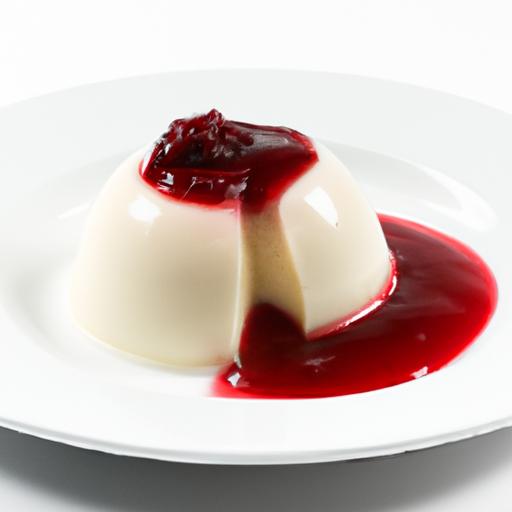
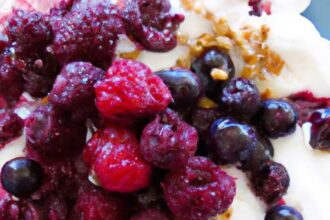
Panna Cotta unrolled its charm in countless creative variations. Add fresh citrus zest like lemon or orange to the cream for a bright twist, or infuse with lavender or rosemary for a subtle herbal note. Serving it with macerated berries,passionfruit pulp,or a drizzle of local honey creates layers of flavor and a striking visual contrast. A crisp biscotti or almond tuile completes the experience by adding a textural crunch next to the luscious custard.
Serving Suggestions
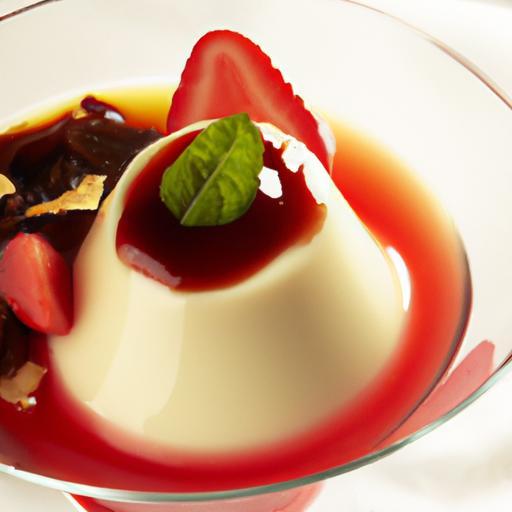
- Garnish with a sprig of fresh mint or edible flowers for refined elegance.
- Serve alongside a small bowl of mixed berries tossed lightly with a teaspoon of sugar or balsamic reduction.
- Plate panna cotta on a swirl of berry coulis to enhance color and tartness.
- Complement with toasted nuts or shards of dark chocolate for contrast.
| Nutrient | Per Serving |
|---|---|
| Calories | 320 kcal |
| Protein | 5 g |
| Carbohydrates | 24 g |
| Fat | 23 g |

discover more traditional Italian desserts to enrich your culinary repertoire.
Q&A
Q&A: Panna Cotta Unveiled: The Silky Secret of Italian desserts
Q1: What exactly is panna cotta?
A1: Panna cotta, which means “cooked cream” in Italian, is a luscious, silky dessert made primarily from sweetened cream that’s gently set with gelatin. Its smooth, custard-like texture melts effortlessly on the tongue, making it a beloved finale in Italian cuisine.
Q2: Where does panna cotta originate from?
A2: Panna cotta hails from the northern regions of Italy, particularly Piedmont. Though its humble beginnings are still debated, it has become a staple in italian households and restaurants, admired for its simplicity and elegance.
Q3: What makes panna cotta so uniquely silky?
A3: The secret lies in the perfect balance between cream, sugar, and gelatin. Cream provides richness, sugar adds sweetness, and gelatin gently transforms the liquid into a delicate, tender set. The careful “cooking” – warming, not boiling – ensures the silkiness remains intact without curdling.
Q4: Can panna cotta be made with alternatives to cream?
A4: Absolutely! while traditional panna cotta uses heavy cream, variations can be made using milk, coconut milk, or plant-based creams for a lighter or dairy-free twist. The key is to preserve the creamy texture and ensure proper gelatin suspension.Q5: How is panna cotta typically flavored?
A5: Classic panna cotta often features subtle vanilla, gently infusing the cream. However, it’s a versatile canvas inviting myriad flavors such as citrus zest, lavender, coffee, or seasonal spices. natural infusions dissolve into the cream, keeping the texture silky and smooth.
Q6: What are popular accompaniments to panna cotta?
A6: Panna cotta pairs beautifully with fresh berries,tangy fruit coulis,or a drizzle of honey. its mild sweetness welcomes contrasts from tart raspberries, zesty lemon curds, or even a shimmering spoonful of caramel or chocolate sauce, enhancing its allure without overpowering the silkiness.
Q7: How does panna cotta differ from custard or pudding?
A7: Unlike custards that set through heat-activated eggs or puddings thickened by starch, panna cotta relies on gelatin. This gives it a lighter,more delicate texture that jiggles softly rather than holding a dense,creamy consistency.
Q8: What are some tips for making the perfect panna cotta?
A8: For the ideal panna cotta,warm the cream gently to dissolve sugar and gelatin properly-avoid boiling to maintain creaminess. Bloom the gelatin in cold water before adding to the warm cream to ensure a smooth set. Chill the dessert for at least 4 hours for full silkiness, and unmold carefully to preserve its delicate shape.
Q9: Can panna cotta be made ahead of time?
A9: Yes! Panna cotta is an excellent make-ahead dessert.It can be prepared a day in advance and kept chilled until serving, allowing flavors to meld and the texture to perfect itself-a hostess’s dream for stress-free entertaining.
Q10: Why has panna cotta remained a timeless favorite in Italian cuisine?
A10: Panna cotta’s charm lies in its elegant simplicity-few ingredients combined with minimal effort yield a dessert that feels indulgent yet refined. Its silky texture and subtle sweetness make it the perfect blank canvas for creativity while staying true to its Italian roots.It’s a sweet secret that continues to enchant dessert lovers worldwide.
The Conclusion
As we wrap up our journey into the delicate world of panna cotta, it becomes clear that this seemingly simple dessert holds a rich tapestry of Italian tradition, technique, and artistry beneath its silky surface. More than just a sweet finale,panna cotta is a testament to the elegance of minimal ingredients coming together in perfect harmony. Whether enjoyed in a rustic trattoria or recreated in your own kitchen,this velvety indulgence invites you to savor the true essence of Italian dolce life-where simplicity transforms into something truly remarkable. So next time you taste that gentle wobble and creamy embrace, remember: you’re not just eating a dessert, you’re experiencing a timeless secret perfected through generations.