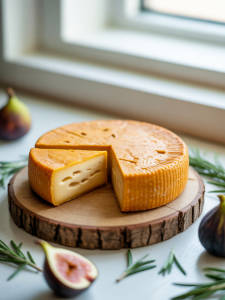



In a world where culinary boundaries are constantly expanding, the art of crafting homemade vegan cheese has emerged as a flavorful and inspiring frontier. Gone are the days when dairy-free alternatives meant compromising on flavor or texture.Today,plant-based enthusiasts and curious cooks alike are discovering that with a few simple ingredients and a touch of creativity,it’s possible to transform nuts,seeds,and fermented cultures into creamy,tangy delights that rival traditional cheeses.
This journey into vegan cheesemaking is not just a pursuit of taste-it’s an exploration of technique,culture,and the joy of creating something wholly unique and nourishing from the earth’s bounty.Join us as we delve into the craft of homemade vegan cheese, uncovering the secrets behind its luscious textures and rich flavors that make each bite an artful celebration.
Choosing the Perfect Plant-Based Ingredients for Creamy Texture
Crafting Creamy Delights with homemade vegan cheese begins by selecting the right plant-based ingredients that naturally lend themselves to a luxurious,velvety texture. Nut meats like cashews and macadamias provide a rich, buttery base, while coconuts contribute essential fats that mimic the creaminess of dairy. When soaked and blended properly, these ingredients create a luscious dairy-free cheese that melts on the tongue.
High-quality, raw or lightly roasted nuts ensure optimal flavor and texture, so always choose fresh, unsalted options. Silken tofu is another fantastic option-it’s packed with protein and effortlessly absorbs fermented notes, enhancing creaminess dramatically. For more fibrous bodies,soaked sunflower seeds offer a budget-kind twist with a mild taste and comparable mouthfeel.
Mastering Cultures and Fermentation to Elevate Flavor Profiles
Infusing your vegan cheese with live cultures introduces complex, tangy notes that mimic traditional aged cheeses. Utilize probiotic capsules, rejuvelac, or non-dairy yogurt starters to kickstart fermentation. This magical step breaks down starches and proteins, producing rich umami depth and a pleasantly sharp finish that awakens the palate.
Timing is critical; ferment at a consistent 75-85°F (24-29°C) for 12 to 48 hours to achieve the perfect balance of flavor without over-acidifying. Remember to keep your culture medium clean and your ingredients well-hydrated to encourage active bacterial growth. experimenting with different culture blends can highlight unique nuances – from mild crème fraîche-like bases to sharper, blue-cheese-inspired profiles.
Techniques for Achieving Melting and Stretching Qualities in Vegan Cheese
One of the greatest challenges-and triumphs-when crafting creamy delights is coaxing your vegan cheese to melt and stretch beautifully. The secret lies in balancing moisture,fat,and binders such as tapioca starch or arrowroot powder. These starches gelatinize upon heating, creating that irresistible stretch reminiscent of traditional mozzarella.
Incorporate refined coconut oil or refined plant-based butters to add supple elasticity, ensuring your cheese doesn’t turn rubbery when warmed. Applying a gentle,low-heat melting process in a pan or oven allows the cheese to become irresistibly gooey,perfect for pizzas and grilled sandwiches. Don’t underestimate the role of acidity- a touch of lemon juice or apple cider vinegar not only brightens flavor but can help improve the cheese’s meltability.
Creative Pairings and Serving Suggestions to Showcase Your Homemade Cheese
The true joy of crafting creamy delights is sharing them alongside flavors that amplify their character. Fresh herbs like basil, chives, or rosemary bestow aromatic freshness, while toasted nuts and crushed pink peppercorns add delightful crunch and subtle spice.Pair your cheese slices or dollops with seasonal roasted vegetables, like caramelized butternut squash or earthy mushrooms, for a visually stunning presentation.
Serve your cheese on toasted sourdough or gluten-free crackers, complemented by vibrant toppings such as sun-dried tomatoes, marinated olives, or a drizzle of truffle oil.For a festive touch, assemble a vegan cheese board featuring fruits like ripe figs, grapes, and quince paste to balance creamy richness with sweetness and acidity.
Prep and Cook Time
- prep Time: 20 minutes (plus soaking time)
- Fermentation: 12-48 hours
- Cook Time: 10-15 minutes (melting/starching stage)
Yield
Makes approximately 8-10 servings (8 oz.vegan cheese)
Difficulty Level
Intermediate: Requires patience and some familiarity with fermentation and vegan cooking techniques.
Ingredients
- 1 cup raw cashews, soaked for at least 4 hours or overnight, drained
- 1/4 cup raw macadamia nuts, soaked and drained
- 1/4 cup refined coconut oil, melted
- 1/2 cup unsweetened plain non-dairy yogurt with live cultures
- 2 tbsp tapioca starch (for stretch)
- 2 tbsp nutritional yeast (for cheesy umami)
- 1 tbsp lemon juice
- 1 tsp apple cider vinegar
- 1 tsp sea salt
- 1/4 cup water (adjust for consistency)
- Probiotic capsule contents or 1/4 cup rejuvelac (for fermentation)
Instructions
- Prepare the nuts: Soak cashews and macadamias in water for 4+ hours to soften. Drain well before blending.
- Blend the base: In a high-speed blender, combine soaked nuts, melted coconut oil, non-dairy yogurt, lemon juice, apple cider vinegar, salt, and water. Blend until completely smooth and creamy, about 2-3 minutes.
- Add starch and yeast: Sprinkle in tapioca starch and nutritional yeast, then pulse briefly just to combine evenly.
- Inoculate with cultures: Open probiotic capsules or stir in rejuvelac gently, mixing well to evenly distribute the live cultures.
- Ferment: transfer mixture to a clean, covered glass container. Leave in a warm, dark place (75-85°F) for 12 to 48 hours, checking for tanginess development. The mixture should thicken slightly and develop a pleasant sour aroma.
- Cook to activate stretch: Pour the fermented cheese into a saucepan. Gently heat over medium-low heat, stirring constantly until it becomes thick, glossy, and stretchy-about 10-15 minutes. Do not allow to boil.
- Cool and set: Transfer to a mold or container, cover, and refrigerate for at least 4 hours to firm up and enhance flavor.
- serve & enjoy: Slice, spread, or melt your cheese in favorite dishes and pair creatively as desired.
Chef’s Notes
- Variations: Swap macadamia nuts for pumpkin seeds for a lower-fat alternative or add smoked paprika for a subtle smoky character.
- Substitutions: silken tofu can replace nuts entirely for a lighter, protein-rich option.
- Fermentation tips: If your kitchen is cool, use a yogurt maker or warming drawer to maintain optimal culture temperature.
- Storage: Keep vegan cheese refrigerated in an airtight container for up to one week or freeze in portions.
Serving Suggestions
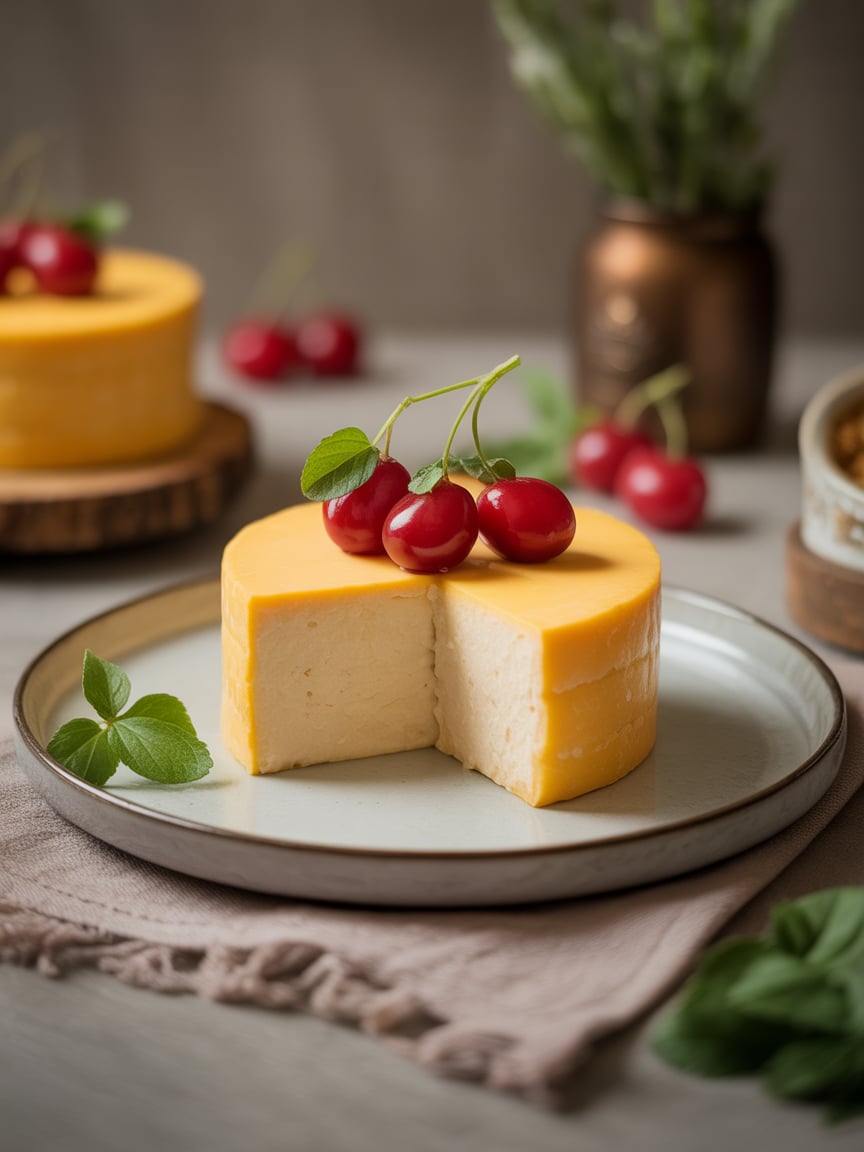
For a visually stunning platter, arrange slices of your vegan cheese on a rustic wooden board. Top with fresh basil leaves, crushed toasted walnuts, and a drizzle of aromatic herb-infused olive oil. Accompany with crisp apple slices, roasted red peppers, and warm gluten-free crackers. This combination not only highlights the cheese’s creamy texture but also tantalizes the senses with complementary colors and flavors.

| Nutrient | Per Serving (30g) |
|---|---|
| Calories | 120 kcal |
| Protein | 4.5 g |
| Carbohydrates | 6 g |
| Fat | 9.5 g |
For further inspiration on plant-based fermentations, check out our detailed guide on Fermentation for Plant-Based Cooking. To learn about the health benefits and science behind probiotics, visit this NCBI review article.
Q&A
Q&A: Crafting Creamy Delights: The Art of Homemade Vegan Cheese
Q1: What makes vegan cheese different from traditional cheese?
A1: Vegan cheese is crafted without any animal-derived dairy products. Rather, it relies on plant-based ingredients such as nuts, seeds, soy, and various fermented bases. The magic lies in mimicking the creamy texture and rich flavors of traditional cheese through natural cultures, aging techniques, and innovative blending.
Q2: What are some common base ingredients for making vegan cheese at home?
A2: Cashews, almonds, macadamia nuts, and sunflower seeds are popular bases due to their creamy texture when blended. coconut oil or cream can add richness, while ingredients like tapioca starch or agar agar help create stretchiness and firmness.
Q3: How do fermentation and aging contribute to vegan cheese?
A3: fermentation introduces beneficial bacteria or probiotics that enhance depth, tanginess, and complexity-key characteristics of many cheeses. Aging allows these flavors to mature and develop, often resulting in a sharper or nuttier profile. For vegan cheese, fermenting with rejuvelac, probiotic capsules, or cultured plant-based yogurt can simulate this process.
Q4: Can you create different cheese textures and types using the same vegan ingredients?
A4: Absolutely! The art lies in technique: blending time, soaking duration, and the addition of thickeners or lactic cultures can yield anything from creamy spreads and soft cheeses like mozzarella to firm cheeses that can be sliced or grated. Temperature and fermentation times also play pivotal roles in texture.
Q5: What flavors can I experiment with to personalize my vegan cheese?
A5: Nutritional yeast is a superstar for imparting a cheesy, umami punch. Smoked paprika, garlic powder, fresh herbs like chives or dill, and miso paste can add complexity. A dash of apple cider vinegar or lemon juice brightens flavors, making your cheese tangy and vibrant.
Q6: How do I ensure my homemade vegan cheese is safe and tasty?
A6: Cleanliness is key-use sterilized utensils and containers. Follow trusted recipes with tested fermentation times to avoid unwanted bacterial growth. Always smell and taste your cheese along the way to catch any off notes early. Proper refrigeration after preparation also preserves freshness.
Q7: What are some creative ways to enjoy homemade vegan cheese?
A7: Spread it on crusty bread, melt it into plant-based grilled sandwiches, crumble it over roasted veggies, or enjoy it as a creamy dip with colorful crudités. Vegan cheese can also be a stunning addition to homemade pizzas, pastas, or stuffed peppers, elevating plant-based meals to new levels of indulgence.
Q8: Is making vegan cheese at home time-consuming?
A8: It varies.Some fast recipes yield ready-to-eat cheese in under an hour, perfect for beginners. More complex cheeses require soaking nuts overnight and fermenting over days, offering a rewarding journey for those who love kitchen experimentation.
Crafting vegan cheese is both a science and an art-a delicious adventure where plant-based ingredients transform into creamy wonders that dazzle the palate and nourish the soul.
Closing Remarks
As we wrap up our journey through the luscious world of homemade vegan cheese, it’s clear that crafting these creamy delights is both an art and a loving science. With each blend of nuts, cultures, and techniques, we not only recreate the textures and flavors we cherish but also celebrate creativity and mindful eating. Whether you’re a seasoned vegan or simply curious, making your own vegan cheese opens a door to endless possibilities-flavors to explore, textures to master, and memories to share. So, roll up your sleeves, embrace the process, and let your kitchen become a playground where tradition meets innovation, proving that delicious plant-based cheese is truly within everyone’s reach.