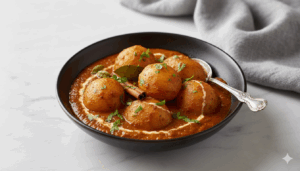


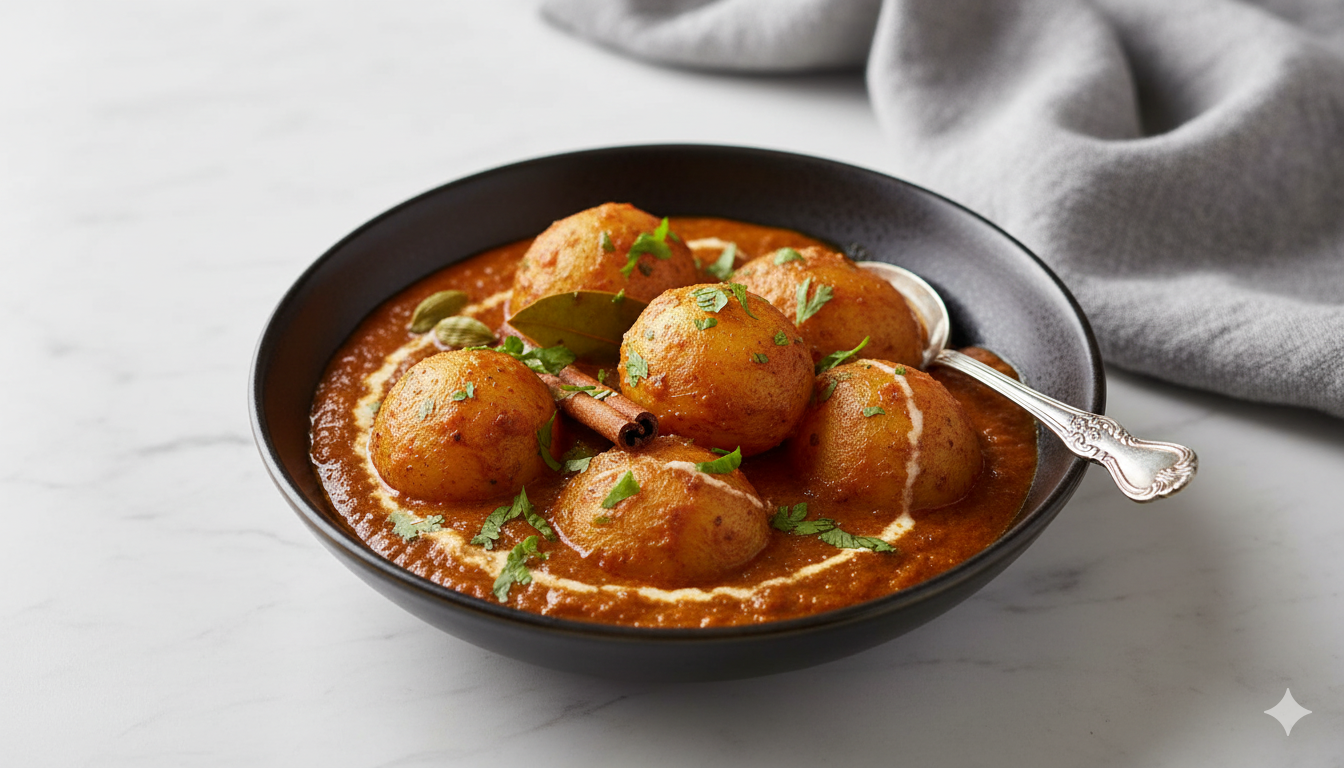
In the vast and vibrant tapestry of Indian cuisine, few dishes capture the heart and palate quite like Dum Aloo. This beloved potato delicacy, slow-cooked to perfection in a rich symphony of spices and creamy gravies, offers more than just a meal-it offers a flavorful journey through India’s diverse culinary heritage. From the bustling streets of Kashmir to the festive tables of Bengal, Dum Aloo delights invite food lovers to explore the art of balancing intense aromas with tender textures. Join us as we unravel the origins, regional twists, and secret ingredients that make Dum Aloo a timeless treasure in India’s gastronomic landscape.
Dum Aloo Delights introduce you to a rich tapestry of flavors that have delighted Indian kitchens for centuries. This dish, featuring baby potatoes simmered in a thick, aromatic gravy, is a testament to the artistry and regional diversity treasured in Indian cuisine.Originating in the royal kitchens of Kashmir and thriving through myriad variations across the subcontinent, Dum Aloo captivates with its velvety texture, complex spice blends, and warm, inviting aroma.
Prep and Cook Time
- Readiness: 20 minutes
- Cooking: 40 minutes
- Total: 1 hour
Yield
Serves 4 hungry guests
Difficulty Level
Medium – Ideal for home cooks ready to explore nuanced Indian flavors
Ingredients
- 500g baby potatoes, peeled and boiled
- 3 tbsp mustard oil or vegetable oil
- 1 tsp cumin seeds
- 1 large onion, finely sliced
- 1 tbsp ginger-garlic paste
- 2 medium tomatoes, pureed
- 1/2 cup yogurt, whisked
- 1 tsp turmeric powder
- 1 tbsp Kashmiri red chili powder (for vibrant color and mild heat)
- 1 tsp coriander powder
- 1/2 tsp garam masala
- 1/2 tsp asafoetida (hing)
- Salt to taste
- Fresh coriander leaves for garnish
- Water as needed for gravy consistency
- Optional: 10-12 cashew nuts, ground to a paste for added richness
Step-by-Step Guide to Crafting the Perfect Dum Aloo at Home
- Prepare the potatoes: Boil the baby potatoes until just tender. Drain and prick them gently with a fork to allow flavors to infuse.Sauté lightly in mustard oil until golden brown for a crispy exterior that contrasts beautifully with the creamy gravy.
- Temper the spices: Heat the mustard oil in a heavy-bottomed pan until it begins to smoke lightly-this intensifies the flavor. Add cumin seeds and asafoetida, letting them sizzle for a few seconds to release their aroma.
- Sauté the aromatics: Add the sliced onions and cook on medium heat until golden brown-about 8-10 minutes. This caramelization is key to building the gravy’s depth.
- Add ginger-garlic paste: Stir in the paste and sauté for 2-3 minutes until the raw smell vanishes,ensuring a harmony of spicy undertones.
- Incorporate tomato puree and spices: Mix in the tomato puree, turmeric, chili powder, coriander powder, and salt. Cook until oil begins to separate from the masala, about 10 minutes, stirring occasionally.
- Blend in yogurt and cashew paste: Lower the heat and fold in the whisked yogurt gradually with constant stirring to prevent curdling. Add the cashew paste now,which enriches the gravy with a silkiness that melts in your mouth.
- Simmer the potatoes: Add the fried potatoes and coat them meticulously with the gravy. Pour enough water to achieve a luscious but thick consistency. Cover the pan and simmer on low heat for 15-20 minutes, allowing the potatoes to absorb all the fragrant spices.
- Finish with garam masala and fresh herbs: Sprinkle garam masala over the dish in the last 5 minutes of cooking. Garnish with fresh coriander leaves for a burst of color and freshness.
- Resting stage: Turn off the heat and let the Dum Aloo rest covered for at least 10 minutes. This dum-style slow cooking deepens the flavors and enhances texture.
Chef’s Notes: Tips for Success
- Potato selection matters: Choose evenly sized baby potatoes for uniform cooking and an appealing presentation.
- Oil choice impact: Mustard oil offers an authentic pungent flavor,but vegetable or sunflower oil works well for a milder taste.
- Control spiciness: Adjust Kashmiri chili powder to taste; it primarily provides color, so balance it with your heat preference.
- Yogurt handling: Whisk thoroughly and add slowly on low heat to avoid curdling and keep the gravy creamy.
- Make ahead: Dum Aloo tastes even better after a few hours or next day, making it perfect for prepping in advance.
- Variations: Different regions add touches like saffron strands in Kashmir or switch to tomato-onion bases in Delhi; explore these for a personalized spin on the classic.
Pairing Dum Aloo with Conventional Breads and Complementary Dishes
A classic Dum Aloo Delights meal is incomplete without pairing it alongside fluffy Indian breads that scoop up the luscious gravy perfectly. Serve with buttery naan,tandoori roti,or jeera paratha to savor every drop. For a wholesome feast, complement this dish with Dal Makhani or a fragrant bowl of basmati rice steamed with cardamom and cloves. A cooling raita or kachumber salad balances the rich spices and refreshes the palate beautifully.
| Nutrient | Per Serving |
|---|---|
| Calories | 310 kcal |
| Protein | 6 g |
| Carbohydrates | 40 g |
| Fat | 14 g |

For a deeper dive into the history of indian spices that bring Dum Aloo to life, visit Encyclopaedia Britannica – Indian Cuisine.
Q&A
Q&A: Dum Aloo Delights – A Flavorful Journey into Indian Cuisine
Q1: What exactly is Dum Aloo, and why is it so cherished in Indian cuisine?
A1: dum Aloo is a classic North Indian dish featuring baby potatoes slow-cooked in a rich, aromatic gravy. The word “Dum” refers to a traditional cooking technique where ingredients are sealed and cooked on low heat, allowing flavors to meld beautifully. Its tender potatoes soaked in vibrant spices make it a beloved comfort food, celebrated for both its simplicity and depth of flavor.
Q2: How does the “dum” cooking method influence the taste of Dum Aloo?
A2: The “dum” technique is akin to a gentle, flavorful steam bath where the potatoes and spices quietly mingle over time. This slow-cooking locks in moisture and intensifies the melding of flavors,giving dum Aloo its signature richness and succulent texture. It’s this patient process that transforms basic ingredients into a lavish culinary experiance.
Q3: Are there regional variations of Dum Aloo across India?
A3: Absolutely! While the Kashmiri version is famous for its use of yogurt, saffron, and dry fruits creating a mild, luxurious curry; the Punjabi style tends to be spicier and tomato-based with a robust, earthy aroma. In Bengal, Dum Aloo sometimes features mustard seeds and poppy seeds, introducing a completely different flavor profile. Each region’s take is a unique tapestry of local spices and traditions
.Q4: What are the key spices and ingredients that define a traditional Dum Aloo curry?
A4: A fragrant medley of spices brings Dum Aloo to life: cumin, coriander, turmeric, red chili powder, and garam masala form the heart of the seasoning. Garlic, ginger, and onions create a savory base, while tomatoes or yogurt add tang and creaminess. The humble baby potatoes themselves are the star, absorbing these layers of flavor as they cook.
Q5: Can Dum Aloo be made vegan or tailored for various dietary preferences?
A5: Certainly! Traditionally, some recipes use dairy like yogurt or cream, but these can be easily substituted with coconut milk, cashew cream, or plant-based yogurt, maintaining that luscious texture. Choosing oil instead of ghee and mindful spice blends keeps the dish fully vegan and just as delicious.
Q6: What are some popular accompaniments to serve alongside Dum Aloo?
A6: Dum Aloo pairs beautifully with Indian staples like fragrant basmati rice,buttery naan,or soft roti. The rich, spiced gravy complements the neutral flavors of these breads and rice, making every bite satisfying. A side of cooling cucumber raita or fresh salad can add contrast and balance to the meal.
Q7: Is Dum Aloo a good dish for festive occasions or everyday meals?
A7: Dum Aloo is wonderfully versatile; it graces festive tables as much as humble family dinners. Its layered flavors and elegant preparation make it a show-stopper during celebrations, while its comforting essence is perfect for cozy weeknight meals. It’s a dish that brings warmth and festivity to any occasion.
Q8: How can home cooks master the perfect Dum Aloo without professional equipment?
A8: The secret lies in patience and layering flavors. Start by parboiling or frying baby potatoes until tender, then slowly simmer them in a well-spiced gravy. Using a heavy-bottomed pan and keeping the heat low replicates the dum cooking effect. Covering the pot tightly traps the aromatic steam,helping infuse every bite with flavor.
Q9: Are there modern twists or fusion versions of dum Aloo?
A9: Creative chefs today play with textures and ingredients, adding nuts like cashews for creaminess or roasting potatoes for added smokiness. Some experiment by pairing Dum Aloo with quinoa or millet instead of rice or riff on the spice blend for a contemporary touch, while preserving the dish’s soulful essence.
Q10: Why does Dum Aloo hold such a special place in the story of Indian culinary heritage?
A10: Beyond its irresistible taste, Dum Aloo encapsulates Indian cooking’s essence – celebrating humble ingredients elevated through time-honored techniques and thoughtfully balanced spices.It tells a story of warmth, tradition, and the joyful art of slow, intentional cooking. Each bite is a delicious journey through India’s rich and diverse food culture.
Insights and Conclusions
As the rich aroma of Dum Aloo lingers in your memory, it’s clear that this humble potato dish is far more than just comfort food-it’s a vibrant thread woven into the vast tapestry of Indian cuisine. Each bite carries centuries of tradition, regional nuances, and the artistry of slow cooking that transforms simple ingredients into an unforgettable feast. Whether enjoyed in a bustling street market or a quiet home kitchen, Dum Aloo invites you to savor not just flavors, but stories. So next time you crave a culinary adventure, let Dum Aloo be your guide-a delicious reminder that sometimes, the most extraordinary journeys begin with the simplest of ingredients.