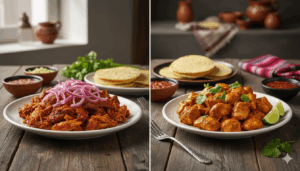


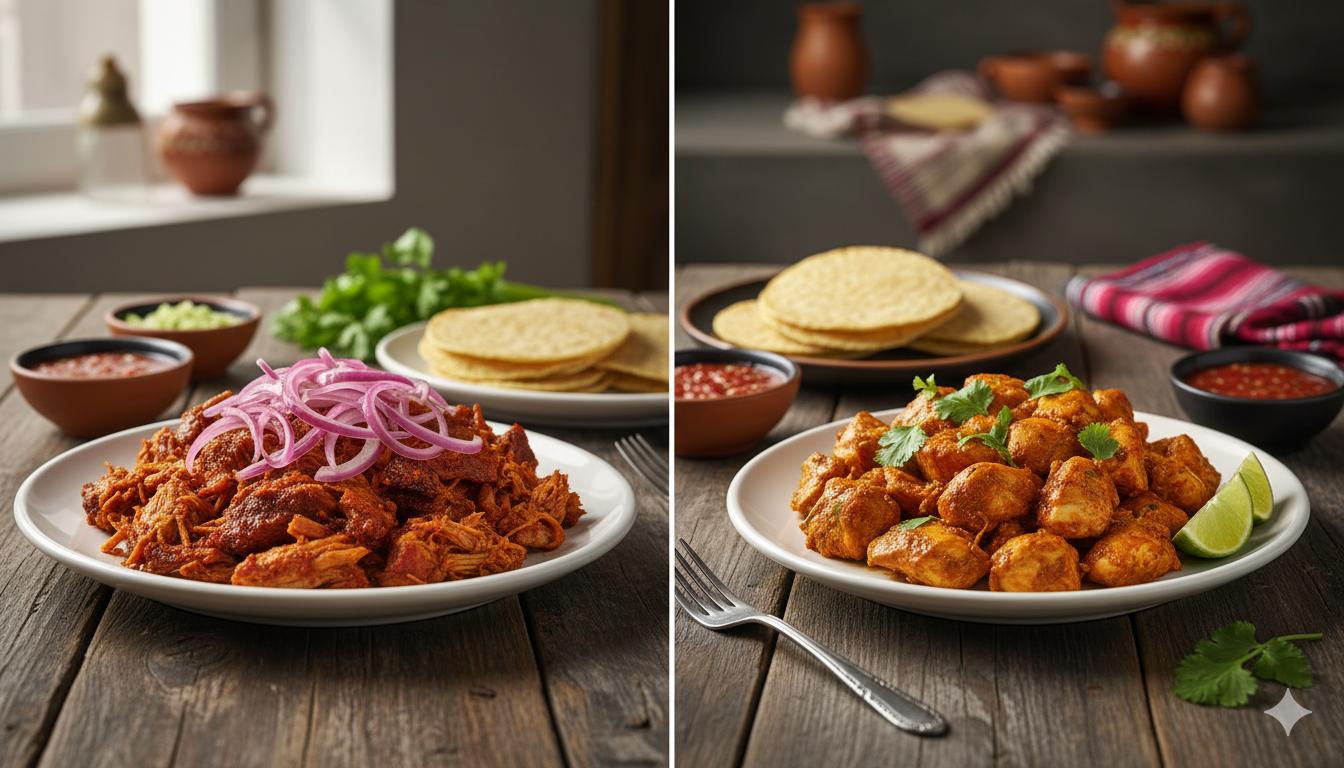
In the vibrant culinary tapestry of Mexico’s Yucatán Peninsula, few dishes capture the essence of the region quite like pibil. Traditionally slow-cooked in banana leaves and infused with the earthy tang of achiote, pibil offers a rich sensory journey that beckons food lovers near and far. But when it comes to this iconic preparation, a flavorful debate sparks at tables across the peninsula: should you choose the tender, subtly flavored chicken pibil or the boldly savory, melt-in-your-mouth beef pibil? Join us as we explore the origins, flavors, and textures of these two Yucatan classics-and attempt to crown which one truly reigns supreme.
Origins and Cultural Importance of Chicken and Beef Pibil
Chicken or Beef Pibil is a cherished Yucatan classic that evokes the vibrant heritage of Mexico’s tropical southeast. Rooted in ancient Mayan traditions, pibil originally referred to a cooking method involving pit roasting wrapped meats, often enriched with achiote paste-made from annatto seeds-that lends its characteristic deep red hue and earthy warmth. Chicken or Beef Pibil has transcended centuries, symbolizing communal celebrations and family gatherings, where fragrant spices, bold acidity from bitter orange or lime, and slow-cooked tenderness transform humble cuts into unforgettable feasts. My first encounter with this dish was at a bustling market in Mérida, where the aroma of achiote and roasted chilis danced through the air-a moment of cultural immersion that still inspires my kitchen creations today.
Flavor Profiles and Cooking Techniques Compared
The choice between chicken and beef deeply influences the flavor experience of Chicken or Beef Pibil. Chicken offers a lighter, more delicate canvas that absorbs the achiote marinade beautifully, balancing savory and tangy elements with gentle ease. Its texture, once slow-cooked, becomes succulent yet tender, ideal for those preferring subtler proteins.Conversely, beef presents a heartier, more robust profile.Cuts like chuck or brisket soak up the marinade’s complexity, emerging rich, slightly fatty, and intensely flavorful after slow roasting or searing.
Traditional techniques vary: the authentic “pibil” style requires wrapping the marinated meat in banana leaves before cooking, which imparts a supple smoky sweetness and locks in moisture. Modern adaptations might use oven baking or slow cookers, but the layering of achiote, citrus, garlic, and native spices remains key.Both proteins embrace low and slow cooking to break down fibers and infuse deep flavor, but beef demands a longer cook time, while chicken transitions to tender perfection with a gentler approach.
Prep and Cook Time
- Preparation: 20 minutes
- Marinating: 4-6 hours (preferably overnight)
- Cooking: 1 hour 30 minutes (chicken) / 3 hours (beef)
- Total Time: Approximately 6 to 9 hours (including marinating)
Yield
Serves 6 generously, perfect for sharing at family dinners or festive occasions.
Difficulty Level
Medium – Requires planning ahead for marinating and precise slow-cooking but rewards with deeply layered flavors.
Ingredients
- 2 lbs chicken thighs (skinless, bone-in) or 2.5 lbs beef chuck roast, cut into large chunks
- 1/4 cup achiote paste
- 1 cup freshly squeezed bitter orange juice (or substitute 3/4 cup orange juice + 1/4 cup lime juice)
- 4 garlic cloves, minced
- 1 tsp ground cumin
- 1 tsp dried oregano
- 1/2 tsp ground black pepper
- 1/2 tsp ground cinnamon
- 2 bay leaves
- Banana leaves (optional, for authentic wrapping)
- Salt to taste
- 2 tbsp avocado oil or neutral oil
Instructions
- Prepare the marinade: In a bowl, whisk together achiote paste, bitter orange juice, minced garlic, cumin, oregano, black pepper, cinnamon, and a pinch of salt until smooth. the vibrant color should be a deep rusty red.
- Marinate the meat: Place chicken thighs or beef chunks in a large zip-top bag or glass dish. Pour the marinade over the meat, ensuring all pieces are well coated. Add bay leaves. Seal and refrigerate for at least 4 hours, ideally overnight for maximum flavor penetration.
- preheat the oven: To 325°F (160°C). If using banana leaves, briefly soften them over a hot pan or steam until pliable to avoid tearing.
- Wrap and cook: In a baking dish, arrange banana leaves (if using) to form a cradle, place the marinated meat on them, and fold securely.Drizzle with avocado oil for moisture retention. Cover tightly with aluminum foil to trap steam and flavor.
- Slow cook: Bake chicken for 1 hour 30 minutes or until tender and fully cooked (internal temp 165°F/74°C). For beef, cook for 2.5 to 3 hours until fork-tender and richly infused.
- Finish and serve: Remove from oven,unwrap carefully,and let rest for 10 minutes. Shred chicken or slice beef against the grain. Spoon the succulent juices over the meat for added moisture and flavor.
Chef’s Notes
- Substitutions: If you can’t find achiote paste,blend ground annatto seeds with ground paprika as a makeshift. avoid pork lard to keep the dish aligned with dietary restrictions-use avocado oil rather.
- Marinating tip: The longer the meat soaks,the deeper the color and flavor. Overnight soaking is worth the wait.
- Banana leaves: These are traditional and add a subtle vegetal aroma, but parchment paper is a viable option if unavailable.
- Make-ahead: Pibil reheats beautifully the next day; in fact, flavors meld further overnight. Warm gently covered to maintain moisture.
- Cooking variations: Slow cookers can be used with low heat for 6-8 hours; just omit the banana leaves and oil the insert well.
Serving Suggestions
The vibrant Chicken or Beef pibil shines when paired with fresh, luminous accompaniments. Serve atop warm corn tortillas or fluffy Mexican white rice. Garnish generously with pickled red onions, crisp shredded lettuce, and a dollop of cooling crema or guacamole to balance the piquant marinade. A sprinkle of fresh cilantro and a wedge of lime complete the sensory journey, adding zesty freshness and herbaceous brightness.

| Nutrient | Chicken Pibil (per serving) | Beef Pibil (per serving) |
|---|---|---|
| Calories | 320 kcal | 450 kcal |
| Protein | 38 g | 42 g |
| carbohydrates | 5 g | 6 g |
| Fat | 14 g | 28 g |
For further inspiration on authentic Mexican dishes that complement Chicken or Beef Pibil, explore our Complete Guide to Mexican Cuisine. To deepen knowledge about achiote paste and its culinary uses,visit the Spruce Eats Achiote Paste Overview.
Q&A
Q&A: Chicken or Beef Pibil – Which Yucatan Classic Reigns Supreme?
Q1: What exactly is Pibil,and why is it so iconic in Yucatan cuisine?
A1: Pibil is a traditional Yucatecan dish defined by its deep,earthy flavors and vibrant orange-red hue,thanks to the annatto (achiote) marinade.This ancient method involves marinating meat in a blend of achiote paste, citrus juices (typically bitter orange), garlic, and spices, then slow-cooking it until tender. It’s more than just a meal-it’s a cultural expression of the Yucatan Peninsula, where indigenous Mayan culinary traditions blend with Spanish influences.
Q2: How do chicken and beef versions of Pibil differ in flavor and texture?
A2: Chicken Pibil offers a lighter, more delicate taste with tender, juicy pieces that soak up the marinade quickly. It’s slightly sweet and has a subtle earthiness, making it perfect for those seeking a milder experience. Beef Pibil, on the other hand, delivers a richer, heartier bite. the beef’s robust flavor deepens during the slow-cooking process, resulting in melt-in-your-mouth textures with a complex, smoky undertone. both carry the trademark annatto brightness, but their character depends heavily on the meat’s nature.
Q3: Which meat better complements the traditional Pibil marinade?
A3: Both chicken and beef shine in the Pibil marinade, but in different ways. Chicken’s porous texture readily absorbs the vibrant achiote and citrus notes, highlighting the freshness of the marinade. Beef, with its natural umami and fattier marbling, melds beautifully with the spices and slow-roasts into a deeply satisfying dish. The choice boils down to preference: chicken is tender and light, while beef delivers a bold, rustic punch.
Q4: Are there regional or personal preferences in the Yucatan when it comes to Pibil?
A4: Absolutely! While pork Pibil is frequently enough the star (though avoided here by choice), many Yucatecans favor chicken or beef versions depending from time to time and season. Chicken Pibil is commonly enjoyed at family gatherings for its ease and gentle flavor, whereas beef Pibil may appear at special celebrations or when a more filling, robust dish is desired. Regional cooks put their own spin on the spices and accompaniments, making every Pibil experience unique.
Q5: What traditional sides or accompaniments elevate both chicken and beef Pibil?
A5: The magic of Pibil extends beyond the meat. It’s traditionally paired with pickled red onions, fresh tortillas, black beans, and a drizzle of habanero salsa for heat. For both chicken and beef versions, these vibrant sides balance the richness with acidity, creaminess, and a hint of fire-turning a simple dish into a layered feast of textures and flavors.
Q6: Can the cooking method influence whether chicken or beef Pibil reigns supreme?
A6: Definitely. Pibil meat is traditionally wrapped in banana leaves and slow-cooked underground (barbacoa-style) or baked gently. Chicken cooks faster and can quickly become tender and infused with flavor, while beef benefits greatly from longer, low-and-slow cooking to break down connective tissues and develop deep savoriness. Mastery of technique can elevate either meat to regal status, but timing and patience are key.
Q7: If someone is new to Pibil, which version would be a more approachable introduction?
A7: For newcomers, chicken Pibil is frequently enough the friendlier gateway with its milder flavor profile and tender bite. It’s less intimidating for sensitive palates while still showcasing the essence of Yucatecan spices and preparation. Once hooked, many adventurous eaters graduate to the bolder depth of beef pibil, exploring the rich, smoky realms of this culinary treasure.
Q8: In the debate of Chicken vs. Beef Pibil, is there truly a “winner” or is it a delicious balance?
A8: The real answer lies in celebration rather than competition. Chicken and beef Pibil each bring distinct personalities to the table-one light and bright, the other hearty and profound. The Yucatan’s culinary heritage invites us to savor both without picking sides,honoring the diversity and depth that makes these classics shine. Ultimately, the true champion is the rich tradition and vibrant flavors that continue to captivate taste buds across generations.
Closing Remarks
Whether you lean toward the tender, smoky embrace of chicken or the rich, robust depth of beef, both versions of Pibil carry the vibrant soul of Yucatan’s culinary heritage. Each bite tells a story-of ancient traditions, smoky achiote pastes, and the warm earthiness of banana leaves. Ultimately, the crown doesn’t rest on a single choice but on the shared passion that transforms these humble ingredients into unforgettable masterpieces.So next time you find yourself facing the age-old question of chicken or beef Pibil, remember: in Yucatan cuisine, it’s less about which reigns supreme and more about celebrating the flavors that bring history to your plate.