


beneath the radiant sun and along the sparkling shores of Peru lies a culinary treasure that captures the spirit of the sea with every bite: ceviche. This vibrant dish, a harmonious blend of fresh seafood, zesty lime, and fiery chili peppers, offers more than just a meal-it’s a sensory voyage into the heart of coastal Peruvian culture. “Peruvian Ceviche: A Tangy Dive into Coastal Flavors” invites you to explore the origins,traditions,and irresistible tastes behind this iconic delicacy,revealing how its simple ingredients come together to create a refreshing explosion of flavor that has enchanted palates worldwide. Join us as we delve into the history, preparation, and cultural meaning of Peru’s beloved ceviche, a dish where tangy meets tradition in perfect harmony.
Peruvian ceviche is a vibrant culinary masterpiece that captures the essence of Peru’s rich coastal heritage and its indigenous roots. This iconic dish balances the zesty punch of fresh citrus with the fiery warmth of native peppers, creating a sensory dance that tells stories of fishermen’s early morning catches and bustling market stalls.My first encounter with Peruvian ceviche was on a sunlit terrace overlooking Lima’s Pacific coast, where the delicate, citrus-cured fish melted in my mouth, awakening my palate to a world of fresh, bright flavors. This recipe invites you to experience that same authentic coastal magic from your own kitchen, bringing freshness and tradition to your table with every tangy, spicy bite.
Prep and Cook Time
- Prep Time: 20 minutes
- Cook Time: 0 minutes (no cooking; marinating time)
- Total Time: 20 minutes
Yield
This recipe serves 4,perfect for sharing as an appetizer or light main course.
Difficulty Level
Easy – ideal for both beginners and seasoned home cooks eager to master fresh,flavorful seafood.
ingredients
- 1 lb fresh firm white fish fillets (sea bass or tilapia), skin removed and cut into 1/2-inch cubes
- 1/2 cup freshly squeezed lime juice (about 4-5 limes)
- 1/4 cup freshly squeezed lemon juice (about 2 lemons)
- 1 small red onion, thinly sliced
- 1 ají limo or jalapeño pepper, finely chopped (seeds removed for less heat)
- 1/2 cup chopped fresh cilantro leaves
- 1 medium tomato, seeded and diced
- 1 tsp sea salt
- Freshly ground black pepper, to taste
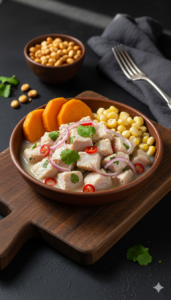
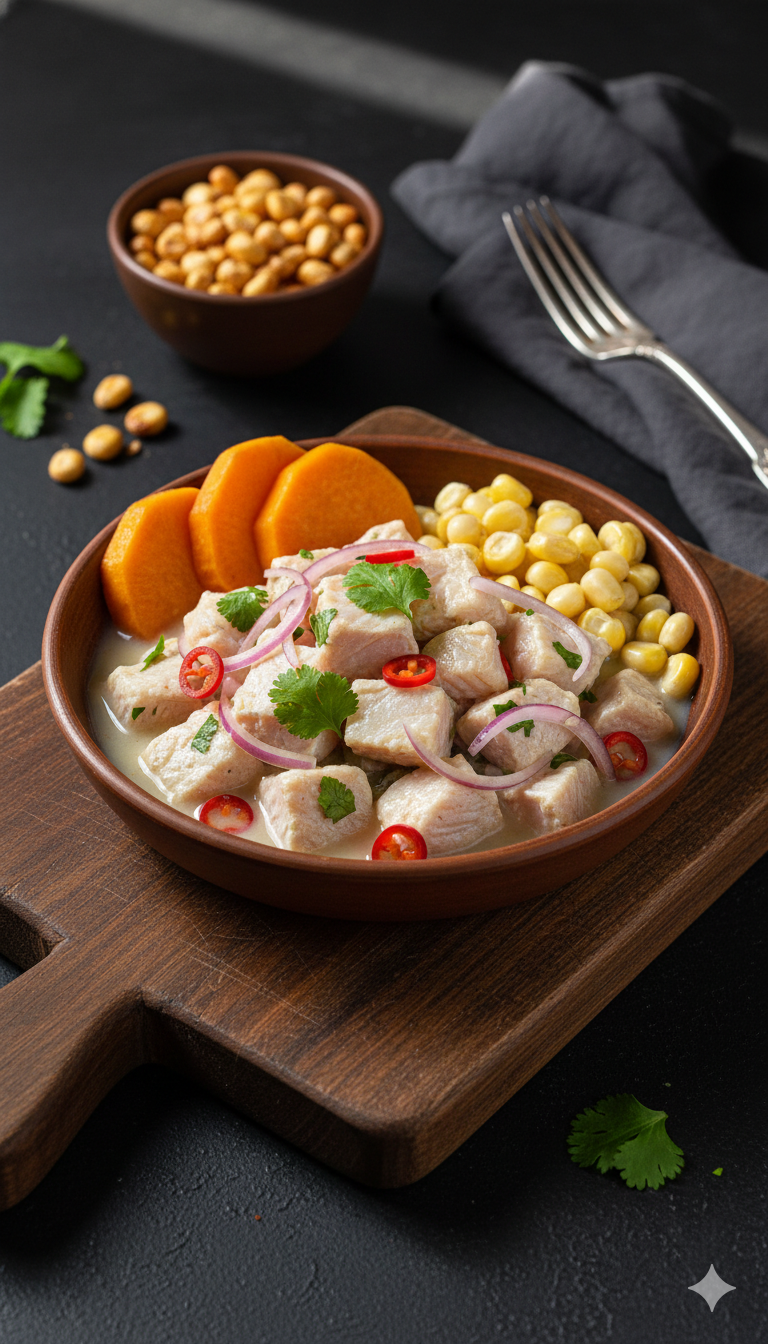
- Optional: thin slices of cooked sweet potato and toasted cancha (Peruvian corn nuts) for garnish
Instructions
- Prepare the Fish: Carefully pat the white fish cubes dry with paper towels to ensure the citrus marinade clings well.
- Marinate in Citrus: Place the fish in a glass or ceramic bowl. Pour the fresh lime and lemon juices over the fish until completely submerged. Stir gently to coat evenly.
- Infuse with Spice: Add the finely chopped ají limo or jalapeño pepper, thinly sliced red onion, and a pinch of salt. Mix delicately to avoid breaking the fish chunks.
- Let it Cure: Cover and refrigerate for 12-15 minutes,allowing the citrus to “cook” the fish.The color should change to opaque,a sign the ceviche is ready.
- Fresh Elements: Just before serving,fold in diced tomatoes and fresh cilantro leaves.Season with black pepper and adjust salt if needed.
- Final Touches: Serve instantly, garnished with slices of sweet potato and a sprinkling of toasted cancha to add textural contrast.
Tips for Success
- Use the freshest fish possible-daily catches from your trusted market bring the best results and authentic ocean flavor.
- If ají limo is unavailable, substitute with serrano or jalapeño-but adjust the quantity since heat levels vary.
- Always slice the red onion as thin as possible; for reduced sharpness,soak in cold water for 10 minutes before draining.
- Marinating too long (over 20 minutes) can make the fish tough and overly acidic; keep an eye on timing.
- For a creative twist, try adding diced mango or avocado to introduce a creamy balance to the tangy zest.
Pairing Peruvian Ceviche with Perfect Sides and Drinks
Peruvian ceviche shines brightest when plated alongside subtly sweet and crunchy companions. Classic slices of boiled sweet potato offer a soft, mellow foil to the sharp citrus and spice, while crunchy toasted cancha introduces satisfying umami crunch. For beverages, pour a chilled glass of Pisco Sour, Peru’s national cocktail. If you prefer non-alcoholic options, try a refreshing Chicha Morada-a purple corn drink with cinnamon and cloves that balances the heat beautifully.
Origins and Cultural Significance of peruvian Ceviche
Tracing its roots back to pre-Columbian coastal cultures, Peruvian ceviche has evolved across centuries, combining indigenous ingredients with influences from Spanish, African, and Japanese culinary traditions. Traditionally, ceviche was a daily meal for fishermen who relied on simple preservation techniques like citrus curing to transform fresh catches into ready-to-eat delicacies.Its deep cultural significance extends beyond nourishment, reflecting community gatherings, celebrations, and Peru’s proud maritime heritage. Every bite connects you to generations who perfected this artful harmony of acid and spice on sun-drenched shores.
| Nutritional Info (per serving) | Amount |
|---|---|
| Calories | 160 kcal |
| Protein | 28 g |
| Carbohydrates | 8 g |
| Fat | 2 g |

For a deeper dive into related Peruvian dishes, explore our peruvian Seafood Recipes collection and celebrate the bounties of the Pacific in every meal.
Q&A
Q&A: Peruvian Ceviche – A Tangy Dive into Coastal Flavors
Q1: What makes Peruvian ceviche so unique compared to other versions found around the world?
A1: Peruvian ceviche stands out due to its harmonious balance of fresh fish, zesty lime juice, vibrant chili peppers, and the subtle sweetness of fresh ingredients like red onions and cilantro.It’s not just a dish; it’s a vibrant expression of Peru’s coastal biodiversity and indigenous culinary traditions, where every bite bursts with sunny tang and nuanced spice.
Q2: What types of fish are traditionally used in authentic Peruvian ceviche?
A2: Typically, ceviche features fresh, firm white fish such as sea bass (corvina), flounder, or sole. These fish have a delicate texture and flavor that absorb the marinade beautifully without becoming mushy, allowing the citrus and spices to shine through.
Q3: How is the classic peruvian ceviche prepared?
A3: fresh fish is cut into bite-sized pieces and quickly marinated in freshly squeezed key lime juice. This acidic bath “cooks” the fish, turning it opaque and tender. Then, sliced red onions are added for crunch and sharpness, along with a flavorfulji sauce made from ají limo or ají amarillo peppers, cilantro, and seasoning. It’s often served with crisp sweet potatoes and corn on the cob to balance the acidity and heat.
Q4: Why is the acidity of the lime juice so crucial in ceviche?
A4: The lime juice not onyl infuses the fish with bright, tangy flavor but also chemically “cooks” it through a process called denaturation. This changes the fish’s texture and appearance without heat, preserving its freshness while giving it that signature ceviche bite.
Q5: Are there regional variations of ceviche within Peru?
A5: Absolutely! Along Peru’s vast coastline, ceviche styles vary – from spice intensity to fish types and accompaniments. For instance, northern regions might use more ají amarillo for a fruity heat, while southern versions emphasize sweeter lime varieties. Each coastal town adds its local twist, making ceviche a dish of rich regional storytelling.
Q6: What traditional sides complement a plate of Peruvian ceviche?
A6: Classic sides include boiled sweet potatoes and cancha (toasted corn kernels),which provide a textural contrast and mellow sweetness to fend off the ceviche’s acidity.Often, slices of fresh corn on the cob add a juicy bite, enhancing the overall flavor palette.
Q7: Can ceviche be safely enjoyed at home?
A7: Yes! The key is using the freshest fish possible, ideally sourced the same day. Marinate the fish just before serving to ensure a clean, safe, and vibrant dish. The acid from the lime juice is a natural preservative, but ceviche is best enjoyed immediately to capture its intended textures and flavors.
Q8: What cultural significance does ceviche hold in peru?
A8: Ceviche is more than food in Peru-it’s a cultural emblem, celebrated in festivals and family gatherings. It represents Peru’s rich coastal heritage, blending pre-Columbian indigenous techniques with Spanish influences, creating a dish that’s both historic and contemporary, resonating deeply with national identity.
Q9: Are there vegetarian adaptations of ceviche inspired by Peruvian flavors?
A9: Yes! Creative takes use hearts of palm,mushrooms,or even firm tofu marinated in lime juice,with traditional ingredients like red onions,aji peppers,and cilantro to mimic the refreshing and piquant essence of ceviche-allowing everyone to experience coastal Peru’s vibrant tang,no fish required.
Q10: What tips can definitely help someone recreate authentic ceviche at home?
A10: Keep it simple and fresh: buy the freshest fish you can find, use freshly squeezed key limes, slice your onions thinly, and don’t over-marinate-15-20 minutes is enough to preserve texture. Balance your citrus with aji chili peppers, and don’t forget traditional garnishes like cancha and sweet potato to complete the experience.
Future Outlook
As the final bite of Peruvian ceviche lingers on your palate, you carry with you more than just a taste-it’s a vibrant story of coastal tradition, fresh ingredients, and culinary artistry. This tangy medley of citrus,spice,and ocean-fresh fish is a testament to Peru’s rich cultural tapestry and its intimate bond with the sea. Whether enjoyed on a sunlit beach in Lima or recreated in your kitchen miles away, ceviche invites you to dive into a world where flavor meets history, and every morsel is a party of life on the coast.So next time you crave something bright, bold, and distinctly Peruvian, remember: ceviche is not just a dish-it’s a delicious journey waiting to be savored.