
There’s a steaming bowl that transcends mere comfort food-Pho, the soulful Vietnamese noodle soup renowned for its fragrant, slow-simmered broth and harmonious medley of fresh herbs, tender meats, and delicate rice noodles. More than just a dish, Pho is a culinary narrative, a story simmering with history, culture, and the intimate rhythms of Vietnamese life. In this article, we’ll uncover the secrets behind Pho’s captivating depth: from its ancient origins and regional variations to the artful balance of flavors that make each spoonful a warm embrace. Join us as we dive into the heart of Pho, revealing why this humble soup has captured the palates and hearts of millions across the globe.
The Origins and Evolution of Pho: From Humble Street Food to Culinary Icon
Pho Uncovered invites you on a sensory voyage into the heart of Vietnamese culinary tradition, where this soulful noodle soup began as a simple street food crafted by resourceful vendors and blossomed into an international sensation beloved across continents. Born around the early 20th century in Northern Vietnam, pho’s genesis reflects the mingling of indigenous flavors and French colonial influence-reflected in its rich, slow-simmered beef broth and delicate rice noodles. What started as a fragrant bowl served from bustling street carts has evolved into a nuanced art form, a symbol of comfort, community, and culinary mastery.
The Art of the Broth: Crafting the Perfect Balance of Flavors
Central to pho’s magic is its broth-an intricate dance of spices, meat, and time. Achieving the perfect broth means patience and precision. The bones, typically beef marrow and knuckle bones, are simmered gently over hours, coaxing out a clean but deeply flavorful liquid. Aromatics like charred onion and ginger, combined with spices such as star anise, cloves, cinnamon, and cardamom, create that signature perfume that defines pho broth. Salt and a touch of rock sugar balance the savory depth with subtle sweetness, resulting in a broth that is both light and intensely soulful.
Noodles and Toppings: Exploring Traditional Ingredients and Modern Twists
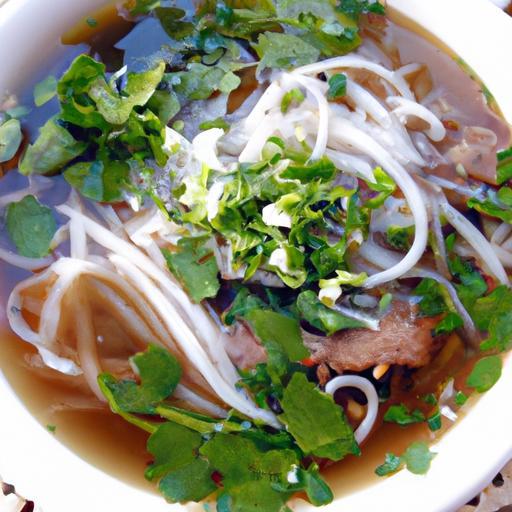
rice noodles are the canvas on which pho’s flavors come alive-thin, flat, and translucent, these noodles soak up the broth with grace. Classic toppings spotlight thinly sliced raw beef which cooks instantly when immersed in steaming broth, alongside beef brisket or tendon for texture and richness.Fresh herbs-Thai basil, cilantro, and sawtooth coriander-add brightness, while crunchy bean sprouts and thinly sliced onions enhance the sensory palette. Recently, chefs have embraced modern twists such as mushroom medleys for vegetarians, quinoa noodles, or flavorful chicken broths, innovating while respecting tradition.
How to Serve Pho Like a Pro: Expert Tips for authentic Presentation and Enjoyment
Presentation elevates pho beyond the bowl-serve it steaming hot with a platter of fresh garnishes on the side, allowing each guest to customize their experience. A wedge of lime, slices of fiery bird’s eye chili, hoisin sauce, and sriracha provide layers of complexity and heat. Use a deep, wide bowl to showcase the broth’s clarity and the vibrant toppings. Encourage diners to soak the noodles briefly and then add beef in staggered intervals,preserving texture contrast. A well-made bowl invites slow sipping, savoring aromas, and the joyous ritual of assembling each bite.
pho Uncovered: Classic Beef Pho Recipe
Prep and Cook Time
- Prep: 30 minutes
- Cook: 6 hours (including broth simmering)
Yield
- Serves 6 hearty bowls
Difficulty Level
- Medium – Requires attention to simmering and layering flavors
Ingredients
- 4 lbs beef marrow and knuckle bones, rinsed thoroughly
- 1 large yellow onion, halved and charred
- 1 4-inch piece ginger, sliced and charred
- 5 star anise pods
- 4 whole cloves
- 2 cinnamon sticks
- 2 cardamom pods, lightly crushed
- 1 tbsp rock sugar
- 1/4 cup fish sauce
- 1 tbsp sea salt, or to taste
- 1 lb dried flat rice noodles (banh pho)
- 1 lb beef sirloin or eye of round, sliced paper-thin
- Fresh Thai basil, handful
- Fresh cilantro, chopped
- Bean sprouts, rinsed
- 2 limes, wedges
- Bird’s eye chilies, thinly sliced (optional)
- Hoisin sauce and sriracha, for serving
Instructions
- Prepare bones: Place bones in a large stockpot, cover with cold water, bring to a rolling boil for 10 minutes, then drain and rinse bones to remove impurities. Wipe pot clean.
- Build the broth: Return bones to the pot with 5 quarts fresh water. Bring to a gentle simmer and skim scum frequently for the first 30 minutes to keep broth clear.
- Char aromatics: Over an open flame or broiler, char onion halves and ginger slices until slightly blackened, about 5-7 minutes each side. Add to broth with star anise, cloves, cinnamon, and cardamom wrapped in cheesecloth or spice bag.
- Simmer low and slow: Keep heat low to maintain gentle simmer for 5-6 hours uncovered. Add salt, rock sugar, and fish sauce during the last hour. Taste and adjust seasoning.
- Prepare noodles: Soak rice noodles in lukewarm water for 30 minutes or follow package instructions, then briefly dip in boiling water to soften right before serving. Drain well.
- Slice beef: Freeze beef 30 minutes prior to slicing for paper-thin cuts; set aside.
- Assemble bowls: Divide noodles evenly among bowls.Arrange raw beef slices on top.
- Serve broth: Bring broth back to a boil and ladle hot broth directly over noodles and beef to cook meat instantly.
- Garnish: Offer fresh herbs, bean sprouts, lime wedges, chilies, hoisin, and sriracha alongside for personal customization.
Tips for Success
- Broth clarity: Frequent skimming and a slow simmer keep your broth crystal-clear and refined.
- char aromatics: Don’t skip this step-charring releases smoky depth essential to authentic pho.
- beef slicing: Freeze your beef slightly before slicing to ensure razor-thin pieces that cook quickly in broth.
- Make-ahead: Broth can be prepared up to 3 days in advance and refrigerated or frozen for convenience.
- Vegetarian option: Substitute beef bones for a rich mushroom and vegetable stock, incorporating dried shiitake and kombu.
Serving Suggestions
Present pho in deep white bowls to highlight the golden broth and pristine noodles. Lay fresh herbs and garnishes in a colorful tray on the side for an interactive dining experience. A dipping sauce of lime juice, sliced chilies, and a pinch of salt can enhance each spoonful. Encourage slow, mindful savoring to fully appreciate the layered aromas and textures-perfect for cozy evenings or celebratory gatherings.
| Nutrient | Per serving |
|---|---|
| Calories | 430 kcal |
| Protein | 38 g |
| Carbohydrates | 45 g |
| Fat | 10 g |
Explore more Vietnamese noodle recipes to deepen your culinary repertoire. For an in-depth look at broth science and spice harmony,visit National Geographic’s cultural insights on pho.

Q&A
Q&A: Pho Uncovered – The Soulful Vietnamese Noodle soup Explained
Q1: What exactly is pho, and why is it considered the soul of vietnamese cuisine?
A: Pho is a fragrant, comforting vietnamese noodle soup that marries a clear, aromatic broth with tender slices of meat, freshly cooked rice noodles, and vibrant herbs. It’s more than a meal-it’s a ritual that captures the essence of vietnamese culture,blending simplicity,balance,and a celebration of fresh ingredients. Pho invites you to savor not just flavors,but generations of tradition and heartfelt stories simmered into every bowl.
Q2: How is pho broth traditionally made, and what makes it so unique?
A: The broth is the heart and soul of pho, carefully developed by slow-simmering beef bones and aromatic spices such as star anise, cinnamon, cloves, and cardamom. This gentle simmer can take several hours, coaxing rich depth and clarity from the bones while infusing the broth with an intoxicating bouquet. What sets pho broth apart is this patient craft-balancing savory, sweet, and fragrant notes with a crystal-clear finish.
Q3: What types of meat are commonly used in pho, and how do they influence the flavor experience?
A: Pho often features thinly sliced beef cuts like brisket, flank, or tender eye of round.Each cut offers a diffrent texture and richness: brisket adds a hearty chew, flank delivers a lean tenderness, and eye of round is delicately soft. The meat is briefly poached in the hot broth just before serving, allowing it to cook to perfection without losing its natural juices-making each spoonful an indulgence of layered flavors.
Q4: What role do noodles play in pho, and how are they different from other Asian noodle soups?
A: Pho uses flat rice noodles, known for their lightness and silky texture. Unlike some thicker or egg-based noodles in other Asian soups, pho noodles are delicate yet significant enough to carry the broth’s flavor. Their subtle taste acts as a perfect canvas for the broth and meat, creating a harmonious bite every time. The noodles are typically cooked separately and added just before serving to maintain their springy texture.
Q5: Which herbs and garnishes are essential to a traditional pho experience?
A: Fresh herbs are the vibrant signature of pho, awakening the senses and brightening the dish. Typical garnishes include fragrant Thai basil, peppery cilantro, crisp bean sprouts, fresh lime wedges for tang, and thinly sliced chilies for heat.These accompaniments allow each diner to personalize their bowl-adding brightness, crunch, and spice-to transform their pho into a deeply personal, layered experience.
Q6: Are there vegetarian versions of pho, and how are they crafted to maintain that deep, soulful flavor?
A: Absolutely! Vegetarian pho replaces the beef broth with a rich vegetable broth infused with caramelized onions, charred ginger, mushrooms, and warming spices like star anise and cinnamon. Tofu, seitan, or a medley of seasonal mushrooms bring satisfying texture. The key is in slow,careful simmering to develop umami and depth,proving that pho’s soulful character transcends meat and embraces the essence of wholesome,plant-based ingredients.
Q7: why is pho typically eaten for breakfast in Vietnam,and how has that tradition influenced its global popularity?
A: In Vietnam,pho is a morning ritual-a nourishing,aromatic start to the day that energizes and comforts. the soothing warmth of the broth, combined with the lively freshness of herbs, makes it a restorative meal to awaken the senses. This tradition has captivated global food lovers, who are drawn to pho’s balance of lightness and depth, and also its cultural story of sustenance and community shared at bustling street corners at dawn.
Q8: How can one recreate authentic pho at home without access to specialty Vietnamese ingredients?
A: While traditional pho shines brightest with authentic spices and herbs, home cooks can approximate the experience by sourcing star anise, cinnamon sticks, cloves, and fresh ginger-often available at well-stocked supermarkets or Asian markets. Rice noodles and fresh herbs like basil and cilantro are key. The secret lies in patience for broth preparation: caramelizing onions and ginger, simmering broth for hours, and assembling the bowl just before eating. Layer your flavors thoughtfully, and you’ll bring a slice of Vietnam’s soulful noodle soup into your own kitchen.
This Q&A uncovers the essence of pho-its history, ingredients, and cultural heart-while inviting readers to explore this soulful soup with curiosity and creativity.
To Wrap It Up
As the steam rises from a bowl of pho, so too does a rich tapestry of history, culture, and flavor unfold with every spoonful.This humble noodle soup is far more than a meal-it’s a heartfelt story simmered through generations, a bridge between Vietnam’s past and present. By uncovering the layers of pho’s origins, ingredients, and rituals, we gain not only a deeper recognition for this iconic dish but also a glimpse into the soul of Vietnamese culinary artistry. so next time you savor that fragrant broth and tender noodles, remember: you’re tasting a tradition that warms hearts and connects cultures, one bowl at a time.