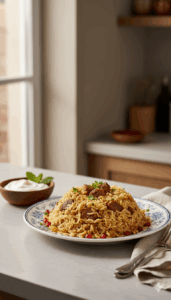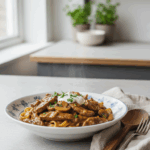



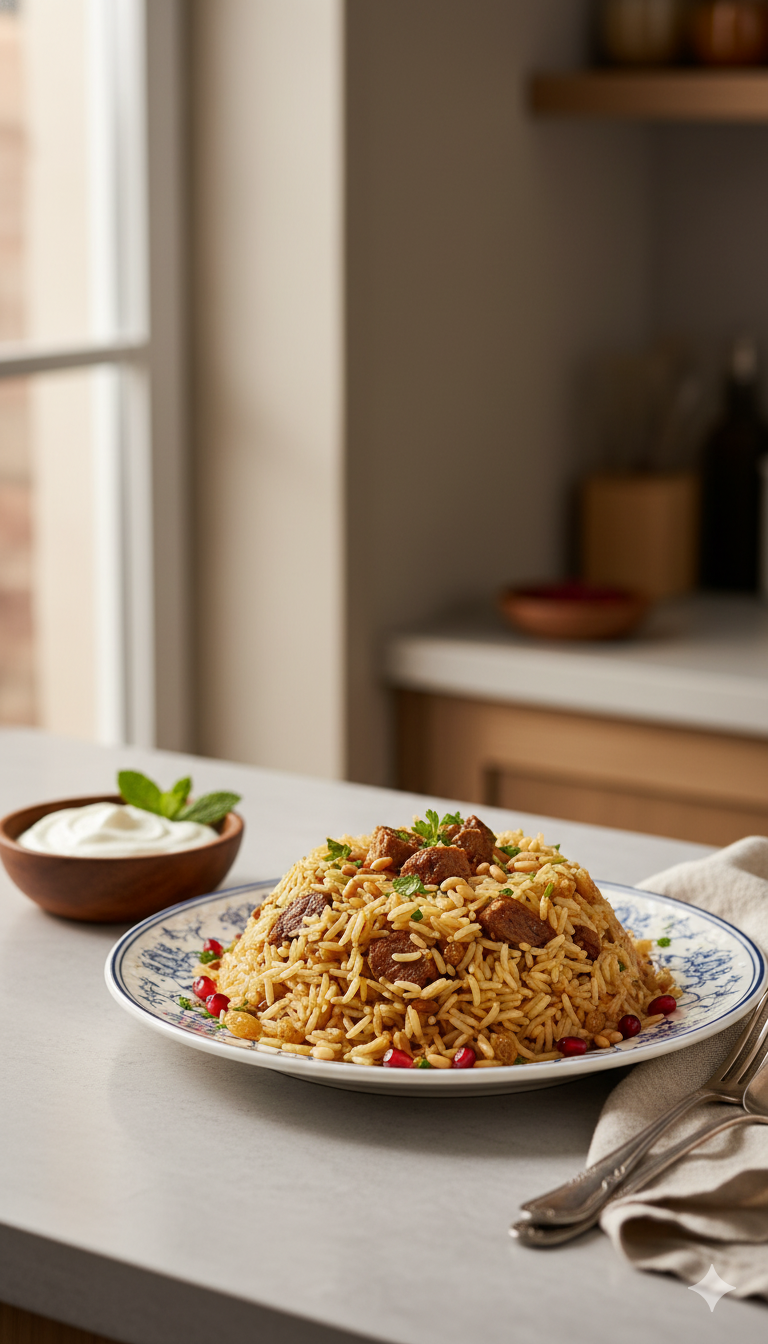
Nestled at the heart of Turkish cuisine lies a humble yet remarkable dish that has been delighting palates for centuries: Turkish rice pilaf. More than just a side, this golden-hued staple is a flavorful journey through time, culture, and tradition-where each grain tells a story of ancestral kitchens, aromatic spices, and meticulous craftsmanship. From bustling bazaars to family tables, Turkish rice pilaf embodies the warmth and richness of a culinary heritage that transforms simple ingredients into an unforgettable experience. Join us as we explore the art and history behind this iconic dish, uncovering the secrets that make Turkish rice pilaf a beloved treasure in the world of gastronomic delights.
Turkish Rice Pilaf is more than just a side dish-it’s a culinary symbol that carries centuries of rich history and cultural resonance. At its heart,this dish embodies the warmth and hospitality intrinsic to Turkish households,where every grain of rice is lovingly toasted and simmered to perfection. Drawing from Anatolian traditions,this pilaf has journeyed through Ottoman palaces to humble village kitchens,welcoming all who gather around the table with its comforting,nutty aroma and silky texture.
Origins and Cultural significance of Turkish Rice Pilaf
The story of Turkish rice pilaf unfolds in the fertile lands where rice cultivation has thrived for centuries, especially along the Black Sea coast. This dish was historically reserved for special occasions: festive feasts, holiday celebrations, and family gatherings. Beyond its role as a staple accompaniment, Turkish rice pilaf represents community and connection. The meticulous planning and toasting of rice with butter and orzo reflect a delicate balance of patience and precision treasured in Turkish cooking. Its popularity transcends social classes, embodying both humble home cooking and regal dining experiences.
Key Ingredients and Conventional Preparation Techniques
Traditional Turkish rice pilaf is simple yet refined in its ingredient list. The core components include:
- Long-grain rice – preferably Baldo or Osmancik varieties, known for their sturdy grains and pleasant chew.
- Orzo (or vermicelli) – added for a subtle toasted flavor and appealing texture contrast.
- Unsalted butter – for toasting and depth of flavor.
- Chicken broth or stock – to infuse the rice with rich, savory undertones.
- Salt and occasionally a pinch of freshly ground black pepper for seasoning.
- Fresh parsley or dill – used as an optional garnish to brighten the dish.
The trademark technique involves gently sauteing orzo in warm butter until golden brown before introducing rinsed,drained rice. This careful toasting unlocks nutty nuances that transform ordinary rice into something celebratory. The subsequent slow simmer in broth ensures each grain absorbs flavor gradually, never becoming mushy or sticky.
Mastering the Perfect Texture: Tips for Fluffy and Flavorful Pilaf
Achieving fluffy Turkish rice pilaf is a balancing act of patience and timing. Here are expert tips to master the ideal texture:
- Rinse the rice thoroughly under cold water multiple times until it runs clear, removing excess starch that can cause clumping.
- Toast the orzo and rice separately or together in butter over medium heat, stirring gently to avoid burning but allowing a light golden color.
- Use warm broth to maintain cooking temperature and promote even absorption.
- Do not stir after adding liquid. stirring can release starch and make the pilaf sticky.
- Cover tightly and simmer on low heat-this gentle method allows the rice to steam perfectly.
- Let the pilaf rest covered for 10 minutes after cooking; this helps grains firm up and evenly settle moisture.
Prep and cook Time
- Preparation: 10 minutes
- Cooking: 25 minutes
- Total: 35 minutes
Yield
Serves 4 as a flavorful side dish.
Difficulty Level
Easy to Medium: Perfect for cooks seeking authentic flavors with straightforward steps.
Ingredients
- 1 cup long-grain Baldo or Osmancik rice, rinsed and drained
- ½ cup orzo pasta
- 3 tablespoons unsalted butter
- 2¼ cups warm chicken broth (or vegetable broth for a lighter option)
- ½ teaspoon salt, adjust to taste
- Freshly ground black pepper, to taste (optional)
- 2 tablespoons chopped fresh parsley or dill (optional garnish)
Instructions
- Prepare the rice: Rinse the rice thoroughly in cold water until the water runs clear. Drain well to avoid excess moisture.
- Toast the orzo: In a medium saucepan, melt the butter over medium heat. Add the orzo and sauté, stirring often, until the orzo turns a rich golden brown, about 3-5 minutes.
- add the rice: Stir in the rinsed and drained rice with the orzo.Cook for another 2-3 minutes, stirring gently to coat the rice in butter and toast slightly.
- Pour in broth: Slowly add the warm chicken broth along with salt and pepper (if using). Stir once gently to combine.
- Cook the pilaf: Bring to a boil over medium-high heat, then promptly reduce the heat to low and cover tightly. Simmer for 15-20 minutes, or until all liquid is absorbed and rice is tender.
- Rest before serving: Turn off the heat but leave the lid on. Allow the pilaf to rest and steam for an additional 10 minutes. Fluff gently with a fork to separate grains.
- Garnish and serve: Sprinkle fresh parsley or dill on top and serve warm alongside your favorite traditional dishes.
Tips for Success
- For a vegetarian take, substitute chicken broth with rich vegetable broth or mushroom stock to keep the flavor robust.
- If you prefer, lightly toast the rice separately before mixing with orzo to intensify the nuttiness.
- Use a heavy-bottomed saucepan to prevent burning during toasting and simmering.
- do not lift the lid during cooking; this releases steam and affects the pilaf’s texture.
- Make ahead by preparing the pilaf,cooling,and refrigerating for up to 2 days. Reheat gently with a splash of broth for moisture.
Serving Suggestions
This Turkish rice pilaf pairs beautifully with a variety of classic dishes to bring an authentic taste to your table. Serve it alongside:
- Grilled kebabs like spiced chicken kebabs or lamb skewers for a hearty meal.
- Stuffed vegetables (dolma) for a harmonious flavor profile.
- Yogurt-based side dishes such as cacik (Turkish tzatziki) that add freshness and creaminess.
- Drizzle with quality extra virgin olive oil and a squeeze of fresh lemon for brightness.
- Sprinkle toasted pine nuts or slivered almonds on top for extra texture and elegance.
| Nutrient | Per Serving |
|---|---|
| Calories | 240 kcal |
| Protein | 4 g |
| Carbohydrates | 40 g |
| Fat | 7 g |

Q&A
Q&A: Turkish Rice pilaf – A Flavorful Journey Through Tradition
Q1: What makes Turkish rice pilaf unique compared to other rice dishes?
A1: Turkish rice pilaf stands out for its masterful simplicity and comforting aroma. Unlike typical steamed rice, the grains are first sautéed in butter or oil until lightly golden, creating a nutty backbone. This toasting step locks in flavor and texture, producing a pilaf that’s fluffy yet distinct with each grain separate and infused with subtle richness. It’s a dish that celebrates modest ingredients elevated by technique and tradition.
Q2: What kind of rice is traditionally used in turkish rice pilaf?
A2: The preferred rice is often medium or long-grain white rice, prized for its ability to maintain a firm, separate texture after cooking. Baldo or Osmancik rice varieties from Turkey are favorites, appreciated for their slightly sticky yet tender results that perfectly absorb the broth and butter without becoming mushy.Q3: How is the flavor developed in Turkish rice pilaf?
A3: The flavor blossoms through a combination of toasting rice in clarified butter or olive oil and then simmering it gently, frequently enough in a seasoned broth or sometimes simple water enriched with onion or aromatic additions. Some cooks add tiny toasted orzo (a type of short pasta), which enhances texture and offers a nutty complexity. The slow, patient cooking allows the rice to soak up all the fragrant goodness.
Q4: Are any herbs or spices commonly used in traditional Turkish rice pilaf?
A4: Turkish rice pilaf is typically subtle and not heavily spiced, emphasizing the natural flavors. However, mild seasonings like a pinch of salt, a bay leaf, or a few whole peppercorns may be added to the cooking water for gentle fragrance. Fresh herbs such as parsley can be sprinkled on top before serving for a luminous, fresh finish without overwhelming the dish’s delicate profile.Q5: Can Turkish rice pilaf be adapted for special dietary needs?
A5: Absolutely! Turkish rice pilaf is naturally gluten-free provided that the orzo or any added pasta is omitted or replaced with gluten-free alternatives. For a vegan version, olive oil or other plant-based oils can replace butter without sacrificing flavor.Its simple, wholesome base makes it a versatile canvas for many dietary preferences.
Q6: What are some traditional dishes that pair well with Turkish rice pilaf?
A6: This pilaf is the perfect sidekick to many hearty dishes like tender kebabs, flavorful stews such as lamb or vegetable-based ones, and roasted vegetables. It balances rich, spiced proteins with its subtle, buttery notes, making it a cornerstone on the Turkish dining table.Additionally,it pairs wonderfully with mezes (small appetizers) or can be enjoyed on its own as a comforting,satisfying meal.
Q7: How has Turkish rice pilaf evolved over time?
A7: While the essence remains rooted in rustic simplicity, regional variations have introduced subtle twists-like the addition of pine nuts or currants for a touch of sweetness and texture. The pilaf has journeyed from humble kitchens to celebratory feasts, symbolizing hospitality and the warmth of Turkish culture. Contemporary chefs sometimes experiment by incorporating local herbs or using vegetable stocks, but the core technique still honors tradition.
Q8: Why is Turkish rice pilaf considered a cultural staple rather than just a side dish?
A8: beyond its delicious taste, Turkish rice pilaf embodies the spirit of Turkish hospitality and culinary history. It’s present at family gatherings, weddings, and festive occasions-signifying comfort, unity, and the importance of sharing a well-made meal. The meticulous preparation reflects patience and respect for ingredients, making it more than a dish; it’s a culinary story passed down through generations.
Final Thoughts
As the aroma of toasted pine nuts and buttery rice lingers in the air, Turkish rice pilaf reveals itself as more than just a side dish-it is indeed a vibrant thread woven through centuries of culture and memory. Each grain tells a story of tradition, hospitality, and the harmonious blend of simple ingredients transformed by time-honored techniques. Whether gracing a festive table or accompanying a humble home-cooked meal, this pilaf invites us to savor not only its rich flavors but also the heritage that continues to inspire cooks around the world. Embarking on this flavorful journey reminds us that food, in its purest form, is a bridge connecting past and present, palate and heart.