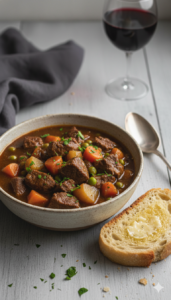




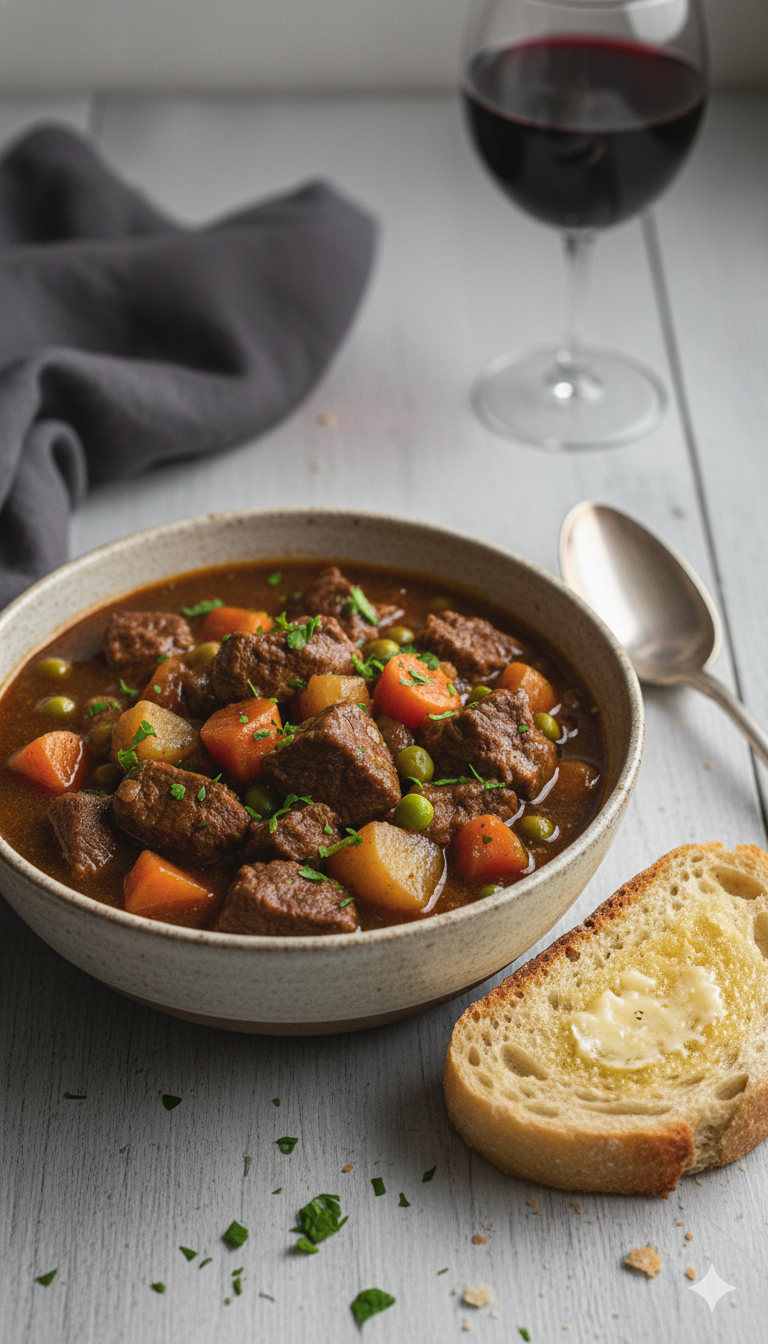
There’s something undeniably magical about a bowl of hearty beef stew-a dish that marries rich, tender chunks of beef with a vibrant chorus of vegetables, all simmered slowly to create a savory symphony of comfort and flavor. more than just a meal,beef stew embodies warmth and tradition,evoking images of cozy kitchens and shared moments around the table. In this article, we’ll explore the art behind crafting the perfect beef stew, uncovering tips, techniques, and secret ingredients that transform simple components into a deeply satisfying culinary masterpiece. Whether you’re seeking a soul-soothing dinner or a timeless recipe to pass down, prepare to dive into a world where taste and comfort harmonize beautifully.
Choosing the Perfect Cuts for Maximum Tenderness and flavor
Hearty beef stew begins with selecting the right cuts of beef that promise tender, flavorful morsels after hours of slow cooking. Opting for well-marbled,tougher cuts like chuck roast,brisket,or short ribs infuses the stew with deep richness as collagen breaks down,transforming into luscious gelatin that coats every bite. These cuts, frequently enough overlooked for everyday dishes, shine brightly in slow-cooked preparations, rewarding your patience with tender, juicy beef that melts in your mouth.
when purchasing, look for beef with a vibrant red hue and fine speckles of fat dispersed evenly through the muscle-this marbling is essential for flavor and succulence. Cut the meat into uniform cubes, roughly 1.5 inches, to ensure even cooking and caramelization during searing. Searing your beef in batches at high heat develops complex browned notes, laying a savory foundation before adding broth and herbs.
Building Depth with Robust Broths and Aromatic Herbs
flavor in a hearty beef stew is a symphony of ingredients layered thoughtfully. The backbone is a hearty, rich broth-made from scratch or a quality beef stock enhanced with fresh aromatics. Roasting vegetables like carrots,celery,and onions before simmering deepens the flavor profile,contributing smoky-sweet undertones that elevate the stew. Adding herbs such as bay leaves, thyme, and rosemary introduces fragrant, earthy notes that linger pleasantly on the palate.
For an extra dimension, gently crushing garlic cloves and incorporating a splash of homemade beef broth intensifies the umami character, creating a broth that feels both hearty and comforting. The slow melding of these aromatic elements is where the stew develops its captivating complexity.
Mastering the Art of Slow Cooking for Rich, melt-in-Your-Mouth beef
Patience is the supreme secret to perfecting this dish. After browning,the beef and vegetables gently simmer over low heat for several hours,allowing flavors to marry and collagen to dissolve. This slow cooking process unlocks the stew’s signature tender texture and profound depth. Use a heavy-bottomed pot or a Dutch oven to maintain an even temperature, avoiding harsh boiling that toughens the meat.
Keep the stew partially covered, stirring occasionally, and adjust seasoning toward the end to preserve bright herbaceousness. If time allows, an overnight rest in the refrigerator enhances flavors even further-the stew thickens naturally, ready to be rejuvenated with a slow reheat.
Pairing Hearty Beef Stew with Complementary Sides and Wines
This sumptuous beef stew appeals for its cozy, rustic character and calls for sides that both contrast and complement its richness. Creamy mashed potatoes or buttery polenta offer a smooth, mellow bed that soaks up every drop of the savory sauce. For added texture, roasted root vegetables or a crisp green salad with a tangy vinaigrette cut through the stew’s hearty weight.
When it comes to wine pairings, lean toward robust, tannic reds like Cabernet Sauvignon, Malbec, or Syrah/Shiraz. These wines enhance the stew’s depth, creating a harmonious experience with every sip and bite. For non-alcoholic options, an earthy black tea or sparkling water with a twist of lemon can refresh the palate.
Enjoying this stew is not just about nourishment; it’s an invitation to slow down, savor each component, and indulge in a true feast of warmth and flavor.
Prep and Cook Time
- Prep Time: 30 minutes
- Cook Time: 3 to 4 hours (slow simmer)
- Total time: Approximately 4 hours 30 minutes
Yield
Serves 6 generous portions
Difficulty level
Medium – great for cooks who enjoy layering flavors and slow cooking techniques
Ingredients
- 2 ½ lbs beef chuck roast, trimmed and cut into 1.5-inch cubes
- 2 tbsp olive oil
- 1 large onion, diced
- 3 cloves garlic, crushed
- 4 medium carrots, cut into large chunks
- 3 celery stalks, sliced
- 3 cups beef broth, preferably homemade or low-sodium
- 2 bay leaves
- 1 tbsp fresh rosemary, chopped
- 1 tbsp fresh thyme
- 2 tbsp tomato paste
- 1 cup pearl onions, peeled
- 2 medium potatoes, peeled and cubed
- Salt and freshly ground black pepper, to taste
- 1 tbsp all-purpose flour (optional, for thickening)
Instructions
- Prepare the beef: Pat the beef cubes dry with paper towels to encourage browning. Season generously with salt and pepper.
- Sear the beef: Heat olive oil in a heavy Dutch oven over medium-high heat. In batches, sear beef cubes until deeply browned on all sides, about 4 minutes per batch. Avoid overcrowding. Remove and set aside.
- sauté vegetables: In the same pot, add onion, celery, and carrots. Cook, stirring occasionally, until softened and lightly caramelized, about 8 minutes. Add garlic and cook 1 minute more.
- build flavor base: Stir in tomato paste and cook 2 minutes to reduce its acidity. Sprinkle flour over vegetables (if using) and stir well to cook out raw taste.
- Add liquids and herbs: Pour in beef broth, scraping up any browned bits from the pot bottom. Return beef to the pot, nestle in bay leaves, rosemary, and thyme.
- Simmer gently: Bring to a low simmer,cover partially,and cook on the stovetop or in a 325°F oven for 3 hours,stirring occasionally.
- Add pearl onions and potatoes: Stir in pearl onions and potatoes about 1 hour before end of cooking to keep them tender but intact.
- Finish and season: Remove bay leaves. Adjust salt and pepper to taste. If stew needs thickening, simmer uncovered for 10-15 minutes.
- Rest and serve: let stew rest 15 minutes off heat before serving to enrich flavors and thicken consistency.
chef’s Notes & Tips for Success
- Cut uniformly: Ensure beef cubes are similar sizes for even cooking.
- Don’t rush searing: Browning is key for complex, deep flavor-take your time and do batches.
- Make ahead: Stew tastes even better the next day; refrigerate overnight and gently reheat.
- Vegetable variations: Swap potatoes for turnips or parsnips to add sweetness and texture.
- Broth selection: Use low-sodium beef broth to control saltiness. Enhance with homemade stock if possible.
Serving Suggestions
Serve your hearty beef stew in rustic bowls, garnished with a sprig of fresh thyme or rosemary for a vibrant pop of green. Accompany with creamy mashed potatoes or crusty whole-grain bread to sop up the luscious sauce. For a refreshing contrast, a crisp kale salad tossed with lemon vinaigrette balances the stew’s richness perfectly.

| Nutritional Info (per serving) | Amount |
|---|---|
| Calories | 450 kcal |
| Protein | 42 g |
| Carbohydrates | 25 g |
| Fat | 18 g |
Looking to expand your collection of comforting classics? Try our detailed Classic Beef Bourguignon recipe for a French-inspired twist on robust beef dishes.
Q&A
Q&A: Hearty Beef Stew – A Savory Symphony of Comfort and Flavor
Q1: What makes a beef stew truly ”hearty”?
A1: A hearty beef stew is all about depth and richness-a robust combination of tender, slow-cooked beef chunks, a melody of earthy root vegetables, and a thick, savory broth that warms the soul. The balance of textures and layers of flavor creates that soul-satisfying experience, turning simple ingredients into a comforting masterpiece.Q2: How do you achieve melt-in-your-mouth beef in a stew?
A2: Patience is the secret ingredient. Using tougher cuts like chuck or brisket and simmering them low and slow allows the collagen to break down and infuse the stew with luscious body. This gentle stew time turns the beef tender and succulent,almost like a slow-cooked love letter to your taste buds.
Q3: Which vegetables add the most flavor and texture to a beef stew?
A3: Classic root vegetables-carrots, parsnips, and potatoes-bring both sweetness and earthiness that pair perfectly with beef. Onions and garlic form the aromatic foundation, while celery adds a subtle crispness. Throwing in mushrooms introduces a satisfying umami bite that deepens the flavor symphony.
Q4: How can spices and herbs elevate the flavor of beef stew?
A4: Fresh herbs like thyme, rosemary, and bay leaves lend fragrant, woodsy notes that echo the stew’s hearty spirit. Ground black pepper and a touch of smoked paprika can add subtle warmth and complexity.These elements layer like musical instruments, harmonizing the savory profile without overwhelming the natural beef essence.
Q5: What cooking methods best develop the flavor in beef stew?
A5: Searing the beef before stewing seals in juices and caramelizes the meat for a richer,deeper flavor.Slow simmering afterward lets all ingredients mingle and soften, creating a broth that’s thick, glossy, and packed with savory goodness. Using a heavy pot or Dutch oven ensures even heat distribution and amazing texture.
Q6: Can adding broth or stock improve the stew, and which type is preferable?
A6: Absolutely! A rich, well-seasoned beef broth or vegetable stock is the liquid heart of your stew. It absorbs and amplifies the flavors as it reduces. Choosing homemade or high-quality store-bought beef broth ensures that every spoonful bursts with comforting, savory notes fundamental to a soulful stew.
Q7: How do you balance stew consistency-thick but not gummy?
A7: Achieving that perfect stew consistency involves gradual thickening. Toss in a spoonful of flour or cornstarch slurry toward the end of cooking to gently thicken the broth. The goal is a velvety texture that clings lovingly to tender meat and veggies without turning gluey-think hearty silkiness that invites repeat spoonfuls.
Q8: What are some creative ways to serve or enhance beef stew?
A8: Serve it over creamy mashed potatoes or buttery egg noodles for a comforting base. Garnish with fresh parsley or chives to brighten the dish visually and flavor-wise. For a rustic touch, a crusty loaf of bread on the side invites delicious dipping, turning every meal into a cozy, communal feast.
Q9: How does beef stew embody comfort food?
A9: Beef stew is culinary warmth distilled-it comforts by nourishing both body and spirit.The slow melding of familiar ingredients into a rich concoction evokes memories of home, hearth, and hearty laughter. it’s food that hugs from the inside out,a savory,soul-soothing symphony best enjoyed on crisp evenings.
Q10: Any tips for customizing beef stew without losing its classic appeal?
A10: Feel free to experiment with additional root vegetables like turnips or sweet potatoes for subtle sweetness.swapping in different herbs like sage or marjoram can offer new aromatic twists. Just remember to keep the foundation hearty and balanced-tender beef, rich broth, and well-blended veggies-so the stew sings with comforting familiarity.
to sum up
As the warm aroma of simmered beef and tender vegetables fills your kitchen, remember that a hearty beef stew is more than just a meal-it’s a comforting embrace on a chilly day, a melody of flavors that sings with every spoonful. Whether shared around a bustling family table or savored solo with a crusty slice of bread, this savory symphony of ingredients brings both nourishment and nostalgia. So, next time you crave a dish that wraps you in rich, soulful warmth, let your pot of beef stew simmer slowly, knowing that each bite is a party of comfort and culinary tradition.