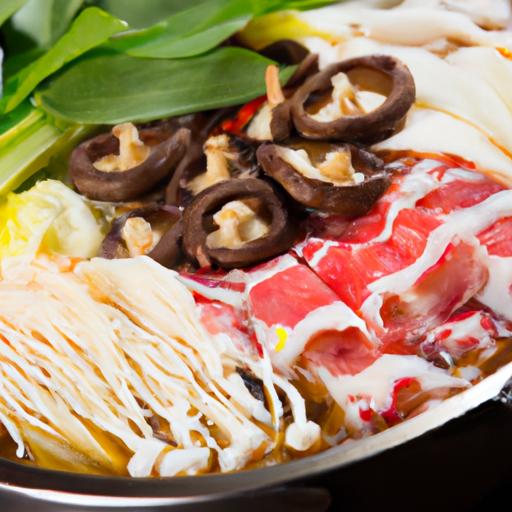



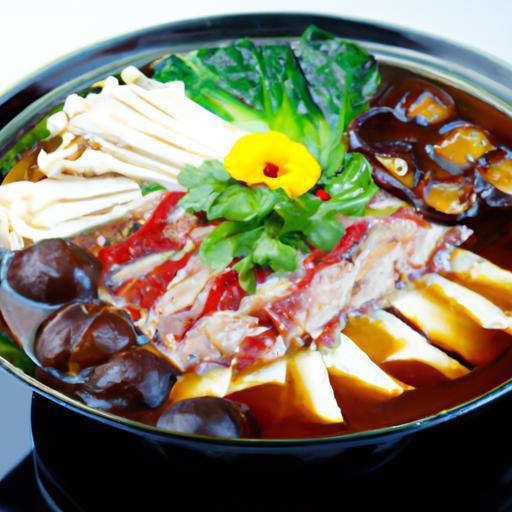
There’s a special kind of magic that happens when a bubbling pot takes center stage at the dining table-inviting friends and family to gather, cook, and share not just a meal, but a timeless tradition. Chinese hot pot, with its rich history and vibrant flavors, is much more than a culinary experience; it is a celebration of togetherness and cultural heritage passed down through generations. From the fragrant broths simmering with layers of spices to the endless array of fresh ingredients waiting to be dipped and savored, hot pot embodies the art of communal dining in its most flavorful form. In this exploration of “Savoring Tradition: The Art and Flavor of Chinese Hot Pot,” we dive into the origins, regional variations, and intricate techniques that transform a simple pot of boiling broth into an unforgettable feast for both the palate and the soul.
Savoring Tradition: The Art and Flavor of Chinese Hot Pot
Savoring Tradition begins with the warmth and communal spirit of Chinese hot pot, a culinary ritual that transcends mere dining to become a celebration of flavor, culture, and connection. Originating over a thousand years ago during the Jin Dynasty, this interactive cooking experience invites diners to simmer an array of fresh ingredients in richly flavored broth, creating an evolving tapestry of taste. Whether nestled around a family table in Chongqing or sharing laughs with friends in Sichuan, hot pot embodies a vibrant cultural tradition that embraces diversity, creativity, and the joy of sharing.
Prep and Cook Time
- Preparation: 30 minutes
- Cooking: 20-30 minutes (active simmering throughout meal)
- Total Time: Approximately 1 hour
Yield
- Serves 4-6 people generously
Difficulty Level
- Medium – Requires some prep and coordination but perfect for group cooking
Savoring Tradition: The Art and Flavor of Chinese Hot Pot – Ingredients
- Broth Base:
- 8 cups chicken or vegetable broth (low sodium)
- 2 slices fresh ginger
- 4 cloves garlic, crushed
- 2 star anise pods
- 1 cinnamon stick
- 2 dried chili peppers (optional for mild spice)
- 2 tablespoons soy sauce
- 1 tablespoon Shaoxing-style cooking vinegar (non-alcoholic substitute if preferred)
- Protein and Vegetables:
- 300g thinly sliced beef brisket or lamb leg
- 200g firm tofu, cut into cubes
- 200g king oyster mushrooms, sliced
- 150g baby bok choy, halved
- 150g enoki mushrooms, trimmed
- 150g lotus root, thinly sliced
- 100g glass noodles (mung bean or sweet potato starch)
- Signature Dipping Sauce Ingredients:
- 3 tablespoons sesame paste
- 2 tablespoons soy sauce
- 1 teaspoon minced garlic
- 1 tablespoon finely chopped scallions
- 1 tablespoon toasted sesame oil
- Optional: chili oil or fresh chopped cilantro for extra kick
Instructions
- Prepare the broth: In a large pot, combine the chicken or vegetable broth with ginger slices, garlic, star anise, cinnamon stick, dried chili peppers, soy sauce, and cooking vinegar. Bring to a gentle boil, then reduce to a simmer for 20 minutes to infuse the aromatic spices. Skim any impurities for a clear broth.
- prep ingredients: Arrange sliced meats, tofu, mushrooms, lotus root, and vegetables attractively on platters or bowls around the cooking pot for easy access. Soak glass noodles in warm water for 10 minutes until soft, then drain.
- Set up the hot pot station: transfer the simmering broth to a tabletop portable burner or an electric hot pot cooker. Keep the heat low but steady so the broth bubbles gently throughout the meal.
- Mix dipping sauce: In a small bowl, whisk together sesame paste, soy sauce, minced garlic, scallions, and toasted sesame oil until smooth.Adjust for taste with chili oil or fresh herbs for personalization.
- Cook and enjoy: Using chopsticks or wire mesh strainers, dip thin slices of meat and vegetables into the simmering broth for 1-3 minutes until cooked to preference. The thin cuts cook quickly-avoid overcrowding the pot.
- Dip and savor: Once cooked, transfer items to your personal dipping bowl, coat generously with the prepared sauce, and relish the meld of textures and flavors. Repeat with different ingredients to experience the full depth of this communal delight.
Chef’s Notes and Tips for Success
- Broth Variations: For a richer experience, try a spicy Sichuan-style broth base featuring doubanjiang (fermented chili paste) and Sichuan peppercorns, or mild mushroom broth for a vegetarian-pleasant option.
- Protein alternatives: Besides beef and lamb, excellent hot pot proteins include chicken breast, shrimp, fish fillets, or firm tofu. Avoid pork to respect dietary preferences and tradition.
- Make-Ahead prep: Slice vegetables and proteins the day before and store covered in the refrigerator. Broth can be prepared a few hours ahead and reheated gently.
- Managing Broth Clarity: Skim froth and occasionally strain the broth if it becomes cloudy for the cleanest tasting base.
- Enhancing Experience: Add enoki or other delicate mushrooms last to avoid overcooking. use a scoop or strainer for easy retrieval of slippery items.
Serving Suggestions
Present your hot pot feast with an array of vibrant small bowls for dipping sauces and condiments, allowing guests to tailor flavors. Garnish with fresh scallions, cilantro sprigs, and toasted sesame seeds for an inviting finish. Serve with steamed jasmine rice or light noodles on the side to balance the bubbling broth’s richness.A refreshing jasmine tea or chrysanthemum iced tea complements the meal beautifully, cleansing the palate between bites.

| Nutrient | Per Serving (approx.) |
|---|---|
| Calories | 350 kcal |
| Protein | 28 g |
| Carbohydrates | 20 g |
| Fat | 15 g |
For a deeper dive into Chinese culinary traditions and other iconic dishes, explore our chinese Cooking Basics.For authoritative history and regional context, visit britannica’s Hot Pot Entry.
Q&A
Q&A: Savoring Tradition – The art and flavor of Chinese Hot Pot
Q1: What is Chinese hot pot, and why is it considered a cultural experience rather than just a meal?
Chinese hot pot is a communal cooking ritual where diners gather around a simmering pot of flavorful broth, cooking fresh ingredients right at the table. It’s more than food-it’s a social experience that honors connection, tradition, and the shared joy of creating flavors together. Each ingredient added becomes part of a living narrative, blending tastes and stories in real time.
Q2: Where did hot pot originate, and how has it evolved over time?
Hot pot traces back thousands of years to northern China, where nomadic tribes cooked meat and vegetables over open flames. Over centuries, regional styles blossomed-from the fiery, spicy sichuan broths to the mild, herbal Cantonese varieties-each reflecting local climates, ingredients, and customs. Today, hot pot is a culinary bridge linking ancient heritage with modern dining.
Q3: What are the key components that make a hot pot authentic and delicious?
Three essentials create the magic: a well-balanced broth, fresh, high-quality ingredients, and dipping sauces. The broth is the heart-often simmered for hours with bones, spices, and herbs, creating layers of umami. ingredients range from thinly sliced beef and lamb to fresh seafood, leafy greens, mushrooms, tofu, and noodles. Dipping sauces-custom-crafted from sesame paste, soy sauce, chili oil, garlic, and scallions-add personalized flair.
Q4: How does the choice of broth influence the flavor profile of a hot pot meal?
The broth is the flavor foundation. A spicy Sichuan broth bursts with chili and numbing sichuan peppercorns, creating a lively heat that tingles the palate. A clear,herbal broth offers a soothing,subtle canvas that highlights the freshness of ingredients. Some tables feature a dual pot, allowing diners to explore contrasting tastes side-by-side-a yin and yang of flavor.
Q5: Are there vegetarian or seafood options suitable for hot pot?
Absolutely. Hot pot embraces versatility. Fresh vegetables such as bok choy, spinach, lotus root, and mushrooms absorb the broth’s richness beautifully.Seafood like fish fillets, shrimp, squid, and scallops add delicate textures and savory depth. With hearty tofu varieties and noodles,vegetarian hot pot can be just as satisfying and layered in flavor.
Q6: What is the etiquette or tradition around enjoying hot pot?
Patience and sharing are key. Diners add ingredients in turns, mindful of cooking times, and often taste the broth as it deepens in flavor throughout the meal. It’s polite to offer to cook for others or share prized ingredients. Conversation flows as freely as the broth simmers, making hot pot a culinary metaphor for harmony and togetherness.
Q7: How can someone new to hot pot best approach trying it for the first time?
Start simple: choose a milder broth to appreciate the natural ingredient flavors. Select a balanced combination of proteins, vegetables, and noodles. Experiment with dipping sauces based on your preferences. Most importantly, embrace the communal spirit-don’t rush, savor each bite, and enjoy the immersive, interactive rhythm of the meal.
In Chinese hot pot, every simmering pot tells a story-of regions and recipes, of gathering and generosity, of fire and flavor. Whether bold or subtle, spicy or mild, hot pot is a celebration of culture served steaming hot, inviting all to savor tradition in every shared mouthful.
insights and Conclusions
As the bubbling broth simmers and the vibrant array of ingredients mingle, Chinese hot pot reveals more than just a meal-it offers a timeless celebration of community, culture, and culinary artistry. Each dip and savor is a tribute to centuries-old traditions, where flavors dance in harmony and stories are shared across the table. embracing hot pot is to embrace a rich heritage that invites both the palate and the spirit to come alive. So next time you gather around that steaming cauldron, remember: you’re not just tasting food-you’re partaking in an age-old ritual that continues to warm hearts and connect generations.