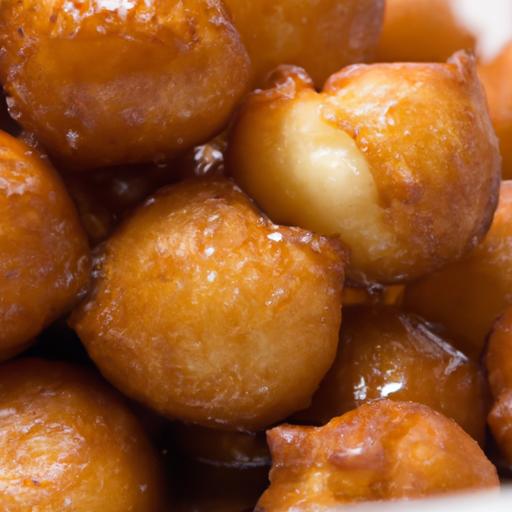

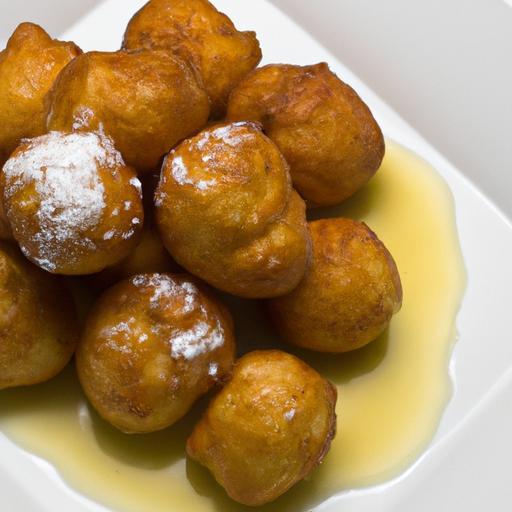
Golden spheres of bliss, drizzled with amber honey and dusted with a sprinkle of cinnamon-loukoumades are more than just a dessert; thay are a sweet slice of greek heritage. These airy honey puffs have danced through centuries of history, delighting palates from ancient feasts to modern-day celebrations. But what lies beneath their crisp, syrup-soaked exterior? Join us as we uncover the rich story behind loukoumades, exploring their origins, cultural meaning, and the timeless charm that has made them a beloved treat across generations. Prepare to indulge not only your taste buds but also your curiosity, as we delve into the sweet history of Greece’s most irresistible little doughnuts.
loukoumades have enchanted palates for centuries, evolving from humble beginnings into the golden honey puffs adored across Greece and beyond.This sweet treat traces back to ancient greek culture, where it was awarded to victorious athletes at the first Olympic Games as a symbol of honor and festivity. The magic lies in the change of basic ingredients-flour, water, yeast-into delicate, crispy spheres that soak up luscious honey syrup, creating an irresistible symphony of textures and flavors. Every bite encapsulates a rich cultural tapestry woven with tradition, ritual, and community.
Prep and Cook Time
- Readiness: 15 minutes (plus 1 hour rise time)
- Cooking: 10-15 minutes
- total: Approximately 1 hour 30 minutes
Yield
- About 30 loukoumades (serves 6-8)
Difficulty Level
- Medium – requires yeast activation and frying skills
Ingredients
- 2 cups all-purpose flour, sifted
- 1 cup lukewarm water (approx. 100°F/38°C)
- 1 tbsp active dry yeast
- 1 tbsp granulated sugar
- 1/2 tsp fine sea salt
- 2 tbsp extra virgin olive oil (plus extra for frying)
- Honey syrup:
- 1/2 cup honey (preferably Greek thyme honey)
- 1/4 cup water
- 1 tbsp fresh lemon juice
- 1 tsp ground cinnamon (optional)
- For Garnish:
- Chopped walnuts or crushed pistachios
- Light dusting of powdered sugar
Instructions
- Activate the yeast: In a small bowl, dissolve the sugar into lukewarm water. Sprinkle the yeast over the surface and stir gently. Let it stand for 8-10 minutes until frothy and bubbly. This ensures the right fermentation.
- Make the batter: In a large mixing bowl, combine sifted flour and salt. Create a well in the center and pour in the activated yeast mixture and olive oil. stir gently with a wooden spoon or spatula until combined. The batter should be thick but still slightly sticky.
- First rise: Cover the bowl with a damp cloth or plastic wrap. Leave in a warm, draft-free spot for about 1 hour, or until the batter doubles in size and is airy.
- Prepare the honey syrup: In a small saucepan, combine honey, water, and lemon juice. Warm gently over medium-low heat until honey dissolves fully. Sprinkle cinnamon if desired. Remove from heat and set aside to cool to room temperature.
- Heat the oil: Pour about 3 inches of olive oil into a deep, heavy-bottomed pot or deep fryer. Heat to 350°F (175°C). Use a thermometer for precision to ensure perfect frying temperature.
- Fry the loukoumades: Using two spoons or your fingers dipped in water, scoop walnut-sized portions of batter and gently drop them into the hot oil. Do not overcrowd the pan. Fry in batches.
- Turn for even browning: Fry until golden brown, about 2-3 minutes per side, flipping carefully with slotted spoons for an even golden crust. Remove with a slotted spoon and drain on paper towels.
- Soak in honey syrup: While still warm, dip or drizzle loukoumades generously with honey syrup. Allow them to soak for a minute, soaking up the syrup’s sweet magic.
Tips for Making Perfect Loukoumades at Home
- Use room-temperature water when activating yeast to encourage proper fermentation without killing the yeast culture.
- The batter consistency is key: it should be sticky and elastic but not runny. Adjust with small flour or water additions as needed.
- Oil temperature is crucial-too hot and the loukoumades burn on the outside while remaining raw inside; too low and they absorb excessive oil, becoming greasy.
- For extra puffiness, incorporate egg whites whipped to soft peaks for a fluffier texture (a common regional twist).
- Make-ahead tip: Prepare the honey syrup in advance; store it covered at room temperature. Reheat gently before serving.
- Variations: Experiment by dusting with ground cinnamon and nutmeg or swapping honey for a sugar-based syrup infused with cloves or orange zest for a modern spin.
Serving Suggestions
Serve loukoumades warm for the most tantalizing experience, ideally fresh from the skillet and drenched in honey syrup. Present them stacked in a shallow bowl or platter, adorned with a sprinkle of crunchy chopped walnuts or pistachios. A light dusting of powdered sugar gives a delicate snowy finish that contrasts beautifully against the golden nuggets. Pair with a fragrant cup of Greek mountain tea or a robust coffee to balance the sweetness. In festive settings, add a twist with a few ribbons of citrus zest or edible flower petals to elevate this ancient dessert into an unforgettable centerpiece.
| Nutrient | Per 3 Loukoumades |
|---|---|
| Calories | 220 kcal |
| Protein | 4 g |
| Carbohydrates | 36 g |
| fat | 6 g |

for more traditional Mediterranean desserts, discover our Greek Honey Baklava Recipe.To explore the profound cultural impact of honey in ancient civilizations, visit the Encyclopedia Britannica Honey Entry.
Q&A
Q&A: Loukoumades Uncovered - The Sweet History of Greek Honey Puffs
Q1: What exactly are loukoumades, and why are they so beloved in Greek cuisine?
A1: Loukoumades are golden, bite-sized puffs of deep-fried dough, drenched in fragrant honey and often sprinkled with cinnamon or chopped nuts. These little treats hold a special place in Greek hearts, cherished for their crispy exterior and pillowy interior-a perfect harmony of texture and sweetness that has delighted generations.
Q2: Where does the tradition of loukoumades originate?
A2: Loukoumades trace their origins back over 2,500 years to ancient Greece, where they were served as a delicacy at celebratory feasts and religious offerings to the gods.Historical records suggest athletes in the original Olympic Games were rewarded with olive oil-drenched fried dough balls, a precursor to today’s honey-soaked loukoumades.
Q3: How have loukoumades evolved through history?
A3: While the core concept of fried dough dipped in honey remains unchanged, the preparation and presentation of loukoumades have blossomed. From simple honey and cinnamon coatings to elaborate toppings featuring walnuts, sesame seeds, or even creamy mascarpone, modern loukoumades celebrate both tradition and culinary creativity.
Q4: what makes the perfect loukoumada?
A4: achieving the perfect loukoumada is an art form-a delicate balance of light, airy dough fried to a crisp golden brown, immediately soaked in fragrant honey syrup. The magic lies in the texture: a slight crunch outside, melting softness inside, with the honey adding a luscious, sticky sweetness that warms the palate.
Q5: Are loukoumades only enjoyed as a dessert?
A5: Traditionally a dessert or festival treat, loukoumades can also be savored as a sweet snack anytime, anywhere-from bustling street markets to cozy family gatherings. Their portable size and irresistible sweetness make them perfect for sharing and celebrating joyful moments.
Q6: How do regional variations of loukoumades differ within Greece?
A6: Across Greece, loukoumades wear many tasty crowns. Some regions favor a heavier honey drizzle, while others dust their puffs generously with cinnamon or add chopped nuts like walnuts or almonds for extra crunch. Certain islands incorporate local flavors like orange blossom water or sesame seeds, adding unique aromatic layers to this timeless treat.Q7: Can loukoumades be made at home,or are they better enjoyed from specialty shops?
A7: Though making loukoumades at home requires some practice to perfect the dough’s lightness and frying technique,it’s a rewarding endeavor that brings the rich heritage of Greek sweets right to your kitchen. However, many food lovers also treasure the experience of savoring freshly made loukoumades from traditional handcrafted shops or street vendors, where they’re served hot, fresh, and dripping with honey goodness.
Q8: Beyond Greece, how has the loukoumada inspired desserts around the world?
A8: Loukoumades have inspired a global appreciation for honey-soaked dough confections, influencing variations in Middle Eastern, Mediterranean, and even Western cuisines. Their essence-the celebration of simple ingredients combined elegantly-resonates universally, encouraging chefs and home cooks alike to experiment with honey-dipped delights.
Q9: Why is honey such an integral ingredient in loukoumades?
A9: Honey is not only a natural sweetener but also a symbol of abundance and hospitality in Greek culture. It’s sticky sweetness enhances the fried dough’s texture, creating a perfect contrast that’s simultaneously rich and light. Moreover, honey’s floral notes add depth and complexity, making each loukoumada a small masterpiece.
Q10: What cultural significance do loukoumades hold in modern Greece?
A10: Today, loukoumades are more than just a treat-they’re a connection to heritage, a shared joy that brings communities together during festivals, weddings, and family occasions. They embody hospitality, celebration, and the timeless pleasure of sweet bites that warm both heart and soul.
Key Takeaways
From ancient feasts to modern-day tables, loukoumades have journeyed through time as golden puffs of sweetness that capture the heart of Greek culture in every bite. More than just honey-drenched dough balls, these delectable treats are edible echoes of a rich history-whispering stories of celebration, tradition, and communal joy. As we savor their sticky sweetness today, we’re not just indulging in dessert; we’re partaking in a timeless ritual that connects generations across centuries. So next time you relish loukoumades, remember: you’re uncovering a piece of Greece’s sweet heritage, one honeyed puff at a time.