



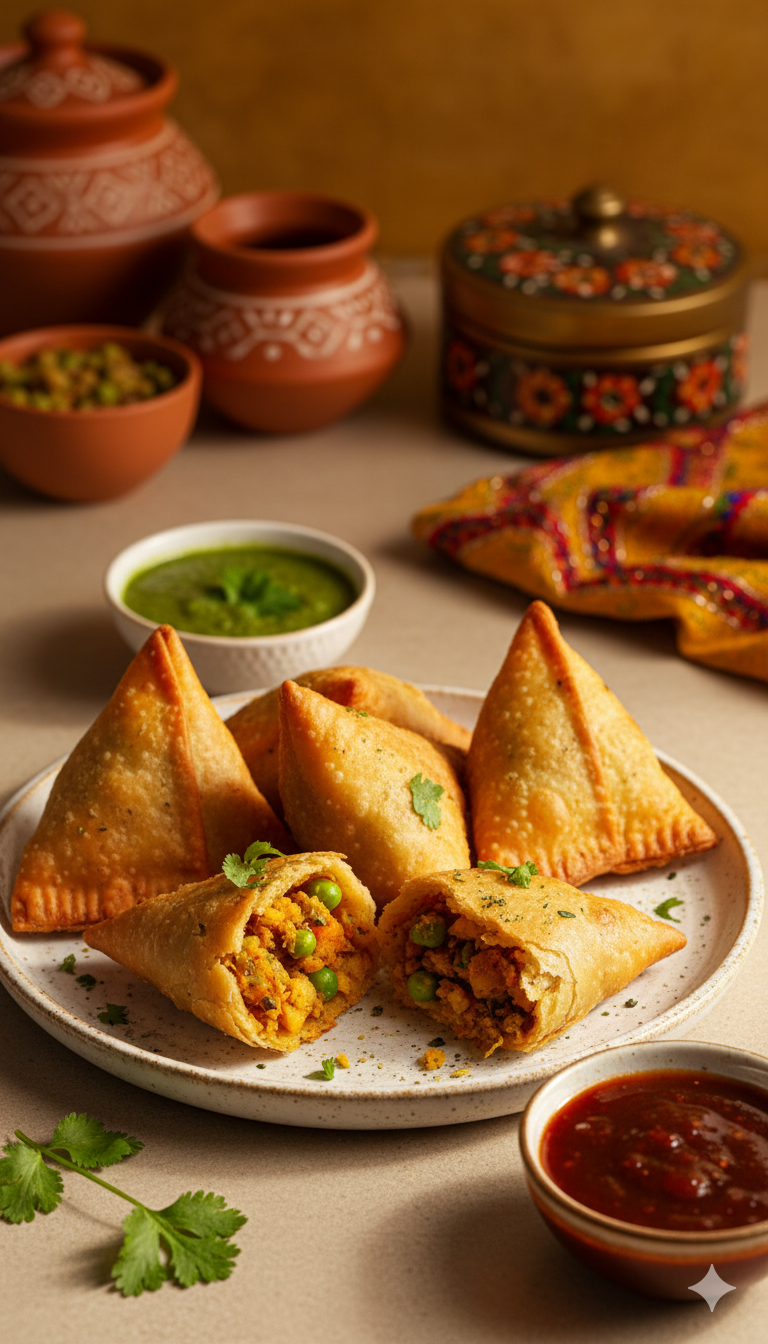
Crispy Vegetable Samosas: A Flavorful Indian Snack Guide
Imagine biting into a golden, flaky pastry that crackles delicately with every chew, releasing a burst of aromatic spices and tender vegetables warmed to perfection. This is the magic of vegetable samosas-one of India’s most beloved snacks, cherished from bustling street stalls to festive gatherings. Beyond their irresistible crunch and vibrant flavors lies a rich story of culinary tradition and regional variation that has captivated taste buds for centuries. In this guide,we’ll explore the art of crafting these crispy delights,unravel the secrets behind their savory fillings,and share tips to perfecting the quintessential Indian snack that continues to inspire snack lovers worldwide. Whether you’re a seasoned cook or a curious foodie, get ready to dive into the flavorful world of vegetable samosas.
Crispy Vegetable Samosas: A Flavorful Indian Snack Guide
Crispy vegetable samosas capture the very essence of Indian street food-a perfect balance of crunchy exterior and warmly spiced, tender filling that makes them irresistible. Originating from the ancient kitchens of the Indian subcontinent, this snack holds a special place in my heart, reminding me of festive family gatherings where the kitchen aroma was as rich as the stories exchanged over steaming cups of chai. Mastering these samosas is an art and a delightful journey that infuses your kitchen with heritage, flavor, and texture in every bite.
Prep and Cook Time
- Preparation Time: 30 minutes
- Cook Time: 25 minutes
- Total Time: 55 minutes
yield
Approximately 16 medium-sized samosas (4 servings)
Difficulty Level
Medium – Requires some dough kneading and careful frying, but entirely approachable with stepwise guidance.
Ingredients
- For the Dough:
- 2 cups all-purpose flour, sifted
- 4 tbsp vegetable oil or ghee
- ½ tsp salt
- ¾ cup ice-cold water (adjust as needed)
- For the Filling:
- 2 medium potatoes, boiled, peeled, and diced
- 1 cup green peas, fresh or frozen
- 1 medium onion, finely chopped
- 2 green chilies, finely chopped (optional for heat)
- 1 tsp grated fresh ginger
- 1 tsp cumin seeds
- 1 tsp coriander powder
- ½ tsp garam masala
- ½ tsp turmeric powder
- 1 tsp amchur (dry mango powder) or lemon juice
- 2 tbsp vegetable oil
- Salt, to taste
- Fresh coriander leaves, chopped (handful)
- For Frying:
- Vegetable oil or peanut oil, enough for deep frying
Instructions
- Prepare the Dough: In a large mixing bowl, combine the all-purpose flour and salt. Add the vegetable oil and rub it into the flour until the mixture resembles coarse crumbs.
- Add Cold Water: Gradually sprinkle ice-cold water while mixing with your hand or a spoon to form a firm but pliable dough. Knead for 5-7 minutes until smooth. Cover with a damp cloth and let it rest for at least 30 minutes for gluten relaxation.
- Cook the Filling: Heat 2 tbsp oil in a pan over medium heat.Add cumin seeds and let them splutter.Add finely chopped onions and sauté until translucent,about 3-4 minutes.
- Spice It Up: Add grated ginger, green chilies, turmeric, coriander powder, and garam masala. stir and cook for 1 minute until fragrant.
- Add Vegetables: Toss in boiled potatoes and green peas. Mix well to coat the veggies evenly with the spices.
- Finish Filling: Stir in amchur powder or lemon juice,salt,and fresh coriander. Cook for another 2 minutes, stirring frequently. Remove from heat and allow the filling to cool wholly.
- Shape the Samosas: Divide the dough into 16 equal portions. Roll each into a ball,then flatten and roll out into oval discs about 5 inches long. Cut each disc in half to create two semi-circles.
- Form Cones: Take one semi-circle and fold it into a cone shape, sealing the edge with a little water.
- Fill and Seal: Fill each cone with 2 tablespoons of the cooled vegetable filling. Moisten the open edges with water and pinch tightly to seal,ensuring no gaps remain.
- Heat Oil for Frying: In a deep heavy-bottomed pan or wok, heat vegetable oil over medium-high heat to 350°F (175°C). Use a thermometer for accuracy or test by dropping a small dough piece-it should bubble and rise immediately.
- Fry to Golden Perfection: Carefully slide samosas into hot oil, frying 3-4 at a time to avoid overcrowding. Fry until golden brown, about 4-5 minutes, turning occasionally for even color.
- Drain and Cool: Remove samosas with a slotted spoon and drain on paper towels. Serve warm for that unbeatable first crunch.
Tips for Success
- Vegetable Choices: Starchy vegetables like potatoes provide structure, while peas add sweetness and texture. Feel free to experiment with finely chopped carrots or cauliflower for added flavor.
- Dough care: Resting the dough ensures a tender but crisp crust. Avoid adding too much water – the dough must be firm yet supple.
- Spice Balance: Adjust the spice blend to suit your heat tolerance. Amchur powder imparts a tangy brightness that contrasts perfectly with the savory spices.
- Frying Tip: maintaining consistent oil temperature is essential for crispiness and to prevent oil absorption. Always fry in medium-hot oil, not too hot or cold.
- Make Ahead: Fillings store well in the refrigerator for up to 2 days, and dough can be refrigerated for up to 24 hours. Assemble and fry just before serving.
Serving suggestions
Present your samosas on a rustic platter garnished with fresh cilantro sprigs and thin lemon wedges. Pair with classic mint chutney and tamarind-date chutney for dipping. A side of cooling yogurt raita elevates the palate, balancing the samosa’s bold spices beautifully.

Nutritional Facts (per serving)
| calories | Protein | carbs | Fat |
|---|---|---|---|
| 210 kcal | 4 g | 28 g | 8 g |
For more authentic Indian snack recipes and culinary tips,check out our Indian Snack Recipes Collection. To deepen your understanding of spice blends, explore this detailed Britannica guide on spices.
Q&A
Q&A: Crispy Vegetable Samosas – A Flavorful Indian Snack Guide
Q1: What exactly is a samosa?
A1: A samosa is a popular Indian snack, typically triangular in shape, featuring a crispy, golden-brown pastry shell filled with a savory mixture. Traditionally, the filling includes spiced vegetables like potatoes, peas, and sometimes lentils or nuts, creating a delightful burst of flavors with every bite.
Q2: What makes samosas so irresistibly crispy?
A2: The signature crunch of a samosa comes from the thin, well-rolled dough and proper frying technique. Using oil at the right temperature is crucial-too hot, and the samosas burn outside while staying raw inside; too cool, and they absorb excess oil. The dough, often made from all-purpose flour and a pinch of oil or ghee, is rolled paper-thin and sealed tightly for that perfect crunch.
Q3: are vegetable samosas suitable for vegetarians and vegans?
A3: Absolutely! Vegetable samosas are naturally vegetarian, frequently enough vegan, provided the dough doesn’t contain dairy (like ghee or butter).You can easily make the dough vegan by substituting with vegetable oil and making sure the filling excludes any dairy-based ingredients like paneer or yogurt.
Q4: What are the traditional spices used in vegetable samosa filling?
A4: The magic of samosa filling lies in its aromatic spices. Commonly used spices include cumin seeds, coriander powder, garam masala, turmeric, chili powder, and amchur (dry mango powder). These spices blend harmoniously to give the filling its warm, tangy, and spicy flavor profile.
Q5: Can samosas be baked rather of fried?
A5: Yes! If you prefer a lighter version, samosas can be baked.While they won’t have the same deep-fried crunch, brushing the samosas with a little oil and baking at a high temperature can still yield a satisfyingly crisp crust. It’s a healthier choice that maintains much of the classic flavor.
Q6: what dipping sauces or chutneys pair well with vegetable samosas?
A6: A samosa’s companion sauces elevate the snack experience. Popular chutneys include tangy tamarind chutney, spicy green coriander-mint chutney, and cooling yogurt-based raita. Each adds a contrasting or complementary taste, balancing the samosa’s warm spices with sweet, tart, or fresh flavors.
Q7: Can I customize the filling beyond the classic potato and pea?
A7: Definitely! While potato and peas are the most common fillings, samosas are wonderfully versatile.You can incorporate other vegetables like carrots, cauliflower, or spinach. Some adventurous cooks add roasted nuts, paneer cubes, or even lentils to enrich texture and flavor-just be sure to maintain a dry filling so the pastry stays crisp.
Q8: What’s the cultural significance of samosas in Indian cuisine?
A8: Samosas are not just snacks; they are a cultural icon enjoyed across India and beyond. Often served during festivals, family gatherings, and street food stalls, they symbolize warmth, hospitality, and party. Their widespread popularity also reflects the rich tradition of Indian spices and street food artistry.
Q9: How can I store leftover samosas to keep them crispy?
A9: To retain maximum crispiness, store samosas in an airtight container at room temperature. Avoid refrigerating, as moisture can soften the pastry. When ready to eat,reheat them in an oven or toaster oven rather than a microwave to restore their crunch.
Q10: Are samosas tough to make at home for beginners?
A10: While samosas might look intricate, they’re quite approachable with a little patience. The filling is simple, and rolling out the dough becomes easier with practice. Starting with vegetable samosas is a great way to dive into Indian cooking, offering rewarding results and a flavorful homemade snack!
Closing Remarks
As the golden crust crackles and the vibrant spices dance on your palate, crispy vegetable samosas prove that simple ingredients can create exceptional flavors. this beloved Indian snack, with its perfect balance of crunch and zest, invites you to explore a world of tradition and taste in every bite. Whether enjoyed with tangy chutneys or savored on their own, samosas are more than just a snack-they’re a celebration of culinary heritage. So next time you crave something crispy and comforting,let these flavorful pockets transport you straight to the heart of India’s bustling street food scene. Happy snacking!