



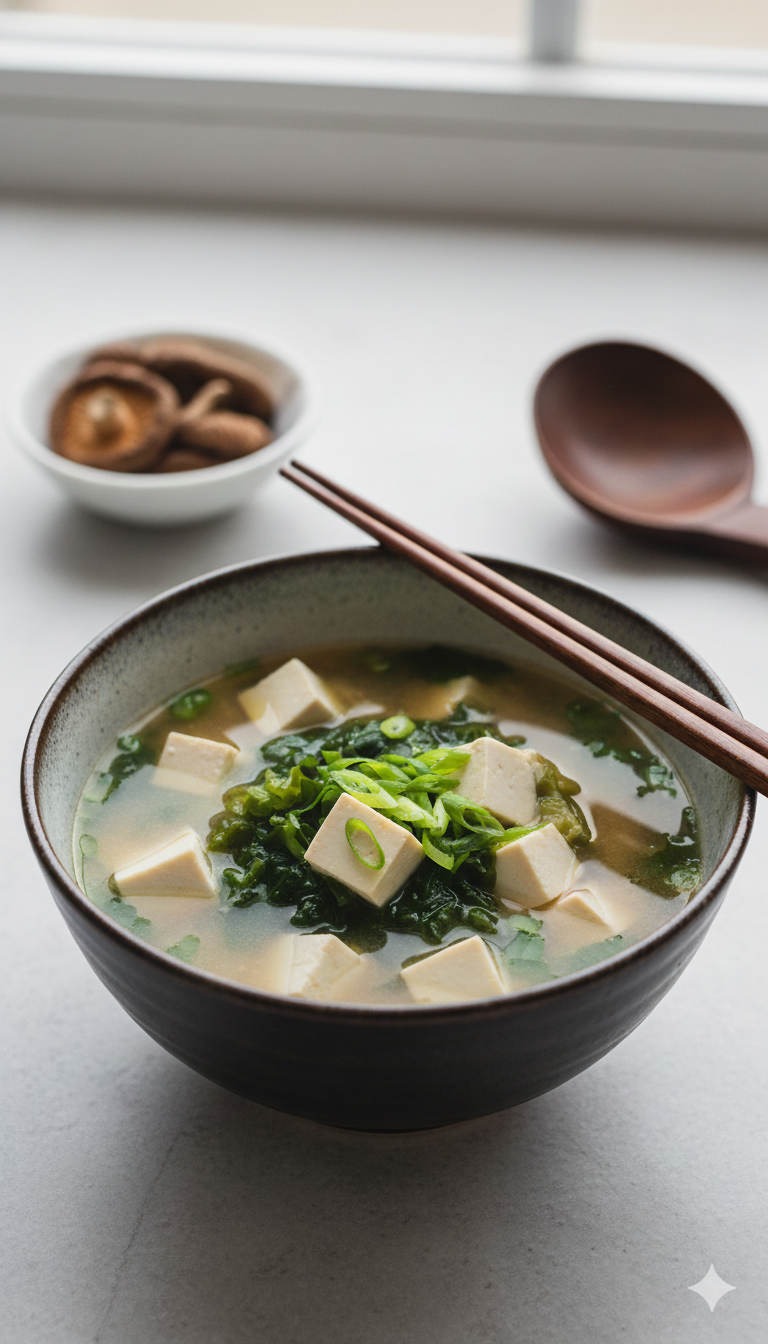
In the heart of japanese cuisine lies a humble elixir that has warmed generations and whispered stories of tradition with every steaming bowl-miso soup. More than just a starter, this savory broth is a magical blend of history, culture, and umami-rich ingredients that dance harmoniously to awaken the senses. Join us on a flavorful journey as we unravel the layers of miso soup’s timeless charm, exploring its origins, variations, and the secret alchemy that transforms simple miso paste into a culinary icon enjoyed around the world. Welcome to the savory world of miso soup magic.
Miso Soup Magic invites you into a soulful experience of Japanese cuisine,where a humble bowl of broth holds centuries of history,culture,and culinary artistry. This iconic soup is more than just a starter; it is a comforting ritual, a warm embrace from the East that melds simplicity with umami depth.
Originating during Japan’s Heian period (794-1185), miso soup evolved alongside the country’s rich food traditions, becoming a staple that balances nourishment and flavor. Traditionally consumed daily across households,this soup embodies the Japanese principle of ichiju-sansai (one soup,three sides),emphasizing harmony in every meal. The core hero here is miso paste-a fermented blend of soybeans,rice,or barley,each bringing unique nuances ranging from mellow sweetness to robust,earthy tangs.
Prep and Cook Time
- Planning: 10 minutes
- Cooking: 15 minutes
- Total Time: 25 minutes
Yield
Serves 4 generous bowls
Difficulty Level
Easy – Perfect for beginners who want to dive into authentic Japanese flavors
Ingredients
- 6 cups dashi stock (kombu and bonito flakes or vegan shiitake dashi for plant-based)
- 4 tablespoons white or red miso paste (adjust to taste)
- 1/2 cup fresh silken tofu,cubed
- 1/4 cup wakame seaweed,soaked and drained
- 2 stalks green onions,thinly sliced
- Optional: thinly sliced shiitake mushrooms or enoki mushrooms
Instructions
- Prepare the dashi stock: In a medium pot,simmer kombu seaweed (about 4×4 inch piece) in 6 cups of water for 10 minutes. Remove kombu before water boils to prevent bitterness. Add bonito flakes or shiitake mushrooms if making vegan dashi. Let steep for 5 minutes, then strain.
- Heat the broth: Gently warm the dashi stock over medium heat until its steaming but not boiling. Boiling miso can alter its delicate flavors and nutritional benefits.
- Combine miso paste: Transfer 1 cup of the hot broth into a small bowl.Whisk in miso paste until fully dissolved and smooth-this prevents clumps and ensures a silky broth.
- Add tofu and wakame: Carefully fold in cubed silken tofu and rehydrated wakame into the pot. Simmer gently for 2-3 minutes; avoid boiling.
- Finish with miso blend: Slowly pour the dissolved miso mixture back into the pot. Stir gently to incorporate without breaking the tofu.
- Garnish and serve: Ladle the soup into bowls and sprinkle thinly sliced green onions on top. Add optional mushrooms if desired, lightly warmed in the broth beforehand.
Tips for Success
- Choose the right miso: White miso (shiro) offers a milder, sweeter flavor perfect for beginners. red miso (aka) provides a deeper, saltier umami punch. Mixing both yields an exquisite balance.
- Keep the heat gentle: Overheating miso soup destroys delicate enzymes and dims flavor. Warm broth and dissolved miso blending preserve its vibrant taste.
- Make-ahead tip: Prepare dashi stock up to 3 days in advance and refrigerate. Bring to room temperature and proceed with miso paste addition just before serving for freshest results.
- Customize your bowl: Add seasonal vegetables like thinly sliced daikon or carrots, or toss in soba noodles for a heartier meal variation.
- Substitutions: Use chickpea miso for a gluten-free twist. Silken tofu can be swapped for firm tofu but adjust cooking time to avoid crumbling.
Serving Suggestions
Present your miso soup magic with a customary Japanese wooden bowl or a rustic ceramic cup to elevate the sensory experience. Garnish with a sprinkle of toasted sesame seeds or a small drizzle of fragrant toasted sesame oil for subtle richness. Pair with a side of steamed rice and pickled vegetables to honor the classic Japanese meal composition. A small dish of grated daikon or fresh yuzu zest can add refreshing brightness and complexity right before serving.

| Nutrient | Per Serving |
|---|---|
| Calories | 90 kcal |
| Protein | 6 g |
| Carbohydrates | 7 g |
| Fat | 3 g |
For a deeper dive into the cultural heritage of Japanese cuisine, explore our Umami Flavors of Japan article.Also, visit the Japan-Guide: Miso Soup History for an authoritative perspective on this revered dish.
Q&A
Q&A: Miso Soup Magic: A Savory Journey into Japan’s Classic Broth
Q1: What makes miso soup such a beloved staple in Japanese cuisine?
A1: Miso soup is more than just a dish-it’s a warm hug in a bowl.Its deep umami flavor,derived from fermented soybean paste called miso,layers with the subtle sweetness of dashi broth to create a comforting,nourishing experience. It’s versatile, easy to prepare, and embodies centuries of Japanese culinary tradition, often enjoyed at every meal from breakfast to dinner.
Q2: What is the base of authentic miso soup?
A2: At the heart of authentic miso soup lies dashi, a clear broth traditionally made from kombu (kelp) and katsuobushi (dried bonito flakes). This umami-rich foundation is carefully balanced by miso paste, which can vary in color and intensity, bringing complexity and depth to the soup.
Q3: Are there different types of miso that effect the flavor of the soup?
A3: Absolutely! Miso comes in several varieties-white (shiro), yellow (shinshu), and red (aka). White miso is mild and slightly sweet, perfect for gentle soups. Yellow miso offers a balanced flavor, while red miso is robust and salty, giving the soup a more powerful punch.Each choice shapes the character of the broth,inviting endless experimentation.
Q4: What ingredients typically accompany miso soup to add texture and flavor?
A4: Classic accompaniments include soft silken tofu cubes, tender wakame seaweed, and finely chopped green onions. Mushrooms like shiitake or enoki can introduce earthiness, while daikon radish or carrots add subtle sweetness and texture. These ingredients elevate the soup, creating a harmonious blend of flavors and sensations.
Q5: How does the fermentation process of miso contribute to the soup’s health benefits?
A5: Fermentation transforms soybeans into miso by breaking down proteins and enriching the paste with probiotics-beneficial bacteria that support gut health. This natural process also produces vital vitamins and enzymes, making miso soup not only tasty but a nourishing boost for digestion and immunity.
Q6: Can miso soup be enjoyed year-round, or is it better suited to certain seasons?
A6: Miso soup transcends seasons! Its warmth and comfort are perfect on chilly days, while its light, refreshing qualities make it an ideal starter in warmer months. Adjusting ingredients-like adding spring vegetables or autumn mushrooms-can reflect the seasons, connecting the eater to nature’s rhythms through every spoonful.
Q7: What cultural traditions surround the serving of miso soup in Japan?
A7: Miso soup holds a special place on the Japanese dining table,often symbolizing the start of a meal and fostering a sense of home and wellbeing. It’s customary to sip the broth directly from the bowl and use chopsticks for the solids, a practice that encourages mindfulness and thankfulness for humble ingredients combined artfully.
Q8: Are there modern twists on miso soup that keep this classic relevant today?
A8: Certainly! Contemporary chefs experiment by infusing miso soup with seasonal vegetables, substituting dashi with mushroom broth for vegetarian variants, or blending in exotic seaweeds and herbs. These innovations honor tradition while inviting creative palates to explore new dimensions of miso’s magic.
Q9: What tips can a beginner follow to master the perfect miso soup at home?
A9: Start with quality miso paste and freshly made dashi-either from kombu and dried bonito or vegetarian alternatives like shiitake. Heat the broth gently, never boiling once the miso is added to preserve its flavor and beneficial properties. Add tofu and seaweed last to maintain their textures, and season with a light touch. Remember, patience and subtlety unlock miso’s true essence.
Q10: Why is miso soup frequently enough considered a gateway to understanding Japanese culinary ideology?
A10: Miso soup embodies principles of balance, respect for natural ingredients, and simplicity. It reflects the Japanese art of harmonizing flavors and textures without overpowering them, teaching us to appreciate subtlety and seasonality. Through its humble presence, you can glimpse the heart of Japan’s culinary soul.
Key Takeaways
As the final spoonful of miso soup warms your palate, you begin to appreciate that this humble broth is far more than a simple dish-it is indeed a living testament to Japan’s culinary artistry and cultural heritage. Each sip carries centuries of tradition, a delicate balance of umami and comfort that invites both reflection and renewal. Whether enjoyed at a bustling Tokyo eatery or crafted quietly in a home kitchen, miso soup continues to enchant with its savory depths and nourishing spirit. In embracing this classic broth, you’re not just tasting Japan-you’re savoring a story, a ritual, and a timeless magic that transcends the bowl.