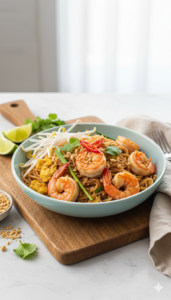



There’s a magic woven into every bite of a perfectly crafted Shrimp Pad Thai-a harmonious dance of flavors that whispers tales from the bustling streets of Thailand to your very plate. This beloved dish, with its delicate balance of tangy tamarind, savory soy, adn the subtle sweetness of palm sugar, elevated by plump, succulent shrimp and a tangle of stir-fried noodles, is more than just a meal-it’s an experience.In this article, we’ll unravel the secrets behind creating that impeccable Shrimp Pad thai, guiding you through essential ingredients, cooking techniques, and flavour tweaks that will transform your kitchen into a vibrant Thai street market. Prepare to savor every step of your culinary journey toward Pad Thai perfection.
Crafting the Ultimate Pad Thai Sauce for Authentic flavor
Savor the secrets of perfect Shrimp Pad Thai delight begin with a sauce that balances the heart of Thai cuisine: tangy, sweet, and savorily complex. Crafting this sauce from scratch invites you to embrace conventional ingredients like tamarind paste, palm sugar, and fish sauce-each imparting an unmistakable depth and authenticity. The tang of tamarind lends that signature sourness, while palm sugar rounds it out with caramelized sweetness. Fish sauce layers in umami, harmonizing all components into a symphony of flavor.
Start by whisking together 3 tablespoons tamarind paste, 3 tablespoons fish sauce, 2 tablespoons palm sugar, and a splash of fresh lime juice. This balance must be precise: too sweet and your dish loses its punch; too sour and it overwhelms. Taste as you go, adjusting each element until the sauce sings with harmony. This homemade blend breathes life into your shrimp Pad Thai, making every forkful resonate with authenticity.
Selecting and Preparing Shrimp for maximum Tenderness
Choosing the right shrimp is paramount for the perfect Shrimp Pad Thai experience. Opt for fresh, medium-sized shrimp (16-20 count per pound), peeled and deveined but with tails on to preserve juiciness during cooking. The secret to tenderness lies in gentle preparation: marinate briefly in a mixture of fresh lime juice and a pinch of kosher salt for about 10 minutes before cooking. This brightens the flavor and conditions the shrimp for a succulent texture.
When ready to cook, pat shrimp dry to ensure thay sear beautifully without steaming. This careful handling preserves their plumpness, preventing rubberiness and creating the perfect bite-size burst of the sea in each forkful.
Mastering the Stir-Fry Technique to Achieve Ideal Texture
Stir-frying shrimp Pad Thai is a rapid dance of heat and rhythm. Use a wok or large skillet preheated on high-hot enough that water droplets sizzle instantly. Start by cooking your shrimp in a single layer to develop a light sear,about 1-2 minutes per side,turning once. Overcrowding stalls cooking and invites mushiness, so patience is key.
After shrimp caramelize, remove and set aside briefly before stir-frying aromatics like garlic and shallots until fragrant. Then add soaked rice noodles, tossing briskly to heat through without breaking. return shrimp and pour in your vibrant Pad Thai sauce, stirring rapidly to coat every strand with glossy, flavorful caramel. Finish with crushed peanuts and fresh bean sprouts for juxtaposed crunch and freshness.
Balancing Ingredients for a Perfect Harmony of Sweet, Sour, and savory
The magic of Shrimp Pad Thai lies in achieving equilibrium-one bite should reveal layers of sweet palm sugar, tart tamarind, and salty fish sauce. To achieve this, continually taste and tweak your sauce and final dish as you build it. Add acidity with lime wedges on the side, and introduce heat if you prefer with a dash of Thai chili flakes.
Fresh herbs like cilantro and green onions bring brightness and texture contrasts, while crushed peanuts add a nutty richness. Each element plays a intentional role, designed to take your senses on a journey through traditional Thai street food magic-right from your kitchen.
Prep and Cook Time
- Prep Time: 20 minutes
- Cook Time: 15 minutes
- Total Time: 35 minutes
Yield
Serves 4 generous portions
Difficulty Level
Medium – perfect for home cooks ready to master authentic Thai flavors
ingredients
- 8 oz medium shrimp, peeled and deveined, tails on
- 6 oz dried rice noodles, soak per package instructions
- 3 tbsp tamarind paste
- 3 tbsp fish sauce
- 2 tbsp palm sugar
- 2 tbsp fresh lime juice
- 3 cloves garlic, minced
- 2 shallots, thinly sliced
- 2 eggs, lightly beaten
- 1 cup bean sprouts
- 1/4 cup crushed roasted peanuts
- 2 green onions, sliced
- 1/4 cup fresh cilantro, chopped
- 2 tbsp vegetable oil
- 1/2 tsp kosher salt
- Optional: chili flakes, lime wedges
Instructions
- Soak the rice noodles in warm water for 20 minutes or until pliable, then drain and set aside.
- Prepare the Pad Thai sauce: Combine tamarind paste, fish sauce, palm sugar, and lime juice in a small bowl. Whisk until sugar dissolves.
- Marinate the shrimp: Toss shrimp with lime juice and kosher salt. Let rest for 10 minutes, then pat dry.
- Heat 1 tablespoon vegetable oil in a wok or heavy skillet over high heat. Add shrimp in a single layer and cook 1-2 minutes per side until pink and just cooked through. remove shrimp and set aside.
- Add remaining oil to the wok, then sauté garlic and shallots for 30 seconds until fragrant.
- Push aromatics aside and pour in the beaten eggs. Scramble gently until just set.
- Add drained noodles and pour the prepared sauce over. Toss vigorously with tongs or chopsticks to coat and warm through, about 2-3 minutes. Avoid stirring too harshly to prevent noodles from breaking apart.
- Return shrimp to the wok and toss briefly to combine.
- Remove from heat and fold in bean sprouts, green onions, and cilantro.
- Serve immediately, garnished with crushed peanuts, extra lime wedges, and chili flakes if desired.
Tips for Success
- use fresh tamarind paste: It’s key to that authentic tangy flavor. Avoid bottled tamarind concentrate, which can be too sour or artificial.
- Dry shrimp thoroughly before cooking to get a nice sear and avoid steaming.
- keep wok temperature high: This ensures fast cooking, preserving texture and vibrant flavors.
- Soak noodles properly: Over-soaking causes mushy noodles; under-soaking leaves them stiff and unpleasant.
- Make sauce ahead: Prepare up to a day in advance to deepen flavors and speed up assembly.
Serving Suggestions
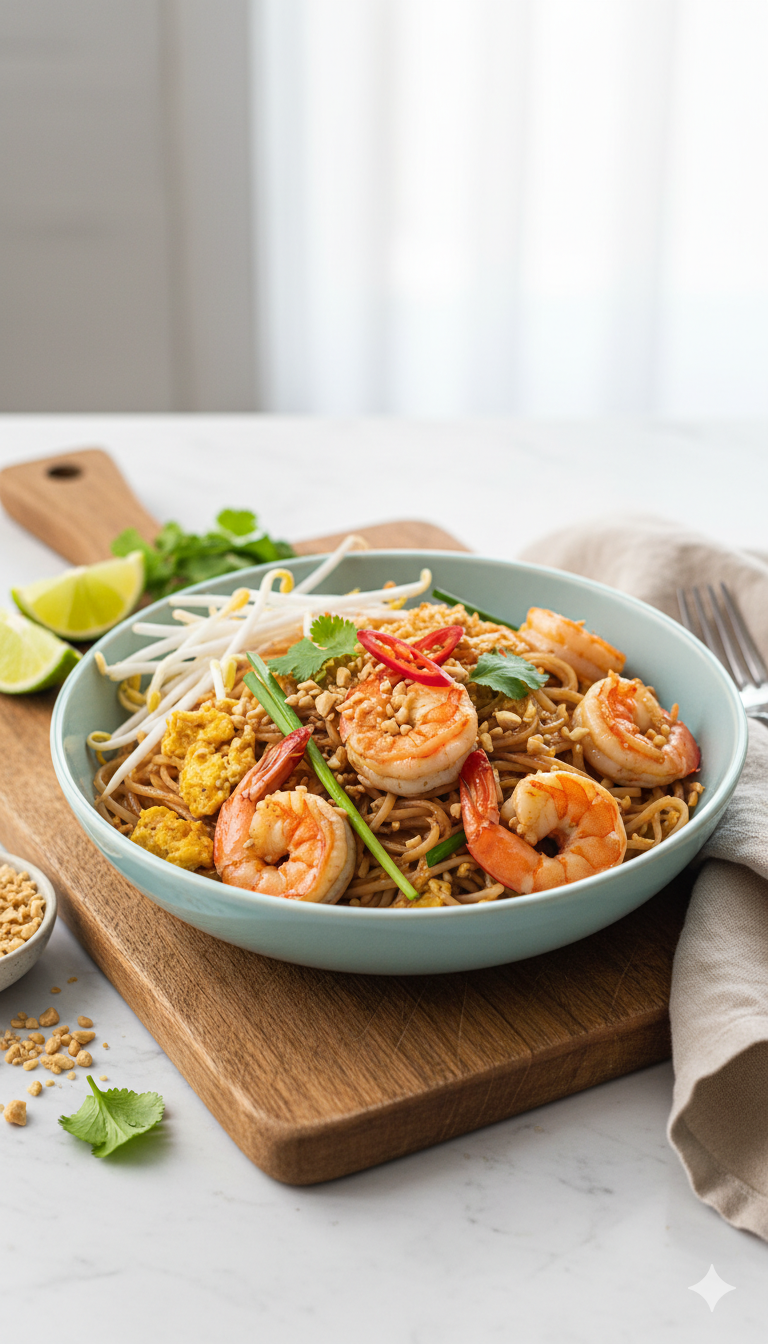
Present your Shrimp Pad Thai on a large platter with a wedge of fresh lime on the side for that final burst of acidity. Garnish generously with crunchy roasted peanuts, chopped cilantro, and vibrant green onions for color and texture contrast. A small bowl of crushed chili flakes offers guests the option to spice up their dish. Pair with a crisp cucumber salad or a light jasmine rice to complete your Thai feast.
| nutrient | Per Serving |
|---|---|
| Calories | 420 kcal |
| Protein | 30 g |
| Carbohydrates | 45 g |
| Fat | 12 g |
Learn more about crafting Pad Thai sauce from Serious Eats.
For a deeper dive into easy shrimp noodle recipes on our site,explore our curated collection and elevate your weeknight dinners with bold,flavorful dishes!

Q&A
Q&A: Savor the Secrets of Perfect Shrimp Pad Thai Delight
Q1: What makes Shrimp Pad Thai so irresistible?
A1: Shrimp Pad Thai is a harmonious symphony of flavors-tangy tamarind, sweet palm sugar, salty fish sauce, and a hint of heat, all dancing with tender shrimp and chewy rice noodles. The balance of sweet, sour, salty, and spicy notes creates a dish that’s both comforting and exciting to the palate.Q2: How do you choose the best shrimp for Pad Thai?
A2: Freshness is key! Opt for medium-sized shrimp with a firm texture and a shining, translucent color. Peeled and deveined shrimp save prep time, but if you prefer cooking with shells on for extra flavor, just be sure to clean them thoroughly.Q3: Can I make Pad Thai noodles from scratch?
A3: While traditional Pad Thai uses thin rice noodles that are easy to find in stores, making fresh rice noodles at home is an artful challenge. For convenience and authenticity,soak dried rice noodles in warm water until pliable-this step ensures the perfect chewy texture when stir-fried.
Q4: What’s the secret to that perfect Pad Thai sauce?
A4: The secret lies in the tamarind paste-a tart and earthy component that sets Pad thai apart. Combine tamarind with palm sugar, fish sauce, and a splash of fresh lime juice to create a vibrant sauce that sings with flavor. Adjust sweetness or tang based on personal taste,but keep the balance intact.
Q5: how do you achieve the ideal texture in Pad Thai?
A5: Timing is everything. Stir-fry the shrimp just until pink and tender. Soak noodles to just-soft, then toss them quickly in the hot wok to absorb the sauce without becoming mushy. Adding crushed peanuts at the end adds a satisfying crunch, complementing the silky noodles.
Q6: What traditional garnishes elevate Shrimp Pad Thai?
A6: Classic garnishes include crushed roasted peanuts, fresh bean sprouts, lime wedges, and aromatic chopped cilantro. Sometimes a sprinkle of chili flakes or a few sprigs of green onion add that final pop of color and fiery brightness.
Q7: How can I make Shrimp Pad thai healthier without losing flavor?
A7: Swap out refined oils for heart-healthy options like avocado or grapeseed oil, and add extra vegetables such as julienned carrots, snap peas, or bell peppers for crunch and nutrients. Using less sugar and more lime juice strengthens the fresh, zesty vibe without sacrificing the dish’s signature taste.
Q8: Is it possible to prepare Shrimp Pad Thai ahead of time?
A8: While Pad Thai is best enjoyed fresh, you can prep components like sauce, peeled shrimp, and chopped garnishes in advance. Cook noodles just before serving and toss everything together quickly in a hot pan to revive the lively flavors and textures.
Q9: What common mistakes should I avoid when making Shrimp Pad Thai at home?
A9: Overcooking shrimp until rubbery, soaking noodles too long so they become mushy, or tossing all ingredients too early can dull the vibrant flavors. Also, skipping that critical balance in the sauce can leave the dish tasting flat or overpowering.
Q10: How can one customize Shrimp Pad Thai to suit personal tastes?
A10: Don’t be afraid to tweak the sauce’s sweet, sour, salty, and spicy elements to match your palate. Add a hint of garlic or a splash of soy sauce for a twist. For extra texture, experiment with crushed roasted cashews or swap bean sprouts for fresh shredded cabbage. The beauty of Pad Thai lies in its adaptability!
To Conclude
As the enticing aroma of shrimp Pad Thai lingers in your kitchen, you’ve unlocked more than just a recipe-you’ve uncovered a vibrant tapestry of flavors and techniques that elevate this beloved dish to unforgettable heights. Whether you’re a seasoned cook or a curious foodie, mastering the balance of tangy tamarind, fiery chili, and succulent shrimp transforms a simple meal into a celebration of Thai culinary artistry. So next time you crave a bite of Thailand’s street food magic, remember these secrets and let your palate embark on a flavorful adventure. Happy cooking, and may every forkful of your Pad Thai be a perfect delight!