
In the vibrant world of culinary traditions, few delights fuse tangy zest with satisfying crunch quite like pickled daikon. Revered across Asia and increasingly celebrated worldwide, this humble radish transforms through the alchemy of pickling into a symphony of flavors and textures that dance on the palate. Welcome to “Crunchy Zest: Exploring the Art of Pickled Daikon Delights,” where we dive into the history,techniques,and cultural meaning behind this iconic delicacy.Whether you’re a seasoned foodie or a curious beginner, join us as we unravel the secrets that turn simple white roots into exhilarating bursts of tangy goodness.
Origins and Cultural Significance of Pickled Daikon
Crunchy zest is more than just an enticing flavor profile; it embodies centuries of culinary tradition rooted deeply in East Asian cultures. Pickled daikon, known as takuan in Japan and danmuji in Korea, dates back to ancient times where preservation techniques turned humble radishes into vibrant, tangy accompaniments. Originally devised as a method to extend the shelf life of fresh daikon during long winters, pickling developed into a celebrated art form representing balance and harmony in meals. These bright slices have symbolized hospitality and comfort, bridging seasons and regions with their crisp texture and refreshing bite.
my personal journey with pickled daikon began during a visit to a bustling Tokyo market, where the aroma of sweet-sour pickles mingled with street food aromas. That moment sparked my fascination with the delicate interplay of crunch and acidity-an experience I aim to share with every reader through this detailed exploration.
Prep and Cook Time
- Preparation Time: 15 minutes
- Pickling Time: minimum 24 hours (best after 3 days)
Yield
Approximately 4 cups of pickled daikon (serves 6 as a side or garnish)
Difficulty Level
Easy to Medium – Perfect for beginners with some patience for the pickling process
Ingredients
- 1 large daikon radish (about 1.5 pounds), peeled and cut into ¼-inch thick rounds or sticks
- 1 cup rice vinegar
- 1 cup water
- ½ cup granulated sugar
- 1 tablespoon kosher salt
- 1 teaspoon turmeric powder (for vibrant yellow color)
- 2 cloves garlic, thinly sliced (optional)
- 1 small dried chili pepper (optional, for a mild kick)
- 1 teaspoon mustard seeds (optional, adds subtle warmth)
Instructions
- Prepare the daikon: Peel and slice the daikon into your preferred shape – rounds offer a nice bite, while sticks provide a satisfying crunch. Lay the pieces on a clean towel and sprinkle evenly with salt, gently massaging to help draw out moisture. Let sit for 30 minutes, then rinse under cold water and pat dry thoroughly. This step is crucial for achieving that signature crunchy zest.
- Make the pickling brine: In a small saucepan, combine rice vinegar, water, sugar, turmeric, and garlic. Heat over medium heat, stirring until sugar dissolves completely. Remove from heat and allow to cool to room temperature before proceeding.
- Pack the daikon: Place the prepared daikon slices into a clean glass jar or airtight container. Add the dried chili and mustard seeds, if using, distributing evenly.
- Pour the cooled brine over the daikon, ensuring all pieces are submerged to prevent spoilage. Seal the jar tightly and refrigerate.
- Wait and taste: Allow the pickled daikon to rest for at least 24 hours. The flavors will mature beautifully after 3 days, developing a perfect balance between sweet, tangy, and mildly spicy notes.
Tips for Achieving the Perfect Crunch
Using firm, fresh daikon is key – avoid those with soft spots or blemishes. The initial salting step draws out excess moisture, which helps maintain crispness during pickling. And don’t rush the chilling time; patience will reward you with that ideal crunchy zest everyone loves.
Flavor Variations to Elevate Your Pickled Daikon Experience
Experimenting with your pickled daikon is a delightful way to customize this classic. For an Asian-inspired twist, try adding ginger slices and a splash of raw honey to the brine for a gentle floral sweetness. For a punch of herbal freshness,toss in a few sprigs of fresh cilantro or shiso leaves before sealing the jar.
If you prefer more depth, substitute white sugar with palm sugar or add a splash of soy sauce (gluten-free tamari works beautifully) to deepen umami notes. These thoughtful alterations bring vibrant new dimensions while retaining that signature crunchy zest.
Creative Serving Suggestions and Pairing Ideas for Pickled Daikon
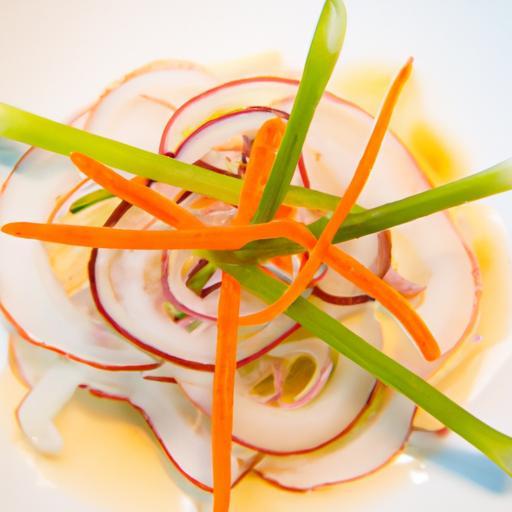
pickled daikon’s crunchy zest complements a wide spectrum of dishes. Serve it alongside steamed buns, grilled tofu, or crispy chickpea patties to add refreshing acidity and texture contrast. It shines beautifully as a garnish for warm bowls of ramen or soba noodles, lifting the broth’s savoriness.
Wrap strips of pickled daikon in rice paper rolls with fresh herbs and veggies for a vibrant appetizer. Or, chop it finely and mix into crunchy slaws with cabbage and carrot for a lively summer salad.
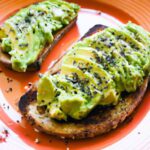
for an elegant touch, place a few slices atop avocado toast, drizzling lightly with sesame oil and sprinkling toasted black sesame seeds. The balance of creamy, tangy, and crunchy creates a delightful mouthfeel that’s sure to impress.

| Nutrient | Per serving (½ cup) |
|---|---|
| Calories | 40 |
| Protein | 0.8g |
| carbohydrates | 10g |
| Fat | 0g |
Chef’s Notes: Tips for Success
- Make-ahead: Pickled daikon develops flavor over time; it tastes best after 2-3 days and keeps up to 2 weeks refrigerated.
- Adjust sweetness and acidity: if you prefer tangier pickles, increase vinegar by 1-2 tablespoons; for milder, reduce sugar slightly.
- Crunch retention: Avoid using metal containers for pickling to preserve color and texture. Glass or food-grade plastic jars work best.
- Storage tip: Always keep pickled daikon submerged in brine to prevent spoilage and maintain fresh crunch.
- Texture choice: For a firmer bite, soak daikon in ice water for 1 hour before salting.
For more ideas on balanced pickling and fermentation, check out our Ultimate Guide to Fermented Vegetables.
Q&A
Q&A: Crunchy Zest - Exploring the Art of Pickled Daikon Delights
Q1: What makes pickled daikon such a popular ingredient in global cuisine?
A1: Pickled daikon is beloved for its unique blend of crunchy texture and tangy zest. Its crisp bite refreshes the palate, while the pickling process imbues it with a harmonious balance of sweet, sour, and salty notes. this versatility allows it to complement a wide range of dishes, from vibrant Asian salads to hearty sandwiches, making it a global favorite.
Q2: How does the pickling process transform fresh daikon radish?
A2: Fresh daikon is naturally mild with a subtle sweetness and peppery undertone. When pickled, the root absorbs the brine-a mixture often composed of vinegar, sugar, salt, and spices-resulting in a lively burst of flavor.The fermentation or quick-pickling softens the daikon just enough while preserving its satisfying crunch, turning a simple vegetable into a tangy, vibrant delight.
Q3: What are some essential ingredients for crafting classic pickled daikon?
A3: The foundation includes crisp daikon root, rice vinegar (or another mild vinegar), sugar, and salt. Additional flavor enhancers might be ginger slices, chili flakes, or aromatic spices like star anise and cloves.Each ingredient plays a vital role: vinegar adds acidity, sugar balances tartness, salt enhances flavor, while spices inject layers of complexity.
Q4: Can you describe a basic method for making crunchy pickled daikon at home?
A4: Absolutely! Start by peeling and slicing daikon into sticks or rounds. Prepare a warm brine with vinegar, water, sugar, and salt until dissolved. Pour the brine over the daikon slices in a sterilized jar,add optional flavorings like garlic or chili,then seal and refrigerate.For a crisp texture, quick-pickling over 24 to 48 hours is ideal, though longer fermentation produces deeper tang.
Q5: What culinary roles does pickled daikon serve beyond just a side dish?
A5: Pickled daikon shines as a multifaceted ingredient. It can brighten up rice bowls, lend crunch to fresh spring rolls, or act as a palate cleanser between bites. Its acidity cuts through rich, oily flavors in vegetarian curries or tempura, and it even adds unexpected zest to grain salads or veggie burgers, demonstrating its versatility well beyond a simple accompaniment.
Q6: Are there regional variations of pickled daikon worth exploring?
A6: Indeed! In Japan, “takuan” is a famous sun-dried and fermented daikon pickle with a mellow, slightly sweet flavor. Korean cuisine offers “danmuji,” often bright yellow and mildly sweet-sour, commonly used in kimbap rolls. Vietnamese cuisine features crisp, balanced pickled daikon and carrot combos known as “do chua,” celebrated for their refreshing snap and vibrant tang. Each variation reflects cultural nuances and diverse flavor preferences.
Q7: How can one creatively incorporate pickled daikon into vegetarian or vegan dishes?
A7: Pickled daikon adds a flavor punch and crunch that elevate plant-based meals. Toss it into crunchy slaws with cabbage and carrots, layer it in banh mi-style sandwiches using tofu or grilled vegetables, or sprinkle chopped pickled daikon over noodle bowls for acidity balance. Its natural zest invigorates earthy lentil stews or mixed grain dishes, proving it’s a superb companion for vibrant vegetarian fare.
Q8: What tips can enhance the pickle’s crispness and flavor?
A8: To maintain crunch, slice daikon evenly and avoid prolonged fermentation unless a softer texture is preferred. Using ice water to soak slices beforehand can help retain crispness. Balancing sugar and vinegar properly ensures brightness without overpowering sourness. Lastly, adding fresh aromatics like ginger or chili during pickling introduces exciting dimensions that keep the palate intrigued.
Exploring the world of pickled daikon reveals an art of balancing texture and taste-a crunchy zest that enlivens dishes and celebrates veggie delights. Whether peppery, sweet, or fiery, each jar tells a story of transforming humble root into a vibrant culinary treasure.
Concluding Remarks
As the crisp bite of pickled daikon dances on your palate, it’s clear that this humble root transcends its simplicity, transforming into a vibrant tapestry of flavor and tradition. Whether enjoyed as a tangy snack, a refreshing palate cleanser, or a subtle accent within a dish, pickled daikon invites us to appreciate the delicate balance of sour, sweet, and umami notes crafted through time-honored techniques. Embracing the art of pickling not only preserves the daikon’s crunchy zest but also preserves a slice of cultural heritage-a reminder that the smallest ingredients often carry the richest stories. So next time you savor that bright, tangy crunch, remember you’re partaking in an enduring culinary craft that delights and connects us all.