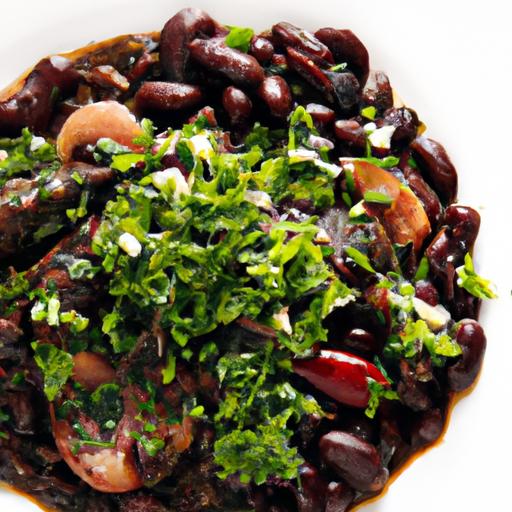




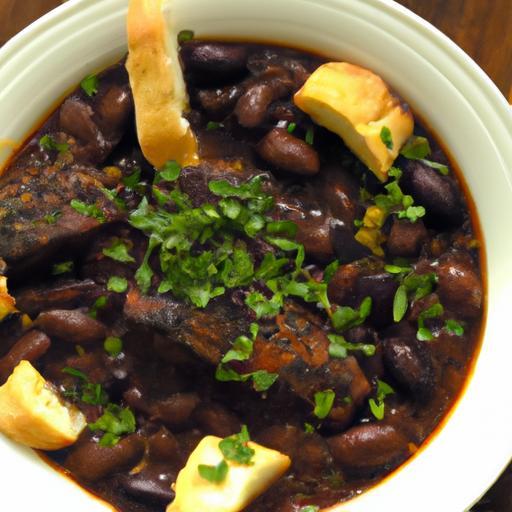
Nestled within the vibrant tapestry of Brazilian cuisine lies a dish as rich in history as it is indeed in flavor-Feijoada. Often described as a comforting embrace on a plate, this hearty black bean stew tells a story of culture, community, and culinary ingenuity. From humble beginnings to becoming Brazil’s beloved national dish, feijoada is much more than a meal; it’s a celebration of tradition simmered to perfection. join us as we unravel the layers of this iconic stew, exploring its origins, ingredients, and the soul it brings to Brazilian tables worldwide.
Feijoada Unveiled introduces you to the heart and soul of Brazilian cuisine-a vibrant black bean stew that transcends generations and regions.This dish carries the echoes of indigenous, African, and Portuguese influences, interwoven into a rich tapestry of flavors that celebrate communal cooking and cultural resilience. As you embark on preparing this iconic stew, you’ll discover how humble ingredients come together with aromatic spices to create a dish both comforting and boldly unique.
Prep and Cook Time
- Preparation: 30 minutes
- Cooking: 3 hours
- Total Time: 3 hours 30 minutes
Yield
Serves 6 generous portions, perfect for family meals or festive gatherings.
Difficulty Level
Medium – While the cooking requires patience to develop deep flavors,the steps are approachable for cooks ready to explore Brazilian tradition.
essential Ingredients
- 2 cups black beans (soaked overnight and drained)
- 1 large yellow onion, finely chopped
- 4 cloves garlic, minced
- 2 medium carrots, sliced
- 2 bay leaves
- 1 tablespoon smoked paprika
- 1 teaspoon ground cumin
- 1 teaspoon dried oregano
- 1 red bell pepper, diced
- 1 tablespoon olive oil
- 6 cups vegetable broth, low sodium
- Salt and black pepper, to taste
- fresh chopped parsley, for garnish
- Orange slices, optional for serving
Instructions
- Prepare the beans: Drain the soaked black beans and place them in a large pot with vegetable broth and bay leaves. Bring to a boil, then reduce to a simmer and cook uncovered for about 1.5 to 2 hours or until beans are tender but intact.
- Sauté vegetables and spices: In a heavy-bottomed skillet, heat olive oil over medium heat. Add onion, garlic, carrot, and red bell pepper. Sauté until softened and fragrant, about 7 minutes.
- Add spices: Stir in smoked paprika, cumin, and oregano. Cook for 1 more minute to release their aroma, stirring constantly to prevent burning.
- Combine and simmer: Transfer the sautéed mixture to the cooked beans. stir well and adjust seasoning with salt and pepper. Simmer uncovered for an additional 45 minutes, allowing flavors to meld and the stew to thicken naturally.
- Final adjustments: Taste and adjust salt and pepper. If the consistency is too thick, add a splash of vegetable broth. Remove bay leaves prior to serving.
- Garnish and serve: Sprinkle fresh parsley atop and offer orange slices on the side for a refreshing citrus contrast that complements the earthiness of the stew.
Tips for Success
- Bean soaking: Soaking beans overnight reduces cooking time and improves digestibility. For a quicker method, use hot water soak for 1 hour.
- Stock choice: Use a rich vegetable broth as the base for a fuller taste; homemade stock adds depth but store-bought works well too.
- Vegetable variations: Feel free to add diced sweet potatoes or chopped kale around step 4 for added texture and nutrition.
- Make ahead: Feijoada improves in flavor when rested for 1 day – refrigerate and reheat gently over low heat.
- Balancing flavors: The orange slices are conventional and help cut through the hearty richness, while fresh herbs brighten the dish.
Serving Suggestions
traditionally, this black bean stew pairs beautifully with white rice and farofa-toasted cassava flour mixed with butter and herbs. Serve alongside sautéed collard greens and a fresh salad to provide vibrant color and texture contrast. For a finishing touch, a dollop of vinaigrette salsa made from diced tomatoes, onions, and vinegar adds a refreshing kick. Garnish each bowl with bright parsley and a wedge of orange for authentic flair.

| Nutrient | Per Serving |
|---|---|
| Calories | 320 kcal |
| protein | 18 g |
| Carbohydrates | 45 g |
| Fat | 6 g |
For a deeper dive into Brazilian culinary traditions and inspiring side dishes,explore our Brazilian Cuisine Guide. To expand your understanding of legumes’ nutritional benefits,visit Harvard T.H.Chan School of Public Health.
Q&A
Q&A: Feijoada Unveiled: Brazil’s Flavorful Black Bean Stew
Q1: What exactly is feijoada?
A1: Feijoada is a hearty and aromatic black bean stew that originates from Brazil. It’s more than just a dish-it’s a celebration of rich flavors blended with tradition and community spirit.This stew combines slow-cooked black beans with a variety of vegetables and spices, resulting in a comforting and deeply flavorful meal.Q2: how did feijoada become such an iconic Brazilian dish?
A2: Feijoada’s roots trace back to Brazil’s colonial era, where diverse cultural influences melded together-indigenous, African, and portuguese. The dish evolved as a practical, nourishing meal that brought people together, particularly during cold or festive seasons. Over time, it became a symbol of communal dining and Brazilian culinary identity.
Q3: What are the main ingredients in a typical feijoada?
A3: The star of feijoada is definitely the black beans. Alongside them, you’ll find a medley of flavorful vegetables like onions, garlic, bell peppers, and tomatoes. Herbs and spices-think bay leaves, cumin, and coriander-infuse the stew with its signature aroma. It’s a warming combination that’s both wholesome and satisfying.
Q4: Without meat, how is the dish still so rich and satisfying?
A4: Feijoada’s depth comes from slow simmering and layering of flavors. The natural umami from black beans, combined with roasted vegetables and aromatic seasonings, creates a stew that feels robust and hearty.Incorporating smoky or earthy plant-based ingredients-such as smoked paprika or mushrooms-can add complexity without overshadowing the beans.
Q5: What traditional side dishes accompany feijoada?
A5: Feijoada is often served with fluffy white rice, which balances the stew’s bold flavors.Additionally, sautéed collard greens provide a slightly bitter contrast, while slices of bright orange help cleanse the palate with a zesty sweetness. Farofa-a toasted cassava flour mixture-is a classic accompaniment, adding a pleasant crunch and nutty undertone.
Q6: How does feijoada reflect Brazilian culture?
A6: Feijoada embodies the warmth, hospitality, and diversity of Brazilian culture. It’s a dish designed to be shared, often enjoyed during weekend gatherings or festivals. Its layers of flavor mirror Brazil’s rich history and the blending of cultures that shape its unique identity.
Q7: Can feijoada be adapted for different dietary preferences?
A7: Absolutely! Feijoada is incredibly versatile. To keep it plant-based or vegetarian, simply focus on maximizing the flavors of the beans and vegetables, perhaps adding hearty mushrooms or smoked spices for depth. For those looking to reduce sodium or fat,adjustments in seasoning and cooking methods can make this already wholesome dish even lighter.
Q8: What makes feijoada a perfect comfort food?
A8: its slow-cooked goodness, warming spices, and creamy black beans combine to create a stew that wraps you in a cozy embrace. Each spoonful offers a balance of textures and flavors that soothe the soul-making feijoada an ideal meal to enjoy on a relaxed afternoon or during cooler evenings.
Q9: How long does it typically take to prepare feijoada?
A9: Patience is part of feijoada’s charm! While the active prep time may be under an hour, the stew benefits from a long, slow simmer of two to three hours. This slow cooking process allows the flavors to meld and intensify, resulting in that signature richness.
Q10: Where can one experience authentic feijoada outside Brazil?
A10: Many Brazilian restaurants around the world feature feijoada on their menus, especially during weekends or special celebrations. Exploring local Brazilian eateries or cultural festivals offers a wonderful chance to taste and appreciate this iconic stew made with love and care. Cooking it at home is also a delightful way to connect with Brazil’s vibrant gastronomy.
To Conclude
As the final notes of feijoada’s rich, smoky aroma linger in the air, it becomes clear that this iconic stew is more than just a dish-it’s a vibrant tapestry of Brazil’s history, culture, and communal spirit. From the humble black beans simmering patiently to the medley of meats and spices that infuse each bite with depth, feijoada invites us not only to taste but to experience a culinary tradition passed down through generations. Whether enjoyed at a lively street festival or a cozy family table,this flavorful stew continues to unite hearts and palates across Brazil and beyond. So next time you crave a meal that tells a story as hearty as its flavors, remember: feijoada is waiting, ready to unveil a savory adventure of its own.