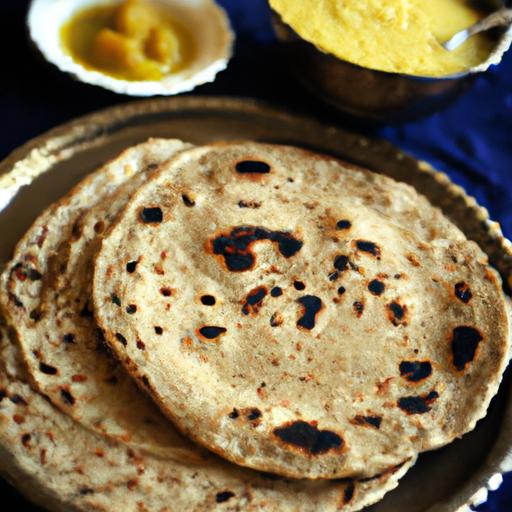


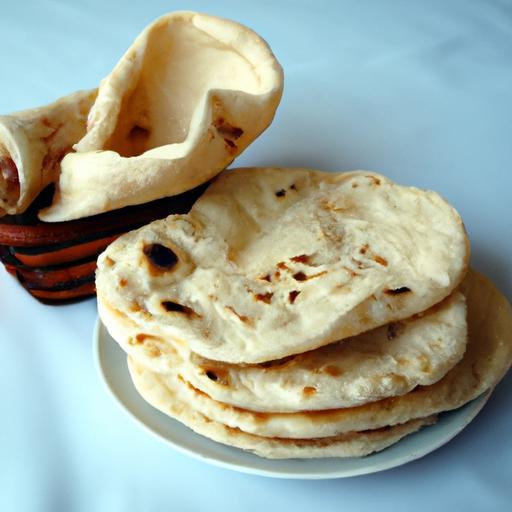
In the vibrant tapestry of Indian cuisine, few staples capture the heart and hearth quite like the humble chapati. This unassuming flatbread, woven from simple ingredients and timeless techniques, has nourished generations across diverse regions, embodying warmth, comfort, and tradition in every bite.”The Art of Chapatis: Wholesome Indian Flatbread Guide” invites you on a sensory journey into the world of this beloved bread-unraveling its rich history, mastering its delicate planning, and celebrating its role as a daily ritual that unites families and flavors alike. Whether a curious novice or a seasoned cook, discover how crafting the perfect chapati is both an art and a soulful expression of India’s culinary heritage.
Choosing the perfect flour is the foundational step in creating chapatis that are irresistibly soft yet packed with wholesome nutrition. The hallmark of a masterpiece Indian flatbread begins with understanding the nuances of flour types, which directly influence the texture and digestibility of your chapatis. Opting for whole wheat flour (atta), traditionally stone-ground, retains the bran and germ, ensuring every bite carries natural fiber and essential nutrients that support a balanced diet.
Prep and Cook Time
- Preparation: 15 minutes
- Resting dough: 30 minutes
- Cooking: 15 minutes
- Total: 1 hour
Yield
Approximately 8 medium-sized chapatis
Difficulty Level
Medium – Practice rewards perfect technique
Ingredients
- 2 cups whole wheat flour (atta), finely milled and sifted
- 1/2 teaspoon salt (optional, enhances flavor)
- 3/4 cup warm water, adjust as needed
- 1 tablespoon oil or ghee (optional, for supple dough)
- Extra flour for dusting
Instructions
- Mix the dry ingredients: in a large bowl, combine the whole wheat flour and salt evenly to distribute the seasoning throughout the dough.
- Add water gradually: Pour in warm water slowly while mixing with your hand or a wooden spoon to form a coarse dough.Warm water helps relax the gluten for a softer chapati.
- Knead thoroughly: Transfer the dough to a clean surface and knead vigorously for 8 to 10 minutes until smooth and elastic. Add a teaspoon of oil if the dough feels dry-it not only softens the dough but also improves pliability.
- Resting phase: Cover the dough with a damp cloth and let it rest for at least 30 minutes. Resting hydrates the flour fully, making the chapati softer and easier to roll.
- Divide and shape: pinch off equal portions and roll each into a smooth ball. Dust lightly with flour to prevent sticking during rolling.
- Master the rolling technique: Place a dough ball on a floured surface and roll it gently with a rolling pin, turning between rolls to maintain a perfect circle. Aim for an even thickness of about 1-2 mm. Avoid pressing to hard to keep the chapati light and tender.
- Preheat the tawa: A cast-iron griddle or traditional tawa heated over medium-high flame is ideal for even heat distribution and signature golden spots.
- Cook the chapati: Place the rolled dough onto the hot tawa. after about 30 seconds,when bubbles start to form,flip it. Cook the other side until pale brown spots appear, 30-45 seconds.
- Achieve the ideal puff: Flip back to the first side and gently press around the edges with a spatula or clean cloth to encourage puffing. A perfectly puffed chapati signals well-developed steam inside, signifying a soft texture.
- Finish with a golden touch: Flip once more to check for uniform golden-brown spots. Remove promptly to avoid overcooking and dryness.
Essential Tips for Cooking Chapatis on a Traditional Tawa
Always use a dry, clean tawa for the best results. Resist the temptation to oil the surface-it can impede proper puffing. Control the flame carefully; too hot and the chapatis scorch,too low and they become hard. The perfect chapati often requires a tawa temperature balanced between medium and medium-high. A seasoned cast-iron tawa retains heat marvelously, producing those iconic mottled bronzed spots that are proof of your culinary skill.
Chef’s Notes
- Flour variations: Experiment by blending atta with spelt or barley flour for unique nutrition and subtle flavor notes.
- Wet dough remedy: If the dough feels sticky, dust hands lightly with flour, but avoid adding too much to keep chapatis soft instead of dense.
- Rolling perfection: rotate your dough ball frequently enough while rolling to keep edges uniform-like tracing a perfect circle.
- Storage and reheating: Store cooked chapatis in an insulated container or wrap with a clean kitchen towel to keep them warm and soft.
- Quick hydration tip: Add a tablespoon of yogurt or milk in the dough for extra softness without compromising the traditional taste.
Serving Suggestions
Serve your chapatis warm, brushed lightly with ghee or melted butter for that indulgent shimmer and subtle richness. Pair them beautifully with lentil-based dals, fragrant vegetable curries, or cooling raitas. Garnish with freshly chopped cilantro or a squeeze of lime for a zingy lift. For an eye-catching presentation, stack chapatis in a colorful woven basket lined with a linen napkin-inviting guests to savor the wholesome charm of this Indian staple.

| Nutrient | Per Chapati (approx.) |
|---|---|
| Calories | 90 kcal |
| Protein | 3 g |
| Carbohydrates | 18 g |
| Fat | 0.5 g |
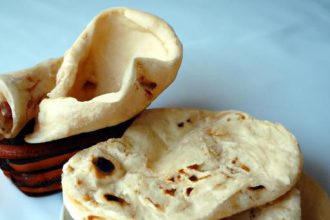
For more insights into traditional Indian breads, explore our article on Naan vs Chapati: Which Bread to Choose. For detailed nutritional data on whole wheat flour, visit the USDA fooddata Central.
Q&A
Q&A: The Art of Chapatis: Wholesome Indian flatbread Guide
Q1: what makes chapatis different from other types of flatbreads?
A1: Chapatis are simple, unleavened Indian flatbreads made primarily from whole wheat flour, water, and a pinch of salt. Unlike some flatbreads that use yeast or baking powder, chapatis rely on technique and the quality of the dough for their soft, pliable texture. Their signature thinness and subtle puffing during cooking set them apart, making them both hearty and light.Q2: Why is whole wheat flour preferred when making chapatis?
A2: Whole wheat flour, or atta as it’s called in India, contains the bran, germ, and endosperm of the wheat grain, offering more fiber, nutrients, and a nuttier flavor than refined flours. This not only enhances the health benefits but gives chapatis their characteristic slightly coarse texture and earthy aroma.
Q3: How can I achieve soft and pliable chapatis at home?
A3: The magic starts with the dough. knead the atta and water mixture until it’s smooth and elastic, then let it rest for at least 20-30 minutes to hydrate the flour thoroughly. When rolling, keep the dough balls evenly round and roll with consistent pressure to maintain an even thickness. Cook on a hot tava (griddle) and flip once you see bubbles form, finishing with gentle puffing over direct heat or by pressing lightly with a cloth.
Q4: What are some common mistakes beginners make when making chapatis?
A4: Beginners often add too much water, resulting in sticky dough that’s hard to roll. Over-flouring the surface while rolling out can make chapatis dry and tough. Cooking at too low a temperature prevents puffing and causes dryness, while overcooking can make them hard. Patience and practice are key-perfect chapatis come with a gentle touch and timing.
Q5: Can chapatis be flavored or infused with other ingredients?
A5: Absolutely! While traditional chapatis are plain, you can experiment by adding finely chopped fresh herbs like coriander or mint, grated ginger, or even a pinch of turmeric or ajwain seeds for subtle flavor variations. Just mix these lightly into the dough before resting, and enjoy a personalized spin on this humble bread.
Q6: How should chapatis be stored if not eaten promptly?
A6: Fresh chapatis are best enjoyed hot or warm-but if you need to store them, wrap cooled chapatis in a clean kitchen towel and place them in an airtight container or a zip-lock bag to retain moisture. to reheat, warm them gently on a tava or pan and cover for a few seconds to soften.
Q7: What dishes pair best with chapatis?
A7: Chapatis are wonderfully versatile and pair beautifully with almost all Indian curries and vegetable dishes-from creamy dal tadka and spiced aloo gobi to tangy chutneys and fresh raita. They’re perfect for scooping, wrapping, or simply enjoying with a drizzle of ghee (clarified butter) for a soul-satisfying meal.
Q8: Is it possible to make chapatis gluten-free?
A8: Traditional chapatis rely on gluten to provide elasticity and softness, making gluten-free versions a bit tricky.However, creative bakers experiment with flours like millet (bajra), sorghum (jowar), or buckwheat (kuttu) blended with binding agents such as flaxseed or psyllium husk. These variations yield nutritious flatbreads with distinct flavors, though they require a different rolling and cooking technique.
Q9: Why is chapati considered a staple in Indian households?
A9: Chapati embodies simplicity, nutrition, and versatility-qualities that resonate deeply in daily Indian meals. Its quick preparation from minimal ingredients, adaptability alongside countless dishes, and wholesome nature make it a comforting, reliable bread that fuels millions with every meal, connecting generations through food and tradition.
Q10: Can chapatis be frozen for longer storage?
A10: Yes, you can freeze chapatis! Stack cooled chapatis between parchment or wax paper to prevent sticking and place them in a freezer-safe bag. When ready to eat, thaw them at room temperature and reheat on a hot tava or skillet. Frozen chapatis make for convenient, homemade flatbread anytime you need a quick meal companion.
This guide opens the door to mastering chapatis, blending the wisdom of authentic techniques with a touch of creative spirit-because every perfect chapati is an edible embrace from India’s heart.
To Wrap It Up
As the final warmth of a freshly rolled chapati lingers on your fingertips, you realize that this humble flatbread is more than just a staple-it’s a testament to centuries of tradition, culture, and culinary artistry. Mastering the art of chapatis is not merely about perfecting technique; it’s about embracing the rhythm of kneading, the patience of resting dough, and the joy of sharing a simple, wholesome meal. Whether served alongside vibrant curries or savored with a pat of ghee, chapatis invite us to partake in a timeless story of nourishment and connection.so, as you roll out your next batch, remember: each chapati carries a legacy of warmth, sustenance, and love-one that continues to unite kitchens and hearts across the world.