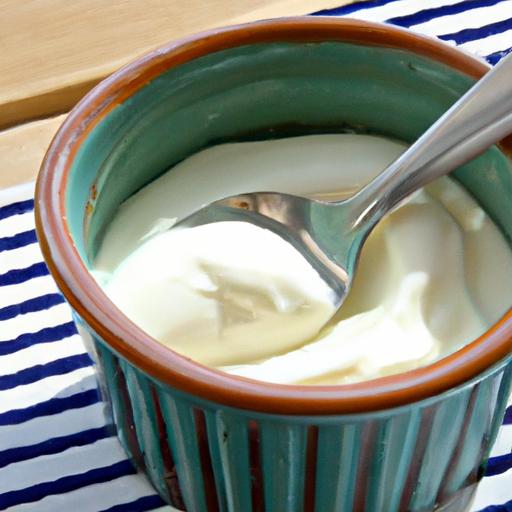




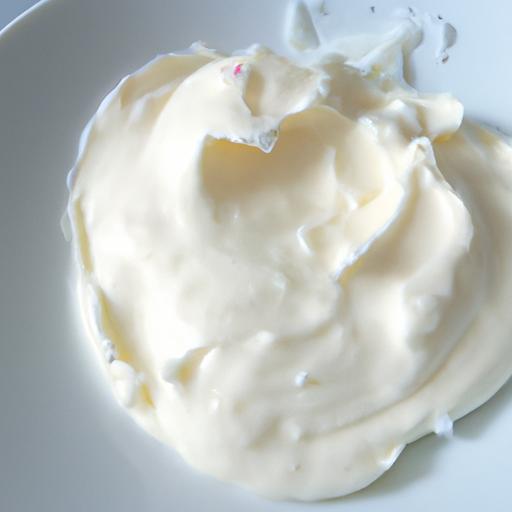
There’s something undeniably satisfying about transforming simple ingredients into a velvety, tangy delight that elevates any dish.Homemade sour cream, with it’s luscious creaminess and bright, refreshing bite, is much more than a mere condiment – it’s a culinary secret waiting to be unlocked.Whether dolloped atop baked potatoes,swirled into rich soups,or folded into decadent desserts,mastering the art of making sour cream at home not only ensures freshness but also lets you tailor its flavor to perfection. In this guide, we’ll dive into the flavorful science behind sour cream’s signature tang and share easy, foolproof methods to craft this creamy staple in your own kitchen. Get ready to embrace the beauty of homemade and add a new layer of flavor complexity to your favorite recipes!
Understanding the Science Behind Sour Cream’s Creamy texture
Creamy and tangy homemade sour cream owes its irresistible texture to a engaging blend of culinary science and time-honored fermentation.The magic lies in the interaction between lactic acid bacteria and the rich fat content of heavy cream, creating that luscious, velvety consistency we all love. When live cultures are introduced to cream, they ferment the lactose sugar, producing lactic acid. This naturally thickens the cream by altering the proteins, especially casein, allowing them to gently coagulate into a smooth, dense cream without becoming curdled. The slow acidification also enhances the tangy flavor while preserving moisture-a perfect balance of flavor and texture that makes sour cream the ultimate creamy companion for countless dishes.
Choosing the Best Ingredients for Rich and Tangy Flavor
Starting with quality ingredients is the cornerstone of achieving perfectly creamy and tangy sour cream. Select fresh, full-fat heavy cream-preferably organic or from a trusted local dairy-to ensure a rich mouthfeel. Avoid ultra-pasteurized cream when possible, as it can inhibit the necessary bacteria from thriving. For the starter culture,plain live cultured buttermilk or a high-quality commercial sour cream with live active cultures provides the essential friendly bacteria to spark fermentation.Patience and premium ingredients promise a beautifully balanced tang, harmonious depth, and irresistibly smooth texture that elevates every bite.
Step by step Guide to Crafting Perfect Homemade Sour Cream
The journey to creamy and tangy homemade sour cream begins right in your kitchen with just a few simple steps. Follow this guide closely to master the art of customary sour cream making.
Prep and Cook time
- prep Time: 5 minutes
- Fermentation Time: 24-36 hours
- Chilling Time: 4 hours or overnight
Yield
Approximately 1 cup of rich homemade sour cream
Difficulty Level
Easy
Ingredients
- 1 cup heavy cream (preferably not ultra-pasteurized)
- 2 tablespoons live cultured buttermilk or plain sour cream with active cultures
Instructions
- Warm the cream: Pour the heavy cream into a clean glass jar. Let it sit at room temperature for 1 hour or until it reaches about 70°F (21°C).This creates the ideal environment for culturing.
- Add the starter: Stir in the 2 tablespoons of live cultured buttermilk or commercial sour cream until fully incorporated. Make sure your starter contains live active cultures.
- Ferment: Cover the jar loosely with a clean cloth or a breathable lid. Leave the mixture at room temperature (about 70°F) for 24 to 36 hours. The sour cream will thicken gradually and develop a tangy aroma.
- Check consistency: Gently stir after 24 hours; if it’s not thick enough, let it ferment longer but do not exceed 36 hours to avoid over-souring.
- Chill: Once the sour cream is thick and tangy, cover it with an airtight lid and refrigerate for at least 4 hours before serving. Chilling enhances thickness and mellows the flavor.
- Serve and enjoy: Your creamy and tangy homemade sour cream is now ready to elevate salads, baked potatoes, dips, and more!
Tips and Tricks to Store and Enhance Your Sour Cream Creations
Proper storage is essential to maintain the delightful creaminess and tang of your homemade sour cream. Always keep it refrigerated in a sealed container. It typically keeps fresh for up to 2 weeks. Avoid double-dipping to prolong shelf life.
To customize flavor and texture, gently whisk in a pinch of garlic powder, fresh herbs like chives or dill, or a squeeze of fresh lemon juice for extra brightness. For a lighter version, mix your sour cream with Greek yogurt to introduce protein and a creamier texture.
When using your sour cream in hot dishes,add it at the final stage and avoid boiling to prevent curdling. Alternatively,blend it with a little flour or cornstarch to stabilize it during cooking.
Nutritional Facts
| Nutrient | Amount (per 2 tbsp) |
|---|---|
| Calories | 60 |
| protein | 1g |
| Carbohydrates | 1g |
| Fat | 6g |
Serving suggestions
Enjoy your creamy and tangy homemade sour cream as a luscious topper for baked potatoes, tacos, and chili. Use it as a base for fresh dips paired with crunchy vegetable sticks or spread it on sandwiches for extra moisture and flavor. Garnishing with finely chopped fresh herbs or a sprinkle of smoked paprika will add visual appeal and taste contrast.For a decadent breakfast treat, swirl sour cream into warm fruit compotes or drizzle over fluffy pancakes to contrast sweetness with gentle tang.
For inspiration on complementary recipes, check out our Easy Creamy Dips Collection.For in-depth microbiology behind fermentation, visit ScienceDaily’s report on dairy fermentation.

Q&A
Q&A: Creamy and Tangy – Mastering Homemade Sour Cream at Home
Q1: What makes homemade sour cream different from store-bought versions?
A1: Homemade sour cream bursts with freshness and flavor that often surpasses the commercial varieties.Unlike store-bought versions, it’s free from preservatives and unnecessary additives, allowing you to control the tanginess and creaminess to suit your taste perfectly. Plus, crafting it yourself fosters a deeper thankfulness for this versatile dairy delight.
Q2: What are the basic ingredients needed to make sour cream at home?
A2: The beauty of homemade sour cream lies in its simplicity. All you need is heavy cream and a tangy starter culture like live buttermilk or sour cream containing active cultures. The live bacteria in the starter ferment the cream, turning it into that luscious, tangy spread.
Q3: How long does it take to make sour cream at home?
A3: Patience is key! Typically, it takes about 24 to 48 hours for the cream to ferment at room temperature. During this time, beneficial bacteria work their magic, thickening the cream and infusing it with that signature tang.
Q4: What’s the ideal temperature for fermenting sour cream at home?
A4: Keeping your cream at a cozy room temperature, around 70°F to 75°F (21°C to 24°C), provides the perfect environment for bacteria to thrive. Too cold, and fermentation slows; too warm, and you risk souring too quickly or unevenly.
Q5: Can I experiment with different types of cream for varying textures?
A5: Absolutely! While heavy cream yields a rich, velvety sour cream, you can try whipping cream or a mix of heavy cream and half-and-half for lighter textures. Just keep in mind that fattier creams result in creamier sour creams, while lower-fat options produce a tangier, thinner consistency.
Q6: How can I ensure my homemade sour cream stays fresh longer?
A6: Store your sour cream in a clean,airtight container in the refrigerator. It typically lasts up to two weeks, but always trust your senses-if it develops an off smell or mold, it’s time to part ways.
Q7: Can I use homemade sour cream in recipes just like store-bought?
A7: Definitely! From dolloping on baked potatoes to mixing into dips, dressings, or baked goods, homemade sour cream performs beautifully and elevates flavors with its fresh, natural tang.
Q8: What are some common mistakes to avoid when making sour cream at home?
A8: One pitfall is using pasteurized cream without live cultures or a proper starter,which won’t sour correctly. Also, fermenting in a too-cold environment can stall the process, and using unclean utensils can introduce unwanted bacteria. Cleanliness and correct temperature are your trusty allies here.
Q9: Is it possible to make dairy-free sour cream at home with the same tangy kick?
A9: While traditional sour cream requires dairy, inventive plant-based alternatives can mimic the creaminess and tang. Using cashews or coconut cream fermented with probiotic capsules or a splash of lemon juice can deliver a delightful tang,though the texture and flavor profile will differ from classic sour cream.Q10: How do I adjust the tanginess level in homemade sour cream?
A10: The tang increases with fermentation time. For a milder flavor, shorten the fermenting period; for a bolder tang, let it culture a bit longer. Remember to taste along the way to capture your perfect balance of creamy and tangy!
This Q&A aims to guide curious home cooks through the rewarding art of making their own creamy, tangy sour cream-bringing fresh flavor and culinary confidence right to your kitchen!
Key Takeaways
Crafting your own sour cream at home is more than just a culinary experiment-it’s a journey into the heart of flavor and texture that transforms everyday dishes into something extraordinary. With its perfect balance of creamy richness and tangy zest, homemade sour cream elevates everything from baked potatoes to decadent dips. Now that you’ve mastered the basics,feel free to tweak fermentation times and cultures to create a version that’s uniquely yours. So, next time you reach for that iconic dollop, remember: the freshest, creamiest sour cream isn’t found on store shelves-it’s made right in your own kitchen. Happy culturing!