

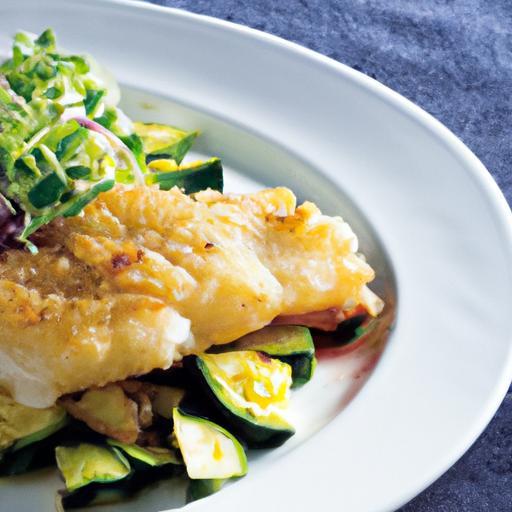
Beneath the surface of bustling markets and vibrant seafood counters lies a hidden gem that has quietly captured the palates of food lovers worldwide: the Basa fish. Often overshadowed by its flashier aquatic relatives, this unassuming white fish holds a treasure trove of flavors and culinary possibilities waiting to be discovered. In “Basa Fish Uncovered: Secrets of the flavorful White Delight,” we dive deep into the origins, characteristics, and irresistible taste that make Basa a versatile star in kitchens everywhere. Join us as we peel back the layers of this delightful fish, revealing why it deserves a prime spot on your next menu.
Basa fish, a culinary gem often overlooked, boasts a delicate yet subtly sweet flavour that beautifully complements a variety of cooking styles. Originating from the fresh waters of Southeast Asia, specifically the Mekong Delta region of Vietnam, this white fish has earned its place as a staple in kitchens worldwide due to its mild taste, flaky texture, and affordability. My first encounter with basa fish was during a serene beachside dinner where its gentle flavor and silky tender flakes immediately captivated my palate – a truly memorable experience that inspired this deep dive into its unique qualities.
The Flavor Profile and Culinary Versatility of Basa Fish
Basa fish delivers a clean, mild profile that’s exquisitely tender with small, moist flakes that easily absorb marinades and spices. Unlike stronger-tasting white fish, basa’s refined taste allows it to shine through both simple grilled preparations and rich, sauce-based dishes alike. Its culinary adaptability makes it a dream ingredient: perfect for steaming with herbs, pan-searing with zesty citrus, or frying into crispy fillets. From Asian-inspired stir-fries to Mediterranean baked dishes, basa fish is the quiet hero of many menus.
Health benefits and Nutritional Value of Basa Fish Uncovered
Beyond taste, basa fish offers a wealth of nutritional goodness. It is naturally low in calories and fat, making it an excellent choice for heart-healthy meals. Rich in high-quality protein and essential omega-3 fatty acids,basa contributes to brain function and inflammation reduction. its modest mercury levels also make it a safer white fish option for regular consumption. Here’s a quick look at the typical nutrition found in a 100-gram serving:
| nutrient | Amount per 100g |
|---|---|
| Calories | 90 kcal |
| Protein | 15 g |
| Carbohydrates | 0 g |
| Fat | 2 g |
| Omega-3 Fatty Acids | 350 mg |
Expert Tips for Selecting and Preparing Basa Fish Perfectly
to ensure you make the most of basa fish, start by selecting fillets that are firm with a fresh, mild scent-avoid any fillets with a strong fishy odor or discoloration. Opt for sustainably farmed basa to support ethical aquaculture practices. When preparing, remember that basa cooks quickly due to its delicate texture, so keep an eye during cooking to maintain its moist tenderness.
- Thawing: Gently thaw frozen basa in the refrigerator overnight rather than microwaving to preserve texture.
- Marinating: use light citrus or herb-based marinades to enhance flavor without overwhelming its subtle taste.
- cooking methods: Pan-sear over medium heat for 3-4 minutes per side,bake with parchment to lock in moisture,or poach in flavorful broths for a silky finish.
- Handling: Use simple seasoning – sea salt, pepper, and fresh herbs are ideal partners that elevate without overshadowing.
Prep and Cook Time
- Readiness: 10 minutes
- cooking: 15 minutes
- Total: 25 minutes
Yield
Serves 4
Difficulty Level
Easy
Ingredients
- 4 basa fish fillets (about 150g each), thawed if frozen
- 2 tablespoons olive oil
- 1 lemon, juiced and zested
- 2 garlic cloves, minced
- 1 teaspoon smoked paprika
- Salt and freshly ground black pepper, to taste
- Fresh parsley, chopped for garnish
- Optional: 1 teaspoon chili flakes for a spicy kick
Instructions
- Prepare the marinade: In a small bowl, whisk together olive oil, lemon juice and zest, minced garlic, smoked paprika, salt, and pepper untill well combined.
- Marinate the fillets: Place basa fish fillets in a shallow dish and pour the marinade over them. Turn to coat evenly. cover and refrigerate for 15 minutes to infuse flavors.
- Heat a non-stick skillet: Warm over medium heat until hot but not smoking.
- Cook the basa fillets: Gently add the fillets skin-side down (if skin-on) or presentation side down. Sauté for about 3-4 minutes until golden and opaque around the edges.
- Flip carefully: Turn the fillets using a thin spatula and cook another 3-4 minutes. Basa cooks quickly; avoid overcooking to keep it tender.
- Plate and garnish: remove fish to plates and sprinkle with freshly chopped parsley and extra lemon zest for brightness.
Chef’s notes
- Variations: Swap smoked paprika for ground cumin and coriander for a warm, earthy flavor profile.
- Make-ahead: Marinate the fillets up to 4 hours ahead and refrigerate, but cook just before serving.
- Substitutions: Can substitute olive oil with avocado oil for a slightly nuttier taste.
- Common issues: If fish sticks to the pan, ensure it’s properly heated and oiled before adding. Pat fillets dry with paper towels before marinating for better searing.
Serving Suggestions
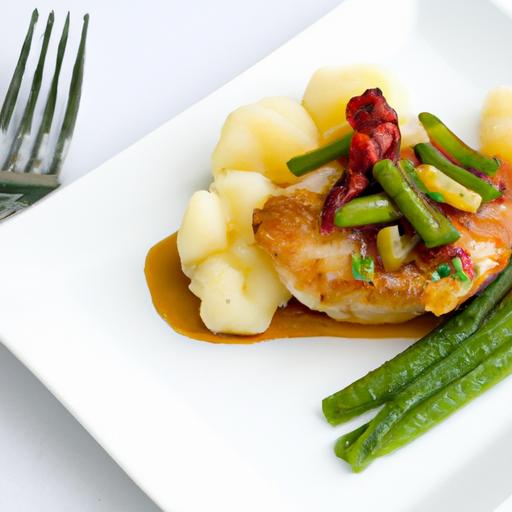
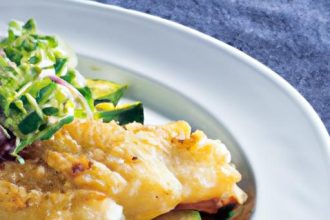
Serve your perfectly cooked basa fish alongside steamed jasmine rice or a bed of garlic sautéed spinach. Drizzle with a homemade lemon herb sauce or a dollop of tangy Greek yogurt for contrast. garnish with fresh herbs like dill or cilantro and a wedge of lemon for an inviting plate that looks as good as it tastes. Pair with roasted baby potatoes or a colorful quinoa salad for a wholesome meal.

for deeper insights into versatile seafood cooking, check out our related article on Tilapia: Easy Cooking Approaches. To explore sustainable seafood choices and recommended practices, visit the Monterey Bay Aquarium Seafood Watch.
Q&A
Q&A: Basa Fish Uncovered: Secrets of the Flavorful White Delight
Q1: What exactly is Basa fish, and where does it come from?
A: Basa is a type of freshwater catfish native to the Mekong and Chao Phraya river basins in Southeast Asia, primarily Vietnam.Known scientifically as Pangasius bocourti, this silvery, smooth-skinned fish has become a global favorite for its mild flavor and tender texture.
Q2: What makes Basa fish stand out compared to other white fish?
A: Basa boasts a delicate but pleasantly sweet flavor, combined with a moist, flaky texture that’s less fishy than many other white fish. Its subtle taste makes it incredibly versatile, taking on spices and marinades beautifully without overpowering the dish.
Q3: How is Basa fish typically harvested and prepared before reaching the market?
A: Basa is primarily farmed in controlled aquaculture environments, ensuring consistent quality and availability. It’s carefully harvested,filleted,and often frozen quickly to lock in freshness. This process preserves its tender flesh,making it easy to cook and enjoy worldwide.
Q4: What are some popular cooking methods that bring out Basa’s best qualities?
A: Basa shines in a variety of cooking styles. Pan-seared with a touch of lemon and herbs brings out its natural sweetness. Baking or steaming retains its moisture, perfect for lighter dishes. It’s also ideal for grilling, where a light char adds a smoky dimension without losing the fish’s softness.
Q5: Is Basa fish nutritious? What health benefits does it offer?
A: Absolutely! Basa is low in fat but high in protein, making it a smart choice for a balanced diet. It contains essential omega-3 fatty acids, which support heart and brain health. Plus, it’s a good source of vitamins like B12 and minerals such as selenium, contributing to overall well-being.
Q6: Are there any culinary cultures or cuisines where Basa is especially popular?
A: Basa has found a beloved spot in many global kitchens, especially southeast Asian and Western cooking. Its neutral flavor fits seamlessly into dishes ranging from Vietnamese stir-fries to classic fish and chips. Its adaptability has made it a go-to fish for both home cooks and professional chefs.
Q7: How can one identify high-quality Basa fish at the market?
A: Fresh Basa fillets should have a pearly white color with a slight gloss and firm, springy flesh. Avoid any fillets with dullness, discoloration, or a strong “fishy” smell. If buying frozen, look for well-packaged products without excessive frost or freezer burn.
Q8: Are there any environmental considerations related to Basa fish farming?
A: Sustainable farming practices are becoming increasingly crucial in Basa production. Reputable farms focus on minimizing environmental impact through responsible feeding,water management,and habitat preservation. Choosing Basa labeled as sustainably farmed supports these efforts.
Q9: Can Basa fish be used in dishes for all age groups and dietary needs?
A: Yes! As Basa is mild, soft, and easy to digest, it’s suitable for children, seniors, and those with sensitive palates. It can fit into many dietary plans, including low-fat and high-protein diets, making it a universally accessible seafood choice.
Q10: What are some creative ways to enjoy Basa beyond customary recipes?
A: Think outside the skillet! Basa can be transformed into flavorful fish tacos with fresh slaw and citrus accents, or blended into fish cakes scented with herbs and spices. It also works great in brothy soups and light curries, where its texture adds body without heaviness.
Unlocking the secrets of Basa fish reveals a flavorful world of possibilities-mild yet vibrant, simple yet refined, this white delight continues to charm palates across the globe.
Final Thoughts
As we peel back the layers of the humble Basa fish,it becomes clear that this flavorful white delight is much more than just a pantry staple. from its delicate, subtly sweet taste to its versatile presence in kitchens around the world, Basa holds a culinary charm that deserves both recognition and appreciation. Weather enjoyed grilled, fried, or simmered in rich sauces, this unassuming fish continues to capture palates with its gentle texture and nourishing qualities. So next time you encounter Basa on a menu or at the market,remember-beneath its simple surface lies a treasure trove of flavor waiting to be uncovered and savored.