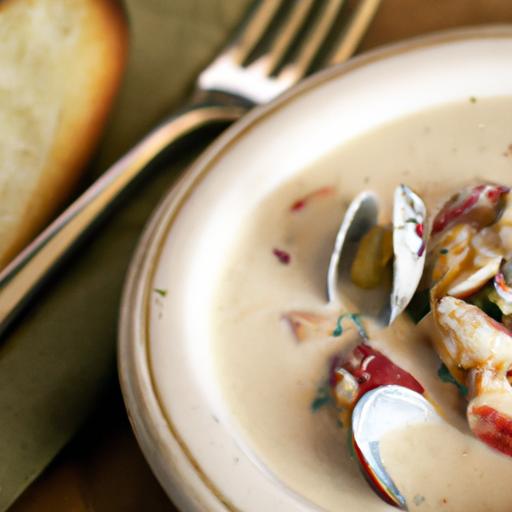




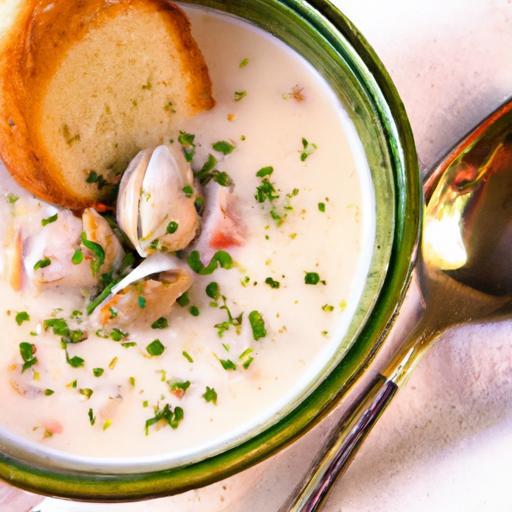
Beneath the tranquil waves along the shores of new England lies a culinary treasure that has quietly warmed the hearts and palates of seafood lovers for generations: Rhode Island Clam Chowder. unlike its cream-laden counterparts, this savory classic tells a story of simplicity and pure ocean essence, capturing the briny sweetness of freshly harvested clams in a clear, flavorful broth. Journey with us as we uncover the rich history, unique ingredients, and regional charm of Rhode Island Clam Chowder-a broth that’s as deep in character as the waters from which it springs.
Rhode Island Clam Chowder is a time-honored seafood classic that captures the essence of New England’s coastal charm with its luminous, clear broth and briny sweetness. Unlike the creamier versions popular elsewhere, this chowder is a celebration of simplicity-highlighting fresh clams, delicate herbs, and crisp vegetables simmered gently to preserve the ocean’s pure taste. As someone who first tasted this traditional recipe on a misty morning in Newport, I recall how every spoonful felt like a direct connection to Rhode Island’s maritime heritage and the generations who perfected this savory staple.
Prep and Cook Time
- Planning: 15 minutes
- Cooking: 40 minutes
- Total Time: 55 minutes
Yield
Serves 6 hearty bowls
difficulty Level
Medium – approachable even for excited home cooks seeking a flavor-packed seafood experiance
Key Ingredients That Define Its Unique Clear Broth
- Fresh littleneck clams (2 pounds): The star ingredient, providing authentic brininess and tender texture.
- Clam juice (2 cups): Adds depth; preferably from steaming the clams or high-quality bottled clam juice.
- Yellow onions (1 cup, finely diced): For gentle sweetness without overpowering.
- Celery stalks (1 cup, diced): Brings a bright, aromatic note essential for balance.
- Potatoes (2 cups, peeled and diced): Russet or Yukon Gold offer creamy body without clouding broth.
- Fresh thyme (2 sprigs): Infuses subtle herbaceous complexity.
- Bay leaf (1 whole): A classic aromatic for layering flavor.
- Garlic (2 cloves, minced): Enhances savory undertones.
- Unsalted butter (3 tablespoons): Adds richness while keeping broth clear.
- Black pepper (freshly ground): For gentle heat.
- Salt to taste
- Fresh parsley (chopped): Bright garnish to finish.
Step-by-Step Guide to Crafting Authentic Rhode Island Clam Chowder
- Clean and cook the clams: Rinse fresh littleneck clams under cold water, scrubbing away grit. Place them in a large pot with 1 cup water, then cover and steam over medium heat for 5-7 minutes until the clams open. Discard any unopened clams.
- Extract clam meat and juice: Remove clams from shells and chop finely. Strain the cooked clam juice through a fine mesh sieve lined with cheesecloth to remove any sand or sediment. Reserve 2 cups for the broth.
- Sauté aromatics: In a heavy-bottom pot,melt unsalted butter over medium heat. Add diced onions, celery, and garlic. Cook until softened and translucent, about 5-6 minutes, stirring often to avoid browning.
- Add potatoes and herbs: Stir in diced potatoes,fresh thyme,and bay leaf. Cook for 2 minutes, allowing the potatoes to soak in the butter’s flavor.
- Simmer with clam juice and water: Pour in the 2 cups reserved clam juice plus 3 cups fresh water. Bring to a gentle simmer, then cover and cook for 20-25 minutes, or until potatoes are tender but not falling apart.
- Combine clams and season: Add the chopped clam meat to the pot.Season with freshly ground black pepper and salt to taste. Simmer for an additional 5 minutes to marry flavors and gently warm the clams without toughening them.
- Finish and garnish: remove the bay leaf and thyme sprigs. Sprinkle chopped fresh parsley before serving to add brightness and color contrast.
Expert Tips for Serving and Pairing with local Favorites
- Serve this Rhode Island Clam Chowder steaming hot in rustic bowls to complement its coastal roots.
- Pair with crusty sourdough or locally baked rye bread, perfect for dipping into the clear broth.
- A crisp green salad dressed with lemon vinaigrette offers a refreshing side that balances the chowder’s richness.
- For drinks, crisp New England hard cider or a cold local lager brightens the palate without overpowering the clam’s delicate sweetness.
- Finish with a simple garnish of freshly cracked black pepper and a wedge of lemon served on the side for those who love a citrus zing.
Chef’s Notes: Tips for Success
- Freshness is key: Always use fresh littleneck clams if possible-frozen or canned alternatives diminish the authentic flavor dramatically.
- Maintain clarity: Avoid stirring vigorously once boiling the broth to keep it clear and visually appealing.
- potato choice: Use waxy potatoes to prevent the broth from becoming starchy or cloudy.
- Make-ahead tip: Prepare the broth base a day ahead and add fresh clams just before serving for ultimate flavor and texture.
- Clam juice alternative: if unavailable,supplement with unsalted seafood stock-but avoid salted broths to control seasoning accurately.
| Nutrition (Per Serving) | Amount |
|---|---|
| Calories | 180 kcal |
| Protein | 15 g |
| Carbohydrates | 18 g |
| Fat | 6 g |

For those eager to explore New england’s culinary wonders further, check out our New england Seafood Recipes collection. To deepen your understanding on clam sustainability and harvesting practices, visit the NOAA Fisheries website.
Q&A
Q&A: Rhode Island Clam Chowder – A Savory Seafood Classic Uncovered
Q1: What makes Rhode Island Clam Chowder unique compared to other regional clam chowders?
A1: Rhode Island Clam Chowder stands apart because of its clear broth base,which highlights the natural briny sweetness of fresh clams without the creaminess of New England chowder or the tomato base of Manhattan chowder. This minimalist yet flavorful approach lets the clams shine alongside simple, aromatic seasonings, making it a pure celebration of ocean freshness.Q2: What are the key ingredients in authentic Rhode Island Clam Chowder?
A2: The hallmark ingredients include fresh littleneck or quahog clams, clam juice, chopped onions, potatoes, celery, and occasionally a splash of seaworthy herbs like thyme or bay leaves. The broth remains clear and light, usually enhanced by a touch of butter or olive oil for richness while avoiding any creamy or tomato-based elements.
Q3: How is Rhode Island Clam Chowder traditionally prepared?
A3: Traditionally, the clams are steamed to release their juices, creating a natural clam broth. Onions, celery, and potatoes are gently simmered in this broth until tender. The clams are added near the end to prevent overcooking, preserving their tender texture. the final seasoning stays simple, focusing on salt, pepper, and sometimes fresh parsley, delivering a clean, savory seafood experience.
Q4: Can Rhode Island Clam Chowder be adapted for modern or creative takes?
A4: Absolutely! While the classic recipe emphasizes simplicity, creative chefs frequently enough enhance the chowder by incorporating local herbs, a hint of citrus zest, or a touch of smoked paprika for a subtle smoky layer. Some might add diced fennel or a splash of coconut milk to gently transform the profile without overpowering the delicate clam flavor.
Q5: Why is Rhode Island Clam Chowder an significant dish in local culinary culture?
A5: This chowder is a culinary gem that honors Rhode Island’s rich maritime heritage. Fishing and clamming have been integral to the state’s economy and traditions for centuries. The clear broth chowder style reflects a practical, resourceful approach to cooking fresh seafood that respects and preserves the integrity of the primary ingredient: the humble clam.
Q6: What is the best way to serve Rhode Island Clam chowder?
A6: Serving it hot in sturdy bowls,accompanied by warm,crusty bread or traditional oyster crackers,is ideal. The simplicity invites diners to savor each spoonful of briny, earthy broth and tender clam bites. It’s perfect as a comforting starter or a light main course on a coastal afternoon.
Q7: Are there any important tips for sourcing clams for this chowder?
A7: Freshness is key. Look for clams that are tightly closed or close when tapped, indicating they’re alive. Littlenecks or small quahogs work best for their tender texture and sweet flavor. Buying from reputable seafood markets or coastal fishmongers helps ensure quality. Properly rinsing and purging the clams before cooking removes any lingering sand and grit.
Q8: How does Rhode Island Clam Chowder reflect the broader New England culinary landscape?
A8: While New England is often associated with creamy chowders, Rhode Island’s clear broth variant showcases the region’s diversity and respect for ingredient-driven cooking. It exemplifies how subtle differences-like a transparent broth versus a creamy one-can create distinct regional identities within a shared culinary tradition focused on the bounty of the sea.
This Q&A reveals the understated elegance and rich heritage of Rhode Island Clam chowder, inviting readers to appreciate this savory seafood classic beyond the bowl.
The Conclusion
From its humble coastal origins to its cherished place on dinner tables far and wide,Rhode Island Clam Chowder stands as a savory testament to the rich maritime heritage of the Ocean State. More than just a soup, it’s a flavorful journey that captures the briny essence of freshly harvested clams, the depth of carefully crafted broth, and the simplicity that makes it uniquely Rhode Island. Whether you’re a seasoned seafood lover or a curious culinary explorer, uncovering the story and taste of this classic chowder invites you to savor a timeless slice of New England tradition-one spoonful at a time.