



Nestled within Japan’s rich tapestry of culinary artistry lies a humble yet enchanting treat that has captured the hearts and palates of sweet lovers for centuries-dango. These chewy, bite-sized rice dumplings, often skewered and glazed with a variety of flavorful coatings, are far more than just a snack; they are a vibrant thread in Japan’s cultural fabric. From festive hanami picnics under blossoming cherry trees to cozy moments shared over warm tea,dango delights offer a delicious window into tradition,seasonality,and the simple joys of Japanese life.Join us as we explore the origins, varieties, and cultural meaning of these charming sweets, uncovering the stories behind each delectable bite.
Origins and Cultural Significance of Dango in Japanese festivals
Dango Delights have long held a treasured place in Japan’s culinary and cultural landscape, symbolizing harmony, seasonal change, and joyous gatherings. These delightful bite-sized rice dumplings appear as staples during conventional festivals like Hanami (cherry blossom viewing) and Tsukimi (moon viewing), were their round shape embodies unity and the cyclical nature of life. Historically, dango was enjoyed by samurai and commoners alike, evolving through centuries into myriad regional varieties that celebrate Japan’s rich heritage and local flavors.
Visiting the lively matsuri (festivals) across Japan unveils how deeply dango delights are woven into the fabric of festivity – from sticky sweet sauces to vibrant pastel hues, each skewer tells a story. Their portability and comforting texture make dango perfect festival fare, and their symbolism resonates in every carefully crafted bite.
Exploring Regional Varieties and Unique Flavor Profiles
from the subtly sweet Shiruko Dango in Hokkaido to the savory Anko Dango topped with red bean paste in Kansai,dango delights showcase remarkable regional creativity. Eastern Japan favors the classic three-color “Hanami Dango” blending pink, white, and green dumplings, each hue symbolizing cherry blossoms, purity, and new leaves respectively.
To the south, the island of Shikoku offers matcha-infused dango paired with roasted soybean flour, while Kyushu’s versions frequently enough feature chestnut or sweet potato flavorings, capitalizing on local produce. Distinct cooking methods-from steaming to grilling-further shape the texture,whether chewy and tender or slightly crisp and caramelized.
Step by step Guide to Making Classic Mitarashi Dango at Home
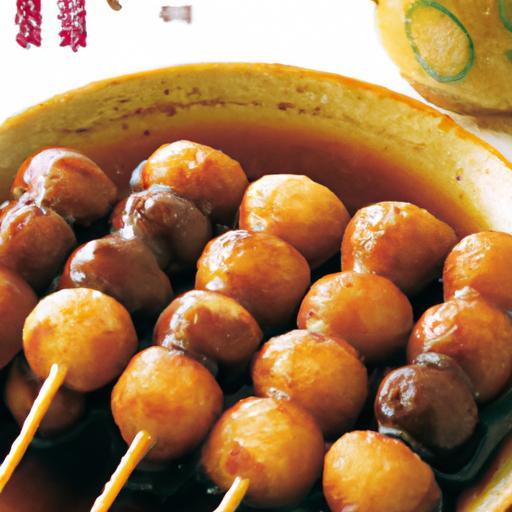
Embrace the warm, sweet-soy charm of mitarashi dango, one of the beloved variations of dango delights. Its glossy, amber sauce perfectly balances sweetness with a hint of saltiness, making it irresistible whether enjoyed at a bustling festival or the comfort of home. Here’s a detailed, nurturing guide that brings this traditional treat to your kitchen with ease and authenticity.
Prep and Cook Time
- Readiness: 20 minutes
- Cooking: 15 minutes
- Total Time: 35 minutes
Yield
Serves 4 (serving 6 skewers)
Difficulty Level
Easy – Perfect for beginners eager to explore dango delights
Ingredients
- 1 cup shiratamako (glutinous rice flour)
- 1/2 cup warm water (adjust as needed)
- 6 tablespoons soy sauce (preferably low sodium)
- 4 tablespoons granulated sugar
- 2 tablespoons mirin (sweet rice wine alternative without alcohol if preferred)
- 1 tablespoon cornstarch (for thickening)
- Cold water (for cooling cooked dango)
Instructions
- Make the dough: In a bowl, gradually add warm water to shiratamako, stirring gently until the mixture comes together into a smooth, pliable dough. If it’s too sticky, add a little more flour; if too dry, add a splash more water.
- Shape the dango balls: Divide the dough into 24 equal portions and roll each into a smooth, round ball about 1 inch in diameter. Keep them covered with a damp cloth to prevent drying.
- Cook the dango: Bring a large pot of water to a boil.Gently drop the balls into the boiling water. Cook until they float to the surface, then cook an additional 2 minutes for a chewy texture. Using a slotted spoon, transfer the cooked balls to a bowl of cold water to firm up.
- Prepare the mitarashi sauce: In a small saucepan, combine soy sauce, sugar, and mirin. Stir over medium heat until sugar dissolves.
- Thicken the sauce: Mix the cornstarch with a tablespoon of cold water to make a slurry. Slowly whisk this into the simmering sauce. Continue cooking and stirring until the sauce thickens to a shiny glaze that coats the back of a spoon.
- Assemble the skewers: Thread four dango balls onto each bamboo skewer. Lightly toast over a grill or stovetop pan for 1-2 minutes on each side until faintly golden and slightly charred, enhancing the flavor.
- Glaze and serve: Generously brush or drizzle the warm mitarashi sauce over the skewered dango. Serve immediately and enjoy the perfect harmony of springy texture and savory-sweet glaze.
Tips for Success
- For an authentic texture, use shiratamako instead of regular rice flour; it gives the ideal chewiness unique to dango delights.
- If you don’t have bamboo skewers, clean wooden chopsticks can serve as a substitute.
- To store, keep cooked but unglazed dango in an airtight container in the fridge for up to 2 days.Reheat by steaming or briefly microwaving before glazing with sauce.
- For a non-alcoholic twist, substitute mirin with a mixture of honey and a splash of rice vinegar.
- Experiment with grill marks by using a stovetop grill pan to add subtle smokiness and texture contrast.
Serving Suggestions
Mitarashi dango shine when served warm, glistening with their luscious sauce. Pair the skewers with matcha green tea or genmaicha for a classic Japanese teatime experience. Garnish with toasted sesame seeds for a nutty crunch or a sprinkle of kinako (roasted soybean flour) for a subtly sweet, earthy layer of flavor. Present the skewers upright in a decorative holder or on a traditional ceramic plate to enhance the visual appeal of these tender,golden bites.

Nutritional Information per Serving
| Nutrient | Amount |
|---|---|
| Calories | 180 kcal |
| Protein | 3 g |
| carbohydrates | 38 g |
| Fat | 0.5 g |
Top Spots Across Japan to Savor Authentic Dango Delicacies
To truly immerse in the rich culture of dango delights, exploring Japan’s culinary hotspots is essential. Tokyo’s Asakusa district offers rare stalls where traditional mitarashi dango are grilled freshly over charcoal fires, evoking century-old tastes. kyoto’s historic Ninenzaka streets present artisan shops featuring green tea-infused and seasonal fruit-inflected dango, paired beautifully with local tea houses.
In Takayama, Gifu Prefecture, small family-run stands serve Hida-style dango brushed with savory miso that adds a robust, umami punch. Simultaneously occurring, on the island of Shikoku, matcha dango fused with yuzu citrus zest reflect the island’s vibrant local produce and meticulous craftsmanship.
For an expert-guided insight into japan’s sweet treats, visit the Japan National Tourism Organization’s sweets guide to discover exciting regional specialties and festival timetables.
For more explorations of Japan’s iconic desserts and street foods,check out our article on Tokyo Street Food Guide,packed with insider tips for food adventurers.
Q&A
Q&A: Dango Delights – Exploring Japan’s Sweet Tradition in Bites
Q1: What exactly is dango, and how does it differ from other Japanese sweets like mochi?
A1: dango is a classic Japanese sweet made from rice flour, formed into small, chewy dumplings typically skewered on bamboo sticks. While mochi is also made from glutinous rice and shares that signature chewy texture, dango’s main difference lies in its shape and serving style-it’s bite-sized, round, and often served in sets of three or four on skewers, making it perfect for snacking on the go or sharing.
Q2: Can you describe some traditional types of dango and their unique flavors?
A2: Certainly! One of the most beloved varieties is Mitarashi dango, glazed with a sweet soy sauce syrup that perfectly balances salty and sweet. Anko dango is topped with a luscious red bean paste, giving it a rich and subtly earthy flavor.During the cherry blossom season, you might find hanami dango, featuring three pastel-colored dumplings-pink, white, and green-symbolizing the beauty of spring. each type encapsulates a different aspect of Japan’s culinary heritage and regional tastes.
Q3: What is the cultural significance of dango in japan?
A3: Dango isn’t just a treat; it’s steeped in cultural meaning.It’s traditionally enjoyed during festivals and seasonal celebrations, such as Tsukimi, the moon-viewing festival, where people gather to admire the harvest moon while savoring seasonal foods including dango. It’s a symbol of togetherness, shared joy, and the simple pleasure found in everyday moments, weaving the past and present in every chewy bite.
Q4: How is dango typically made at home or in traditional shops?
A4: To make dango, rice flour is mixed with water to form a soft dough, which is then rolled into small balls and boiled until they float to the surface, signaling they’re cooked through. After cooling, the dango are skewered and ready to be garnished. Whether brushed with a sweet soy glaze, coated in red bean paste, or dusted with kinako (roasted soybean flour), the finishing touch highlights the dango’s delicate flavor and delightful texture.
Q5: Are there any modern twists on dango that still honor its traditional roots?
A5: absolutely! Contemporary chefs and confectioners frequently enough experiment by infusing dango with flavors like matcha (green tea), black sesame, or even seasonal fruits such as yuzu and strawberries. Some inventive versions incorporate a mild ice cream filling or drizzle matcha chocolate over the skewers, creating an exciting fusion of old and new that keeps this sweet tradition fresh and inviting for all generations.
Q6: where can visitors to Japan best experience authentic dango delights?
A6: For the most authentic dango experience,visiting street stalls during traditional festivals offers a vibrant scene full of flavorful options straight from the grill. Historic districts in Kyoto and other culturally rich cities boast teahouses serving dango paired wonderfully with fragrant green tea. Specialty wagashi (Japanese sweets) shops also carry beautifully handcrafted varieties perfect for taking home or savoring amid serene garden views.
Q7: What makes dango a sweet treat worth discovering outside japan?
A7: Dango is more than just a dessert-it’s a chewy, comforting bite that connects you to centuries of Japanese culture and craftsmanship. Its simplicity invites customization and sharing, while its variety offers something for every palate. For those exploring global sweets, dango serves as a delicious entry point into Japan’s rich culinary tradition, delivering layers of flavor and history in each skewer.
To Conclude
As we savor the final bite of our dango journey, it’s clear that these humble skewers are far more than just a sweet treat-they are edible threads weaving together centuries of Japanese culture, tradition, and artistry. Whether enjoyed freshly grilled at a bustling street stall or elegantly presented during a serene tea ceremony, dango offers a delightful taste of Japan’s rich heritage in every chewy, flavorful morsel. So next time you find yourself craving something sweet yet simple, remember the timeless charm of dango-small bites that carry big stories, inviting you to explore the sweet tradition of Japan one skewer at a time.