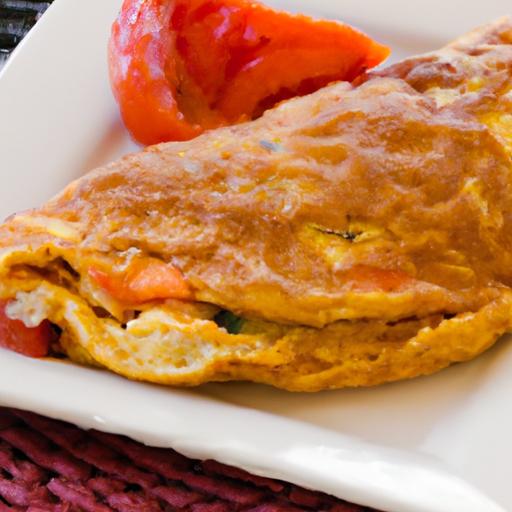



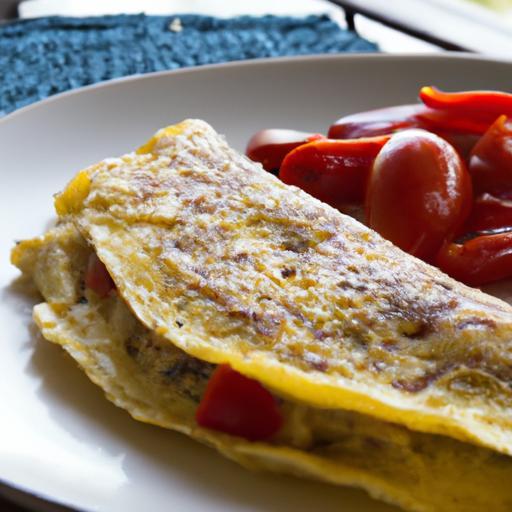
There’s something almost magical about the humble omelette – a simple canvas of eggs that, with the right touch, transforms into a fluffy, flavorful masterpiece. Crafting the perfect omelette is both art and science, a culinary dance that balances technique, timing, and a flair for flavour. in this article, we’ll peel back the layers of this beloved breakfast staple, unfolding tips that elevate your omelette from ordinary to remarkable, and exploring tastes that tantalize the palate.Whether you’re a kitchen novice or a seasoned cook, prepare to discover the secrets that make every bite a delicious revelation.
The Art of the Perfect Omelette begins with selecting the freshest, highest-quality ingredients that set the stage for a dish bursting with flavor and texture. Nothing elevates a simple omelette like vibrant, farm-fresh eggs paired with thoughtful, complementary fillings. Whether you’re crafting a fast weekday breakfast or an elegant brunch centerpiece, understanding the nuances of ingredient choice will unlock your omelette’s full potential.
Prep and Cook Time
- Preparation: 10 minutes
- Cooking: 5 minutes
- Total: 15 minutes
Yield
- Serves 1-2 people
Difficulty Level
- Easy to Medium
Ingredients
- 3 large free-range eggs, at room temperature
- 1 tablespoon whole milk or cream (optional for extra fluffiness)
- 1 tablespoon unsalted butter
- Salt and freshly ground black pepper, to taste
- 1/4 cup shredded aged cheddar cheese or gruyère
- 2 tablespoons finely chopped fresh herbs (chives, parsley, or tarragon)
- 1/4 cup diced bell peppers, sautéed until tender
- 1/4 cup baby spinach leaves, lightly wilted
Instructions
- Whisk the eggs: In a medium bowl, beat the eggs gently with the milk until the mixture is homogenous and slightly frothy. Season with a pinch of salt and black pepper. Avoid overbeating to keep the texture tender and avoid rubberiness.
- Prepare your pan: Heat a non-stick skillet over medium-low heat. Add the butter and let it melt completely,swirling the pan to coat the surface evenly. The butter should foam but not brown.
- Cook the eggs: Pour the eggs into the skillet, letting them spread evenly.As the edges begin to set (~30 seconds), use a silicone spatula to gently pull the edges toward the center, tilting the pan to allow uncooked egg to flow to the edges. Repeat this motion intermittently.
- Add fillings: When the eggs are mostly set but still slightly runny on top, sprinkle the shredded cheese, sautéed bell peppers, wilted spinach, and fresh herbs on one half of the omelette.
- Fold and finish cooking: Carefully fold the omelette in half with your spatula. Let it cook for another 30 seconds to melt the cheese and finish the internal cooking,ensuring a soft,fluffy interior without overcooking.
- Slide and serve: Gently slide the omelette onto a warm plate. Immediately garnish with a few extra fresh herbs and a light dusting of cracked black pepper.
Tips for Success: Mastering the Art of the Perfect Omelette
- Choose fresh eggs: The fresher, the better. Top-quality eggs improve both taste and texture dramatically.
- Whisk just enough: Aim to combine whites and yolks fully but don’t over-whisk into a foam. This ensures a custard-like softness rather than a dense rubbery egg.
- Control heat: Medium-low heat is crucial to avoid browning or toughening. Slow and steady wins the fluffiness race.
- Prep fillings in advance: Cook vegetables like peppers or mushrooms beforehand to avoid excess moisture in the omelette.
- Experiment with seasonings: Beyond salt and pepper, try a pinch of smoked paprika, a dash of nutmeg, or a few chili flakes for a subtle kick.
- Make ahead: Whisk eggs in a sealed container and refrigerate for up to 24 hours for quick assembly.
Serving Suggestions
elevate your omelette presentation by pairing it with fresh seasonal salad greens tossed lightly in lemon vinaigrette.Add crusty whole-grain toast spread with herb butter or smashed avocado for a richness contrast. A small ramekin of salsa verde or a dollop of crème fraîche can also add delightful layers of flavor.Garnish the plate with a sprig of fresh parsley or chive blossoms and a dusting of smoked paprika for a vibrant finish that invites savoring.

| Nutritional Info (per serving) | Amount |
|---|---|
| Calories | 280 kcal |
| Protein | 18 g |
| Carbohydrates | 4 g |
| Fat | 21 g |
For a deeper dive into exquisite egg dishes and inspirations, check out our Ultimate Guide to Egg Cooking.To learn more about the nutritional benefits of eggs, visit the Harvard T.H. Chan School of Public Health.
Q&A
Q&A: The Art of the perfect Omelette - Tips and Tastes unfolded
Q1: What makes an omelette truly “perfect”?
A: The perfect omelette achieves a delicate balance of texture, flavor, and presentation. It should be tender and slightly custardy inside, with a light, golden exterior that gently folds without cracking. The key lies in gentle heat, the right pan choice, and an intuitive sense of timing.
Q2: Which type of pan is best for cooking an omelette?
A: A small, non-stick skillet with a smooth surface is your best friend. It allows the eggs to set evenly and slide effortlessly when it’s time to fold.Traditionally, a well-seasoned carbon steel pan also works beautifully but requires a practiced hand.
Q3: How should eggs be prepared before cooking?
A: Whisk the eggs until the yolks and whites are fully combined, creating a smooth, slightly frothy mixture.A pinch of salt added early enhances the texture,while a splash of water or milk can be included for added fluffiness-although purists often prefer just eggs for pure flavor.
Q4: Can you share tips to avoid overcooking or browning the omelette too much?
A: Cooking over medium-low heat is essential. High heat causes rubbery,browned eggs rather of the tender,delicate texture that defines a great omelette. Keep the eggs moving gently by tilting the pan and using a spatula to coax the uncooked eggs toward the edges as they set.
Q5: What are some fantastic filling options that complement the eggs without overpowering them?
A: Think fresh herbs like chives, parsley, or tarragon for subtle brightness. Sautéed mushrooms, spinach, sun-dried tomatoes, or creamy cheeses such as goat cheese or gruyère add richness and depth without overwhelming the egg’s flavor.
Q6: How do you fold the omelette for a classic presentation?
A: Once the eggs are mostly set but still slightly moist on top, gently slide the omelette onto a plate. Fold one side over the fillings to create a half-moon shape. for a French style, fold into thirds like an envelope, creating a neat, elegant parcel.
Q7: is seasoning during or after cooking more effective?
A: Salt incorporated before cooking helps with texture, while a final sprinkle of freshly cracked pepper or flaky sea salt after cooking enhances flavor and adds a pleasant contrast in texture.
Q8: Can you suggest ways to personalize omelettes depending on the time of day or occasion?
A: Absolutely! For a light breakfast, keep it simple with herbs and a bit of creamy cheese. For brunch or dinner, build complexity with roasted vegetables, smoked salmon (a luxurious fish option), or even a touch of spicy salsa. The omelette adapts beautifully to your mood and meal!
Q9: What mistakes should be avoided when making an omelette?
A: Avoid overcrowding the pan with too many eggs or fillings, which can make folding difficult. Resist the urge to flip the entire omelette like a pancake-it’s better to fold gently. And don’t rush the cooking process; patience is key to tender eggs.
Q10: How can beginners gain confidence in making omelettes?
A: Practice is your best teacher. Start with small batches, focus on controlling the heat, and experiment with simple fillings. Watching videos of chefs crafting omelettes can also help you visualize the technique. Over time,you’ll develop your own rhythm and style,turning this humble dish into a culinary delight.
Closing Remarks
As the final folds of your omelette settle on the plate, you’ll realize that mastering this simple dish is less about rigid rules and more about a mindful dance between technique and taste. The art of the perfect omelette invites you to experiment with flavors, textures, and timing-transforming humble eggs into a canvas for culinary creativity. Armed with these tips and a pinch of patience, each morning becomes an opportunity to craft a breakfast that’s not only delicious but uniquely yours.So go ahead,whisk boldly,fold with finesse,and let your omelette tell the story of your kitchen adventures,one bite at a time.