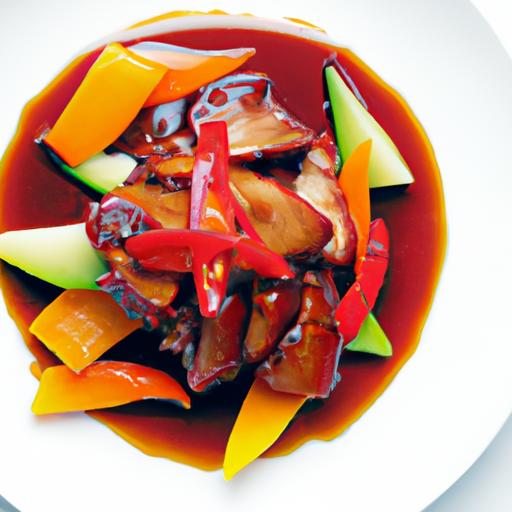




Ther is a certain magic in the way flavors collide and dance on our palate, and few dishes embody this dynamic as brilliantly as sweet and sour pork. Hailing from the rich culinary traditions of Chinese cuisine, this vibrant dish captivates with its tantalizing blend of tangy, sweet, and savory notes-a true harmony of contrasts that awakens the senses. In this article, we embark on a flavorful journey to explore the origins, ingredients, and techniques behind sweet and sour pork, uncovering how its iconic balance has made it a beloved classic across the world. Prepare to delve into a tale where taste and tradition intertwine, revealing why this dish continues to inspire chefs and food lovers alike.
The Tangy Harmony of Sweet and sour Pork is a celebrated culinary treasure that traces its origins back to cantonese cuisine, embodying a delicate balance of contrasting flavors that delight the palate. Even though traditionally featuring pork, this dish offers endless versatility for those seeking a vibrant and tangy flavor journey, reinvented here with fresh, innovative protein alternatives that still honor the classic essence. Originating as a festive and communal dish in southern China, it quickly became a favorite in global Chinese restaurants, symbolizing joyous celebrations and the art of flavor symphony. The captivating interplay between sweetness and acidity showcases an age-old culinary technique that continues to inspire cooks worldwide.
Prep and Cook Time
- Readiness: 20 minutes
- Cooking: 15 minutes
- Total Time: 35 minutes
Yield
Serves 4 hungry guests
Difficulty Level
Medium – Perfect for enthusiastic home cooks eager to master balanced flavors and textures
Essential Ingredients for an Authentic Sweet and Sour Experience
- 400g firm tofu,pressed and cut into bite-sized cubes (or use chicken breast or cauliflower for variation)
- 1 cup all-purpose flour,sifted
- ½ cup cornstarch
- 1 tsp baking powder
- 1 large egg
- ½ cup cold sparkling water (helps create a light,crispy batter)
- Vegetable oil for frying
- 1 red bell pepper,sliced
- 1 green bell pepper,sliced
- 1 small onion,cut into wedges
- ½ cup pineapple chunks (fresh or canned in juice)
- 2 cloves garlic,minced
- For the Sweet and Sour Sauce:
- ½ cup ketchup
- ⅓ cup rice vinegar
- ¼ cup brown sugar,packed
- 2 tbsp soy sauce (low sodium recommended)
- 1 tbsp cornstarch mixed with 3 tbsp cold water (slurry)
Step-by-Step Instructions for Mastering The Tangy Harmony of Sweet and Sour Pork
- Prepare the batter: In a medium bowl,whisk together all-purpose flour,cornstarch,and baking powder. Beat the egg in a separate bowl, then combine with the dry ingredients, gradually adding cold sparkling water until you have a smooth, slightly thick batter. Keep it chilled while prepping the tofu or chosen protein.
- Coat and fry the tofu: Pat tofu cubes dry. Dip each cube into the batter making sure it is indeed fully coated. Heat vegetable oil in a deep pan to 180°C (350°F). Fry tofu cubes in batches until golden and crispy, about 3-4 minutes per batch. Drain on paper towels to maintain crispiness.
- Prepare the vegetables: In a large skillet or wok, heat 2 tablespoons of oil over medium-high heat. Sauté minced garlic until fragrant, approximately 30 seconds. Add bell peppers and onions,stir-frying for about 4 minutes until crisp-tender.
- Make the sweet and sour sauce: In a bowl, whisk together ketchup, rice vinegar, brown sugar, and soy sauce. Pour the sauce into the skillet with vegetables, and bring to a simmer.
- Thicken and combine: Stir the cornstarch slurry and pour it slowly into the sauce while stirring constantly. Cook for 1-2 minutes until the sauce thickens and coats the vegetables beautifully.
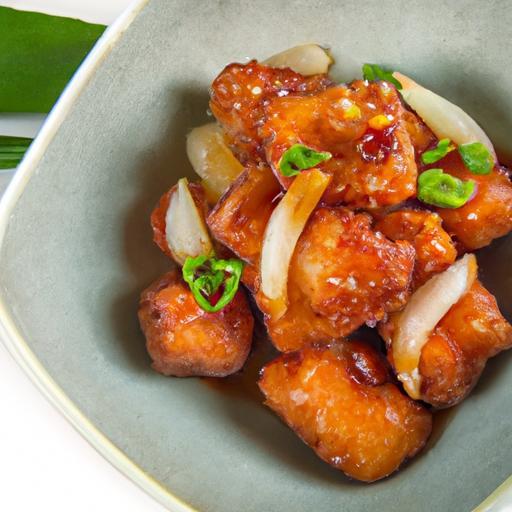
- Finish the dish: Gently fold the crispy tofu and pineapple chunks into the sauce,ensuring even coverage without breaking the tofu’s crust. Remove from heat promptly to preserve texture and flavor harmony.
Tips for Success When Perfecting Texture and Presentation
- Use cold sparkling water in the batter to create a light and airy crust that stays crisp longer.
- Press tofu for at least 30 minutes prior to cooking to remove excess water, enhancing its ability to absorb flavors and crisp up nicely.
- Maintain oil temperature when frying to avoid sogginess; use a thermometer to monitor heat.
- Add vegetables last to retain their vibrant colors and natural crunch, which balances the tender tofu and rich sauce.
- For extra visual appeal, sprinkle toasted sesame seeds and chopped scallions before serving.
- Variations like grilled tempeh or crispy cauliflower florets can be substituted, suited for diverse dietary preferences without compromising taste.
Serving Suggestions
Plate your vibrant sweet and sour creation over steamed jasmine rice or fluffy quinoa to absorb the sauce. Complement with a fresh side of sautéed greens or a light cucumber salad to balance the meal’s sweetness and acidity. Garnish generously with freshly chopped cilantro and a sprinkle of toasted sesame seeds for a pop of color and nutty fragrance. To truly elevate the experience, serve with a side of pickled ginger or kimchi, which enhances flavor complexity.
| Nutrient | Per Serving (approx.) |
|---|---|
| Calories | 320 kcal |
| Protein | 18 g |
| Carbohydrates | 35 g |
| Fat | 12 g |

For more inspiration on mastering bold, balanced sauces, check out our comprehensive guide to perfect sauces. To deepen your culinary knowledge,explore the cultural roots of this dish on Britannica’s food culture archive.
Q&A
Q&A: The Tangy Harmony of Sweet and Sour: A Flavor Journey
Q1: What makes the flavor combination of sweet and sour so captivating in culinary traditions?
A1: The magic of sweet and sour lies in its perfect balance-a dance between contrasting tastes that awaken the palate. Sweetness soothes and comforts, while sourness adds brightness and zing. Together, they create a dynamic taste profile that is both refreshing and deeply satisfying, inviting the senses on an exciting flavor journey.
Q2: How do chefs achieve the ideal sweet-and-sour balance in their dishes?
A2: Crafting the perfect sweet-and-sour harmony involves a delicate interplay of ingredients.Natural sweeteners like pineapple juice, brown sugar, or honey are often paired with acidic elements such as vinegar, citrus juices, or tamarind. The key is adjusting proportions so that neither dominates; rather, they enhance each other, creating a lively and rounded taste.
Q3: Are there particular ingredients that elevate the sweet-and-sour experience?
A3: Absolutely! adding layers of texture and aroma enriches the flavor profile. Ingredients such as fresh ginger, garlic, bell peppers, and scallions provide aromatic warmth. Crispy vegetables or fruit pieces offer a delightful crunch, while a touch of chili can introduce a subtle heat, heightening the dish’s complexity without overshadowing the core sweet-and-sour essence.
Q4: In what ways do cultural cuisines interpret the sweet-and-sour flavor?
A4: Sweet and sour is a universally beloved flavor concept, yet it wears many cultural hats. In some Eastern culinary traditions, it might be paired with fermented ingredients for depth, while Southeast Asian dishes might combine it with coconut milk’s creaminess. Western interpretations could include tangy glazes or fruit-based sauces to brighten roasted or fried foods. Each culture’s unique palate and regional ingredients shape their version of this timeless combination.
Q5: Can sweet and sour flavors be enjoyed beyond main courses?
A5: Definitely! Sweet and sour is incredibly versatile. It can transform fresh salads with a zesty dressing, enliven dipping sauces, or even star in desserts that balance tart fruit with caramelized sweetness. This flavor pairing’s ability to awaken taste buds makes it a compelling choice in appetizers, sides, and treats alike.
Q6: What is the sensory experience when savoring a well-crafted sweet-and-sour dish?
A6: A carefully balanced sweet-and-sour dish is a sensory symphony. The initial taste may be radiant and tangy, sparking curiosity and excitement. This is followed by soothing sweetness that offers comfort and richness. Textures-from crisp to tender-add to the experience, while lingering nuances may dance on the tongue, inviting another bite. It’s a flavor journey that surprises and delights at every turn.
Q7: How can home cooks experiment with sweet-and-sour flavors in their kitchen?
A7: Start by playing with basic ingredients found at home: citrus juices, vinegars, honey, sugar, and fresh herbs.Combine and adjust these elements to create dressings or glazes. Use them to marinate vegetables or proteins, or drizzle over grilled foods for a vibrant finish.Don’t be afraid to experiment with spices like ginger, chili flakes, or star anise to personalize the flavor profile-a pinch of creativity can lead to an irresistible sweet-and-sour masterpiece.
The Conclusion
As we conclude this flavorful expedition into the tangy harmony of sweet and sour pork, it’s clear that this beloved dish is much more than a simple combination of tastes.It is a festivity of balance-where sweetness dances with acidity, and crispy textures meet tender bites. Whether you savor it at a bustling street market or recreate it in your own kitchen, sweet and sour pork invites you to explore the dynamic interplay of contrasting flavors that define much of culinary art. So next time you indulge in this iconic dish, remember you’re partaking in a timeless journey that delights the palate and bridges cultures with every tangy, sweet, and savory mouthful.