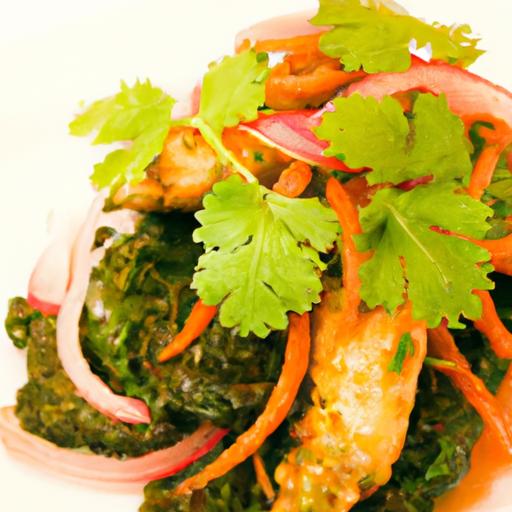




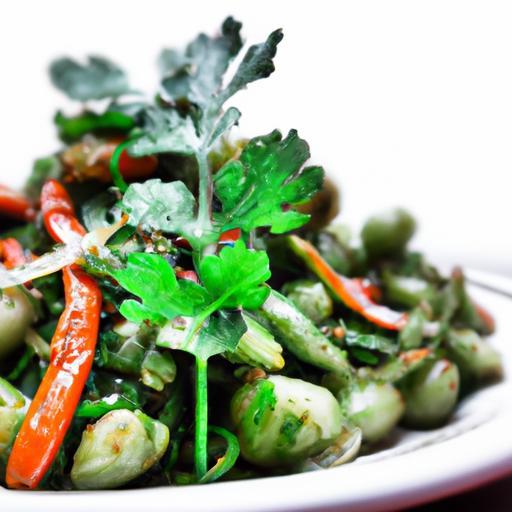
Coriander – vibrant, citrusy, and unmistakably fresh – has long been a star player in kitchens around the world. But what happens when that beloved herb is nowhere to be found? Whether you’re grappling with a sudden coriander shortage, dealing with a picky palate, or simply craving a new twist in your cooking, fear not. This “Coriander Crisis” is actually an exciting opportunity to explore bold,flavorful substitutes that can elevate your dishes in surprising ways. Join us as we delve into the top alternatives that bring zest, aroma, and a touch of magic to your meals, proving that great flavor is never out of reach.
Coriander Crisis? Top Flavorful Substitutes to Try now can transform your culinary adventures when that vibrant citrusy herb is nowhere to be found. Understanding the unique flavor profile of coriander is essential to mastering dishes that rely on its luminous and earthy notes. This fresh, slightly lemony herb carries a complex aroma blending citrus zest with a subtle, warm sweetness often reminiscent of cumin’s earthiness. Its dual nature-in both fresh leaves and warm toasted seeds-makes it a cornerstone of Middle Eastern,Latin American,Southeast Asian,and Indian cuisines.
In situations were coriander can’t be sourced, fear not. Exploring herb alternatives that capture its bright and citrusy notes lets you maintain the essence of your recipes while adding new layers of flavor. From the zesty tang of cilantro to the peppery bite of parsley, or even the floral hints of lovage, these substitutions uphold the spirit of coriander but bring their own signature accents that can delight your palate.
Coriander Crisis? Top Flavorful Substitutes to Try Now: Prep and Cook Time
- preparation Time: 10 minutes
- Cook Time: Varies based on dish (usually 15-30 minutes)
Yield
Serves 4 generously as a key herb garnish or component in main dishes and sides.
Difficulty Level
Easy – Perfect for home cooks wanting to enhance flavor without coriander.
Ingredients
- Fresh substitutes for coriander leaves:
- 1 cup fresh cilantro leaves, chopped (if available)
- 1 cup fresh flat-leaf parsley, finely chopped
- ½ cup fresh lovage leaves, chopped (optional)
- 2 teaspoons fresh lemon zest
- Spice substitutes for toasted coriander seeds:
- 1 teaspoon toasted cumin seeds, ground
- ½ teaspoon fennel seeds or ground anise (for mild sweetness)
- Pinch of ground caraway (optional, adds earthiness)
Instructions
- Choose your substitute wisely. For fresh herb replacements, cilantro is the closest match to coriander but if unavailable, parsley with lemon zest combined mimics the citrus brightness well.
- Prepare the herbs. Rinse and dry fresh herbs thoroughly. Roughly chop before adding to your recipes.
- Toast and grind spices. For dishes requiring coriander seeds, lightly toast cumin and fennel seeds in a dry skillet over medium heat until fragrant-about 2 minutes. Let cool, then grind finely using a mortar and pestle or spice grinder.
- Incorporate substitutes thoughtfully. If using fresh herbs, add them near the end of cooking to preserve their brightness. Ground spice substitutes can be added earlier to deepen flavor.
- Balance your flavors. Taste your dish and adjust acidity (a squeeze of lime or lemon), sweetness, or heat as needed to replicate the layered nature of coriander.
Tips for Balancing flavors When Replacing Coriander in Different Cuisines
Different cuisines rely on coriander’s vibrant notes in distinctive ways. When Indian recipes call for coriander seeds, pairing ground cumin with a touch of fennel adds warmth without overpowering the dish. For Mexican- or Latin-inspired recipes,a fresh mix of parsley and lemon zest can bring that fresh citrus lift. Southeast Asian dishes benefit from an herbal combination of lovage or even Thai basil with lime zest for aromatic complexity.
Consider acidity and texture in your dish-if coriander was lending freshness, brighten with a touch of vinegar or citrus juice, and if it played a role in spice blends, compensate by layering complementary spices like caraway or mild cinnamon for depth.
Chef’s Notes
- Make-Ahead: Mix chopped parsley with lemon zest in an airtight container and refrigerate for up to 2 days to capture fresh brightness.
- Substitution Ratio: Use a 1:1 ratio for fresh herbs in place of coriander leaves. For seeds, try half the amount of cumin and tweak according to taste.
- Enhance Aroma: Adding a few fresh basil or mint leaves can bring additional complexity alongside parsley in certain dishes.
- Texture Matters: If coriander’s crunch is key, consider finishing the dish with toasted seeds or nutty pepitas for a textural boost.
Serving Suggestions
Coriander substitutes are incredibly versatile. Sprinkle fresh parsley-lemon zest blends on grilled vegetables, vibrant salads, or as a garnish for creamy hummus. Use toasted cumin/fennel mix in spice rubs for roasted cauliflower or hearty lentil stews to lend warmth and subtle fragrance. Toes dipped in Southeast Asian bowls? Add lovage and lime zest atop pho or noodle soups for a refreshing contrast.

| Substitute | Flavor Notes | best For |
|---|---|---|
| Cilantro | Bright, citrusy, fresh | Salsas, salads, garnishes |
| Parsley + Lemon Zest | Herbaceous, zesty, clean | Middle Eastern dishes, pesto alternatives |
| Toasted Cumin + Fennel | Warm, sweet, earthy | Spice rubs, curries, stews |
| Lovage + Lime zest | Celery-like, aromatic, citrusy | Southeast Asian noodle bowls, soups |
For deeper insight into spice substitutions beyond coriander, check out our detailed guide on Ultimate Spice Substitution Guide.To understand the science behind herb flavor perception, visit ScienceDaily’s Herb Aroma Study.
Q&A
Q&A: Coriander Crisis? Top Flavorful Substitutes to Try Now
Q: Why is coriander sometimes called a “love it or hate it” herb?
A: Coriander, also known as cilantro, has a unique flavor profile that some people adore for its bright, citrusy notes, while others detect a soapy or metallic taste. This divide frequently enough comes down to genetics, making coriander a fascinating but sometimes polarizing ingredient in cooking.
Q: What can I use as a substitute if I want to avoid coriander but still want that fresh herbal punch?
A: Fresh herbs like parsley, basil, and mint are excellent stand-ins. Parsley offers a mild, slightly peppery taste that won’t overpower your dish. Basil brings a sweet, aromatic flavor with hints of anise, while mint provides a cool and refreshing lift, perfect for contrasts in flavor.
Q: Are there dried alternatives if fresh coriander isn’t available?
A: Absolutely! Ground cumin or a pinch of caraway seeds can add warm, earthy undertones that echo some complexity of coriander seeds. While these won’t mimic the fresh green vibrancy, they introduce aromatic depth to stews, soups, and spice blends.
Q: What about global cuisine where coriander is crucial - any culture-specific swaps?
A: In Mexican-inspired dishes, fresh parsley or a mix of parsley and a bit of lime zest can brighten things up. For Indian or Middle eastern recipes, cardamom or a blend of cumin and fresh mint can replicate some of coriander’s distinctive lift and complexity without overpowering the dish.
Q: Can I replace coriander leaves with coriander seeds?
A: While both come from the same plant, their flavors and uses differ. Coriander seeds have a warm, citrusy, slightly nutty taste and are often toasted or ground into spice mixes. They don’t provide the fresh herbal burst of leaves but can be a delightful alternative in cooked dishes that call for ground coriander.
Q: How can I balance a coriander substitute in a recipe to keep flavors vibrant and fresh?
A: Pair your substitute herb with a squeeze of fresh citrus like lemon or lime and a sprinkle of salt. This combination helps to enhance brightness and mimics the zesty freshness coriander typically adds. Adjust quantities gradually to suit your taste preferences.Q: Are there any lesser-known herbs that can surprisingly fill coriander’s shoes?
A: Yes! Herbs like culantro (not to be confused with coriander) have a similar but more robust flavor found in Caribbean and Latin American cuisine. Also, fresh lovage, with its celery-like taste, can add an herby kick when finely chopped, though use sparingly to avoid overpowering your dish.
Q: What’s the best approach when experimenting with substitutes for coriander?
A: Start small and taste frequently. Becuase coriander has such a distinctive flavor, substitutes won’t be exact clones but can add flair and freshness in their own right. Blend herbs, spices, and citrus creatively to discover your favorite combinations that fit both the dish and your palate.
This Q&A sets the stage to explore coriander alternatives with confidence and culinary curiosity, perfect for anyone facing the “coriander crisis” in their kitchen!
In Conclusion
As the great coriander conundrum unfolds in kitchens worldwide, fear not-the culinary world is brimming with vibrant, flavorful allies ready to step into coriander’s shoes. From the bright, citrusy punch of fresh parsley to the nutty depth of cumin, these substitutes ensure your dishes stay deliciously dynamic. So whether you’re battling a shortage, avoiding a picky palate, or simply experimenting, let this spice shuffle inspire your next cooking adventure. After all, in the grand symphony of flavors, there’s always another note to play-and your taste buds are the conductor. Happy cooking!