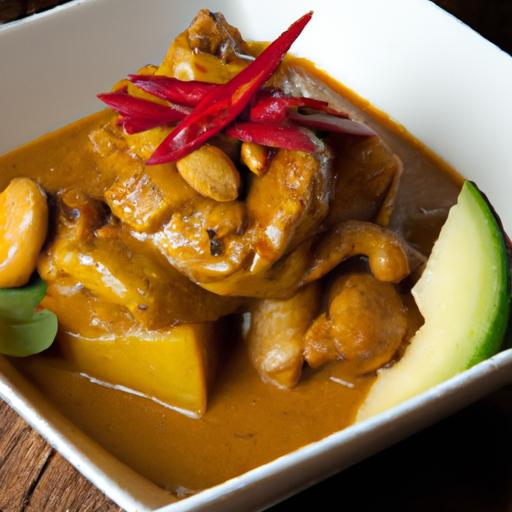



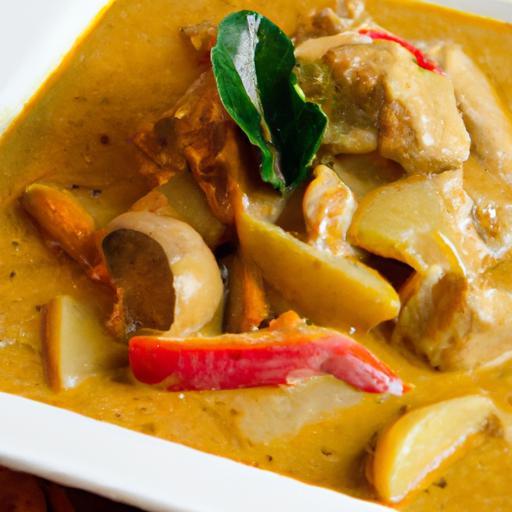
In the vibrant tapestry of global cuisine,few dishes tell a story as richly layered as Massaman curry. A fragrant symphony of spices and flavors, this beloved Thai dish invites us on a culinary journey where the aromatic warmth of Indian heritage gracefully intertwines with the fresh, bold essence of Thai cooking. From its creamy coconut base too the gentle heat of cardamom and cinnamon, Massaman curry is more than just a meal-it’s a celebration of cultural fusion, history, and tradition simmering in every bite. Join us as we explore how this exquisite blend of Thai and Indian influences has created a dish that’s both comforting and captivating, capturing the hearts and palates of food lovers around the world.
Massaman curry is a culinary masterpiece that emerges from centuries of cultural fusion, reflecting the rich tapestry of Thai and Indian flavors that blend harmoniously in each spoonful. This dish’s roots trace back to the southern regions of Thailand, where Muslim traders introduced warming spices and cooking techniques from India and the Middle East. Today, Massaman curry stands as a beloved staple, celebrated for its deep, mellow spice profile combined with comforting coconut cream and tender meats or vegetables, making it an inviting dish for adventurous home cooks.
Prep and Cook Time
- Planning: 20 minutes
- Cooking: 1 hour
- Total time: 1 hour 20 minutes
Yield
serves 4 generous portions
Difficulty Level
Medium - approachable for those pleasant with layering flavors and balancing spices
Key Ingredients That Define Massaman’s Unique Flavour
- Massaman curry paste: A fragrant blend of dried red chilies, cardamom, cinnamon, cloves, coriander seeds, cumin, and nutmeg that form the aromatic foundation
- Coconut milk: Provides richness and creamy sweetness balancing the spices
- Peanuts or cashews: Adds texture and subtle earthiness
- Tamarind paste: Introduces a tangy brightness to the gravy
- Potatoes: Soft, starchy chunks that absorb the flavorful sauce
- Meat or plant-based protein: Traditionally beef or chicken; tofu or chickpeas are excellent alternatives
- Brown sugar or palm sugar: To harmonize the spicy and sour notes with sweetness
- Fish sauce or soy sauce: Adds umami depth without overpowering
Step by step guide to Crafting Authentic Massaman Curry at Home
- Toast your spices: Lightly toast coriander seeds, cumin, cardamom, and cloves in a dry pan until aromatic, about 2 minutes, then grind to a fine powder. This enhances the curry’s warmth and fragrance.
- Prepare the curry paste: Blend the toasted spices with dried red chilies, shallots, garlic, lemongrass, galangal, and cinnamon stick. Use a mortar and pestle or food processor to create a smooth,fragrant paste.
- Sauté the paste: In a large pot, heat 2 tablespoons of oil over medium heat. Add the paste and cook for 5 to 7 minutes, stirring frequently, until fragrant and the oil begins to separate-this step unlocks deep flavor layers.
- Add coconut milk: Pour in 1 can (400ml) of full-fat coconut milk, stirring well to blend with the paste. Simmer gently for 10 minutes to allow the flavors to meld richly.
- Incorporate the protein: Add 500g of cubed chicken, beef, or tofu. Stir and simmer over low heat until tender, about 40 minutes for beef or 20 minutes for chicken/tofu.Keep the heat low to avoid curdling the coconut milk.
- Add potatoes and peanuts: Toss in 2 medium potatoes, peeled and cut into chunks, along with ½ cup roasted peanuts or cashews. Simmer for another 15 minutes until potatoes are soft and peanuts have infused their flavor.
- Season the curry: Stir in 2 tablespoons tamarind paste, 1 tablespoon brown sugar, and 2 tablespoons fish sauce or soy sauce. Adjust seasoning to balance the perfect sweet, salty, and sour harmony typical of Massaman curry.
- Final touches: Let the curry rest off the heat for 5 minutes to intensify flavors, then garnish with fresh chopped cilantro and sliced red chilies if desired.
Expert Tips for pairing Massaman Curry with Drinks and Side Dishes
Massaman curry’s rich, complex character pairs beautifully with robust, slightly sweet beverages that can soothe its warming spices. Try an iced Thai tea or a chilled mango lassi, both of which complement the creamy texture and spice. For alcohol options, a mild, aromatic lager or a Riesling with a touch of sweetness balances the curry’s savory layers without overwhelming the palate.
As for side dishes, fluffy steamed jasmine rice is essential to soak up every drop of the luscious sauce. A crisp cucumber salad, sprinkled with fresh mint and lime juice, adds refreshing brightness and texture contrast. Additionally, sweet roasted sweet potatoes or lightly sautéed greens like bok choy provide complementary sweetness and earthiness to round out the meal.
Chef’s notes
- Make your curry paste ahead: The curry paste can be made and refrigerated up to 1 week or frozen for 3 months, making weeknight dinners effortless.
- Choose your protein wisely: Beef offers depth and richness, while chicken keeps it lighter. Plant-based eaters will love tofu or chickpeas, which absorb the curry’s bold flavors.
- Adjust spice levels: For a milder curry, reduce dried chilies or remove seeds before blending; for extra heat, add fresh Thai chilies at the end.
- Nut allergies? Substitute peanuts/cashews with roasted pumpkin seeds or omit entirely-this won’t diminish the flavor much.
- For vegan versions: Use soy sauce instead of fish sauce and creamy coconut sugar instead of palm sugar to maintain authenticity and dietary preferences.
Serving Suggestions
- Serve hot in rustic bowls, garnished with freshly chopped cilantro and whole roasted peanuts sprinkled on top for crunch.
- Accompany with steamed jasmine rice and a side of crisp cucumber relish or pickled shallots for brightness.
- Offer lime wedges on the side for an optional zesty burst that diners can add as desired.
| Nutrient | Per Serving |
|---|---|
| Calories | 420 kcal |
| Protein | 28 g |
| Carbohydrates | 35 g |
| Fat | 18 g |

Q&A
Q&A: massaman Curry – A Rich Blend of Thai and Indian Flavors
Q1: What is Massaman curry, and why is it unique in Thai cuisine?
A: Massaman Curry is a fragrant, hearty Thai curry known for its complex blend of spices, drawing influence from Indian and Persian flavors that arrived through historical trade routes. Unlike the fiery, herbaceous curries typical in Thailand, Massaman is smooth, mildly spiced, and rich with warm notes like cinnamon, cardamom, and cloves, making it stand out as a comforting fusion dish.
Q2: How did Indian flavors find their way into Thai massaman Curry?
A: The origins of Massaman Curry trace back to the cultural exchanges along ancient trade paths,especially with Muslim traders from India and Persia who settled in southern Thailand. they introduced spices and curry-making techniques, which the Thai adapted with local ingredients, resulting in the uniquely mellow yet exotic character of Massaman Curry.
Q3: What are the key spices and ingredients that define Massaman Curry?
A: The hallmark of Massaman lies in its spice medley-cumin, cinnamon, star anise, cardamom, cloves, coriander, and nutmeg combine with toasted dried chilies and lemongrass. Coconut milk infuses the curry with creaminess, while potatoes, roasted peanuts, and tamarind paste add texture and tang. traditionally, beef or chicken are common protein choices, absorbing the rich, aromatic sauce beautifully.
Q4: How does Massaman differ from other Thai curries like Green or Red Curry?
A: While green and red curries are vibrant, featuring fresh herbs like basil and galangal and tend to be hotter and more herbal, Massaman distinguishes itself with its milder heat, deeper sweetness, and pronounced warming spices reminiscent of Indian garam masala. Its thicker, stew-like consistency also sets it apart, ofen accompanied by hearty vegetables and nuts.
Q5: Can Massaman Curry be adapted for vegetarian or vegan diets?
A: Absolutely! The curry’s rich spice profile and creamy coconut base make it a perfect canvas for plant-based versions. You can substitute meat with tofu, tempeh, or a medley of vegetables like sweet potatoes, carrots, and mushrooms. Just ensure the curry paste and sauces used don’t contain shrimp paste or fish sauce, or replace them with vegan alternatives.
Q6: What is the best way to serve Massaman Curry for an authentic experience?
A: Traditionally, Massaman Curry is served piping hot with steamed jasmine rice to soak up its luscious sauce. Accompanying it with a side of fresh cucumber slices or a simple Thai-style salad can balance the richness with a refreshing crunch. leftovers often taste even better the next day as the flavors deepen.
Q7: Are there any tips for making Massaman Curry at home?
A: Start by toasting whole spices before grinding them to release their oils and deepen flavor. Use good-quality coconut milk for richness and simmer gently to let the sauce thicken and meld.Don’t rush the cooking-the slow melding of spices with tender meat or vegetables is key to capturing Massaman’s signature taste.
Q8: Why has Massaman Curry gained international popularity?
A: Its approachable level of spice, combined with a complex yet harmonious flavor profile, appeals widely beyond Thailand. It offers a gourmet taste experience that’s exotic but not overwhelming, embodying both history and culture in every spoonful-a delicious example of culinary fusion that resonates globally.
Concluding Remarks
As the final spoonful of Massaman curry lingers on your palate, you’re left with more than just the harmonious dance of spices and creamy coconut milk-you’re tasting history itself.This rich blend of Thai and Indian flavors is more than a dish; it’s a delicious testament to centuries of cultural exchange and culinary innovation.Whether enjoyed in a bustling Bangkok eatery or crafted in your own kitchen, Massaman curry invites you to savor a story as layered and vibrant as its ingredients. So next time you dive into this sumptuous stew, remember you’re experiencing a flavorful bridge between worlds, a true celebration of global cuisine in every bite.