


In the vibrant world of cuisine, salad dressings do far more than simply moisten greens-they transform humble leaves into unforgettable flavor experiences. Nowhere is this alchemy more enchanting than in Asian culinary traditions, where a symphony of ingredients-from tangy yuzu and fiery chili to fragrant sesame and savory soy-come together to create dressings that awaken the palate. “Unlocking flavor: The Art of Asian Salad Dressings Explored” invites you on a journey through these captivating blends, revealing the cultural stories, essential techniques, and unique flavor profiles that make Asian dressings a flavorful art form all their own.Whether you’re a seasoned chef or a curious food lover,prepare to discover how simple emulsions can unlock a world of taste that elevates every salad to an extraordinary feast.
Unlocking flavor in Asian salad dressings begins with an artful dance of sweet, savory, tangy, and spicy elements that evoke vibrant taste sensations. Drawing inspiration from centuries-old culinary traditions, these dressings marry ingredients like soy sauce, rice vinegar, and chili paste to create harmonious layers of flavor. Whether drizzling over crisp greens or refreshing noodle salads, mastering this balance elevates your salad experience into something uniquely memorable and luminous.
Prep and Cook Time
Prep: 10 minutes | Cook: 0 minutes (no heating required)
Yield
Approximately ¾ cup dressing (serves 4 salad portions)
Difficulty Level
Easy – perfect for home cooks and food lovers eager to explore bold Asian flavors!
Ingredients
- 3 tablespoons soy sauce (use low sodium for a balanced savory base)
- 2 tablespoons rice vinegar (adds essential bright acidity)
- 1 tablespoon toasted sesame oil (for a nutty, aromatic depth)
- 1 tablespoon honey (to gently balance heat and acidity)
- 1 teaspoon freshly grated ginger (for warming spice)
- 1 clove garlic, finely minced (adds pungent savoriness)
- 1 teaspoon chili garlic sauce (adjust to preferred spice level)
- 1 teaspoon lime juice (further brightens the dressing)
- 1 tablespoon chopped fresh cilantro (optional, for herbaceous freshness)
- 1 tablespoon finely chopped green onions (to add subtle crunch and bite)
Instructions
- Combine soy sauce and rice vinegar in a medium bowl. Whisk gently to marry the salty and tangy foundation.
- Add toasted sesame oil and honey to the mixture, stirring until the honey dissolves fully, ensuring a smooth, shiny texture.
- Incorporate the grated ginger, minced garlic, and chili garlic sauce. Whisk well to distribute the heat and aromatic notes evenly throughout the dressing.
- Stir in the lime juice, wich enhances brightness and adds a subtle citrus tang that awakens the palate.
- Add chopped cilantro and green onions last,folding gently to keep the herbs fresh and vibrant without bruising.
- Let the dressing rest for at least 10 minutes at room temperature or chill briefly to allow flavors to meld fully before serving.
Tips for Success
- Adjust sweetness and heat: Using honey as a sweetener keeps the dressing natural; for vegan options, swap it with maple syrup without compromising that nuanced sweetness.
- Fresh ingredients are key: Grate ginger and mince garlic fresh for pungent and lively notes; bottled alternatives won’t deliver the same vibrance.
- Toast sesame oil sparingly: Its potency means a little goes a long way-avoid overpowering your salad’s delicate greens.
- make ahead: Prepare the dressing up to 3 days in advance and store in a sealed container in the fridge. Shake well before each use, as ingredients may naturally separate.
- experiment with chili elements: if chili garlic sauce is unavailable,try substituting a small amount of freshly minced Thai chili or a dash of Sriracha.
Serving Suggestions
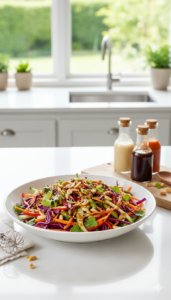
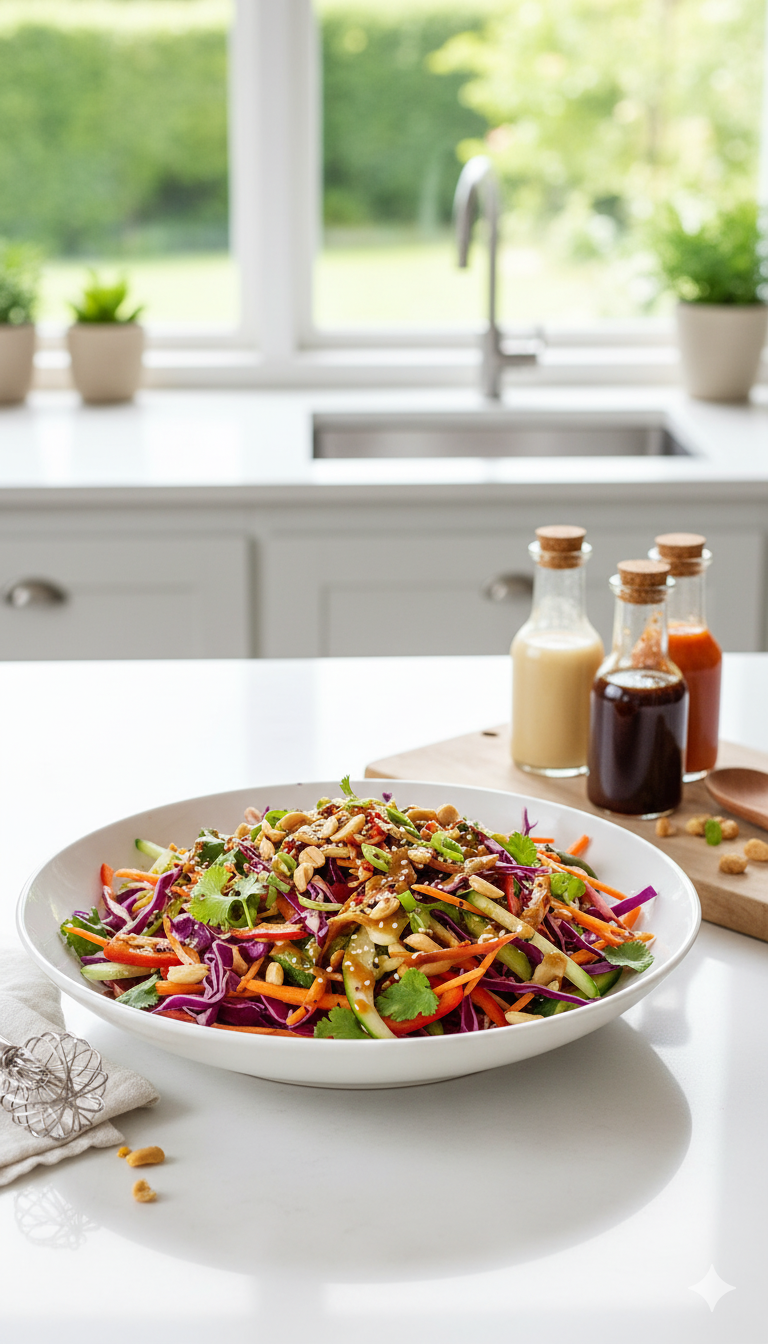
This dressing shines draped over crisp baby spinach, shredded Napa cabbage, or crunchy carrot ribbons. Its vibrant umami and bright citrus notes complement roasted sesame tofu, grilled shrimp, or crunchy snap peas. For an eye-catching presentation, garnish your salad with toasted sesame seeds, finely sliced red chilies, or a sprig of fresh coriander. Pair it with a side of jasmine rice or lightly pickled vegetables for a truly immersive experience.

| Nutrient | Amount per 2 Tbsp |
|---|---|
| Calories | 45 kcal |
| Protein | 1 g |
| Carbohydrates | 6 g |
| Fat | 2.5 g |
Discover more techniques for Asian-inspired salads to complement your homemade dressings.For further inspiration on authentic Asian ingredients and their cultural significance, visit Serious Eats’ Asian Dressing Guide.
Q&A
Q&A: Unlocking Flavor – The Art of Asian Salad Dressings Explored
Q1: What makes asian salad dressings so unique compared to Western dressings?
A: Asian salad dressings excel in their harmonious balance of flavors-melding sweet, salty, sour, bitter, and umami into one vibrant splash. Unlike many Western dressings that frequently enough center around creamy or vinegar-based profiles, Asian dressings frequently incorporate ingredients like soy sauce, sesame oil, citrus, and fermented pastes, creating a complex symphony on the palate. This intricate layering turns a simple salad into an extraordinary experience brimming with depth and nuance.
Q2: Which core ingredients are essential to crafting an authentic Asian salad dressing?
A: At the heart of many Asian dressings are a few star players: soy sauce or tamari for umami and saltiness; rice vinegar or citrus like yuzu and lime for brightness; toasted sesame oil for that nutty aroma; a touch of sweetness from honey, palm sugar, or mirin; and aromatics such as ginger, garlic, or chili to ignite the senses. These elements blend together to form a lively, balanced dressing that complements both leafy greens and heartier ingredients.
Q3: How can one adjust the flavors to match personal taste preferences?
A: Asian dressings are wonderfully versatile. You can dial up the heat with fresh chili or chili paste for a fiery kick, increase the acidity with more vinegar or lime juice for zestiness, or mellow the sharpness by adding a dash of coconut milk or grated cucumber. Sweetness can be tailored with maple syrup or brown sugar. The art lies in tasting as you go, allowing the dressing to evolve until it sings in perfect harmony with your salad’s ingredients.Q4: Are there regional variations in Asian salad dressings that food enthusiasts should know about?
A: Absolutely.East Asian dressings tend to spotlight soy and sesame, while Southeast Asian versions frequently enough weave in fish sauce, tamarind, or fresh herbs like cilantro and Thai basil. Such as, a Thai-inspired dressing may highlight tangy lime juice, palm sugar, and chili flakes, delivering a lively contrast, whereas a Japanese-style dressing might lean toward miso paste and rice vinegar for subtle umami richness. Exploring these regional nuances unlocks an exciting spectrum of flavor possibilities.
Q5: Can Asian salad dressings be made ahead of time, and how long do they keep?
A: Yes! Many Asian dressings benefit from resting, allowing flavors to meld and deepen. Store them in airtight containers in the refrigerator, and they will generally stay fresh for about one week.Just give the dressing a good shake or stir before drizzling, as some ingredients like sesame oil and vinegar can separate over time.
Q6: What vegetables and salad ingredients pair exceptionally well with Asian dressings?
A: Crunchy and fresh vegetables like napa cabbage, shredded carrots, cucumbers, bean sprouts, and radishes are perfect canvases for Asian dressings. Fruits such as mango or mandarin segments add sweet bursts, while herbs like mint, cilantro, and green onions bring brightness and aromatic layers. Toasted nuts or seeds add texture and nutty contrast, making each bite a delightful interplay of flavors and sensations.
Q7: How can one create a vegan or gluten-free Asian salad dressing without compromising on taste?
A: For vegan and gluten-free options, soy sauce can be swapped with tamari or coconut aminos, which retain that savory depth without gluten. Rather of honey, opt for maple syrup or agave nectar for natural sweetness. Using fresh citrus juice, rice vinegar, and toasted sesame oil ensures flavor richness without animal products. The key is to keep the foundational flavor balance intact, so the dressing remains vibrant and satisfying.
Q8: What tips are essential for mastering the art of emulsifying an Asian salad dressing?
A: Emulsification is all about uniting oil and acidic components into a silky, cohesive blend. Use a whisk or shake vigorously in a jar to combine. Start by dissolving sugar or salt in the vinegar or citrus juice, then slowly add oil while continuously whisking. Including a small amount of mustard or a spoonful of miso can act as a natural emulsifier, helping the components stay beautifully blended without separation.
Q9: How can homemade Asian salad dressings elevate everyday meals?
A: Incorporating a thoughtfully crafted Asian salad dressing transforms routine salads into exciting culinary adventures.beyond greens, these dressings can double as marinades, dipping sauces, or drizzles over grilled vegetables and noodles, infusing dishes with vibrant, crave-worthy flavors. The homemade touch offers control over freshness and intensity, making every meal more memorable and nourishing.
Q10: Where should beginners start when experimenting with Asian salad dressings at home?
A: Beginners should start with simple combinations-a classic mix of soy sauce, rice vinegar, sesame oil, a touch of sweetener, and freshly grated ginger or garlic. From there, experiment by adding chili, citrus zest, or fresh herbs. Keep tasting and adjusting, letting your palate guide you. Remember, the magic in Asian dressing lies in balance and personalization, so every attempt is a step closer to your perfect signature blend.
In Summary
As we wrap up our journey through the vibrant world of Asian salad dressings, it’s clear that these culinary concoctions are far more than mere accompaniments-they are the soul of each dish, weaving layers of history, culture, and flavor into every bite. From the tangy zing of yuzu to the umami depth of miso, mastering these dressings unlocks a treasure trove of taste sensations that elevate simple greens into extraordinary experiences. So next time you reach for a salad dressing, let curiosity guide you beyond the familiar-embrace the artistry behind Asian flavors and transform your meals into vibrant celebrations of zest, balance, and tradition. Your palate will thank you.