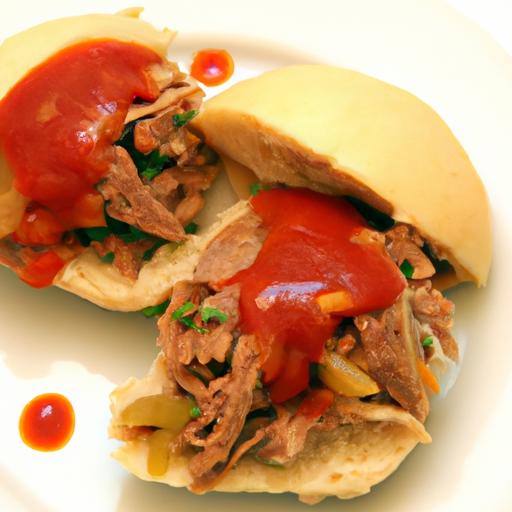


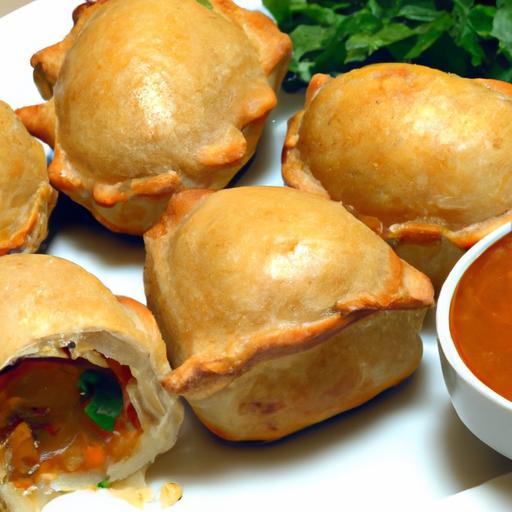
Nestled within Bolivia’s vibrant culinary tapestry lies a treasure that bursts with flavor and history in every bite: the salteña.These golden, crescent-shaped pastries are far more than just a meal-they are a festivity of culture, tradition, and the artistry of cooking passed down through generations. juicy, savory, and subtly sweet, Bolivian salteñas tantalize the senses with their unique blend of meat, spices, and a luscious, almost soup-like filling, all encased in a perfectly tender yet sturdy dough. Join us as we unwrap the story behind this beloved delicacy, exploring the origins, flavors, and rituals that make salteñas a juicy tradition wrapped in flavor.
The Origins and Cultural Meaning of Bolivian Salteñas
Bolivian Salteñas are a culinary gem, a juicy tradition wrapped in flavor that dates back more than a century. These savory baked pastries hold a special place in Bolivian culture, treasured not only for their irresistible taste but also for their communal spirit. Originally inspired by the Spanish empanada but uniquely transformed in Bolivia, salteñas were first made popular by juana Manuela gorriti, a pioneering woman who is credited with perfecting their distinctive sweet and spicy filling. Eaten as a mid-morning snack or a loved street food, salteñas reflect Bolivia’s diverse regions, blending indigenous and colonial influences seamlessly in every bite.
The beauty of salteñas is their complexity balanced by comfort; they bridge festive moments with everyday tradition. The challenge? Enjoying their succulent filling without losing a drop of its famous juicy broth. It’s this art of creating a delicate, sealed, and tender crust that bursts with flavor that makes cooking Bolivian salteñas such a joyful experience. By understanding the origins and cultural heartbeat of this dish, you’re not just making food – you’re celebrating a vibrant part of Bolivian heritage.
Prep and Cook Time
- Readiness Time: 45 minutes
- Cook Time: 30 minutes
- Total Time: 1 hour 15 minutes
Yield
Approximately 12 large salteñas (serves 6-8 people)
Difficulty Level
Medium (requires practice too perfect the dough and filling balance)
Inside the bursting Flavor: Ingredients and Filling Secrets
- For the Dough:
- 3 cups all-purpose flour, sifted
- ½ cup unsalted butter, chilled and cubed
- 1 tsp salt
- ¾ cup warm water
- 1 tbsp sugar
- 1 large egg, beaten (for brushing)
- For the Filling:
- 1½ lbs lean ground beef
- 2 medium onions, finely chopped
- 2 medium potatoes, peeled and diced small
- 1 cup peas, fresh or frozen
- 1 cup beef broth (low sodium)
- 2 tbsp olive oil
- 3 tbsp ají amarillo paste (or substitute with mild yellow chili paste)
- 2 tbsp green olives, chopped
- 2 hard-boiled eggs, chopped
- 1 tsp cumin powder
- 1 tbsp paprika
- 1 tsp black pepper
- Salt to taste
- ¼ cup fresh cilantro, chopped
- 2 tbsp cornstarch mixed with ¼ cup cold water (for thickening)
Mastering the Art of the Perfect Dough and Crust
- Mix the dough: In a large bowl, combine the flour, sugar, and salt. Cut the chilled butter into the flour using a pastry cutter or your fingers until the mixture resembles coarse crumbs.
- Gradually add warm water a little at a time, kneading gently until the dough binds but remains soft and pliable. Avoid overkneading to keep it tender.
- form the dough into a ball,cover with a damp cloth,and let it rest for 30 minutes at room temperature to relax the gluten.
- Prepare the filling: Heat olive oil over medium heat in a large skillet. Add onions and sauté until translucent, about 5 minutes.
- Add the ground beef, breaking it apart with a wooden spoon, cooking until browned but still moist.
- Stir in the ají amarillo paste, cumin, paprika, salt, and pepper. Cook for 2 more minutes to let the spices bloom.
- add diced potatoes, peas, and beef broth. Simmer on low heat,stirring occasionally,for about 15 minutes until potatoes are tender.
- Thicken the mixture by stirring in the cornstarch slurry. Cook an additional 3-4 minutes until the filling thickens to a juicy stew-like consistency but not watery.
- Remove from heat, fold in chopped olives, hard-boiled eggs, and fresh cilantro. Allow to cool entirely to avoid dough sogginess.
- Assemble the salteñas: Roll out the dough on a floured surface to about ⅛ inch thickness. Cut into 6-inch circles.
- Place a generous spoonful of filling in the centre of each circle. Moisten edges with water, fold dough over to form a half-moon, and crimp edges tightly with fingers or a fork. Traditionally, salteñas are sealed with a pleated, ruffled edge that is both gorgeous and functional to hold the juicy filling.
- Brush each salteña with beaten egg for a golden, glossy crust.
- Bake: Preheat oven to 375°F (190°C). Place pastries on a parchment-lined baking sheet.bake for 25-30 minutes or until golden brown and puffed.
- Remove from oven and allow to cool for 5 minutes before enjoying the explosion of juicy flavors inside.
Tips for Enjoying Salteñas Like a True Bolivian Connoisseur
- Eat carefully: Salteñas are notorious for their juicy filling. Hold the pastry upright, warm with one hand, and take small bites from the top corner. Savor the rich broth without bursting it prematurely.
- Serve warm: Freshly baked salteñas offer the best texture-crispy yet tender crust with a hot, flavorful filling.
- Add a side: Pair with a fresh aji sauce or a tangy,thin chile salsa incremented with lime for that perfect spicy finish.
- Experiment: Substitute beef with ground chicken or turkey for a lighter variation. The spices and ají amarillo paste maintain the authentic flavor profile.
- Make ahead: Prepare filling and dough separately, refrigerate, and assemble just before baking to maintain dough integrity.
Chef’s Notes
- Prevent a soggy crust: Ensure the filling is thickened and cooled before encasing in dough.
- Ají amarillo substitute: Available at Latin grocery stores or online; use a blend of yellow bell pepper with mild serrano for a closer match.
- Enhance the crust: For extra flakiness,incorporate an egg wash with a teaspoon of milk and a pinch of sugar.
- Balance sweetness and spice: The slight sweetness in the dough contrasts beautifully with the bold, savory filling.
Serving Suggestions
Present your Bolivian salteñas on a rustic wooden board lined with banana leaves or parchment paper. Garnish with fresh cilantro sprigs and lime wedges for an added zest. Complement the dish with chilled fresh fruit juices like mango or passion fruit to refresh the palate between bites. For a traditional experience,serve alongside a small bowl of aji sauce – a spicy Bolivian salsa made with hot peppers and tomatoes to intensify the flavor adventure.

| Nutrient | Per Serving (2 Salteñas) |
|---|---|
| Calories | 450 kcal |
| Protein | 25 g |
| Carbohydrates | 45 g |
| Fat | 18 g |
Ready to dive deeper into Latin American culinary treasures? Explore our Latin American Bakes Collection for more authentic recipes and styling tips. For a past viewpoint on empanadas across cultures, visit Britannica’s Empanada Overview.
Q&A
Q&A: Bolivian Salteñas: A Juicy Tradition Wrapped in Flavor
Q1: What exactly are Bolivian Salteñas?
A1: Salteñas are Bolivia’s iconic baked pastries, famous for their golden, slightly sweet dough encasing a mouthwatering, juicy filling. Think of them as flavorful pockets of history, culture, and culinary artistry, traditionally enjoyed as a mid-morning snack that perfectly balances savory and tangy notes with a rich, brothy interior.
Q2: What makes Salteñas diffrent from other empanadas or pastries?
A2: Unlike many empanadas that feature dry fillings, Salteñas are celebrated for their succulent, stew-like interior. The secret lies in the gelatin-infused meat filling, which melts into a luscious broth when baked, delighting your palate with a burst of juicy flavor in every bite. This unique “juice” sets Salteñas apart, transforming the eating experience into a flavorful revelation.
Q3: What are the main ingredients inside a traditional Salteña?
A3: Traditionally, the filling includes a combination of tender beef or chicken, potatoes, peas, onions, and a blend of Bolivian spices such as cumin and aji amarillo. The mixture is cooked with gelatin or broth to create that signature juicy texture, often enhanced with a touch of sweetness from raisins or a hint of acidity from diced olives or a squeeze of lime.
Q4: How are Salteñas traditionally enjoyed in Bolivia?
A4: In Bolivia, Salteñas are typically enjoyed fresh from the oven during the late morning, frequently enough accompanied by a hot cup of tea or coffee. They’re a beloved street food, sold by vendors whose smiles beam with pride over their perfect golden crusts. Eating a Salteña is almost a ritual-bite carefully to avoid the juicy filling spilling out, savor the layers of flavor, and experience a taste of Bolivian warmth and hospitality.
Q5: Can Salteñas be found outside Bolivia?
A5: While most authentic Salteñas are enjoyed within Bolivia’s borders, their delicious reputation is spreading. You can find them in Bolivian communities worldwide, where local bakeries and food festivals celebrate this savory treasure. However, nothing quite compares to experiencing one fresh in La Paz or Sucre, where the recipe is a guarded family secret and every bite tells a story.Q6: Are Salteñas suitable for vegetarians?
A6: Absolutely! Many vendors and home cooks prepare vegetarian Salteñas using hearty combinations of potatoes, peas, corn, and a variety of local vegetables and spices.These versions still capture the juicy, savory essence that defines the dish, making Salteñas a versatile delight for all palates.
Q7: What is the cultural significance of Salteñas in Bolivia?
A7: Salteñas are more than just food; they are a symbol of bolivian identity and community. They represent festive gatherings, shared traditions, and local pride. Making Salteñas often involves family or friends coming together, blending culinary skill with storytelling, laughter, and cultural preservation-a true edible emblem of Bolivian heritage.
Q8: How can someone recreate the perfect Salteña at home?
A8: Crafting Salteñas at home requires patience and attention to detail. Start with a slightly sweet, tender dough; prepare a richly spiced filling that simmers slowly to develop deep flavors; and incorporate gelatin or broth for that juicy consistency. The assembly demands a careful seal to contain the succulent filling during baking. Many recipes encourage a hands-on approach, inviting cooks to experiment with their spice blends and fillings while honoring the traditional techniques.
Q9: what flavors or dishes pair well with salteñas?
A9: Salteñas play well with simple, fresh accompaniments such as a crisp salad, tangy pickled vegetables, or a cooling ají salsa-Bolivia’s radiant and spicy condiment. These pairings enhance the inherent savory richness of the pastry without overpowering it, offering a balanced and satisfying meal or snack.
Q10: Why should everyone try Bolivian Salteñas at least once?
A10: Because Salteñas are a delicious gateway into Bolivian culture-each bite is a juicy mosaic of history, flavor, and culinary passion. Their unique texture and bold, warm fillings offer a comforting experience that delights the senses and invites you to savor a beloved tradition wrapped in golden crust. Trying a Salteña isn’t just about food; it’s about tasting a piece of Bolivia’s heart.
In Conclusion
In the vibrant tapestry of Bolivian cuisine, Salteñas stand out as more than just a savory snack-they are a juicy tradition wrapped in layers of history, culture, and bold flavors. Each bite tells a story of festive gatherings, family recipes passed down through generations, and the unmistakable warmth of Bolivian hospitality. Whether enjoyed on the bustling streets of La Paz or tucked into a quiet corner with friends, Salteñas remain a delicious reminder that food is not just nourishment, but a flavorful bridge connecting past and present. So next time you savor this golden pastry,remember you’re tasting a piece of Bolivia’s heart-one juicy,spiced,and unforgettable Salteña at a time.