

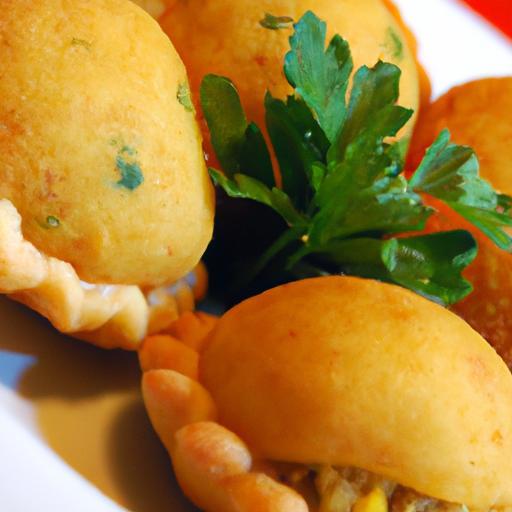
in teh heart of Bolivia’s bustling markets and lively street corners, a fragrant culinary treasure awaits-Salteñas, the beloved savory pastries that tell a story with every bite. These golden, oven-baked pockets burst with a rich medley of meats, vegetables, and a signature sweet-and-spicy sauce, embodying centuries of tradition and regional flavor. More than just a snack, Salteñas are a social ritual, a daily comfort, and a vibrant symbol of Bolivian heritage. This article delves into the origins, artistry, and irresistible taste of Bolivian Salteñas, inviting you to discover why these savory parcels hold a cherished place in both the kitchen and the heart.
The Origins and Cultural Meaning of Bolivian Salteñas
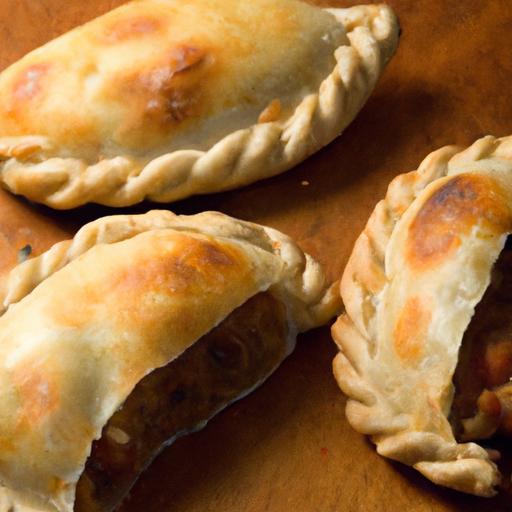
Bolivian Salteñas are much more than just a beloved baked pastry; they are a vibrant emblem of Bolivian culture and culinary ingenuity. Originating in the 19th century, these savory pockets were inspired by Spanish empanadas but quickly developed their own identity, becoming a national favorite for breakfast and street food alike. Legend attributes their creation to Juana Manuela Gorriti, an Argentinian writer residing in Bolivia, who adapted customary empanadas into what is now known as the juicy and richly flavored salteña. today, these handheld delights are a festive symbol, eaten across the country and cherished for bringing families together.
Discovering the perfect Bolivian Salteñas means embracing a delightful harmony of textures and bold flavors that celebrate indigenous ingredients and culinary craftsmanship.
Prep and Cook Time
- Preparation: 45 minutes
- Cooking: 35 minutes
- Total time: 1 hour 20 minutes
Yield
Makes approximately 12 Salteñas – perfect for sharing!
Difficulty Level
Intermediate: Requires some handle on dough-making and filling preparation but well within reach for enthusiastic home cooks.
Anatomy of a Salteña: The Perfect Blend of Dough and Filling
The essence of Bolivian Salteñas lies in their distinct structure: a tender,slightly sweetened dough encloses a vibrant,juicy filling bursting with flavors. The dough feels indulgently soft, yet sturdy enough to contain the signature broth that makes these pastries irresistible.This broth, infused with spices, vegetables, and meat carefully cooked down to juicy perfection, is the heart of every bite.
The filling is traditionally made from minced beef or chicken combined with potatoes, peas, and a zesty mix of cumin and paprika. The secret to the broth-like consistency is the addition of gelatin or a meat stock reduction, which melts during baking to create that coveted juicy interior.
Secrets to Achieving the Ideal Juicy and Flavorful Salteña
Mastering Bolivian Salteñas means balancing moisture with structural integrity. Here are key insider tips for success:
- Chill the dough thoroughly before rolling. This prevents the pastry from becoming too soft and tearing during assembly.
- Pre-cook the filling just until the vegetables soften and the spices bloom. Overcooking can dry out the filling.
- Include gelatin or a natural thickener to create the characteristic “juice” inside your salteñas without sogginess.
- Seal edges meticulously using the traditional “repulgue” folding method. It’s both decorative and functional,locking in all the delicious steam.
- Brush with an egg wash before baking to achieve that irresistible golden-brown sheen.
Where to Savor the Best Traditional and Modern Salteña Varieties
Exploring Bolivian Salteñas goes beyond the classic beef and chicken versions. In urban Bolivian markets and trendy cafes, you’ll find creative spins incorporating quinoa, vegetables, and even vegan-kind fillings that honor the traditional spirit while innovating flavors.
If you ever visit La Paz or Santa Cruz, don’t miss stopping at local street vendors where the air is fragrant with spices and fresh-baked goodness – these often deliver the most authentic experience. For a modern take, some bakeries introduce cheeses and aromatic herbs like cilantro to elevate the salteña’s profile.
For those eager to dive deeper, explore our complete guide to Bolivian cuisine, highlighting other regional delicacies that pair beautifully with salteñas.
Ingredients
- 3 1/2 cups all-purpose flour, sifted
- 1/2 cup unsalted butter, softened
- 1/3 cup granulated sugar
- 1 tsp salt
- 1 cup warm water
- 2 tsp baking powder
- 1 large egg (for dough)
- 1 lb ground chicken or lean beef
- 1 medium onion, finely diced
- 1/2 cup peas (fresh or frozen)
- 1 medium potato, peeled and diced small
- 2 cloves garlic, minced
- 1 tsp cumin powder
- 1 tsp paprika
- 1 tbsp tomato paste
- 1 cup meat stock or chicken broth
- 1 tbsp unflavored gelatin powder
- 2 large eggs (for egg wash)
- Olive oil for sautéing
Instructions
- Prepare the dough: In a large bowl, combine sifted flour, baking powder, sugar, and salt. Rub in the softened butter until mixture resembles coarse crumbs.
- Add the egg and warm water gradually, kneading until you form a smooth, elastic dough. Cover and refrigerate for at least 30 minutes.
- Make the filling: Heat olive oil in a pan over medium heat. Sauté onion and garlic until translucent, about 5 minutes.
- Add ground meat and cook until browned and crumbly, about 7 minutes. Stir in tomato paste, cumin, paprika, potatoes, and peas.
- Pour in meat stock and sprinkle gelatin over the top. Stir until gelatin fully dissolves. Simmer gently for 10 minutes until potatoes are tender and mixture thickens. Cool completely.
- Assemble the salteñas: Preheat oven to 375°F (190°C). Roll out dough on a floured surface into 6-inch circles.
- Spoon a generous amount of filling into the center of each dough circle without overfilling to avoid leaks.
- Fold dough over filling, sealing edges with the traditional repulgue fold: pinch and pleat the dough edges carefully for a tight seal and decorative finish.
- brush each salteña with a beaten egg wash for a glossy golden crust.
- Bake on a parchment-lined tray for 30-35 minutes or until puffed and golden brown.
- Cool slightly before serving to enjoy the juicy interior without burning.
Tips for Success
- Use gelatin for juiciness: If you prefer, substitute gelatin with agar-agar (vegan alternative), but note that texture may slightly vary.
- Chill filling: ensure filling is cooled before filling dough to prevent melting or tearing.
- Practise repulgue folds: Watch video tutorials to master this Bolivian technique; it’s essential for both taste and presentation.
- Make-ahead: Salteñas freeze well before baking. Thaw in fridge overnight, then bake as directed.
Serving Suggestions
Salteñas are traditionally enjoyed warm for breakfast or midday snacking.Serve them with a fresh side of ají-a spicy Bolivian chili sauce-or a tangy tomato salsa to cut through the richness. Garnish with chopped cilantro or thinly sliced red onions for a refreshing bite. Pair your salteñas with a hot coca tea or fresh fruit juice for a complete bolivian experience.

| Nutrient | Per Serving |
|---|---|
| Calories | 320 kcal |
| Protein | 18 g |
| Carbohydrates | 30 g |
| Fat | 12 g |
Explore other authentic Latin American recipes like our Argentinian Beef Empanadas to expand your regional cooking skills.
For an authoritative dive into South American culinary traditions and their historical contexts, visit Encyclopaedia Britannica’s entry on empanadas.
Q&A
Q&A: Bolivian salteñas – Savory Pockets of Tradition and Flavor
Q1: What exactly is a Bolivian salteña?
A1: A Bolivian salteña is a deliciously baked pastry that looks like a small empanada but is famously juicy and packed with a rich, stew-like filling. These savory pockets frequently enough contain beef or chicken, potatoes, peas, and a blend of aromatic spices, all enveloped in a slightly sweet dough that crisps to golden perfection.
Q2: what makes salteñas different from other types of empanadas or pastries?
A2: the hallmark of salteñas is their juicy, almost soup-like interior. Unlike typical empanadas with dry fillings, salteñas hold a thick, savory broth inside the pastry. This requires a clever cooking technique to seal the filling without leakage and achieve the perfect balance of moistness and crispness. Eating one involves a careful first bite to savor the burst of flavorful juices without spilling.
Q3: Where do salteñas originate, and why are they important in Bolivian culture?
A3: Salteñas hail from Bolivia and are a beloved icon of its street food scene. Originally crafted as a nutritious and portable meal for traveling workers, these pastries have grown into a tradition enjoyed at breakfast, lunch, or as a mid-afternoon treat. Salteñas are more than food; they’re a symbol of community gatherings, family recipes handed down through generations, and Bolivian hospitality.
Q4: What are the typical ingredients found in a traditional salteña filling?
A4: Traditional fillings usually include diced beef or chicken simmered with onions, potatoes, peas, and sometimes carrots, all spiced with cumin, turmeric, and a hint of sweet paprika. The magic lies in adding gelatin or a natural thickener, which melts to create that luscious broth inside once baked.
Q5: How is the dough for salteñas unique?
A5: The dough mixes flour, a touch of sugar, and sometimes a hint of orange juice or zest to provide subtle sweetness and elasticity. This sweetness complements the savory, spicy filling and helps the dough brown beautifully. The dough must be tough enough to hold the juicy interior but tender enough to provide a satisfying bite.
Q6: Are salteñas typically homemade or store-bought in Bolivia?
A6: While many Bolivians cherish making salteñas at home, the pastry is also a popular street food sold by vendors throughout cities and towns. Authentic salteñas are a point of pride, and many families guard secret variations of the recipe, making homemade versions particularly special.
Q7: When is the best time to enjoy a salteña?
A7: Salteñas are traditionally eaten for breakfast or as a mid-morning snack. Vendors frequently enough begin baking them early in the morning so the community can enjoy these warm,savory treats to start their day. That warm, spicy filling provides both comfort and energy to kick off morning activities.
Q8: How should you eat a salteña to avoid mess and savor all the flavors?
A8: The key is to hold the salteña vertically and take a small initial bite at the top corner, letting the steam escape slowly. This technique prevents the flavorful juices from pouring out prematurely. Then, you can enjoy the balance of crisp crust and juicy filling with every bite.
Q9: Can salteñas be adapted for vegetarians or other dietary preferences?
A9: Absolutely! while meat-based fillings are traditional, many cooks experiment with hearty vegetable stews or blends of mushrooms, potatoes, corn, and peas seasoned with the classic spices. The juicy, comforting essence of a salteña can shine with these plant-based fillings too.
Q10: Where can someone outside Bolivia experience authentic salteñas?
A10: Thanks to Bolivian diaspora communities, salteñas can be found in Latin American restaurants or bakeries in major cities around the world. Seeking out Bolivian markets, food festivals, or specialized eateries can give a delicious introduction to this treasured Bolivian snack.
Enjoy discovering the warm, fragrant world of salteñas-each bite is a small pocket of bolivian history and heart!
Future Outlook
From bustling street corners to family kitchens nestled in the heart of Bolivia, salteñas are more than just savory pastries-they are edible stories of culture, history, and communal warmth. These golden pockets, bursting with rich meats, vibrant vegetables, and a symphony of spices, invite us to taste tradition with every bite. Whether enjoyed fresh from a street vendor’s basket or shared around a festive table, salteñas continue to connect generations through their comforting flavors and cherished rituals. So next time you savor a warm, juicy salteña, remember you’re not just indulging in a delicious snack-you’re partaking in a culinary legacy that has traveled through time, preserving the spirit of Bolivia in every fold.