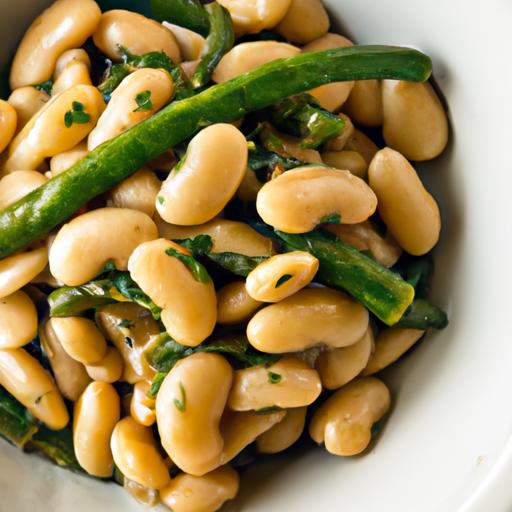



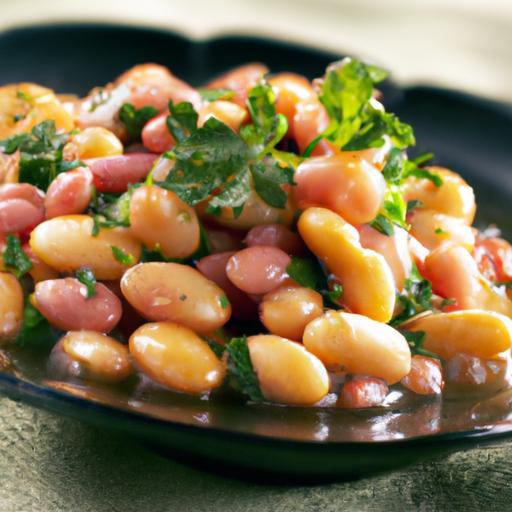
Nestled at the crossroads of ancient tradition and modern nutrition, brined lupini beans are making a flavorful comeback as a tangy twist on one of nature’s protein powerhouses. these vibrant, golden legumes-long cherished in Mediterranean and South American cuisines-offer a unique burst of zest and a satisfyingly firm texture that elevates everything from salads to snacks. Beyond their bold flavor, lupini beans pack a hefty punch of plant-based protein and fiber, making them an irresistible choice for health-conscious food lovers and culinary adventurers alike. Join us as we dive into the world of brined lupini beans, uncovering their history, health benefits, and creative ways to bring this tangy treasure into your kitchen.
Understanding the Nutritional benefits of Brined lupini Beans
Brined lupini beans are a nutritional powerhouse that bring a tangy, satisfying bite to any dish. Originating from the Mediterranean basin, these vibrant legumes have been cherished for centuries, prized not just for their unique flavor but also for their exceptional health profile. Packed with plant-based protein, dietary fiber, and essential minerals like magnesium and potassium, brined lupini beans support muscle health, digestion, and heart wellness. Their low glycemic index makes them an excellent choice for sustained energy release, while antioxidants help reduce inflammation.
Incorporating brined lupini beans into your diet is a flavorful way to boost protein without the heaviness of animal products, making them ideal for vegetarian and vegan lifestyles. Unlike many protein sources, lupini beans come soaked in a briny solution that naturally enhances their flavor and texture, turning each bite into a refreshing tangy experience.
Prep and Cook Time
- Preparation: 10 minutes (plus soaking and brining time)
- Cook/Soaking Time: 72 hours (soaking and multiple water changes)
- Total Time: Approximately 3 days for ideal brining
Yield
About 3 cups of perfectly tangy brined lupini beans
Difficulty Level
Medium – requires patience with soaking and brining, but minimal active cooking
Mastering the Art of Brining for Perfectly Tangy Flavor
The secret behind beautifully flavored brined lupini beans lies in patience and technique. The initial bitter alkaloids must be carefully leached out through prolonged soaking and frequent water changes, usually over three days. Once bitterness dissipates, soaking the beans in a well-balanced salt brine infuses them with a shining, tangy taste that’s impossible to replicate.
Start by soaking dried lupini beans in water for 48 hours, changing the water every 12 hours. Then, simmer them gently to soften, followed by a further 24 hours in a chilled brine solution made with sea salt, garlic, and aromatic herbs. This customary method not only perfects texture-yielding firm yet tender beans-but also achieves that signature tangy depth perfect for salads,snacks,or spreads.
Creative Ways to Incorporate lupini Beans into Your Meals
Brined lupini beans bring a pleasing texture and vibrant tang to countless dishes. Toss them into a Mediterranean grain bowl alongside roasted vegetables and fresh herbs for a protein-packed lunch or use them as a bright,briny addition to summer salads with cucumbers,cherry tomatoes,and olives.Their firm bite makes them a fantastic crunchy topping for avocado toast or a nutritious snack when simply drizzled with extra virgin olive oil and a sprinkle of smoked paprika.
For more adventurous cooks, blend brined lupini beans into creamy dips and spreads with garlic, lemon juice, and tahini, offering a delightful choice to hummus. Alternatively, fold them into savory pastries and veggie fritters to elevate flavor and nutrition. Their ability to hold shape through cooking makes lupini beans incredibly versatile and visually appealing in plated dishes.
Expert Tips for Storing and Serving Brined Lupini Beans
once perfectly brined,lupini beans keep beautifully when stored properly,preserving their tangy character and firmness. Transfer them to an airtight jar with their brine and refrigerate; they’ll stay fresh for up to two weeks. If you prefer a milder taste, rinse the beans briefly under cold water before serving.
Serve chilled or at room temperature for the best flavor profile-tangy, refreshing, and tender. Garnish with freshly chopped herbs like parsley or mint, a drizzle of robust olive oil, or a sprinkle of toasted sesame seeds for added visual and textural contrast. This simple yet sophisticated touch turns lupini beans into a stunning appetizer or side that invites conversation.

Ingredients
- 2 cups dried lupini beans
- Sea salt: 1/2 cup (for brining)
- Fresh water: for soaking and rinsing
- 2 cloves garlic, peeled and smashed
- 1 sprig fresh rosemary or thyme
- Optional: lemon zest or crushed chili flakes for brine infusion
Instructions
- Rinse and soak: Rinse lupini beans well and place them in a large bowl. Cover with 4 cups of fresh water and soak for 48 hours, changing the water every 12 hours to remove bitterness.
- Cook to soften: Drain soaked beans and place in a pot with fresh water to cover.Gently simmer for 45-60 minutes until tender but still firm. Drain and rinse thoroughly.
- Prepare brine: Combine sea salt, 4 cups of water, garlic cloves, and rosemary in a clean jar or container. Stir until salt dissolves completely.
- Brine the beans: Submerge the cooked lupini beans in the brine. Cover tightly and refrigerate for 24 hours to infuse flavor and create that signature tang.
- Final rinse and storage: After brining, drain beans and transfer them along with the brine to a clean jar.Keep refrigerated and consume within two weeks.
Chef’s Notes and Tips for Success
- Patience is key: Thorough soaking with frequent water changes ensures lupini beans lose bitterness and develop smooth flavor.
- Customize your brine: Experiment with infused herbs, lemon zest, or mild chili flakes to add layers of personality to your beans.
- Make-ahead: Brined lupini beans store well; prepare a batch in advance for quick meal enhancements or snacks.
- Texture test: The beans should be tender yet slightly firm-overcooking can cause mushiness, while undercooking retains bitterness.
- Rinse before serving: If the brine is too salty for your taste, a quick rinse balances the flavors perfectly.
Serving Suggestions
Serve chilled lupini beans drizzled with extra virgin olive oil and garnished with finely chopped parsley or mint for a refreshing starter. They pair wonderfully alongside whole grain breads or as a zesty protein boost in summer salads with cucumbers,tomatoes,red onion,and kalamata olives. For a heartier dish,toss with roasted root vegetables and a squeeze of fresh lemon juice.
Turn lupini beans into a luxurious dip by blending with tahini,garlic,and lemon,then serve with crisp pita chips or vegetable crudités. Their tangy, firm texture lends a delightful contrast that elevates simple meals into culinary highlights.
| Nutrient | Amount per 1/2 cup (approx.) |
|---|---|
| Calories | 90 |
| protein | 8g |
| carbohydrates | 7g |
| Fat | 1g |
| Fiber | 5g |
For a deeper dive into Mediterranean legumes and plant-based protein benefits,explore our Mediterranean Legumes Guide. To understand how brining extends shelf life while enhancing flavors, consider this detailed clarification from Science Daily.
Q&A
Q&A: Brined Lupini Beans – A Tangy Twist on a Protein Powerhouse
Q1: What exactly are lupini beans?
A1: Lupini beans are ancient legumes treasured across the Mediterranean and Latin America. Known for their firm texture and mild, slightly nutty flavor, they pack a protein punch that makes them a favourite among plant-based eaters.These beans are unique for their bitterness when raw,which is why they’re traditionally brined to mellow and enhance their taste.
Q2: Why brine lupini beans?
A2: Brining lupini beans is essential to remove their natural bitterness and make them edible. The brine-typically a salty solution-soaks the beans for several days or weeks, resulting in a tangy, savory flavor with a delightful firmness.This process not only improves taste but also enhances their shelf life and digestibility.
Q3: How do brined lupini beans compare nutritionally to other legumes?
A3: Lupini beans are a true protein powerhouse, boasting up to 40% protein content-higher than many common beans and lentils. They’re also rich in dietary fiber, low in carbohydrates, and packed with minerals like magnesium and potassium.This nutritional profile supports muscle health, promotes digestion, and helps maintain balanced energy levels.
Q4: Can brined lupini beans be eaten straight from the jar?
A4: Absolutely! After their tangy brining, lupini beans make a perfect on-the-go snack. Traditionally enjoyed by popping the beans out of their tough outer skins directly into your mouth, they’re ideal for a quick protein boost. Just be mindful of the saltiness, as they carry the brine’s savory punch.
Q5: What are some creative ways to use brined lupini beans in cooking?
A5: Beyond snacking, brined lupini beans add a delightful texture and flavor to salads, grain bowls, and mezze platters. Toss them with fresh herbs, citrus zest, and a drizzle of olive oil for a simple appetizer. They also blend beautifully into spreads or hummus-like dips, infusing dishes with a tangy depth that elevates your everyday recipes.
Q6: Are lupini beans allergenic or difficult to digest?
A6: Lupini beans are generally well-tolerated, but like other legumes, they contain alkaloids that require thorough soaking and brining to reduce bitterness and improve digestibility. Some individuals with legume allergies-such as those allergic to peanuts or soy-should exercise caution and consult with a healthcare professional before trying lupini.
Q7: How can someone make their own brined lupini beans at home?
A7: Making your own brined lupini beans is a rewarding kitchen project! Start by soaking dried lupini beans in fresh water for several days, changing the water daily to leach out bitterness. Then, submerge them in a saltwater brine for up to two weeks, tasting periodically until their flavor turns tangy and mild. Once ready, rinse well and store them in fresh brine or refrigerate.
Q8: What makes lupini beans stand out among plant-based protein options?
A8: Lupini beans’ star quality lies in their combination of high protein content, low carbohydrate load, and unique texture that’s firm yet creamy. Unlike some legumes that can be mushy or bland, the tangy twist from brining infuses lupini with a bright flavor that complements a variety of dishes, giving plant-based meals a sophisticated edge.
Q9: Can lupini beans support lasting eating habits?
A9: Certainly! Lupini beans grow well in poor soils and require less water than many other crops, making them a sustainable choice. Incorporating lupini into your diet not only boosts protein intake but also supports environmentally amiable agriculture practices, aligning delicious eating with stewardship of the planet.
Q10: Where can one buy brined lupini beans if not making them at home?
A10: Brined lupini beans are increasingly available in specialty grocery stores, Mediterranean markets, and health food shops. They frequently enough come jarred in brine, ready to enjoy straight away. Look for reputable brands that ensure proper processing to guarantee the best flavor and safety.
Brined lupini beans invite a tangy, textured twist to your protein repertoire-an ancient legume reborn as a modern super-snack. Whether straight from the jar or jazzed up in dishes, they offer a vibrant, versatile, and nutritious ingredient to elevate your culinary adventures.
To Conclude
Whether your a seasoned legume lover or just beginning to explore the world of plant-based proteins, brined lupini beans offer a tangy twist that elevates any dish. Their vibrant flavor, combined with impressive nutritional benefits, makes them an irresistible addition to your pantry. So next time you’re seeking a snack that’s both satisfying and packed with protein, let lupini beans take center stage-turning everyday meals into culinary adventures with a zingy, wholesome flair. Embrace this ancient legume’s modern comeback, and savor the perfect blend of taste and nutrition in every bite.