




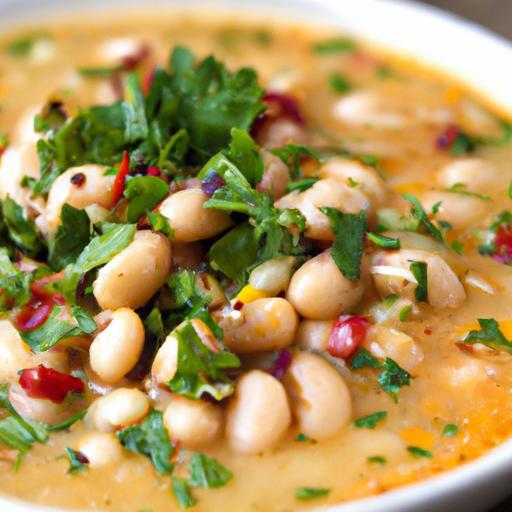
When it comes to hearty, comforting white chili, cannellini beans often steal the spotlight with their creamy texture and mild flavor. but what if your pantry runs dry, or you’re craving a twist on the classic recipe? Enter the world of bean alternatives-swap secrets that can transform your white chili into something both familiar and refreshingly new. In this article, we’ll explore a variety of beans and legumes that not only stand in for cannellini but also bring their own unique character to the table.Whether you’re after a quicker cook time, a different texture, or a nutritional upgrade, these alternatives will help you craft a white chili that’s every bit as satisfying and delicious. ready to rethink your bean game? let’s dive in.
Swap Secrets: Alternatives to Cannellini Beans in White Chili unlock a world of flavor and texture possibilities that can transform your classic white chili into a vibrant and personalized masterpiece. White chili, traditionally celebrated for its creamy cannellini beans and tender chicken, invites innovation without losing its comforting essence. Whether you’re aiming for a nutritional boost, seeking a textural contrast, or catering to dietary needs, swapping in different beans can elevate your dish while honoring its cozy roots.
Exploring Flavorful Substitutes to Elevate Your White Chili
As cannellini beans boast a mild, buttery flavor and soft texture, selecting a substitute requires consideration of both taste and mouthfeel. Popular white beans like great northern,navy,or baby lima beans mirror similar profiles but also introduce subtle nuances. For a heartier bite and earthier tone, chickpeas and butter beans make excellent candidates. These alternatives add delightful creaminess while offering distinct textures that enhance the overall chili experience. Black-eyed peas bring a slightly nutty flavor and firmer bite, which contrasts beautifully against the creamy broth.
Each bean substitute offers a slightly different culinary personality: chickpeas add a crumbly yet firm bite that holds well during simmering, while baby lima beans lend a richer, buttery mouthfeel. If you crave a slight sweetness and smooth finish, navy beans effortlessly mimic cannellini’s subtlety. Using these swaps allows you to explore the white chili base as a versatile canvas that adapts to seasonally inspired variations or dietary preferences.
Nutritional Benefits and Texture Comparisons of Popular Bean Alternatives
Beans are nutritional powerhouses, packed with fiber, protein, vitamins, and minerals, but their nutrient density and texture vary. For example, chickpeas provide a robust 15 grams of protein per cup, supporting muscle repair and satiety, while baby lima beans offer a smooth texture rich in iron and potassium, both essential for energy and circulation. Cannellini and great northern beans are comparable in calories and protein but differ slightly in their starch content, affecting creaminess in the chili.
| Bean Type | Calories (per 1 cup) | Protein (g) | Carbs (g) | fat (g) | Texture |
|---|---|---|---|---|---|
| Cannellini | 225 | 15 | 40 | 1 | Creamy, soft |
| Chickpeas | 270 | 15 | 45 | 4 | Firm, slightly crumbly |
| Baby Lima | 230 | 14 | 39 | 1 | Buttery, smooth |
| Navy Beans | 255 | 15 | 44 | 1 | Soft, mild |
| Black-Eyed Peas | 160 | 13 | 35 | 0.5 | Firm, nutty |
How to Adapt Cooking Times and Techniques for Different Beans
Swapping beans in your white chili means adjusting cooking times to optimize texture and flavor. Most dried beans require soaking overnight for even cooking and to reduce digestion discomfort, but canned beans provide convenience with flexible timing.
- Dried Chickpeas: Soak 8-12 hours, then simmer 60-90 minutes until tender but firm, ensuring they don’t become mushy in the chili.
- Baby Lima Beans: These cook faster-about 45-60 minutes after soaking-and their buttery texture can thicken your chili, so monitor liquid levels.
- Navy and Cannellini Beans: Typically require similar soaking and cooking times, roughly 60-90 minutes.
- Black-eyed Peas: Soak for 6-8 hours and cook about 30-45 minutes; their firmer structure requires later addition to avoid toughness.
Using canned beans? Rinse thoroughly and add them during the last 15-20 minutes of cooking-this preserves their shape and prevents overcooking. Adjust liquid quantities slightly for beans that absorb more broth to maintain the chili’s luscious consistency.
Creative Twist Ideas to Complement Your White Chili Swap Choices
Every bean alternative opens doors to playfully reimagine your white chili:
- Roasted Corn and Chipotle Chickpea Chili: Enhance the smoky warm notes when using chickpeas by roasting corn kernels and adding a hint of chipotle powder for subtle heat.
- Creamy Baby Lima and Butternut Squash: The buttery bean pairs spectacularly with roasted butternut squash cubes for a velvety, slightly sweet twist perfect for autumn menus.
- Navy Bean and Herb Explosion: Add fresh thyme, oregano, and a splash of lime juice to brighten the earthy navy beans in your pot, achieving a herbaceous and refreshing tone.
- Black-Eyed Pea and collard Greens: Incorporate chopped collards stirred in last-minute for a Southern-inspired version that balances texture and nutrition.
Play with garnishes like toasted pumpkin seeds, fresh cilantro, diced avocado, or a dollop of dairy-free sour cream to add bursts of color, temperature contrast, and enriching creaminess that compliment whichever bean you choose.
Prep and Cook Time
- Prep Time: 20 minutes (plus soaking time for dried beans)
- Cook Time: 1 to 1.5 hours (varies with bean choice)
Yield
Serves 6 generous bowls
Difficulty Level
Medium – perfect for cooks comfortable with simmering and seasoning layering
Ingredients
- 2 cups dried or 4 cups canned your choice of white bean substitute (chickpeas,baby lima,navy,or black-eyed peas),soaked if dried
- 1.5 lbs boneless, skinless chicken thighs, cubed
- 1 medium yellow onion, finely chopped
- 3 garlic cloves, minced
- 2 poblano peppers, diced
- 1 can (14.5 oz) diced green chilies
- 4 cups low-sodium chicken broth
- 1 cup vegetable broth
- 1 tsp ground cumin
- 1 tsp dried oregano
- 1/2 tsp smoked paprika
- Salt and black pepper, to taste
- 2 tbsp olive oil
- Fresh lime wedges, for serving
- chopped cilantro and diced avocado, for garnish
Instructions
- Prepare your beans: If using dried, soak overnight and rinse well. In a large pot, simmer soaked beans in fresh water for 45-90 minutes depending on the type until tender but not falling apart. If using canned beans,rinse under cold water and set aside.
- Sauté aromatics: Heat olive oil in a heavy-bottom pot over medium heat.Add onion and poblano peppers, cooking until soft and fragrant, about 5-7 minutes. Stir regularly to avoid browning to fast.
- Add garlic and spices: Stir in garlic,cumin,oregano,and smoked paprika; cook for 1 minute until spices bloom and aroma intensifies.
- Cook chicken: Add cubed chicken thighs and brown on all sides, about 5-6 minutes. This locks in juices and deepens flavor.
- Incorporate chilies and beans: Stir in diced green chilies and your pre-cooked or canned beans, blending flavors gently.
- Add broths and simmer: Pour in chicken and vegetable broth, bring the chili to a gentle boil, then lower heat and simmer uncovered for 30-45 minutes.This melds flavors and thickens the stew.
- Season and adjust: Taste and adjust salt, pepper, or spice levels. If chili is too thick, add a splash more broth or water.
- Serve hot: Ladle into bowls, garnish generously with cilantro, avocado, and lime wedges for a fresh burst.
Chef’s Notes
- For faster readiness, canned beans are excellent-but always rinse to cut excess sodium and off-flavors.
- If you prefer a creamier texture, lightly mash a cup of beans before adding them back to the chili for natural thickening.
- To make this dish vegetarian, substitute chicken with roasted cauliflower or firm tofu, and use vegetable broth throughout.
- For extra depth, add a splash of fresh lime juice right before serving to brighten the flavors and highlight the herbs.
- Make ahead tip: This chili tastes even better the next day as flavors intensify. Reheat gently, adding broth if thickened.
Serving Suggestions
This white chili variant pairs beautifully with warm corn tortillas or rustic sourdough bread.Elevate presentation by topping with a creamy avocado slice, sprinkles of toasted pumpkin seeds for crunch, and crisp radish rounds for color. For a cooling touch, a small dollop of Greek yogurt or a dairy-free alternative blends harmoniously with the spicy, smoky broth.
For an added texture contrast, serve alongside a fresh cabbage slaw tossed with lime and cilantro-the crispness cuts through the chili’s richness perfectly.
Explore more hearty bean recipes and flavor inspirations in our Hearty Bean Recipes Collection.
Learn more about the nutritional merits of beans at the USDA Choose MyPlate Beans and Peas Nutrition Guide.

Q&A
Swap Secrets: Alternatives to Cannellini Beans in White Chili
Q: Why might I want to swap out cannellini beans in my white chili recipe?
A: While cannellini beans are classic in white chili for their creamy texture and mild flavor, you might want to swap them for variety, dietary preferences, or simply because you ran out! Sometimes, exploring alternatives can bring new textures and tastes, making your white chili an exciting twist on tradition.
Q: What are the best bean alternatives to cannellini beans in white chili?
A: Great substitutes include navy beans, great northern beans, or baby lima beans. navy beans are smaller but have a similar creamy texture. Great northern beans boast a slightly nutty flavor that complements the spices in white chili. Baby lima beans offer a buttery richness, adding a delightful dimension to the dish.
Q: Can non-bean ingredients replace cannellini beans in white chili?
A: Absolutely! For a bean-free option, try diced potatoes or hearts of palm. Potatoes provide a soft, hearty bite that absorbs the chili spices well, while hearts of palm add a subtle crunch and mild flavor that elevates your chili’s texture palette.
Q: How do different bean substitutes impact the cooking process?
A: Most white chili bean alternatives cook similarly to cannellini beans, but cooking times may vary. For example,lima beans often require a slightly shorter soak and cook time compared to larger cannellini beans. If using canned beans,simply drain and rinse before adding.If opting for potatoes or hearts of palm, add them mid-simmer to avoid overcooking.
Q: Will swapping beans alter the nutritional profile of white chili?
A: Yes, to some extent. While most bean alternatives are great sources of fiber and protein, baby lima beans tend to have higher fiber content, promoting digestion. Using potatoes reduces the protein content but adds vitamin C and potassium. Choosing your substitute can subtly shift your chili’s nutritional benefits.
Q: Any tips to keep the chili’s flavor balanced when swapping beans?
A: Since beans absorb and mellow spices,you might want to adjust seasoning slightly when experimenting.For example, with buttery lima beans, a touch more chili powder or cumin can enhance depth. If using potatoes, adding a squeeze of fresh lime or a sprinkle of fresh herbs near the end can brighten the overall flavor.
Q: Can I blend my bean substitute to maintain the creamy texture typical of white chili?
A: Yes! Pureeing a portion of your bean substitute, like great northern or navy beans, before folding it back in can replicate that smooth creaminess characteristic of conventional white chili. This technique benefits from using a sturdy blender or immersion blender to keep the texture velvety.
Q: are there regional or cultural twists that use different beans or legumes in white chili?
A: Indeed! Southwestern and Mexican-inspired white chilis sometimes experiment with black-eyed peas or fava beans, each bringing unique earthy notes and creamy textures. While less common, these swaps honor local legume varieties and create a playful reinterpretation of classic white chili.
Q: What’s a fun idea for serving white chili with alternative beans?
A: Serve your bean-swapped white chili over a bed of toasted quinoa or alongside cornbread infused with jalapeños for an exciting contrast of textures and flavors. Garnish with fresh cilantro, diced avocado, and a dollop of lime crema for extra zest and creaminess.
Ready to shake up your white chili? Whether you stick with beans or venture into creative swaps, the secret ingredient is your imagination!
To Wrap It Up
Whether you’re dealing with a pantry shortage or simply craving a twist on tradition, these cannellini bean alternatives open up a world of possibilities for your white chili. From the creamy smoothness of Great Northern beans to the hearty bite of navy beans, each swap brings its own unique character to the bowl. So next time you stir your pot of white chili,don’t be afraid to experiment-because sometimes,the best flavors come from daring to deviate. happy cooking, and may your chili always be comforting, flavorful, and delightfully unexpected!