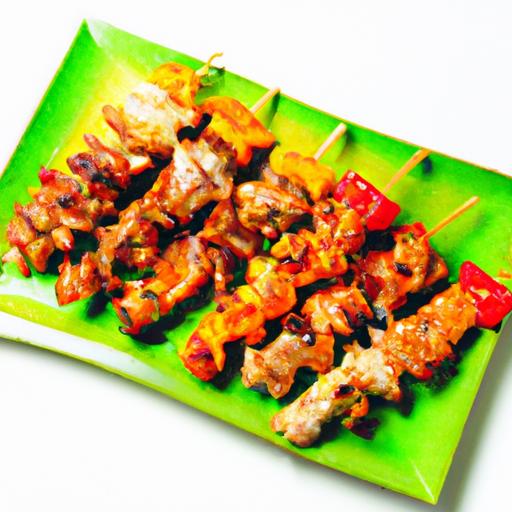



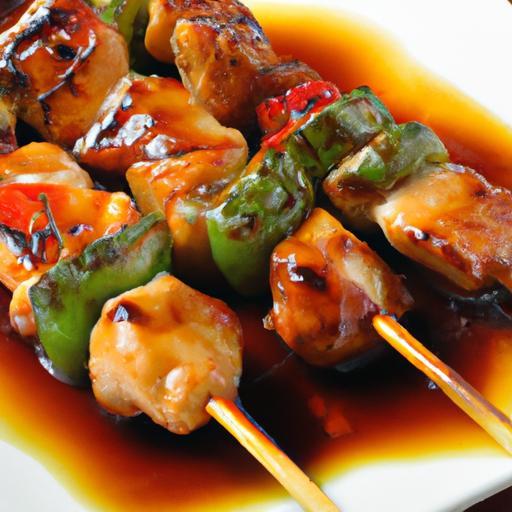
There’s something irresistibly charming about chicken yakitori-the smoky aroma,the tender bite,the perfect harmony of savory and sweet flavors dancing on your palate. Originating from the bustling streets of Japan, these skewered delights have transcended borders, captivating food lovers worldwide with their simplicity and depth.In this guide, we’ll unlock the secrets to crafting perfect chicken yakitori skewers at home, from selecting the ideal cuts to mastering the marinade and grilling techniques that bring out every nuance of flavor. Get ready to savor each bite as we embark on a culinary journey celebrating this timeless Japanese classic.
choosing the Ideal Chicken Cuts for Tender and Juicy Yakitori
Savor the Flavors of authentic yakitori begins with selecting the best chicken cuts-this is the cornerstone of achieving tender and juicy skewers bursting with umami. Traditionally, Japanese yakitori chefs carefully choose parts that balance texture and moisture to elevate every bite. Chicken thigh is the gold standard due to its rich marbling and succulent consistency. Its slightly fatty nature ensures moisture retention during grilling while imparting deep savory notes.
Another great choice is the chicken breast, prized for its lean texture but frequently enough requiring gentle handling or marinating to avoid dryness.To balance, combine breast pieces with fatty skin sections or alternate with chicken skin (torikawa) skewers, which add a crispy, flavorful contrast.For adventurous cooks, incorporating chicken liver offers richness and silkiness, creating layers of taste and texture in your yakitori spread.
Mastering the Art of Marinades and Sauces to Elevate Every Skewer
Marinades and sauces are the heartbeats of the dish, infusing the chicken with layers of sweet, salty, and smoky depth. The classic yakitori tare sauce-made from a carefully simmered blend of soy sauce, mirin, sake, and sugar-imbues skewers with a sticky glaze that caramelizes beautifully over charcoal flames. To start, marinate your chicken for at least 30 minutes, allowing the flavors to penetrate but avoiding overpowering the natural meatiness.
Alternatively, a simple salt seasoning (“shio”) method brings out the pure chicken essence, ideal for thigh or skin cuts. Whisk a soy-ginger marinade with sesame oil, garlic, and a touch of honey for a refreshing twist, perfect for adventurous palates seeking balance between sweet and savory. Remember to baste frequently while grilling, creating layers of glaze that scream caramelized perfection.
Techniques for Achieving the Perfect Char and Flavor Balance
Achieving the perfect yakitori char is an art rooted in patient, attentive grilling. Use medium-high heat and preferably charcoal to replicate the authentic smoky essence that gas or electric grills lack. Thread chicken pieces evenly on bamboo skewers, ensuring each segment is neither too large nor too small to cook uniformly. Keep the skewers about 4 inches long for comfortable handling.
Turn skewers ofen to develop an even char without burning the sugars in the tare sauce. The secret lies in alternating between direct and indirect heat zones-start on direct flame for that coveted sear, then move to slightly cooler areas to finish cooking gently while basting with reserved sauce. This technique prevents drying out while building complexity in flavor.
Serving Suggestions and Pairings to Complement Your Yakitori Experience
Present your yakitori skewers on a rustic wooden board or traditional Japanese plate to heighten the sensory experience. Garnish with thinly sliced scallions, a sprinkle of shichimi togarashi for a subtle kick, or lemon wedges to brighten the palate. pair with fluffy steamed rice and a light cucumber sunomono salad to refresh between bites.
For beverages,match with a cold Japanese lager or a crisp,dry sake to cleanse and amplify the savory meatiness.Consider accompanying a bowl of miso soup or pickled vegetables to round out the authentic japanese izakaya vibe. The balance of textures and flavors will make every bite of your yakitori an irresistible celebration of Japanese street food culture.
Prep and Cook Time
- Readiness: 20 minutes
- Marinating: 30 minutes (optional but recommended)
- Grilling/Cooking: 15-20 minutes
- Total: Approximately 1 hour
Yield
Serves 4-6 as an appetizer or snack, 2-3 as a main course
Difficulty Level
Medium – requires some grilling technique but accessible to home cooks with practice
Ingredients
- 500g boneless, skin-on chicken thighs, cut into 1.5-inch pieces
- 100g chicken skin, removed and cut into bite-sized strips (optional)
- 2 tbsp soy sauce
- 2 tbsp mirin
- 1 tbsp sake
- 1 tbsp granulated sugar
- 1 tsp grated fresh ginger
- 1 tsp garlic, minced
- salt, to taste
- Bamboo skewers, soaked in water for at least 30 minutes
- Shichimi togarashi (Japanese seven-spice), for garnish
- Fresh lemon wedges, for serving
- Chopped scallions, for garnish
Instructions
- In a small saucepan, combine the soy sauce, mirin, sake, sugar, ginger, and garlic. Simmer gently for 10 minutes until the sugar dissolves and the sauce thickens slightly. Set aside to cool. This is your tare sauce.
- Thread the chicken thigh pieces and skin strips alternately onto the soaked bamboo skewers, ensuring pieces are snug but not overcrowded.
- If using the tare marinade, brush the chicken lightly and let rest for 30 minutes. If preferring shio style, sprinkle salt just before grilling.
- Preheat your grill or charcoal barbecue to medium-high. Place the skewers over direct heat and grill for 3-4 minutes on each side, turning frequently for even cooking and slight charring.
- Brush additional tare sauce generously on the skewers while they cook, allowing each layer to caramelize. Move skewers to indirect heat for 5 minutes to finish cooking through without burning.
- Remove from grill once the chicken is cooked through and beautifully glazed with a rich, sticky coating.
- Transfer to a platter and garnish with chopped scallions, a sprinkle of shichimi togarashi, and serve with lemon wedges for squeezing over.
Chef’s Notes
- For easy prep, chicken thighs can be marinated overnight in the tare sauce for deeper flavor.
- If grilling isn’t an option, broil on high in your oven, turning and basting often to mimic charcoal cooking.
- Try swapping chicken thigh with boneless drumsticks for slightly different texture and sweetness.
- Keep extra tare warm during grilling but do not reuse sauce brushed over raw chicken without boiling to prevent contamination.
Serving Suggestions
arrange skewers on a long platter with bright garnishes like pickled ginger, fresh cucumber slices, or crunchy radish sprouts. for an authentic touch,serve alongside steamed Japanese rice and a chilled bowl of miso soup. A small dipping bowl of extra tare lets guests customize their sauciness.
Pair this dish with crisp lager or a lightly chilled sake for a balanced and harmonious meal.
| Nutrient | Per Serving |
|---|---|
| Calories | 280 kcal |
| Protein | 32g |
| Carbohydrates | 6g |
| Fat | 14g |

Q&A
Q&A: Savor the Flavors – A Guide to Perfect Chicken Yakitori Skewers
Q1: What is yakitori, and why is it so beloved in Japanese cuisine?
A: Yakitori literally means “grilled bird,” referring to bite-sized pieces of chicken skewered and cooked over a charcoal fire. It’s beloved for its simplicity and deep, smoky flavor that celebrates quality ingredients and skillful grilling. Whether enjoyed as street food or in cozy izakayas,yakitori offers a perfect harmony of charred crispness and juicy tenderness.
Q2: What cuts of chicken work best for yakitori?
A: While chicken thigh is the star ingredient-juicy and flavorful-other parts like breast, skin, and even cartilage bring unique textures to the skewer. Mixing cuts gives a delightful contrast: tender meat, crispy skin, and a bit of crunch from cartilage for adventurous eaters.
Q3: How crucial is marinating the chicken for yakitori?
A: Marinating is optional but can elevate flavor. Many purists prefer to season simply with salt to highlight the chicken’s natural taste. However, a fast soak in a light soy-based marinade adds a subtle umami layer without masking the grill’s smokiness. The key is balance-never overpower the essence of the grilled bird.
Q4: What’s the secret to achieving that perfect glaze on yakitori?
A: The magic lies in the tare sauce-a luscious blend of soy sauce, mirin, sake, and sugar, simmered until thick and glossy. Basting the skewers repeatedly while grilling creates a shiny, caramelized coating that’s irresistibly savory and slightly sweet. Patience and attentive flipping make all the difference!
Q5: Can you grill yakitori on a regular barbecue or stovetop grill pan?
A: Absolutely! While traditional charcoal grilling imparts an unmatched smoky aroma, a gas grill or even a grill pan can produce excellent results. To mimic that charred flavor, keep the heat high, brush on a bit of oil, and manage the skewers carefully to avoid drying out the chicken.
Q6: How should chicken be prepared on the skewer for optimal cooking?
A: Cut uniform, bite-sized chunks to ensure even cooking. Thread pieces snugly but not too tightly to allow heat circulation. Alternate meat with aromatic components like spring onions or shiitake mushrooms for extra flavor and visual appeal.
Q7: what side dishes or accompaniments complement chicken yakitori?
A: Yakitori pairs beautifully with simple sides like steamed rice,pickled vegetables,and fresh cucumber salad. Miso soup or a crisp green salad can round out the meal. These mild flavors provide a refreshing contrast to the rich, smoky skewers.
Q8: How do you no when yakitori is perfectly cooked?
A: The chicken should be golden-brown with slight charring at the edges, juicy inside, and fragrant with a hint of smokiness. Cooking times vary, but typically 4-6 minutes over medium-high heat with regular turning will do. Avoid overcooking to keep the meat tender.
Q9: Can you experiment with flavors in yakitori beyond the classic tare and salt?
A: Definitely! While traditionalists value simplicity, chefs frequently enough elevate yakitori with creative twists-like a dash of yuzu zest, sprinkling shichimi spice for heat, or serving with a side of tangy ponzu sauce. The beauty of yakitori is its versatility, inviting you to savor and personalize each skewer.
Q10: What skills should a beginner practice to master homemade yakitori?
A: Focus first on cutting uniform pieces, maintaining consistent grill heat, and mastering the timing of basting with tare. Developing an eye for doneness and balancing smoky char with juicy tenderness are key.With practice,your yakitori will evolve from simple skewers to flavorful art.
Savoring yakitori is not just about food-it’s about embracing the rhythm of grilling, the joyous sizzle of meat meeting flame, and sharing these smoky treasures one skewer at a time. Ready your skewers and let the flavors sing!
Insights and Conclusions
As the final glow of your grill fades and the last bite of tender, smoky chicken vanishes, you’ll find that mastering the art of yakitori is more then just a culinary achievement-it’s an invitation to celebrate simplicity, tradition, and flavor in perfect harmony. With the techniques and tips shared hear, every skewer you craft transforms into a savory masterpiece, bringing a taste of Japan’s vibrant street food culture straight to your table. So fire up your grill, gather your favorite ingredients, and let each yakitori skewer tell its delicious story-one bite at a time. Happy grilling!