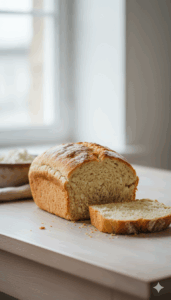




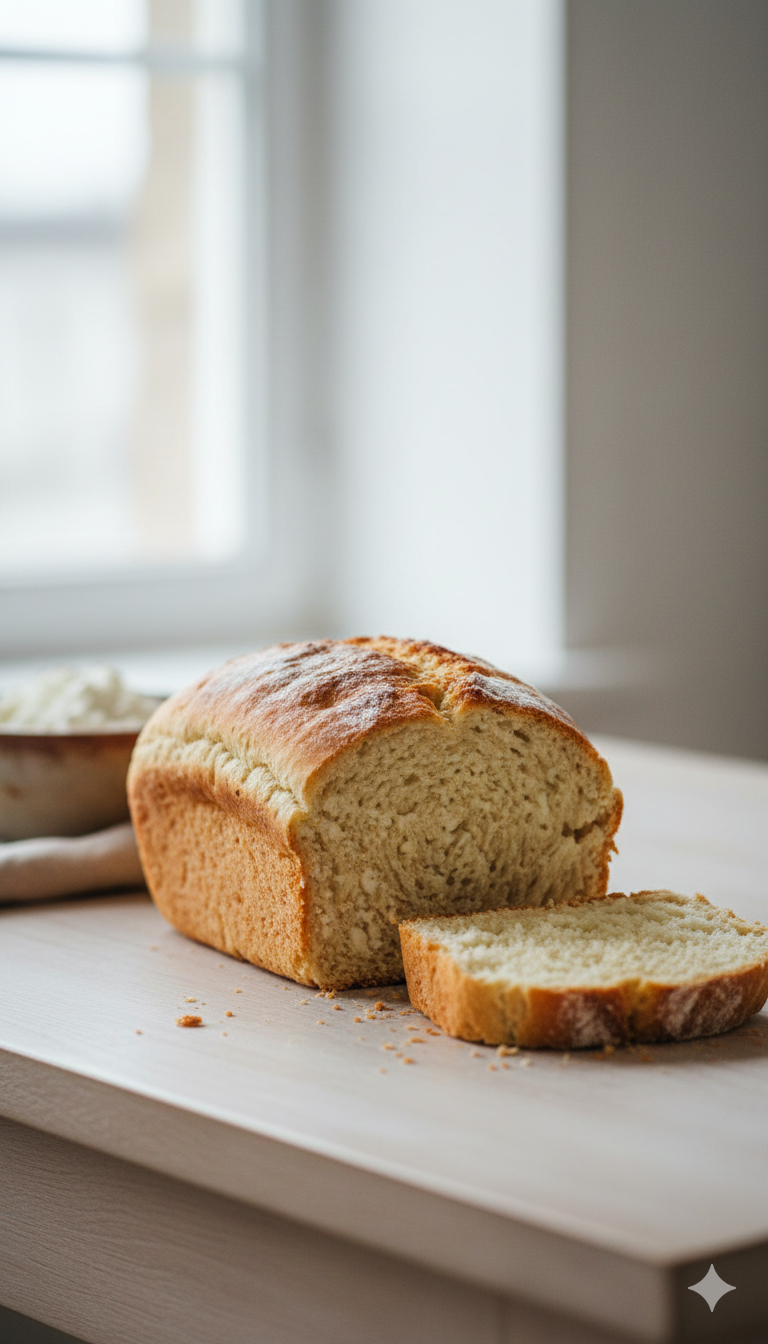
There’s something undeniably comforting about the aroma of freshly baked bread wafting through your kitchen, promising warmth adn satisfaction in every bite. But have you ever wondered how to elevate this everyday staple into something truly remarkable? Enter cottage cheese bread-a heavenly fusion of creamy tang and tender crumb that transforms simple ingredients into a fluffy delight. In this article, we’ll uncover the secrets behind baking the perfect cottage cheese bread, exploring tips, techniques, and the science that turns curds and dough into a masterpiece. Whether you’re a seasoned baker or a curious newcomer, prepare to embark on a flavorful journey that’s as rewarding to make as it is to eat.
Fluffy Delight: How to Bake Perfect Cottage Cheese Bread
Fluffy Delight begins with understanding the unique charm of cottage cheese and how it transforms ordinary bread into something irresistibly soft and tender. This humble dairy ingredient doesn’t just add moisture – it creates a delicate crumb that melts in your mouth, making every bite a magical experience. Whether you’re new to baking or a seasoned home baker, mastering this cottage cheese bread recipe will elevate your skills and delight your senses with a golden crust and pillow-like interior.
Prep and Cook time
- Preparation: 20 minutes
- Rising: 1 hour 30 minutes
- Baking: 35 minutes
- Total: 2 hours 25 minutes
Yield
One medium loaf (10-12 servings)
Difficulty Level
Medium – perfect for bakers comfortable with yeast doughs, but approachable with detailed guidance.
Ingredients
- 2 ¼ teaspoons (1 packet) active dry yeast
- 1 cup warm whole milk (about 110°F/43°C)
- 3/4 cup full-fat cottage cheese, well drained and slightly mashed
- 3 tablespoons unsalted butter, melted and slightly cooled
- 2 tablespoons granulated sugar
- 1 teaspoon fine sea salt
- 3 ½ cups all-purpose flour, sifted, plus extra for dusting
- 1 large egg, beaten (for dough)
- 1 egg yolk mixed with 1 teaspoon water (for egg wash)
Understanding cottage Cheese and Its Role in Achieving Fluffy Texture
Cottage cheese is often overlooked in bread baking, yet it’s the secret weapon for a tender crumb and moist texture. unlike liquid dairy like milk or water, cottage cheese provides proteins and fats that nourish the yeast and structure the dough gently. Its curdling nature adds body, allowing the bread to rise beautifully while remaining soft and fluffy inside. By incorporating well-drained cottage cheese, you strike a perfect balance between moisture and structure, creating a bread that’s rich but never heavy.
Selecting the Ideal Ingredients for Moist and Tender Bread
To unlock the full potential of this bread, start with quality ingredients that complement cottage cheese’s delicate nature.warm milk activates the yeast evenly without killing it, while unsalted butter adds richness and flavor without overwhelming the natural tang of the cottage cheese. Use all-purpose flour that has been sifted to prevent dense spots in the dough – this lightness helps the bread puff up loftily. Be mindful with sugar and salt: these ingredients enhance yeast activity and flavor but balancing them is key to taste and texture harmony.
Step-by-Step Mixing and Kneading Techniques for Optimal Dough Consistency
- Activate the Yeast: in a large bowl, whisk the warm milk with sugar and sprinkle the yeast on top. Let it sit for 5-7 minutes until frothy, indicating active yeast.
- Incorporate the Wet Ingredients: Add the mashed cottage cheese, melted butter, and beaten egg to the yeast mixture. Stir gently to combine, creating a creamy base.
- Add Dry Ingredients Gradually: Sprinkle in the salt and sifted flour in small batches. Use a wooden spoon or dough hook on low speed to bring the ingredients together. The dough should start to pull away from the bowl but remain slightly tacky.
- Knead for Springy Dough: Transfer the dough to a lightly floured surface. Knead by hand for 8-10 minutes-or with a dough hook for 6 minutes-until smooth and elastic. Proper kneading develops gluten,providing strength to trap air bubbles for that characteristic fluffiness.
- First Rise: Place the dough in a greased bowl, cover with a damp cloth or plastic wrap, and let rise in a warm draft-free area for about 1 hour or until doubled in size.
Perfect Baking Tips and cooling methods to Retain Softness and Flavor
- Shape the Loaf: Gently deflate the dough and shape into a smooth ball or oval. place it in a greased loaf pan,covering loosely to rest for 30-40 minutes until puffed.
- Egg Wash for a Golden Crust: Brush the loaf with the egg yolk wash evenly.This adds a shiny, inviting crust and locks in moisture.
- Bake at 350°F (175°C): Bake for 30-35 minutes until the loaf is golden brown and sounds hollow when tapped on the bottom. Avoid opening the oven door to early to prevent collapse.
- Cooling is Key: Remove the bread from the pan immediatly and place on a wire rack. Allow it to cool wholly before slicing. This resting period ensures steam escapes,locking in softness and enhancing flavor.
Chef’s Notes
- Substitutions: For a lighter version, low-fat cottage cheese can be used, but expect a slightly less rich crumb. Whole milk is recommended for best results.
- Make-Ahead: Prepare the dough the night before, refrigerate after the first rise, then shape and bake the next day for fresh bread with minimal morning effort.
- Flavor Variations: For savory twists, fold in 2 tablespoons of fresh herbs like rosemary or thyme during the kneading process.
- Troubleshooting: If the dough is too sticky, add flour sparingly-resist adding too much or the bread will be dense.
Serving Suggestions
This cottage cheese bread is divine sliced thick and slathered with softened herb butter or a drizzle of high-quality honey for contrast. It pairs beautifully with fresh salads, roasted vegetables, or can be transformed into luscious sandwiches with creamy fillings. Garnish slices with a sprinkle of flaky sea salt or toasted seeds like sesame or sunflower to add texture and visual appeal. Enjoy warm, slightly toasted, or fresh-from-the-oven bliss.

Nutritional Data
| Nutrient | per Serving (1 slice) |
|---|---|
| Calories | 150 kcal |
| Protein | 6 g |
| Carbohydrates | 22 g |
| Fat | 4 g |
for further inspiration on homemade breads that bring warmth to your table,discover our cozy banana bread recipe. To dive deeper into the science behind yeast fermentation,explore this comprehensive guide by King Arthur Baking.
Q&A
Q&A: Fluffy Delight – how to Bake Perfect Cottage Cheese Bread
Q1: What makes cottage cheese bread different from regular bread?
A1: Cottage cheese bread stands out as of its wonderfully moist and tender crumb, courtesy of the creamy cottage cheese folded into the dough. Unlike traditional bread, the cheese introduces a gentle tang and richness, resulting in a loaf that’s soft yet sturdy, perfect for sandwiches or a simple spread of butter.
Q2: Can I use any type of cottage cheese for baking?
A2: Ideally, use full-fat, small-curd cottage cheese for the best texture and flavor. The small curds blend smoothly into the dough, creating that signature fluffiness. Low-fat or large-curd varieties can work but might affect moisture and crumb structure, so adjust hydration slightly if needed.
Q3: how do I ensure my cottage cheese bread rises perfectly?
A3: Treat your yeast with care-warm water (about 105°F or 40°C) and a pinch of sugar will encourage a lively rise. Mixing the cottage cheese in with the wet ingredients ensures the dough stays hydrated but not too sticky. Knead until silky and elastic to develop gluten, and give the dough ample time in a warm, draft-free spot to double in size. Patience is key!
Q4: Is it possible to make this bread gluten-free?
A4: Cottage cheese adds marvelous moisture, which can aid gluten-free baking, but adapting this recipe requires a specialized gluten-free flour blend and perhaps extra binding agents like xanthan gum or psyllium husk. Experimenting will help achieve a soft, airy texture reminiscent of the original, though expect some variations in crumb and rise.
Q5: What flavor variations complement the basic cottage cheese bread?
A5: cottage cheese bread pairs beautifully with fresh herbs like rosemary, thyme, or chives stirred into the dough for an aromatic twist. For a touch of sweetness, try adding a tablespoon of honey or a handful of dried cranberries. The bread’s gentle tang makes it a versatile canvas for creative flavors.
Q6: How should I store cottage cheese bread to keep it fresh?
A6: As of its moist crumb, cottage cheese bread stays fresh longer than many homemade breads-store it at room temperature in an airtight container or wrapped in a clean kitchen towel to retain softness. For longer storage, slice and freeze, then toast slices to revive that fresh-baked warmth whenever you desire.
Q7: Can kids enjoy cottage cheese bread?
A7: Absolutely! Its soft texture and mild flavor make it a great option for children. Plus,the added protein from the cottage cheese turns it into a nourishing snack or lunchtime staple. Pair it with natural nut butters, honey, or fresh fruit slices for a balanced bite.
Q8: Is cottage cheese bread suitable for sandwiches?
A8: Without a doubt! The bread’s sturdy yet tender crumb holds up well under layers of veggies, cheeses, or spreads without crumbling. its subtly tangy flavor complements a variety of sandwich fillings, making it ideal for everything from veggie stacks to creamy avocado spreads.
Q9: What are some common mistakes to avoid when baking cottage cheese bread?
A9: Overloading the dough with too much cottage cheese can make it overly wet and dense. Also, under-kneading will prevent gluten development, leading to a tougher loaf. Lastly, skipping the rise or rushing baking times can rob your bread of its signature fluffiness-slow and steady wins the yeast race!
Q10: Can I bake cottage cheese bread in a bread machine?
A10: Yes! Most bread machines handle the addition of cottage cheese well-just add it with the wet ingredients and select a standard or basic white bread cycle. Ensure your machine’s paddle doesn’t get stuck in clumps of cheese,and you’ll have fresh cottage cheese bread with minimal fuss.
Baking cottage cheese bread opens the door to a richly moist and tender loaf that feels like a comforting hug in every bite. With these tips and insights, your kitchen is ready to bring this fluffy delight to life!
In Retrospect
As the warm, golden crust of your cottage cheese bread cools, you’ve not just baked a loaf-you’ve created a symphony of textures and flavors that marry creamy richness with tender crumb. Whether enjoyed fresh from the oven or toasted to perfection, this Fluffy Delight proves that baking with cottage cheese is more than a technique; it’s an invitation to rediscover bread-making with a subtle twist. So next time you crave something both comforting and unique, remember this recipe and let your kitchen fill with the irresistible aroma of homemade goodness. Happy baking, and may every slice bring a little extra joy to your table!