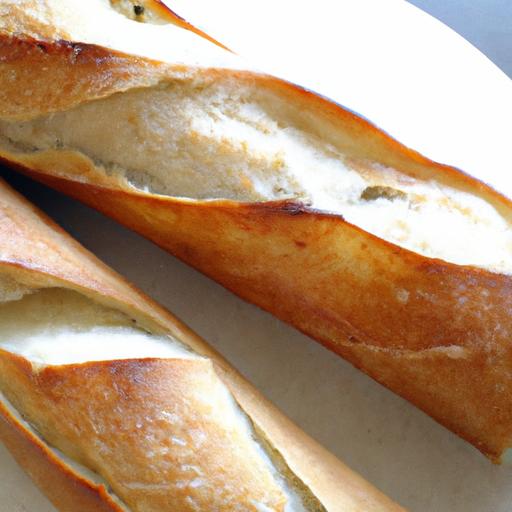


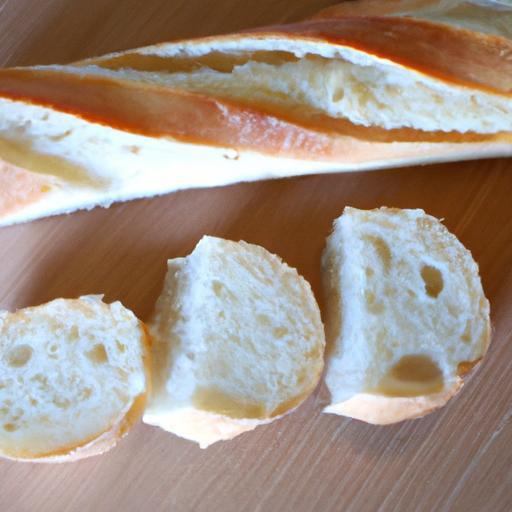
there’s something undeniably magical about tearing into a freshly baked French baguette-the crisp, golden crust crackling beneath your fingers, the soft, airy crumb that melts in your mouth, and that unmistakable aroma wafting through the kitchen. While this iconic bread is a staple of Parisian boulangeries, crafting the perfect homemade French baguette is a rewarding journey well within reach for any passionate baker.In this article, we’ll unravel the art and science behind creating that quintessential baguette-one that boasts a crackling crust, tender interior, and an authentic flavor that transports you straight to the streets of France. Get ready to roll up your sleeves and transform simple ingredients into an unusual loaf that elevates your baking game to artisanal heights.
Crafting the Perfect Homemade French Baguette at Home
Crafting the perfect homemade French baguette at home is both a rewarding and sensory-rich experience that connects you to centuries of french baking tradition.From the crackling golden crust to the airy crumb within, every bite evokes the charm of a Parisian boulangerie. This journey begins with selecting impeccable ingredients and mastering key dough techniques that bring authenticity and texture alive in your kitchen.
Prep and Cook Time
- Planning: 20 minutes
- First Rise: 1 hour 30 minutes
- Shaping & Final Proof: 45 minutes
- Baking: 25 minutes
- Total: Approximately 3 hours 10 minutes
Yield
Makes 2 classic 24-inch baguettes, serving 6-8 people.
Difficulty Level
Medium – perfect for adventurous bakers ready to deepen thier skills.
Ingredients
- 500g bread flour, sifted (high-protein for ideal gluten advancement)
- 350ml lukewarm water (about 75°F/24°C)
- 10g fine sea salt
- 7g active dry yeast or instant yeast
Instructions
- Combine Ingredients: In a large mixing bowl, sprinkle yeast over the lukewarm water and stir gently to activate. Let sit 5 minutes until bubbly. Gradually add the sifted bread flour and salt on separate sides of the bowl to avoid direct yeast contact. Mix with a wooden spoon or dough scraper until a shaggy dough forms.
- Initial Kneading: Transfer dough to a lightly floured surface and begin kneading using the heel of your hand. Press, fold, and turn the dough rhythmically for 10 minutes until the dough becomes smooth, elastic, and slightly tacky but not sticky. This process builds the gluten network essential for that signature baguette chew.
- First Proofing: Place the dough in a lightly oiled bowl, cover with a damp kitchen towel or plastic wrap.Let it rise at room temperature for 1.5 hours or until doubled in size. This slow fermentation develops flavor depth and airy texture.
- Degas and Shape: Gently press the dough to release excess gas, then turn it out onto a floured surface. Divide into two equal portions. Flatten each gently and fold into a baton shape. Roll each portion into a long cylinder about 24 inches long, tapering ends slightly. Use a bench scraper to assist shaping if needed.
- Final Proofing: place shaped baguettes on a baker’s couche or floured kitchen towel, seam side down, and cover lightly. Let proof for 40-45 minutes until they puff slightly but maintain their shape.
- Scoring: preheat your oven to 475°F (245°C) with a baking stone or heavy tray inside. Just before baking, use a sharp serrated knife or lame to score 3 to 5 diagonal slashes along each baguette, about ¼ inch deep. This technique controls the expansion, creating the iconic ridges and crunchy crust.
- Baking: Transfer baguettes carefully onto the hot stone or tray. Immediately create steam by spraying water into the oven or placing a shallow pan of hot water on the lower rack. Bake for 20-25 minutes, rotating once halfway, until deep golden brown and crusty. The steam helps develop a crisp exterior while retaining moisture inside.
- Cooling: Remove baguettes and let cool on a wire rack for at least 30 minutes. Cooling prevents sogginess and finalizes the crumb structure.
Tips for Success: Selecting Ingredients, Dough Mastery, and Perfect Crust
For crafting the perfect homemade French baguette at home, flour quality is paramount.Bread flour with a protein content of 11-13% creates optimal gluten strength, providing elasticity and a light crumb.Avoid bleached or low-protein flours. Using filtered or bottled water can enhance flavor purity, especially if your tap water has strong mineral tastes.
Kneading is more than just mechanical action-it is an art. Rice your fingertips progressively during your kneading sessions to feel for the dough’s “windowpane” quality-a thin, translucent stretch of dough that indicates well-developed gluten. Under-kneaded dough leads to dense baguettes, while over-kneading can make them tough.
Proofing is equally a sensory process. Over-proofed dough, though aromatic, will collapse in the oven and yield a dense crumb. under-proofing will result in poor oven spring and a heavy loaf. Aim for dough that’s airy and soft but still holds shape when gently pressed. The proofing environment should be warm (75°F/24°C) but not overly humid to avoid sticky dough.
The crust’s signature crunch owes much to steam in the first 10 minutes of baking. If you don’t have a steaming function in your oven, vigorously spraying water or placing a pan with boiling water can replicate this effect. Removing the steam source halfway encourages the crust to brown beautifully.
Scoring is where creativity meets technique. For even expansion, make clean, confident cuts about ¼ inch deep at a 30-45° angle.A lame yields the best results, as dull knives can drag and deflate the dough.
Serving Suggestions
Serve your baguette warm or at room temperature with quality unsalted butter or a selection of cheeses like comté or Brie for a true taste of france. For added flair, accompany with fresh herbs such as rosemary or thyme for garnish, or create open-faced tartines topped with ripe tomatoes, avocado, and a drizzle of extra virgin olive oil.
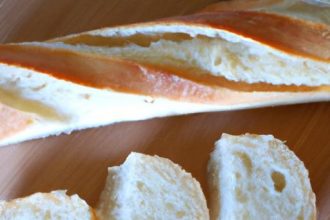
For an authentic touch, slice on a bias to elongate each piece, helping each bite capture the harmonious balance of crust and crumb perfection.

| Nutrient | Per Baguette (Approx.) |
|---|---|
| Calories | 450 kcal |
| Protein | 15 g |
| Carbohydrates | 90 g |
| Fat | 1 g |
For a deep dive into sourdough techniques that can perfectly complement this recipe, check out our ultimate Sourdough Bread Guide. Additionally, for more on yeast fermentation and its science, visit the authoritative King Arthur Baking school.
Q&A
Q&A: Crafting the Perfect Homemade French Baguette at Home
Q1: What makes a French baguette different from other types of bread?
A1: The French baguette is renowned for its long,slender shape,crisp golden crust,and airy,chewy crumb. Unlike denser breads, it combines a delicate balance of simple ingredients with specialized techniques that create its iconic texture and flavor. The magic lies in slow fermentation and high hydration dough,resulting in those signature open holes and a crust that cracks delightfully with every bite.
Q2: What are the essential ingredients for a customary French baguette?
A2: At its core, a classic French baguette calls for just four ingredients: flour, water, salt, and yeast. The quality and type of flour, typically a high-protein bread flour, substantially influence the crumb structure and rise. Pure water and fine salt complete the essentials, while yeast-or sometimes a natural starter-initiates the fermentation that brings life to the dough.
Q3: How vital is the dough fermentation process?
A3: Fermentation is the heartbeat of the baguette. Slow fermentation, often accomplished through an overnight rest in the fridge, develops rich flavor complexity and improves texture. This slow rise allows natural enzymes and yeast to work their magic,producing the sweet,slightly tangy notes and beautifully open crumb that characterize a perfect baguette.
Q4: How do I get that signature crust on my homemade baguette?
A4: The crust owes its crispness to high baking temperatures and steam. Baking your baguette in a very hot oven (450°F/230°C or higher) helps caramelize the sugars on the surface, creating that golden crust. Introducing steam during the first few minutes of baking-by placing a pan of water in the oven or misting the dough-keeps the surface moist initially, allowing the crust to expand fully before crisping up.
Q5: Any tips for shaping the dough into a perfect baguette?
A5: Shaping baguettes takes a gentle but confident touch.Start by gently flattening your dough into a rough rectangle, then fold and roll it evenly to create surface tension. The goal is a smooth, taut exterior that helps it hold shape and rise upward. Don’t rush-give your baguettes time to rest and proof properly before baking for that flawless rise.
Q6: Can I use a bread machine or mixer to prepare baguette dough?
A6: Absolutely! A stand mixer equipped with a dough hook can save time kneading while still developing the gluten structure needed for your baguette.Bread machines can mix and knead, but it’s best to do the bulk fermentation outside of the machine for better control. ultimately, hands-on stretching and folding during bulk rise mimics traditional methods and improves texture.
Q7: How do I know when my baguette is fully baked?
A7: A fully baked baguette sounds hollow when tapped on the bottom and features a deep golden-brown crust. Internally, it should feel light and airy rather than dense. Using an instant-read thermometer, aim for an internal temperature around 200°F (93°C) to ensure it’s baked through without drying out.
Q8: Any creative twists to try while keeping the essence of a baguette?
A8: While classic baguettes delight with simplicity, subtle variations like incorporating whole wheat flour, adding a handful of herbs such as rosemary or thyme, or sprinkling seeds on top pre-bake offer delightful twists. Just remember to respect the hydration and fermentation process to maintain that authentic baguette texture.Q9: What common mistakes should I avoid when making baguettes at home?
A9: Avoid rushing the fermentation or proofing stages-impatience often leads to dense crumb and flat loaves. Under-hydrated dough results in a tight crumb and less crust development. Also, skipping steam or baking at too low a temperature can produce a pale, soft crust. Lastly, handle the dough gently during shaping to maintain those precious air pockets.
Q10: How can I store my homemade baguette to keep it fresh?
A10: Baguettes are best enjoyed fresh from the oven. If you need to store it, wrap it loosely in a paper bag or clean kitchen towel to preserve the crust’s texture for up to a day. For longer storage, slice and freeze in an airtight bag, then reheat in a hot oven to revive the crispness. Avoid plastic bags for room-temperature storage, as they tend to soften the crust quickly.
Crafting the perfect homemade French baguette is a rewarding journey into the art of breadmaking-where patience,technique,and a pinch of passion come together to fill your kitchen with irresistible aromas and delightful flavor. Bon appétit!
The Way Forward
Baking the perfect homemade French baguette is more than just following a recipe-it’s an art form that bridges tradition and personal touch. With patience, practice, and the right techniques, your kitchen can transform into a quaint Parisian bakery, filling your home with the irresistible aroma of fresh bread. So, tie on your apron, embrace the flour-dusted journey, and savor each crisp crust and tender crumb as a delicious reward for your craft. After all, the perfect baguette is not just eaten-it’s experienced.