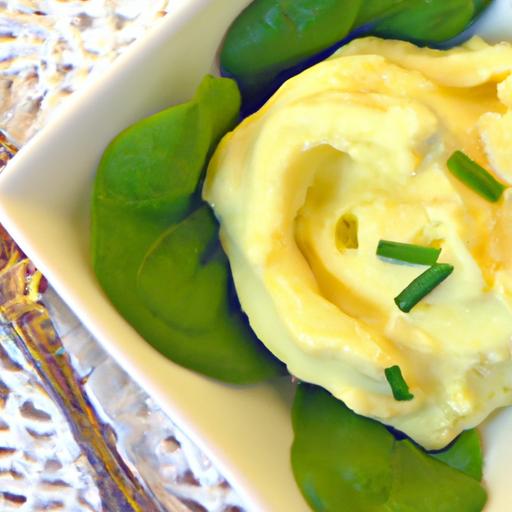


Imagine a world where the rich, creamy indulgence of mayonnaise comes without a single egg-yet still dazzles your taste buds with its luscious texture and tangy charm. welcome to the realm of egg-free mayonnaise, a revolutionary twist that’s not just for vegans but for anyone seeking a healthier, cruelty-free alternative without compromising on flavor. In this article,we’ll explore the magic behind crafting this dreamy,plant-based spread that transforms ordinary sandwiches,salads,and dips into extraordinary delights. Get ready to discover how simplicity meets innovation in the creamy, vegan, and appetizing world of egg-free mayonnaise!
egg-Free Mayonnaise Magic starts with understanding the chemistry that transforms simple plant-based ingredients into a luscious, creamy spread that rivals traditional mayo in both texture and flavor. This vegan marvel relies on the emulsification process, where oil and water-based liquids are blended with an emulsifier to create a smooth, stable mixture without eggs. The magic lies in selecting ingredients that naturally encourage this blend, such as aquafaba-the viscous water from cooked chickpeas-which mimics the binding power of egg yolks, combined with oils and vinegars that build depth and richness.
Choosing the Best Plant-Based Ingredients for Maximum Flavor
To craft truly breathtaking egg-free mayonnaise, every ingredient matters-from the oil to the acid and the emulsifier. Neutral oils like refined avocado, grapeseed, or light olive oil provide a clean base that allows other flavors to shine without overpowering. For tang, apple cider vinegar or fresh lemon juice deliver bright acidity that balances the creaminess. Don’t underestimate mustard; it acts as a natural emulsifier and adds a subtle zing. Using fresh garlic powder or a touch of sweetness from maple syrup or agave can elevate the complexity,making this condiment anything but ordinary.
Prep and Cook Time
- Readiness: 10 minutes
- Cooking: 0 minutes
- Total: 10 minutes
Yield
About 1 cup (serves 8 as a condiment)
Difficulty Level
Easy - perfect for beginners and seasoned cooks alike
Ingredients
- 1/4 cup aquafaba (liquid from canned chickpeas)
- 1 tablespoon apple cider vinegar
- 1 tablespoon fresh lemon juice
- 1 teaspoon Dijon mustard
- 1/2 teaspoon garlic powder
- 1/4 teaspoon sea salt
- 3/4 cup refined avocado oil or light olive oil
- 1 teaspoon maple syrup (optional, for slight sweetness)
Step-by-Step Guide to Whipping Up Perfect Vegan Mayonnaise
- combine the aquafaba, vinegar, lemon juice, mustard, garlic powder, salt, and maple syrup in a tall, narrow container suitable for an immersion blender. This shape helps to fully emulsify efficiently.
- Blend the liquid base on low speed for 20 seconds to mix all ingredients evenly.
- With the blender running,slowly drizzle in the oil in a thin,steady stream. This gradual addition is crucial for creating a thick,creamy texture rather than a runny mixture.
- Continue blending until the mixture turns white and thickens, resembling traditional mayonnaise. This should take about 1-2 minutes.
- Taste and adjust seasonings: add more salt,lemon juice,or mustard if needed to suit your palate.
- Transfer your egg-free mayonnaise to a clean jar with a tight-fitting lid and refrigerate for at least 30 minutes to let the flavors meld and thicken further.
Creative Ways to Customize Your egg-Free Mayonnaise Recipes
Once you’ve mastered the classic egg-free mayonnaise magic,let your creativity run wild! Add fresh herbs like dill,basil,or chives to create an herby aioli perfect for sandwiches or roasted vegetables. For a smoky twist, stir in a teaspoon of smoked paprika or chipotle powder. If you crave a spicy kick, a splash of sriracha or finely minced jalapeños turns your mayo into an irresistible dipping sauce. To shift the flavor profile completely, try blending in roasted garlic or sun-dried tomatoes for a rich, savory spread that brightens any meal.
Chef’s Notes & Tips for Success
- Room temperature ingredients: For the creamiest texture, ensure all ingredients, especially aquafaba and oil, are at room temperature before blending.
- Slow oil incorporation: Adding the oil too quickly may cause your mayo to separate. Pour gently and steadily for an unbreakable emulsion.
- Storage: Keep homemade egg-free mayonnaise refrigerated in an airtight container. Use within 5-7 days for optimal freshness.
- Troubleshooting: If your mayo doesn’t thicken, try adding a bit more aquafaba or re-blending while slowly drizzling in oil again.
- Make-ahead advantage: Prepare your mayo a day in advance; the flavors deepen, and the texture becomes even more luscious.
serving Suggestions
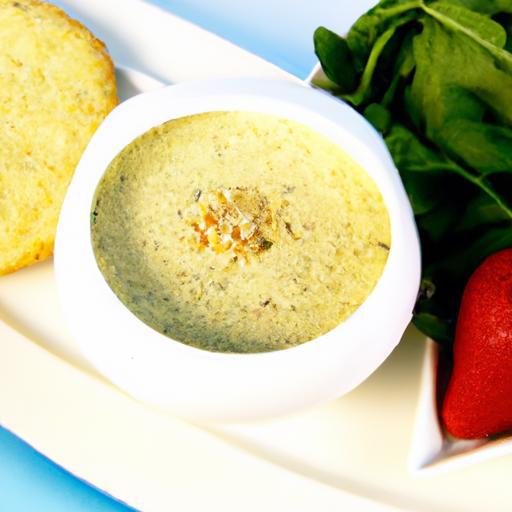
This versatile egg-free mayonnaise magic is your ticket to elevating everything from crispy fries and roasted veggie bowls to sandwiches and vegan burgers. Serve a dollop alongside fresh crudités, spread generously over your favorite artisan bread, or swirl into creamy pasta salads for a luscious finish.Garnish with a sprinkle of freshly cracked black pepper, finely chopped herbs, or a dash of smoked paprika for eye-catching appeal and a flavor boost.

| Nutrient | Per 1 tbsp |
|---|---|
| Calories | 90 |
| Protein | 0.2 g |
| Carbohydrates | 0.3 g |
| Fat | 10 g |
discover more plant-based condiment inspiration in our ultimate guide to vegan sauces and dressings. For additional insight into emulsification science, visit ScienceDaily’s food emulsification article.
Q&A
Egg-Free Mayonnaise Magic: Creamy, Vegan, and Delicious!
Q&A Edition
Q1: What exactly is egg-free mayonnaise, and how does it differ from traditional mayo?
A: Egg-free mayonnaise is a creamy, luscious condiment crafted without any eggs-making it vegan-kind and perfect for those with allergies or dietary preferences. Unlike traditional mayo, which uses egg yolks as an emulsifying agents, egg-free versions rely on plant-based ingredients like aquafaba, soy lecithin, or avocado oil to achieve that silky texture and rich flavor.
Q2: how do you achieve that classic creamy texture without eggs?
A: The magic lies in the art of emulsification. Ingredients like aquafaba (the liquid from cooked chickpeas), blended silken tofu, or soaked cashews help bind oil and vinegar or lemon juice together. When properly whisked or blended, these ingredients create a stable emulsion, delivering that velvety mouthfeel we associate with traditional mayo.
Q3: Can I customize the flavors in my egg-free mayonnaise?
A: Absolutely! Egg-free mayo is a blank canvas waiting for your creative touch. Add a pinch of garlic powder for a savory kick,a swirl of smoked paprika for warmth,or a squeeze of fresh lemon for zing. Herbs like dill, basil, or chives can turn simple mayo into a vibrant sauce that transforms sandwiches, salads, and dips.
Q4: What oils work best for making egg-free mayo?
A: Mild,neutral oils shine brightest in egg-free mayonnaise recipes. Think sunflower, grapeseed, or light olive oil-they blend smoothly without overpowering the flavor. For a richer twist, avocado oil or extra virgin olive oil lends depth, but be mindful, as stronger oils can alter the classic mayo taste.
Q5: Is egg-free mayonnaise healthier than regular mayo?
A: While ”healthier” can vary by ingredient choice, egg-free mayo frequently enough avoids cholesterol and some saturated fats found in traditional recipes. Plus, it’s often richer in plant-based proteins and antioxidants if you use ingredients like tofu or aquafaba. However, keep an eye on oil quantities, as they still contribute significant calories.
Q6: How long does homemade egg-free mayonnaise last, and how should I store it?
A: homemade egg-free mayo is best enjoyed fresh but can usually be kept refrigerated in an airtight container for up to one week. As it lacks preservatives, always trust your senses-if it smells off or develops separation that won’t remix, it’s time to make a fresh batch.
Q7: Can egg-free mayonnaise be used in cooking and baking like traditional mayo?
A: Definitely! Egg-free mayo plays well beyond sandwiches. It can add moisture and richness to baked goods, serve as a tenderizing marinade base, or lighten up creamy dressings. Its versatility makes it a handy superstar for vegan chefs and curious cooks alike.
Q8: Are there any common pitfalls to avoid when making egg-free mayo at home?
A: The most common challenge is achieving the perfect emulsion. adding oil too quickly or mixing inadequately can cause the mixture to separate.Start slow, add oil gradually, and use a high-powered blender or whisk consistently. Temperature matters too-room temperature ingredients blend more smoothly than cold ones.
Q9: Where can I find ingredients like aquafaba or vegan lecithin for making egg-free mayo?
A: Aquafaba can be easily sourced from canned chickpeas or beans-simply drain and use the liquid. Vegan lecithin is available at health food stores or online, often sold as a powder or granules. Both ingredients are pantry-friendly essentials for vegan kitchen experiments.
Q10: Is egg-free mayonnaise suitable for those with other dietary restrictions?
A: Yes! Egg-free mayo fits well into many diets: vegan, dairy-free, egg-free, and vegetarian. When made without nuts or soy,it can also accommodate nut allergies and soy sensitivities. Always check ingredient labels or use homemade recipes tailored to your needs for the safest bites.
Enjoy the creamy magic of egg-free mayonnaise-where plants, patience, and a sprinkle of ingenuity come together to create a deliciously smooth, guilt-free spread!
To Wrap It Up
Whether you’re a devoted vegan, an egg-free enthusiast, or simply someone eager to explore new culinary horizons, crafting your own egg-free mayonnaise opens a world of creamy, tangy possibilities. With just a handful of plant-powered ingredients, you can whip up a luscious, versatile condiment that elevates sandwiches, dips, and dressings alike-no eggs required. Embrace the magic of egg-free mayo and let your kitchen become the playground where tradition meets innovation, proving that delicious doesn’t have to come at the cost of your values or dietary needs. Here’s to creamy creations that delight the palate and nourish the soul!