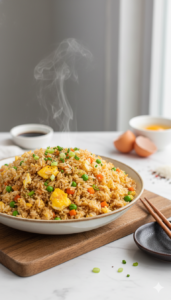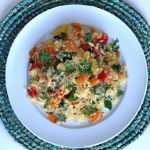

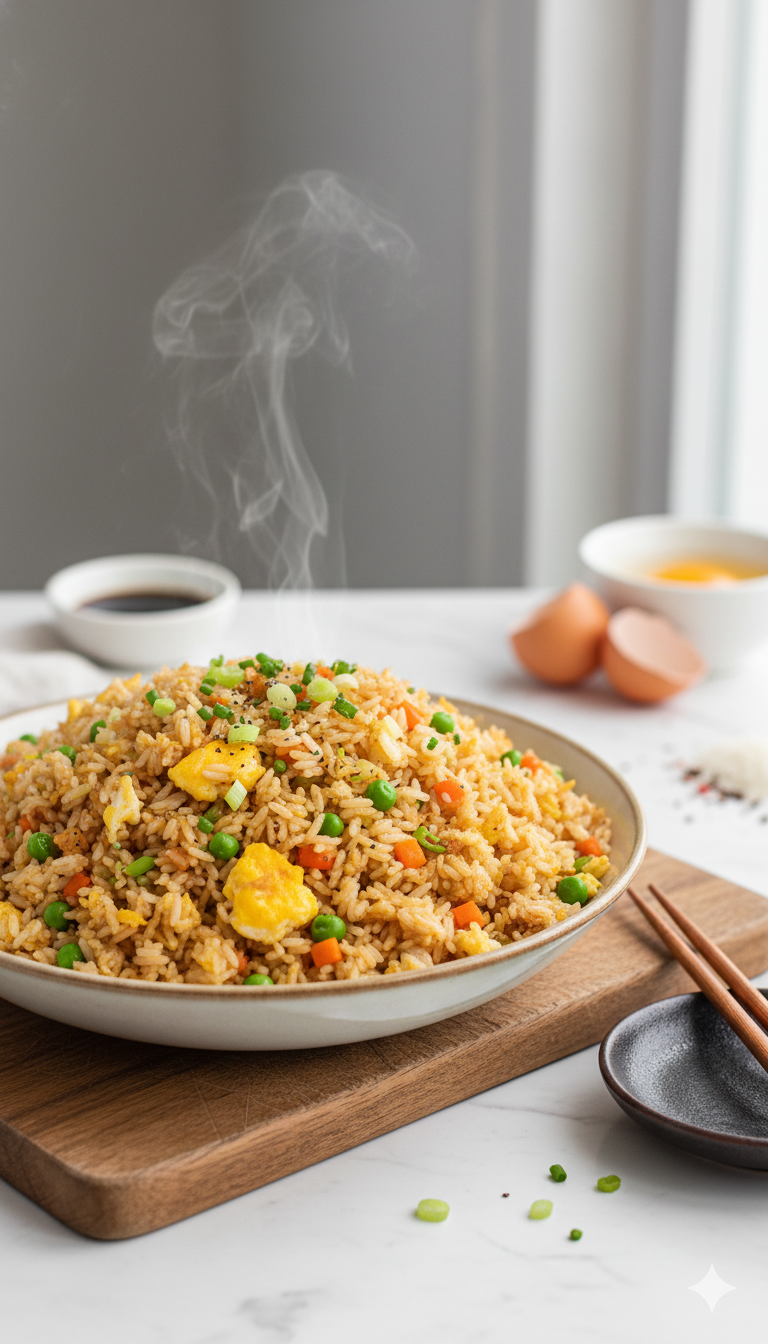
There’s something undeniably comforting about a warm bowl of egg fried rice – a dish that seems deceptively simple yet dazzles with its harmony of flavors and textures. Beneath its golden grains and tender scrambled eggs lies a culinary art perfected over generations, where every ingredient and technique plays a crucial role. In this deep dive, “Egg Fried Rice Unveiled: Secrets to Perfect Flavor and Texture,” we’ll crack open the mystery behind this beloved classic, revealing expert tips and time-honored tricks that transform humble leftovers into a mouthwatering masterpiece. Whether you’re a kitchen novice or a seasoned cook, prepare to elevate your egg fried rice from routine to remarkable.
Egg fried rice unveiled: secrets to perfect flavor and texture begin with choosing the right rice, mastering the delicate balance of eggs, and layering aromatics and seasonings that transform a humble dish into a vibrant, crave-worthy meal. This beloved comfort food showcases a harmony between fluffy grains, creamy scrambled eggs, and the crisp, tantalizing edges that make each bite irresistible. Let me guide you through the essential techniques that bring this iconic dish to life in your kitchen.
Prep and Cook Time
- Readiness: 15 minutes
- cooking: 10 minutes
- Total Time: 25 minutes
Yield
Serves 3 to 4 people generously
Difficulty Level
Easy to Medium – Perfect for home cooks wanting to elevate their weeknight dinners
ingredients
- 2 cups jasmine rice, cooked and chilled overnight
- 3 large free-range eggs, lightly beaten
- 3 tbsp vegetable oil or neutral cooking oil
- 2 cloves garlic, finely minced
- 1 small yellow onion, finely diced
- 1/2 cup frozen peas, thawed
- 2 green onions, thinly sliced (whites and greens separated)
- 2 tbsp soy sauce (light)
- 1 tsp toasted sesame oil
- Freshly ground black pepper, to taste
- Optional: 1/2 tsp white pepper for subtle heat
Instructions
- Prepare the rice: Use jasmine rice cooked the day before and chilled in the refrigerator to ensure firm, separate grains perfect for frying. Spread the cold rice on a tray to break up any clumps before cooking.
- Heat a wok or large non-stick skillet: Add 1 tablespoon of oil over medium-high heat.When shimmering, pour in the beaten eggs and let them sit undisturbed for 10 seconds.
- Master the egg scramble: Using a spatula, gently push the eggs from the edges toward the center in slow folds, creating soft, creamy curds. Remove eggs from the pan when still slightly runny to prevent overcooking; set aside.
- Sauté aromatics: Return the pan to heat and add the remaining 2 tablespoons of oil. Add minced garlic, diced onion, and the white parts of the green onions. sauté until fragrant and translucent, about 2-3 minutes.
- Fry the rice: Increase heat to high,add the chilled rice,stirring constantly. Press some grains against the hot surface to encourage crispy edges. This direct contact creates the coveted golden crust beloved in egg fried rice.
- Incorporate peas and seasoning: Toss in the peas and half of the green onion greens. Drizzle soy sauce evenly around the pan and stir quickly, coating every grain and releasing a subtle caramelized aroma.
- Combine eggs and finish: Fold in the scrambled eggs gently to preserve their fluffiness. Drizzle sesame oil and season with freshly ground black pepper (and white pepper if using). Taste and adjust seasoning.
- Serve hot: Garnish with the remaining green onion tops for a fresh, crisp contrast.
Tips for Success
- Rice choice matters: Jasmine or long-grain rice delivers the ideal gluten-free fluff and aroma. Avoid freshly cooked rice, as it’s too moist and clumps during frying.
- Egg scramble technique: Cook eggs low and slow just until creamy curds form-this locks in moisture and avoids rubbery texture.
- High heat is key: Using a high flame when frying rice produces delightful crispy edges and elevates flavor through caramelization.
- Customize easily: Add diced carrots or bell peppers for color and crunch,or swap peas for edamame for a protein boost.
- Make ahead: Cook rice a day prior and store it uncovered in the fridge to dry out the grains, giving you perfect texture every time.
Serving Suggestions
Plate your egg fried rice in rustic bowls and offer a side of crisp cucumber salad or fast pickled radishes for brightness. Garnish with toasted sesame seeds or a drizzle of sriracha mayo for a modern twist. This dish shines as a standalone meal or pairs harmoniously with simple stir-fried greens or grilled tofu for a balanced feast.

| Nutrient | Amount (per serving) |
|---|---|
| Calories | 320 kcal |
| Protein | 10 g |
| Carbohydrates | 45 g |
| Fat | 8 g |
For more tips on perfect rice dishes, check out our Ultimate Guide to Cooking Perfect Rice.To deepen your understanding of rice varieties and cooking techniques, visit the Encyclopedia Britannica on Rice.
Q&A
Q&A: Egg Fried Rice Unveiled: Secrets to Perfect flavor and Texture
Q1: What makes egg fried rice different from regular steamed rice dishes?
Egg fried rice transforms simple steamed rice into a vibrant, flavorful dish through the magic of quick stir-frying, the richness of scrambled eggs, and carefully balanced seasoning. Unlike plain rice, it boasts a tantalizing combination of textures – fluffy grains interspersed with soft, silky eggs and sometimes crisped bits that create a delightful contrast.
Q2: Should I use freshly cooked rice or leftover rice for the best egg fried rice?
Leftover, day-old rice is your best friend here! Freshly cooked rice tends to be too moist and clumpy, which can result in a soggy fried rice. Rice that has been refrigerated overnight dries out just enough to separate easily, allowing each grain to stay distinct and absorb flavors beautifully.
Q3: How do I achieve the perfect fluffy texture without making the rice sticky or mushy?
The key lies in rice preparation and technique. First, use medium or long-grain rice for its natural non-sticky quality. Cook the rice with slightly less water than usual if making fresh, then cool it thoroughly. When frying, make sure your wok or pan is hot enough to quickly toss the rice, preventing steaming. Toss gently but swiftly, so every grain gets coated with oil and egg without breaking.
Q4: What’s the secret to the golden, silky eggs in egg fried rice?
Timing and heat control are essential. Lightly beat the eggs and pour them into a hot, oiled pan. Let the eggs set just enough before stirring gently, so they form soft curds rather than a rubbery scramble. Mixing the eggs into the rice at the right moment ensures they coat the grains and add creaminess without overwhelming the dish.
Q5: Which seasonings elevate egg fried rice without overpowering its natural flavors?
Simple is often best. A splash of soy sauce lends umami depth, while a pinch of white or black pepper adds subtle warmth. Sesame oil, used sparingly at the end of cooking, introduces a nutty aroma. Fresh chopped scallions or garlic can awaken the palate without stealing the spotlight.
Q6: Can I add vegetables or proteins to egg fried rice without compromising its conventional appeal?
Absolutely! Classic egg fried rice is versatile. Finely diced carrots, peas, or corn add color and sweetness. For protein,consider sautéed chicken,shrimp,or tofu. Just remember to cook these additions separately or ahead of time so they blend evenly and do not release excess moisture during frying.
Q7: How significant is the cooking equipment for making egg fried rice?
A wok is the ideal tool thanks to its wide surface area and high heat capacity, which enable quick, even cooking. If you don’t have a wok, a large non-stick skillet works well, too. Just make sure to preheat your pan properly and keep the ingredients moving to prevent sticking and burning.
Q8: Is there a technique to keeping egg fried rice from becoming greasy?
Yes! Use oil moderately-just enough to coat the pan and keep ingredients from sticking. Using oils with high smoke points such as vegetable, canola, or peanut oil helps. Also, avoid overloading the pan; frying in smaller batches ensures better heat control and less oil absorption.
Q9: How do I store and reheat egg fried rice without losing its texture?
Store cooled egg fried rice in an airtight container in the refrigerator for up to 2 days. When reheating, use a hot skillet rather than the microwave-this revives the texture and refreshes the flavors.Consider adding a tiny splash of water or broth to create steam and loosen the rice during reheating.
Q10: What’s the most important takeaway for mastering egg fried rice at home?
Patience and preparation! Use properly cooked,cooled rice,have all your ingredients prepped and within reach,and keep your pan hot while cooking quickly. Treat each step as part of a harmonious rhythm, and you’ll unlock the perfect marriage of flavor and texture that makes egg fried rice a beloved classic.
Wrapping Up
As the final grains of rice settle on your plate, the journey through the art of egg fried rice leaves you with more than just a recipe-it offers a glimpse into the harmony of flavors and textures perfected over time. By understanding the subtle techniques and thoughtful ingredient choices unveiled here, you’re now equipped to transform simple staples into a delightful symphony of taste. So next time you stir your wok, remember: the secret isn’t just in the ingredients, but in the care and rhythm you bring to each fold and flip. Happy cooking, and may your egg fried rice always be perfectly fluffy, flavorful, and unmistakably yours.