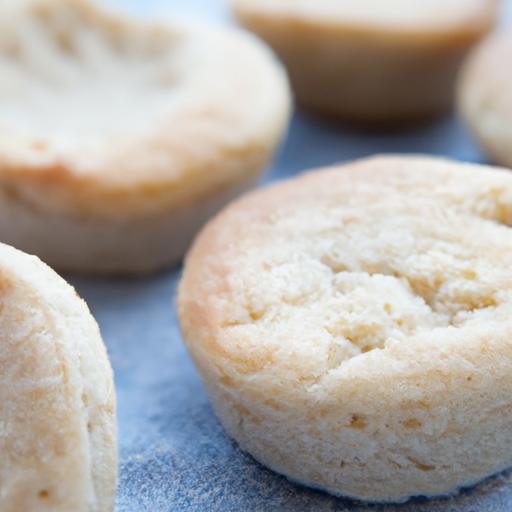



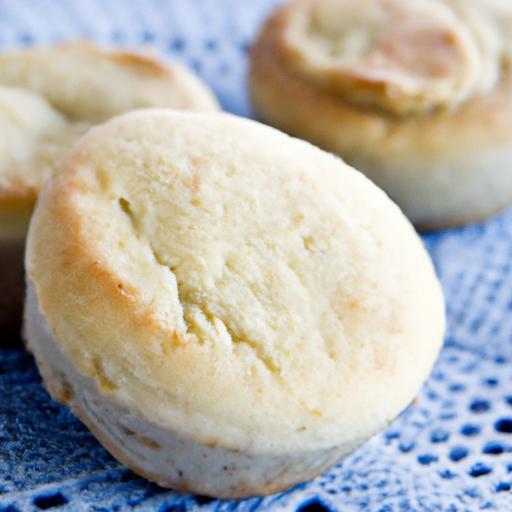
There’s something undeniably comforting about the warm, airy embrace of an English muffin toasted to golden perfection – that delicate crunch giving way to a soft, pillowy center. But for those navigating the world of gluten-free living, enjoying this beloved breakfast classic can frequently enough feel like a distant dream.Enter the fluffy gluten-free English muffin: a delightful twist on tradition that brings all the familiar textures and flavors to your morning table, without the gluten. In this article, we’ll explore what makes these muffins so special, share tips for achieving that perfect fluffiness, and reveal why they’re quickly becoming a favorite treat for gluten-free households everywhere. Whether you’re craving a buttery smear of jam or a savory egg sandwich, these muffins promise a tasty start to your day – no compromises needed.
The Art of Achieving the Perfect Fluffy Texture in Gluten-Free English Muffins
Fluffy gluten-free English muffins capture the very essence of a comforting morning treat, balancing lightness with that signature slightly chewy crumb and delightfully crisp nooks and crannies. Creating this texture without traditional gluten can feel daunting, but with the right blend of ingredients and techniques, you can achieve irresistibly soft results that rival any classic muffin. The magic lies in a harmonious mix of moisture-retaining flours, natural leaveners, and gentle handling, all of which I’ll guide you through to perfect your morning ritual.
Prep and Cook Time
- Preparation: 15 minutes
- Rising time: 60 minutes
- Cooking time: 15 minutes
- Total time: 1 hour 30 minutes
Yield
Makes 8 gluten-free English muffins
Difficulty Level
Medium – requires some patience for rising and careful handling for ideal texture
Key Ingredients That Make gluten-Free English Muffins Irresistibly Soft
- 1 ½ cups gluten-free all-purpose flour blend (with xanthan gum included)
- ½ cup almond flour – adds moisture and tenderness
- 1 tbsp baking powder – provides a gentle rise
- 1 tsp active dry yeast – creates the signature airy nooks
- ¼ cup warm water (105°F to 110°F) – activates yeast perfectly
- ¾ cup warm milk (dairy or plant-based, slightly warmed)
- 1 tbsp sugar – feeds the yeast for a subtle sweetness
- 1 large egg - binds ingredients and adds stability
- 3 tbsp melted unsalted butter or coconut oil – enriches crumb softness
- 1 tsp apple cider vinegar – enhances rise and crumb lift
- Coarse cornmeal for dusting – creates that classic English muffin exterior
Instructions
- Activate the yeast: In a small bowl, combine warm water, sugar, and active dry yeast. Stir gently and let it rest for 5-7 minutes until foamy and bubbly. This indicates the yeast is alive and ready to work its magic.
- Mix dry ingredients: In a large bowl, whisk together gluten-free all-purpose flour, almond flour, and baking powder. Ensure even distribution for consistent rise and texture.
- Combine wet ingredients: In a separate bowl, whisk warm milk, egg, melted butter (or coconut oil), and apple cider vinegar.
- Form the dough: Pour the yeast mixture and wet ingredients into the dry mix. Stir gently using a spatula until everything is just combined. The batter will be slightly thick but sticky - do not overmix.
- first rise: Cover the bowl with a warm, damp towel or plastic wrap. Let the dough rest in a warm place for 45-60 minutes until it’s lightly puffed and airy.
- Shape the muffins: Lightly dust a clean surface (or parchment paper) with coarse cornmeal. Using a spoon or spatula,scoop out ⅓ cup portions of dough and gently form rounds about 3 inches wide and ¾ inch thick. Dust the tops and bottoms with cornmeal to achieve that authentic texture.
- Cook on griddle: Heat a non-stick skillet or cast-iron pan over medium-low heat. Place muffins in the pan, leaving some space to allow expansion. Cook for 7-8 minutes per side, flipping carefully when golden brown, until muffins are cooked through and have that characteristic craggy surface.
- Cool and split: Remove muffins from heat and let cool slightly before splitting with a fork to showcase their signature nooks and crannies that hold butter and jam beautifully.
Tips for Mastering the Ideal Toast and Serving Suggestions
- Perfect Toast: Toast your gluten-free English muffins on a medium setting until the edges crisp and the nooks turn golden brown. This enhances texture and flavour dramatically.
- Butter First: Spread butter promptly after toasting so it seeps deliciously into every crevice.
- Keep Warm: Store muffins in an airtight container; reheat on a skillet or toaster oven for best fresh-from-the-griddle texture.
Creative Toppings and Pairings to Elevate Your Morning Treat
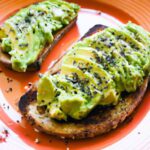
Transform your fluffy gluten-free English muffins into breakfast masterpieces with inventive toppings. Classic jams like strawberry or orange marmalade pair beautifully, while creamy avocado smash with a sprinkle of chili flakes adds a vibrant twist. For a savory touch, layer with scrambled eggs and dairy-free cheddar, or try a dollop of Greek yogurt, honey, and toasted nuts for a sweet protein boost. Fresh herbs like chives or basil can further elevate savory variations,making each bite a sensory delight.
Chef’s Notes
- Flour Variations: If you don’t have almond flour, finely ground oat flour works well but may change the crumb slightly.
- Yeast Alternatives: for a quicker version, increase baking powder to 2 tsp and omit yeast, but the texture won’t have the same airy nooks.
- Make-Ahead: Dough can be refrigerated overnight; bring it to room temperature before cooking for enhanced flavor advancement.
- Troubleshooting: If muffins are dense, check yeast freshness and ensure warm, not hot liquids to avoid killing yeast.
Nutritional Data per English Muffin
| Calories | Protein | Carbs | Fat |
|---|---|---|---|
| 160 | 5g | 22g | 6g |

For more gluten-free bread inspiration, check out our thorough gluten-free bread recipes. To understand more about the science behind gluten-free baking, visit this King Arthur Flour guide.
Q&A
Q&A: Fluffy Gluten-Free English Muffins – A Tasty Morning Treat
Q: What makes gluten-free English muffins different from traditional ones?
A: Gluten-free English muffins are crafted without wheat, barley, or rye, which all contain gluten. Instead, they rely on option flours like rice flour, tapioca starch, or almond flour to achieve a tender, fluffy texture. Surprisingly,these muffins can be just as soft and airy as their gluten-filled cousins,with a delightful crumb and those iconic nooks and crannies.
Q: How do you ensure gluten-free English muffins stay fluffy and light?
A: The secret lies in balancing moisture with the right leavening agents-often yeast combined with baking powder-and a mix of gluten-free flours that mimic wheat’s elasticity.Additionally, letting the dough rest and rise properly develops air pockets, while gentle folding preserves the fluffiness without deflating the batter.Q: Can I make these muffins ahead of time? How should I store them?
A: Absolutely! Gluten-free English muffins freeze beautifully. After baking, cool them entirely, then slice, wrap individually, and place in an airtight container or bag. When you’re ready to enjoy, toast them straight from the freezer for that freshly baked warmth and crunch. For short-term storage, keep them in a sealed container at room temperature for up to 2 days or refrigerated for up to a week.
Q: what are some delightful ways to enjoy gluten-free English muffins in the morning?
A: These muffins are wonderfully versatile. spread them with creamy butter and your favorite jam, dollop on some honey or nut butter, or load them with scrambled eggs and sautéed veggies for a savory twist. They also make a fantastic base for avocado toast or a cozy breakfast sandwich with melted cheese and fresh greens.Q: Are there any tips for beginners trying gluten-free baking with English muffins?
A: Start with a reliable recipe and measure your ingredients precisely, especially the flours and liquids. Gluten-free dough can be stickier or less stretchy, so avoid adding too much extra flour. Patience is key-allow the dough enough time to rise in a warm place but avoid rushing the process. don’t be afraid to experiment with different gluten-free flour blends to find your perfect muffin texture.
Q: Can these muffins be made vegan-friendly?
A: Yes! By swapping out dairy milk for plant-based alternatives like almond or oat milk and using a flax egg or chia egg instead of traditional eggs, you can create a delicious vegan version. just be mindful of how these substitutions affect moisture and texture-slight tweaks in liquid quantities might be necessary.
Q: what tools or equipment will help me get the best results?
A: A good non-stick skillet or griddle is essential for cooking English muffins to golden perfection. A biscuit cutter or round mold helps achieve uniform shapes, and a fork is your best friend to create those signature nooks and crannies before cooking. Lastly, a kitchen thermometer can ensure your dough rises at optimal temperatures.
Q: Why are those nooks and crannies so important in an English muffin?
A: The nooks and crannies aren’t just charming-they’re essential for that luscious texture! They trap melted butter, jam, or other toppings, making every bite dreamy and flavorful.Using a fork to prick the dough before cooking encourages those pockets to form during the griddling process.
Q: Can I substitute the flours used if I have allergies or preferences?
A: Definately! Gluten-free baking is wonderfully adaptable. You can experiment with oat flour (certified gluten-free), sorghum, or even buckwheat flour, adjusting hydration as needed. Keep in mind that each flour has its own texture and flavor profile, so you might want to try small batches first to find your personal favorite combination.
Q: How long does it typically take to prepare fluffy gluten-free English muffins?
A: From start to finish, expect roughly 2 to 3 hours. Much of this is wait time for the dough to rise and rest. While it’s a bit of a morning project, the reward is fresh, fluffy, gluten-free muffins perfect for any day of the week!
Final Thoughts
whether you’re breakfasting solo or feeding a crowd, these fluffy gluten-free English muffins offer a delightful start to any day. Their airy texture and subtle flavor make them a versatile canvas for everything from classic butter and jam to savory avocado and eggs. Embracing gluten-free doesn’t mean sacrificing taste or comfort-it means welcoming a new kind of morning joy. So next time you crave that perfect, tender bite to pair with your coffee, remember: these muffins aren’t just a treat, they’re a delicious declaration that gluten-free mornings can be just as satisfying, if not more. Happy baking-and even happier eating!