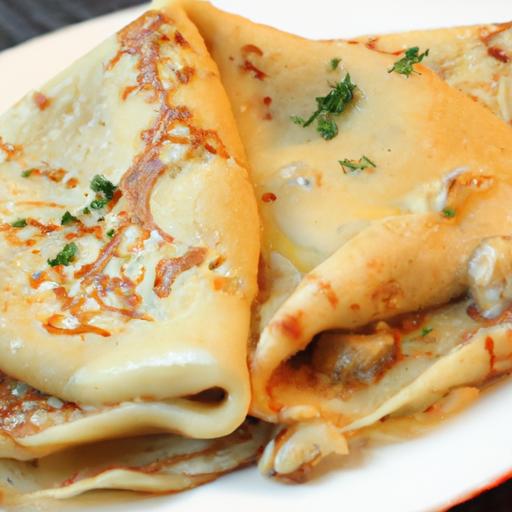




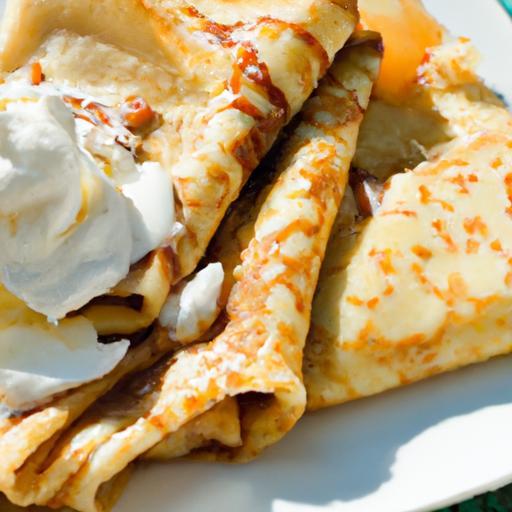
There’s something irresistibly charming about a warm, tender crepe-thin as a whisper yet packed with possibilities, from sweet berry compotes to savory cheese and herbs. If you’ve ever dreamed of mastering this delicate french classic in your own kitchen, you’re in for a treat. welcome to Fluffy & Delicious: The Ultimate Homemade Crepe Recipe Guide, were we unravel the secrets to crafting perfectly light, irresistibly fluffy crepes every single time. Whether you’re a novice or a seasoned home cook, this guide will transform your crepe-making experience, turning simple ingredients into edible works of art that delight both the eyes and the palate. Get ready to flip, fold, and feast your way through a culinary adventure that’s as fun as it is delicious.
choosing the Perfect Ingredients for Light and Airy Crepes
Fluffy and Delicious crepes begin with selecting the freshest, highest-quality ingredients. Every element plays a pivotal role in achieving that delicate, melt-in-your-mouth texture that makes homemade crepes irresistible. Opt for all-purpose flour, sifted to ensure a silky smooth batter without lumps. Fresh, room-temperature eggs add richness and help create a tender crumb, while whole milk lends creaminess and moisture without weighing the batter down. A touch of melted butter folded in at the end provides subtle flavor and a delightfully soft finish. Balancing your batter with a pinch of fine salt and a hint of pure vanilla extract will elevate the flavor profile without overpowering the crepes’ delicate nature.
Mastering the art of Mixing and Resting for Flawless Batter
To achieve perfectly light and airy crepes, the process of mixing and resting the batter is just as critical as the ingredients themselves. Begin by whisking your dry ingredients thoroughly before gradually incorporating the wet ingredients-this ensures a smooth consistency without overworking the batter that can develop gluten and result in toughness.Once combined, blending until just smooth is the secret to irresistibly tender crepes.
equally important is allowing your batter to rest for at least 30 minutes at room temperature. This resting phase allows the flour to fully hydrate and the gluten strands to relax. The result? A silky batter that spreads effortlessly in the pan and yields crepes with that signature thinness and delicate texture. If your schedule allows, resting the batter for up to 2 hours or even overnight in the refrigerator will deepen the flavor and improve the texture further.
Pro Tips for Cooking Crepes to Golden Perfection
Cooking the perfect crepe is a rewarding dance of technique and intuition. Use a non-stick skillet or a seasoned crepe pan heated over medium to medium-low heat. A well-heated pan ensures even cooking, allowing the crepes to develop those stunning golden edges without browning too quickly.
Lightly grease the pan between each crepe using a kitchen paper towel dipped in melted butter-a thin coating prevents sogginess and excessive oiliness. Pour a small ladleful of batter, tilting the pan promptly to spread it into a wafer-thin circle. Cooking time is brief-about 1 to 2 minutes per side-until the edges lift easily and the surface is set.Flip gently using a thin spatula and cook the second side briefly, just until lightly golden.Practice patience here-each crepe will improve your confidence and skill.
Creative Filling Ideas to Elevate Your Homemade Crepes
While the fluffy and delicious crepes themselves are a delight, the real magic happens when you get creative with fillings. Sweet options like a luscious spread of mascarpone with fresh berries and a drizzle of local honey are a classic crowd-pleaser. Nut butters swirled with sliced bananas and a dash of cinnamon can transform your crepes into a cozy breakfast treat. For savory lovers, consider sautéed mushrooms with caramelized onions and fresh thyme or a medley of roasted vegetables topped with crumbled goat cheese.
For a vibrant presentation, garnish your plated crepes with a dusting of powdered sugar, a sprig of fresh mint, or a scattering of edible flowers. The contrast of colors and textures will make your homemade crepes a feast for both the eyes and palate.
Prep and Cook Time
- Prep Time: 15 minutes
- Resting Time: 30-60 minutes
- Cook Time: 15 minutes
Yield
Approximately 12 crepes (about 8-inch diameter)
Difficulty Level
Easy to Medium – Perfect for both beginners and seasoned home cooks
Ingredients
- 1 cup all-purpose flour, sifted
- 2 large eggs, at room temperature
- 1 1/4 cups whole milk, room temperature
- 2 tablespoons unsalted butter, melted + extra for greasing
- 1/4 teaspoon fine salt
- 1 teaspoon pure vanilla extract (optional for sweet crepes)
- 2 teaspoons granulated sugar (optional for sweet batter)
Instructions
- Whisk dry ingredients: In a large mixing bowl, whisk together flour, salt, and sugar (if using) until well combined.
- Add eggs: Create a well in the center and gently crack in the eggs. begin whisking in the eggs,gradually incorporating the flour from the edges.
- Incorporate milk: Slowly add the milk while whisking continuously to avoid lumps. The batter should be thin and smooth.
- Stir in melted butter and vanilla: Fold in the melted butter and vanilla extract until fully incorporated.
- Rest the batter: Cover the bowl with plastic wrap and let rest at room temperature for at least 30 minutes. For best results, refrigerate up to 2 hours.
- Preheat your pan: Heat a non-stick skillet over medium heat; lightly grease with butter using a paper towel.
- Cook the crepes: Pour about 1/4 cup of batter into the center of the pan. Immediately swirl the pan to spread the batter thinly and evenly.
- Flip when ready: Cook 1-2 minutes until edges begin to lift and the crepe surface is set. Flip carefully with a thin spatula and cook another 30 seconds to 1 minute.
- Transfer and keep warm: Remove crepes to a warm plate. Repeat greasing pan as needed for each crepe.
Tips for Success
- For an ultra-smooth batter, blend ingredients in a food processor or blender for 30 seconds.
- If batter appears too thick after resting, thin with a splash of milk before cooking.
- Use a silicone spatula for delicate flipping to prevent tearing.
- Make-ahead and refrigerate batter covered for up to 24 hours-stir well before use.
- For gluten-free, swap all-purpose flour with a 1:1 gluten-free flour blend with xanthan gum.
Serving Suggestions
Stack your golden crepes with layered fillings for a stunning presentation. Sweet fans can add whipped cream and a scattering of toasted nuts or chocolate shavings. For savory, drizzle olive oil or a light yogurt sauce and garnish with fresh herbs. Serve alongside fresh fruit slices or a vibrant mixed green salad for balance.

| Nutritional Info (per crepe) | Calories | Protein | Carbs | Fat |
|---|---|---|---|---|
| 1 crepe (without filling) | 95 | 4g | 12g | 3g |
Discover more delightful breakfast ideas in our article on Best Brunch Recipes. For a deeper dive into the science of batter hydration and gluten, visit King Arthur Baking’s Flour Guide.
Q&A
Q&A: Fluffy & delicious – the Ultimate homemade Crepe Recipe guide
Q1: What makes a crepe fluffy yet delicate?
A: The secret to fluffy yet delicate crepes lies in the balance of ingredients and technique. Using eggs, milk, and a touch of melted butter creates a tender batter, while gently folding in the flour (rather than vigorous mixing) helps maintain lightness. Cooking the batter on a hot, lightly greased pan in thin layers allows steam to lift the crepe as it cooks, resulting in that perfect tender puff.Q2: can I make crepe batter ahead of time?
A: Absolutely! In fact,resting your batter in the refrigerator for at least 30 minutes or up to 24 hours improves the texture. This rest period allows the flour to fully hydrate and the gluten to relax, producing crepes that are even softer and fluffier when cooked.
Q3: What kind of pan works best for crepes?
A: A non-stick skillet or a dedicated crepe pan with low sides is ideal. The smooth surface and even heat distribution help cook crepes evenly without sticking.For best results, use medium heat and lightly grease the pan with a neutral oil or butter before each batch.
Q4: How do you prevent crepes from tearing when flipping?
A: Timing and technique are key! Wait until the edges lightly lift away from the pan and the surface looks mostly dry but still slightly moist in the center. Then, with a thin spatula or your fingers, gently loosen the edges before flipping swiftly but carefully. Also, keeping the crepes thin ensures they cook quickly and flip without breaking.
Q5: What are some delicious non-meat fillings or toppings for crepes?
A: The playground for crepe fillings is vast and delightful! Sweet options include fresh berries, whipped cream, nut butters, honey, or lemon juice with a sprinkle of powdered sugar. For savory lovers, creamy cheeses, sautéed mushrooms, caramelized onions, roasted vegetables, or herbed ricotta make heavenly fillings.
Q6: Is there a gluten-free version of crepes?
A: Yes! You can substitute traditional wheat flour with gluten-free alternatives like buckwheat flour, rice flour, or a gluten-free blend. buckwheat crepes,notably,are beloved in French regions like Brittany – they have a nutty flavor and slightly denser texture but remain wonderfully tender.
Q7: How thin should crepes be compared to pancakes?
A: Crepes are known for their ethereal thinness – typically just a few millimeters thick, much thinner than fluffy pancakes. The trick is to pour just enough batter to coat the pan’s surface in a thin,even layer,then swirl it immediately to spread almost paper-thin.
Q8: Can crepes be frozen for later enjoyment?
A: Yes, crepes freeze very well! Stack them with parchment paper between each one to prevent sticking, then seal in an airtight container or freezer bag. When ready to enjoy, thaw in the refrigerator and warm gently in a pan or microwave before adding your favorite fillings.
Q9: What elevates homemade crepes beyond the basic recipe?
A: A touch of vanilla or lemon zest in the batter adds fragrant dimensions.Using real butter rather than oil lends a richer taste. and don’t overlook presentation-folding crepes into triangles, rolling them with vibrant fillings, or drizzling with a glossy sauce transforms them from simple to show-stopping.
Q10: How versatile are crepes in global cuisine?
A: Incredibly versatile! While French crepes steal the spotlight, similar thin pancakes appear worldwide: Japan’s delicate okonomiyaki, Russian blini often topped with caviar or cream, and Indian dosa made from fermented rice batter. Exploring these variations can inspire your own crepe adventures at home.
Ready to whip up your own batches? With this guide, your kitchen will soon be filled with the irresistible aroma of fluffy, delicious crepes – a timeless treat for every meal of the day!
Final Thoughts
Whether you’re crafting crepes for a leisurely weekend brunch or an notable dessert finale, this ultimate homemade crepe recipe guide has shown you how to achieve that perfect balance of fluffy and delicious every time. With simple ingredients and a dash of technique, you hold the power to transform ordinary batter into delicate, golden canvases ready to be filled with whatever your heart desires. So go ahead-flip, fill, and savor each bite of your culinary creation.Your kitchen just became the coziest creperie in town.Happy cooking!