



In a world buzzing with fast fixes and fleeting food trends, the call to return to nature’s bounty grows louder each day. nourish naturally: Delicious Whole Food Plant-Based Recipes invites you on a vibrant culinary journey where simplicity meets flavor, and every bite is a celebration of wholesome goodness. Rooted in the power of whole, unprocessed plants, these recipes not only tantalize your taste buds but also nurture your body from the inside out. Whether you’re a seasoned plant-based eater or simply curious to explore new, nourishing ways to fuel your life, this collection promises inspiration, vitality, and the joy of eating well-naturally.
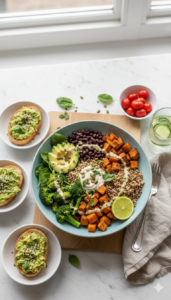
Nourish Naturally with hearty, vibrant, and nutrient-packed dishes that celebrate the beauty of whole food plant-based recipes. Drawing inspiration from the vibrant markets of Mediterranean coasts and the bountiful harvests of local farms, this recipe transforms humble seasonal ingredients into a symphony of flavors that delight the senses and fuel the body. Whether you’re a seasoned vegan or exploring new ways to boost vitality through plant-powered meals, this dish strikes the perfect balance of taste, texture, and color – a true testament to how simple whole foods can invigorate everyday dining.
Prep and Cook Time
Prep: 20 minutes | Cook: 25 minutes | Total: 45 minutes
Yield
Serves 4 generous portions
Difficulty Level
Easy – Perfect for weeknight dinners or casual weekend gatherings
Ingredients
- 1 cup quinoa, rinsed thoroughly
- 2 cups low-sodium vegetable broth
- 1 medium sweet potato, peeled and diced into ½-inch cubes
- 1 red bell pepper, diced
- 1 small red onion, thinly sliced
- 2 cups baby spinach, washed and patted dry
- 1 can (15 oz) chickpeas, drained and rinsed
- 3 cloves garlic, minced
- 2 tbsp extra virgin olive oil
- 1 tsp ground cumin
- ½ tsp smoked paprika
- Salt and freshly ground black pepper, to taste
- Juice of 1 lemon
- Fresh parsley, chopped for garnish
- 1 avocado, sliced (optional for serving)
Instructions
- Cook the quinoa: In a medium saucepan, combine the rinsed quinoa and vegetable broth. Bring to a gentle boil, then reduce heat to low, cover, and simmer for 15 minutes or until the liquid is absorbed and quinoa is fluffy. Remove from heat and let it sit covered for 5 minutes.
- Prepare the roasted vegetables: Preheat the oven to 400°F (200°C).Toss the diced sweet potato,red bell pepper,and red onion with 1 tbsp olive oil,cumin,smoked paprika,salt,and pepper. Spread evenly on a baking sheet and roast for 20 minutes, turning halfway through for even caramelization.
- Sauté the chickpeas and garlic: While the vegetables roast, heat the remaining olive oil in a large skillet over medium heat. Add minced garlic and sauté for 1-2 minutes until fragrant. Add chickpeas, season with a pinch of salt and pepper, and cook until slightly crispy, about 5 minutes, stirring occasionally to prevent sticking.
- Combine and wilt the spinach: Add the baby spinach to the skillet with chickpeas and stir until just wilted, about 2 minutes. Remove from heat.
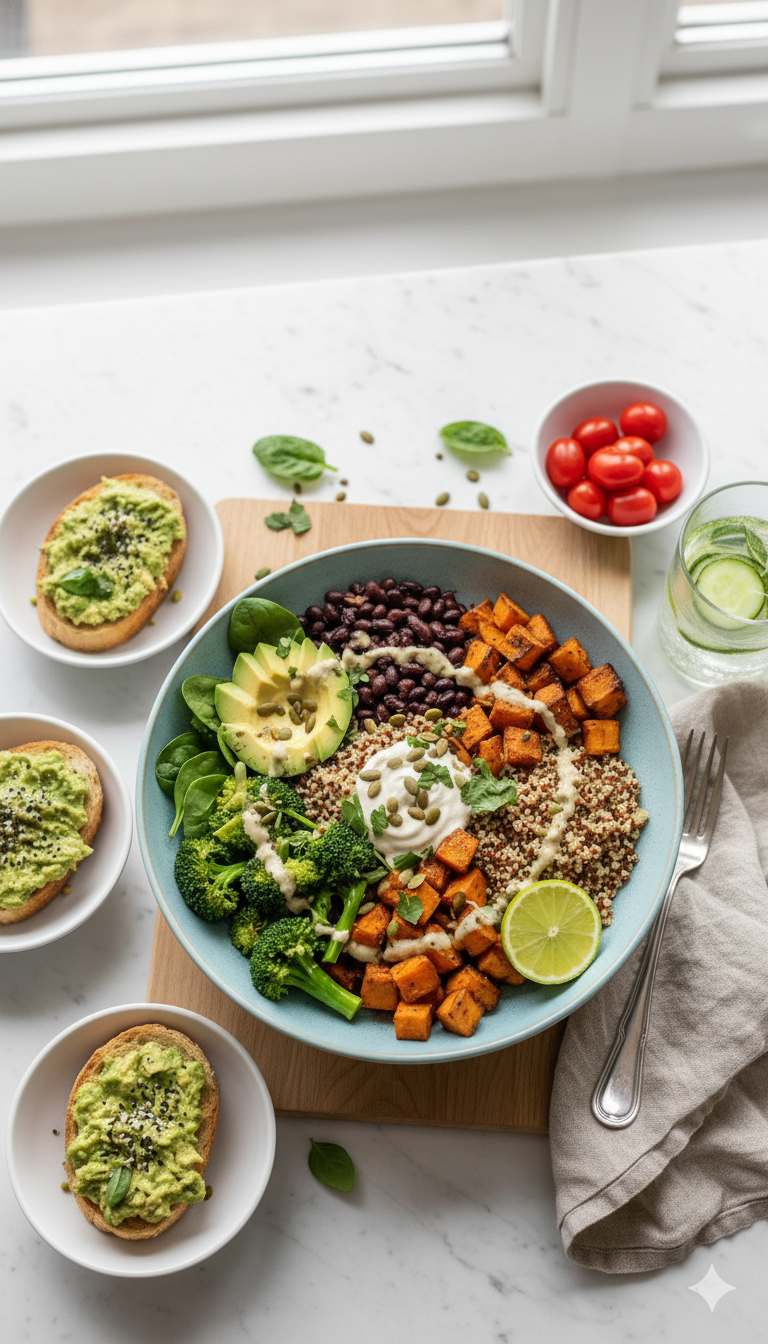
- Assemble the bowl: Fluff the quinoa with a fork and distribute evenly into serving bowls. Top with the roasted vegetables and the chickpea-spinach mixture.
- Finish with brightness: Drizzle freshly squeezed lemon juice over the bowls. Garnish with chopped parsley and avocado slices for a creamy, fresh contrast.
Tips for Success
- Quinoa Prep: Rinsing quinoa thoroughly before cooking removes its natural bitterness, ensuring a clean, nutty flavor.
- Seasonal Variation: Swap sweet potato for butternut squash or roasted carrots when seasonal. add kale or Swiss chard in place of spinach for a heartier green.
- Make Ahead: Roasted vegetables and cooked quinoa can be prepped up to two days in advance for speedy assembly during busy weeknights.
- Texture tip: For extra crunch, sprinkle toasted pumpkin seeds or walnuts just before serving.
- Spice it Up: add a pinch of cayenne or red pepper flakes to the chickpeas if you enjoy a gentle heat.
Serving Suggestions
This bowl shines served warm or at room temperature, making it a versatile option for any season. For added creaminess,a dollop of hummus or tahini drizzled across the top adds decadence without straying from whole food plant-based principles. Accompany with crusty whole-grain bread or a crisp side salad for a complete, balanced meal. Garnishing with radiant lemon wedges and fresh herbs not only adds visual appeal but also layers the flavor with refreshing, citrusy notes.

| Nutrient | Per Serving |
|---|---|
| Calories | 380 kcal |
| Protein | 14 g |
| Carbohydrates | 55 g |
| Fat | 9 g |
Balancing Macros with Whole Foods
Incorporating a variety of whole food plant-based ingredients naturally balances macros without complicated formulas. The quinoa provides a complete protein, the chickpeas add fiber and additional protein, while the sweet potato contributes complex carbohydrates and natural sweetness. Healthy fats from olive oil and avocado support satiety and nutrient absorption, crafting a meal that energizes and sustains you through your day.
For more plant-based inspiration, explore our vegan superfood salads and learn how to harness the benefits of whole grains paired with fresh produce. And for science-backed nutritional data on plant-based diets, check out this detailed guide from the Harvard T.H. Chan School of Public Health.
Q&A
Q&A: Nourish Naturally – Exploring Delicious Whole Food Plant-Based Recipes
Q1: What does ”whole food plant-based” mean, and how is it different from other plant-based diets?
A1: A whole food plant-based (WFPB) diet focuses on eating foods in their most natural, unrefined form-think vibrant fruits, earthy vegetables, hearty legumes, nuts, seeds, and whole grains.Unlike some plant-based diets that may include processed meat substitutes or refined oils and sugars, WFPB emphasizes minimally processed ingredients, ensuring each bite is as close to nature as possible.This approach not only boosts nutrient density but also enhances flavor and texture in every dish.
Q2: How can whole food plant-based recipes help improve overall health?
A2: These recipes champion nutrient-rich ingredients that support everything from heart health to digestion. By filling your plate with fiber-packed vegetables, antioxidant-rich fruits, and protein-dense legumes, you nurture your body with vitamins, minerals, and phytonutrients. The natural abundance of antioxidants helps combat inflammation, while the high fiber content supports gut health and sustained energy levels-making you feel vibrant inside and out.
Q3: What are some easy swaps to transition favorite comfort foods into whole food plant-based versions?
A3: Comfort food change is all about creativity! Swap creamy dairy sauces with blended cashew or cauliflower bases, replace traditional pasta with spiralized vegetables or whole grains, and reimagine burgers using hearty black beans or lentils instead of meat. Soups and stews become richer with the addition of mushrooms and root vegetables, and baked goods shine with natural sweeteners like dates or maple syrup paired with whole grain flours.
Q4: How does cooking with whole food plant-based ingredients enhance flavor?
A4: When you cook with minimally processed, fresh ingredients, their true flavors come alive. Think of the natural sweetness in caramelized onions, the umami depth of roasted mushrooms, or the vibrant zest of fresh herbs. The textures-from the satisfying crunch of toasted nuts to the creamy softness of avocado-bring dimension to every bite, proving that wholesome doesn’t mean boring.
Q5: Can whole food plant-based recipes be exciting for someone who’s new to this lifestyle?
A5: Absolutely! The world of plant-based cooking is a playground of vibrant colors, flavors, and textures.From zesty Mediterranean bowls and fragrant curries to hearty grain salads and decadent desserts featuring dates and cacao, there’s a dish to intrigue every palate. Exploring new spices, herbs, and seasonal produce turns cooking into an adventure - a delicious discovery of nature’s bounty.
Q6: What kitchen staples are essential for creating nourishing whole food plant-based meals?
A6: Keeping a hot bar of essentials helps you whip up nourishing meals anytime. Stock up on dried beans and lentils, brown rice or quinoa, a variety of nuts and seeds, fresh seasonal produce, whole grain flours, and flavorful herbs and spices. Nutritional yeast adds a subtle cheesy note, while tahini brings creamy richness. With these staples on hand, crafting wholesome recipes feels effortless and fun.
Q7: How can whole food plant-based recipes support sustainability and ethical eating?
A7: Choosing whole plant foods not only nurtures your body but also cares for the planet. Plants require fewer resources like water and land compared to animal agriculture, reducing your carbon footprint. By embracing whole foods, you promote biodiversity, minimize waste (thanks to utilizing root-to-stem parts), and contribute to a kinder, more sustainable food system that honors all living beings.
Q8: What’s a simple, delicious recipe to get started with whole food plant-based cooking?
A8: Try a vibrant Chickpea and Sweet Potato Buddha Bowl! roast sweet potato cubes dusted with smoked paprika until caramelized and tender. Toss cooked chickpeas in lemon juice, garlic, and fresh parsley. Layer these atop a bed of quinoa with steamed kale and sliced avocado.Drizzle with a creamy tahini-lemon dressing, and you have a meal that’s colorful, balanced, and packed with flavor, perfect for any season.
Q9: How do whole food plant-based diets accommodate different cultural cuisines?
A9: One of the joys of WFPB cooking is its universal adaptability. Whether it’s the spicy vibrancy of Indian dal, the comforting warmth of Middle Eastern stews, the fresh crispness of Asian-inspired salads, or the hearty simplicity of Mediterranean grains with olives and tomatoes, whole food plant-based ingredients form the delicious foundation of countless cultural dishes.This openness invites endless fusion and creativity.
Q10: Where can readers find inspiration and resources to deepen their whole food plant-based journey?
A10: Beyond dive-into-your-kitchen fun, there’s a flourishing community of cookbooks, blogs, and social channels celebrating whole food plant-based eating. Look for resources offering beautiful recipe photography, seasonal guides, tips for ingredient swaps, and nutrition insights. Connecting with others on the same journey sparks motivation, encouragement, and shared wisdom-turning nourishing cooking into a joyful lifestyle.
Closing Remarks
As you embark on your journey with Nourish Naturally: Delicious whole Food Plant-Based Recipes, remember that vibrant health and soulful satisfaction begin on your plate.These recipes are more than just meals-they are an invitation to embrace nature’s bounty in its purest form, to celebrate the colors, textures, and flavors that whole plant foods bring to life. By choosing nourishment that honors both your body and the earth,you’re cultivating a lifestyle rooted in wellness and mindful delight.So, go ahead-explore, experiment, and savor each bite, knowing that every wholesome ingredient is a step toward a more vibrant, energized you. Here’s to eating well, living fully, and nourishing naturally!