



Cottage cheese, with its creamy texture and subtle tang, is a beloved staple in many kitchens-whether dolloped onto a fresh salad, blended into a smoothie, or enjoyed straight from the container. But what happens when you buy in bulk or find yourself with leftovers that need a longer shelf life? Freezing cottage cheese might seem like uncharted territory, raising questions about texture changes and flavor preservation. Fear not! In this article, we’ll dive into smart tips and tricks to freeze cottage cheese effectively, helping you keep it fresh and tasty for weeks to come.Say goodbye to waste and hello to convenience, as we unlock the secrets to extending the life of this versatile dairy delight.
Understanding the Effects of Freezing on Cottage Cheese Texture and Flavor
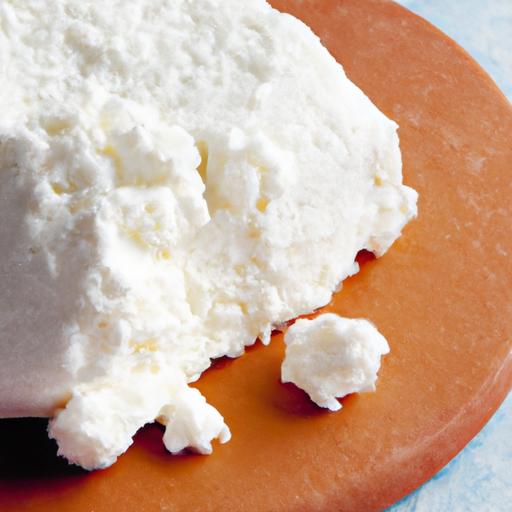
Freezing cottage cheese can be a convenient way to extend its shelf life, but it’s important to understand how the process affects its delicate texture and subtle flavor. When cottage cheese freezes,the water content inside its curds expands,causing a slight breakdown in its creamy consistency. this often results in a crumbly or grainy texture once thawed. The flavor, while largely intact, might soften or become less fresh-tasting if the cheese isn’t stored properly. However, with the right technique and freezing method, you can preserve much of its original charm – perfect for cooking, baking, and even enjoying straight from the fridge.
Choosing the right Containers and Portions for Freezing Cottage Cheese
Freezing cottage cheese effectively starts with selecting the right containers.Opt for airtight, freezer-safe plastic containers or resealable silicone bags to prevent freezer burn and keep odors at bay.Portioning is equally crucial; freeze cottage cheese in smaller, usable amounts to avoid repeatedly thawing and refreezing, which deteriorates quality. Consider dividing your cottage cheese into ½ or 1-cup portions depending on your typical use. Leaving a little headroom in the container accommodates expansion without popping lids or damaging the cheese structure.
Step-by-Step Guide to Properly Freezing Cottage Cheese for Maximum Freshness
- Prepare the Cottage Cheese: Gently stir your cottage cheese to evenly distribute moisture and break up larger curds for consistent texture after freezing.
- Portion Wisely: Use a measuring cup to divide cottage cheese into ½ to 1-cup servings. This ensures freshness and easy thawing without waste.
- Choose Quality Containers: Transfer portions into airtight, freezer-safe containers or heavy-duty resealable bags.Remove excess air to reduce crystallization.
- Label and Date: Use waterproof labels to write the freezing date and portion size. Frozen cottage cheese is best consumed within 3 months for optimal taste.
- Freeze Quickly: Place containers in the coldest part of your freezer to freeze as fast as possible. Rapid freezing minimizes large ice crystals that damage texture.
Tips for Thawing and Using Frozen Cottage Cheese to Maintain Taste and Quality
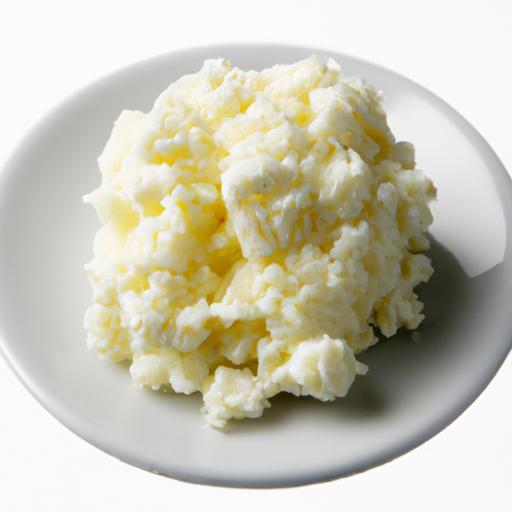
Thaw frozen cottage cheese slowly in the refrigerator,ideally overnight,to allow moisture to redistribute and regain some creaminess. Avoid microwaving or thawing at room temperature, which can encourage separation or spoilage. Once thawed,stir gently to recombine the curds and whey. While the texture may be slightly crumbly, it remains delicious and perfect for recipes like dips, spreads, baked goods, and casseroles. For fresh dishes, try blending thawed cottage cheese with a splash of milk or cream for creamier results. Use thawed cottage cheese within 2 to 3 days for best quality.
Prep and Cook Time
- Prep time: 10 minutes
- Freezing Time: 4-6 hours (until fully solid)
- Thaw Time: 8-12 hours (overnight recommended)
Yield
- 4 to 6 servings (depending on portion size)
Difficulty Level
- Easy
Ingredients
- 1 cup fresh full-fat cottage cheese
- Optional: 1 tsp lemon juice or 1 tbsp milk/cream (for blending after thawing)
Instructions
- Stir the cottage cheese gently to create an even texture without breaking the curds completely.
- Spoon measured 1-cup portions into clean, airtight, freezer-safe containers or resealable freezer bags.
- Press out excess air if using bags, then seal tightly.
- Label each container clearly with freezing date and portion size using waterproof markers.
- Place containers flat in the freezer’s coldest zone until solid, about 4-6 hours.
- To thaw,transfer frozen cottage cheese to the refrigerator overnight.
- Once thawed,gently stir to recombine any separated whey and curds. Add a splash of milk or cream if desired for creaminess.
- Use thawed cottage cheese promptly within 2-3 days in recipes or served cold.
Chef’s Notes
- Full-fat cottage cheese freezes better than low-fat varieties, which may become grainier after thawing.
- Consider mixing cottage cheese with herbs, spices, or other flavorings before freezing to create ready-to-use dips and spreads.
- If texture changes are undesirable, reserve fresh cottage cheese for salads and cold dishes, and use frozen for cooked recipes like lasagna, pancakes, or casseroles.
- Always avoid refreezing thawed cottage cheese to prevent off-flavors and texture loss.
- Experiment with layering cottage cheese between parchment paper if freezing large blocks to prevent clumping.
Serving Suggestions
- Enjoy thawed cottage cheese mixed with fresh herbs, cracked black pepper, and a drizzle of extra virgin olive oil as a creamy spread for toasted whole-grain bread.
- Use it in savory pancakes or fritters, combined with chopped scallions and a sprinkle of smoked paprika for added depth.
- Fold into baked vegetable casseroles or creamy pasta dishes where its slightly altered texture melts seamlessly into rich sauces.
- Garnish with fresh fruit like berries or sliced peaches and a handful of toasted nuts for a delightful breakfast or snack.
| Nutrient | Amount per 1 cup |
|---|---|
| Calories | 206 kcal |
| Protein | 28 g |
| Carbohydrates | 6 g |
| Fat | 10 g |

Discover more about storing dairy products properly to help extend freshness in your kitchen. For scientific insights, visit FoodSafety.gov’s storage guidelines.
Q&A
Q&A: Freezing Cottage Cheese – Tips to Keep It Fresh and Tasty
Q1: Can I freeze cottage cheese without it turning grainy or watery?
A1: freezing cottage cheese can sometimes change its texture, making it a bit grainy or watery upon thawing. To minimize this, stir the cottage cheese well before freezing to evenly distribute the moisture.After thawing, gently drain any excess liquid and stir again to help restore creaminess. Using it in cooked dishes or spreads can also mask slight texture changes.
Q2: What’s the best way to freeze cottage cheese to maintain freshness?
A2: Portion the cottage cheese into airtight containers or freezer-safe bags, removing as much air as possible. Label with the date, and keep it at a consistent freezing temperature. Smaller portions thaw more quickly and reduce waste,making it easier to enjoy just the amount you need.
Q3: How long does frozen cottage cheese stay fresh?
A3: For optimal taste and texture, use frozen cottage cheese within 2 to 3 months. Beyond that, it might still be safe but could lose flavor and further texture quality. Always give it a sniff and look for any signs of spoilage after thawing.Q4: Should I thaw cottage cheese in the fridge or at room temperature?
A4: Thawing cottage cheese slowly in the fridge is best to preserve flavor and safety.It usually takes about 24 hours. Avoid swift-thawing at room temperature, which can encourage bacterial growth and affect quality.Q5: Can I freeze cottage cheese if it’s already opened?
A5: Absolutely! Once opened, cottage cheese can still be frozen to extend its shelf life. Just make sure to transfer it into a clean, airtight container, remove excess air, and label it properly. Keep in mind that the texture might change more noticeably compared to freezing unopened containers.
Q6: Does the fat content affect how cottage cheese freezes?
A6: Yes, higher-fat cottage cheese tends to freeze better because the fat helps maintain a creamier texture. Low-fat or fat-free versions may separate more and become watery after thawing, but they’re still perfectly fine for cooking and baking.
Q7: How can I use thawed cottage cheese if its texture isn’t quite right?
A7: Don’t toss it! Thawed cottage cheese works beautifully in smoothies, dips, casseroles, pancakes, and baked goods. The slight change in texture won’t be noticeable once it’s blended or cooked.
Q8: Is homemade cottage cheese freezable?
A8: Yes! Homemade cottage cheese can be frozen just like store-bought versions. Just make sure it’s fresh and stored in airtight containers. Expect a similar texture change and use post-thaw recommendations to enjoy it fully.
By following these simple tips,you can extend the life of your cottage cheese without sacrificing too much of that creamy goodness.Freeze smart, thaw slow, and get creative in the kitchen!
In Retrospect
Freezing cottage cheese might seem like a small kitchen hack, but with the right approach, it can become your secret weapon against food waste and last-minute meal prep stress. By following these simple tips-like choosing the right container, managing thawing times, and embracing texture changes-you’ll keep your cottage cheese fresh and ready to add that creamy, tangy punch to your recipes whenever inspiration strikes. So next time you find yourself with a surplus,don’t hesitate to freeze; your future self (and your taste buds) will thank you!