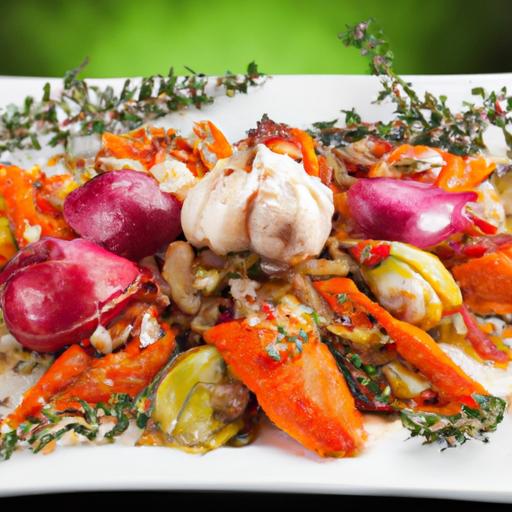



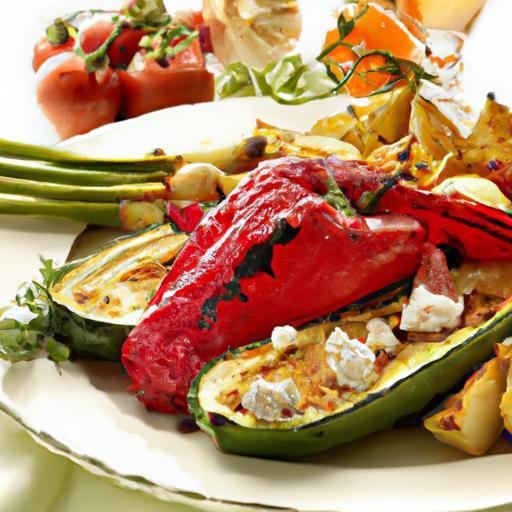
In the sun-drenched landscapes of greece, where flavors burst as vibrantly as the Mediterranean colors, there lies a culinary treasure frequently enough celebrated yet beautifully understated: Gemista. More than just a dish, gemista is a heartfelt expression of tradition, artistry, and the bounty of nature, where humble vegetables transform into vessels of flavor and history.Join us as we unveil the art of greek stuffed vegetables-a tasty journey into the heart of Gemista,where every bite tells a story of seasons,family recipes,and the timeless joy of sharing food made with love.
Gemista Unveiled: the Art of Greek Stuffed Vegetables Delight
Gemista unveils the soul of Greek home cooking-an irresistible medley of garden-fresh vegetables deeply stuffed with a fragrant filling of rice and herbs, baked until tender and infused with sunshine. This dish embodies more than flavor; it’s a festivity rooted in centuries of Mediterranean tradition, representing family gatherings, rustic simplicity, and the bounty of nature’s harvest.
Origins and Cultural Significance of gemista in Greek cuisine
Gemista, meaning “stuffed” in Greek, reflects the resourcefulness and communal spirit of greek culinary heritage. Originating from the fertile regions of mainland Greece and the islands, this dish has been lovingly prepared for generations, especially in summer and early autumn when vegetables are at their peak. Traditionally, families would gather to collectively prepare and share gemista, turning cooking into a joyous social ritual.
The beauty of gemista lies in its connection to the earth and seasonal cycles. Each vegetable acts as an edible vessel enclosing a harmony of rice, herbs such as parsley and dill, and occasionally minced lamb or beef-but our rendition embraces the authentic vegetarian path, highlighting simplicity and freshness. The dish symbolizes abundance and hospitality, often served as a centerpiece at festive tables and Sunday meals.
Choosing the Perfect Vegetables and Ingredients for Authentic Gemista
To craft Gemista Unveiled to its fullest, selecting the ideal produce is vital. The hallmark vegetables are plump vine-ripened tomatoes, tender bell peppers, zucchini, and sometimes eggplants, each hollowed with precision to cradle the seasoned filling. opt for firm but ripe vegetables-avoid those to soft or watery, wich can lead to sogginess in the finished dish.
The filling’s soul is an aromatic blend of long-grain rice or medium-grain rice, thyme, oregano, and fresh herbs enhancing every bite. Olive oil, the liquid gold of Greece, binds flavors while giving a silky mouthfeel. Adding finely chopped onions and garlic imparts depth, and a hint of cinnamon or allspice offers an optional warm twist.
Ingredients That Elevate
- Extra virgin olive oil: cold-pressed and robustly flavored
- Freshly picked herbs: parsley, mint, and dill for freshness
- Tomato juice or passata: to moisten the rice and enrich the cooking
- Sea salt and freshly cracked black pepper: essential for balance
- Optional regional touches: pine nuts, currants, or fresh lemon zest
Mastering the Art of Stuffing and Seasoning for Maximum Flavor
Perfectly stuffing gemista requires a gentle hand and an eye for balance. The filling should be moist but not wet-too much liquid will create a mushy texture, and too little leaves the rice undercooked. Par-cooking the rice ensures tenderness post-baking.Combine your herbs and seasonings thoroughly so each bite bursts with bright, layered flavors.
When hollowing vegetables, maintain uniform thickness and reserve the trimmings to fold into the rice mixture-this recycles flavor and maximizes texture contrast. Stuff the vegetables firmly yet delicately, avoiding air gaps while allowing room for the rice to expand as it cooks.
Tips and Tricks for Baking Gemista to Perfection Every Time
Cooking gemista is an exercise in patience and attentiveness. arrange the stuffed vegetables snugly in a heavy baking dish to prevent them from toppling. Pour a generous amount of tomato juice or water mixed with olive oil into the pan; this creates steam that gently cooks the rice and imparts moistness.
Covering the dish with foil for the initial baking phase traps steam, allowing heat to penetrate evenly. removing the foil near the end encourages slight caramelization and a beautifully roasted finish. For that golden, slightly blistered top, place the dish close to the oven’s heat source during the last few minutes.
Always let the gemista cool down a little before serving-it allows the flavors to meld and the stuffing to settle, ensuring clean, elegant slices.
Prep and Cook Time
- preparation: 30 minutes
- Cooking: 1 hour 15 minutes
Yield
Serves 6 hearty portions
Difficulty Level
Medium - requires patience and attention to detail but rewarding for all skill levels
Ingredients
- 6 medium-sized tomatoes, tops sliced and insides scooped out
- 4 large bell peppers, tops removed and seeds discarded
- 2 medium zucchinis, halved and hollowed
- 1 ½ cups long-grain white rice, rinsed and drained
- 1 large onion, finely chopped
- 3 cloves garlic, minced
- 1 cup fresh tomato juice (or strained passata)
- ½ cup extra virgin olive oil
- 1 cup fresh parsley, chopped
- ½ cup fresh dill, chopped
- 1 tsp dried oregano
- Salt and freshly ground black pepper, to taste
- 1 lemon, zest and juice
- Optional: 2 tbsp pine nuts or currants for texture and sweetness
Instructions
- Preheat the oven to 375°F (190°C). Lightly grease a deep baking dish with olive oil.
- Prepare the vegetables: Carefully hollow tomatoes, bell peppers, and zucchinis, reserving the flesh. Set the hollowed shells aside upside down on paper towels to drain excess moisture.
- Sauté the aromatic base: In a large skillet, heat ¼ cup olive oil over medium heat. Add the onions and garlic, sautéing until soft and translucent, about 5 minutes.
- Add reserved vegetable flesh: Chop finely and stir into the skillet, cooking for an additional 7 minutes until reduced and fragrant.
- Combine the filling: In a large bowl, mix the rinsed rice with the sautéed vegetables, fresh herbs, dried oregano, lemon zest, salt, and pepper. Stir in pine nuts or currants if using.
- Add liquid and olive oil: Pour in the tomato juice and remaining olive oil. Stir gently to moisten the rice without making it soggy.
- Stuff the vegetables: Spoon the filling into each vegetable, filling to the brim but not overstuffing, allowing the rice room to expand.
- Arrange and bake: Place the stuffed vegetables upright in the prepared baking dish. Pour ½ cup water or additional tomato juice into the dish. Cover tightly with foil.
- Bake covered for 50 minutes, then remove the foil and bake uncovered for another 15-20 minutes until the tops are golden and the vegetables are tender when pierced with a fork.
- Rest before serving: Allow gemista to cool for 10-15 minutes to let flavors settle and ensure neat slices.
Tips for Success
- Rice choice: Medium grain rice offers great texture; if using long grain, soak it briefly to prevent drying out.
- Tomato juice substitute: If unavailable, blend fresh tomatoes and strain to obtain fresh juice.
- Storage: Gemista reheats beautifully. Cover leftovers and refrigerate up to 3 days; warm in oven until heated through.
- Make-ahead: prepare and stuff the vegetables a day ahead, then bake fresh before serving.
- Herb substitutions: use fresh basil or thyme to personalize the flavor profile while keeping it traditional.
Serving Suggestions
serve gemista warm or at room temperature alongside a crisp greek salad of cucumbers, olives, and feta cheese. Garnish with a sprinkle of fresh oregano and a drizzle of extra virgin olive oil. A side of crusty sourdough or traditional village bread complements the moist, herbed stuffing perfectly, allowing diners to soak up every last drop of the rich tomato sauce. A wedge of lemon on the side brightens the dish further with a splash of acidity.

| Nutrient | Per Serving |
|---|---|
| Calories | 320 kcal |
| Protein | 6 g |
| Carbohydrates | 45 g |
| Fat | 12 g |
Explore more traditional greek dishes and their secrets in our Greek Culinary Treasures collection. For deeper insight into the history of Mediterranean cuisines, visit the authoritative Britannica’s Greek Cuisine overview.
Q&A
Q&A: Gemista Unveiled - the Art of Greek Stuffed Vegetables Delight
Q1: What exactly is Gemista, and why is it such a beloved dish in Greek cuisine?
A1: Gemista (pronounced yeh-MEE-stah) translates simply to “stuffed” in Greek, referring to vegetables lovingly filled with a fragrant mixture of rice, herbs, and sometimes ground meat or other rich fillings.It’s a celebration of fresh, vibrant produce and the Mediterranean sun, embodying the essence of Greek home cooking – wholesome, colorful, and bursting with flavor. Gemista brings together nature’s bounty with tradition, offering a dish that’s both comforting and elegant.
Q2: which vegetables are typically used for Gemista?
A2: The most traditional Gemista vegetables include ripe tomatoes, plump bell peppers, and tender zucchinis or courgettes. Sometimes eggplants or even large mushrooms take center stage. Each vegetable acts like a natural vessel, hollowed out to cradle the aromatic filling. The choice of vegetable frequently enough reflects the season and regional preferences, but the goal is always the same: to balance texture, flavor, and visual appeal.
Q3: What makes the filling of Gemista so special?
A3: The filling is where artistry meets simplicity-a fragrant blend of long-grain or medium-grain rice, fresh herbs such as parsley, mint, and dill, along with onions, garlic, and ripe tomatoes. Olive oil is essential here, adding richness and binding all the flavors together. Sometimes pine nuts or raisins are added for a touch of texture and sweetness. The filling embodies the mediterranean palette – earthiness, brightness, and subtle spice – creating a perfect harmony within each stuffed jewel.
Q4: How critically important is the cooking technique in preparing Gemista?
A4: Extremely important! Traditional Gemista is slow-baked in the oven, allowing the vegetables to soften gently while the filling absorbs all the infused flavors. A careful balance of moisture and heat ensures the rice cooks perfectly, neither too dry nor too mushy. Often, a generous drizzle of olive oil and a splash of vegetable broth or tomato juice on top create a luscious, flavorful steam that elevates the dish. The final result is a tender,aromatic experience,with each bite releasing layers of Mediterranean goodness.
Q5: Can Gemista be made vegetarian or vegan without losing its soul?
A5: Absolutely! Gemista shines as a vegetarian or vegan dish, and many traditional versions omit meat entirely, relying on the richness of herbs, olive oil, and sometimes nuts or chopped mushrooms for umami. When made vegan, be sure to select fresh, ripe vegetables and seasoning that highlight natural flavors. This approach honors the Greek culinary ethos, proving that simplicity and freshness can create deeply satisfying meals.
Q6: What sides or accompaniments pair beautifully with Gemista?
A6: Gemista is frequently enough served as a main dish, but it pairs wonderfully with crisp Greek salad adorned with Kalamata olives and creamy feta, crusty rustic bread to mop up the juices, or a refreshing tzatziki made from cucumber, garlic, and herbs.Light lemon potatoes or roasted greens also complement the dish nicely, enhancing its fresh and vibrant profile.
Q7: Is gemista just a summer dish, or can it be enjoyed year-round?
A7: While Gemista’s bright, sun-ripened vegetables make it a quintessential summer favorite, it’s enjoyed year-round throughout Greece, adapting to the seasons. Winter versions may feature heartier vegetables and richer spices, while summer Gemista bursts with garden-fresh vibrancy. Its adaptability is a testament to the dish’s enduring charm and versatility.
Q8: What cultural or historical significance does Gemista hold in Greek tradition?
A8: Gemista is more than a meal-it’s a ritual of hospitality and family gatherings.Preparing Gemista often involves time-consuming preparation and communal effort, reflecting Greek values of sharing and togetherness. The dish also highlights the Mediterranean’s connection to the earth and seasons, paying homage to agricultural abundance and a lifestyle rooted in simplicity and joy. It’s a living tradition passed down through generations, embodying stories told through food.
Q9: Can Gemista be customized with different grains or fillings?
A9: Yes! While rice is classic, some cooks experiment with bulgur wheat, quinoa, or orzo to add new textures and flavors. Fillings can also be adjusted to include chickpeas, lentils, or a medley of finely chopped vegetables. Creative twists keep the heart of Gemista alive while inviting exploration and personal expression.
Q10: What tips would you give to a novice cook attempting Gemista for the first time?
A10: Start with ripe, firm vegetables that can hold their shape. Don’t overstuff them-a modest filling allows even cooking.Season generously but thoughtfully; herbs and olive oil are your best friends. Cover the baking dish with foil in the early baking stage to trap steam, then uncover near the end to encourage gentle browning. And above all, be patient-Gemista rewards those who cook with care and love. Enjoy the process as much as the delicious results!
In Conclusion
As we close the chapter on Gemista,the humble yet heroic dish of Greek cuisine,it becomes clear that these vibrant stuffed vegetables are far more than just a meal-they are a celebration of tradition,community,and the bounty of the Mediterranean. Each bite offers a tapestry of flavors, skillfully woven together by time-honored techniques and a deep respect for fresh, natural ingredients. Whether enjoyed in a sunlit taverna or crafted in your own kitchen, Gemista invites us all to savor the art of simplicity, the joy of sharing, and the timeless allure of greek culinary heritage. So next time you encounter these colorful treasures,remember: you’re partaking in a story that has been lovingly filled,baked,and passed down through generations-one delicious mouthful at a time.