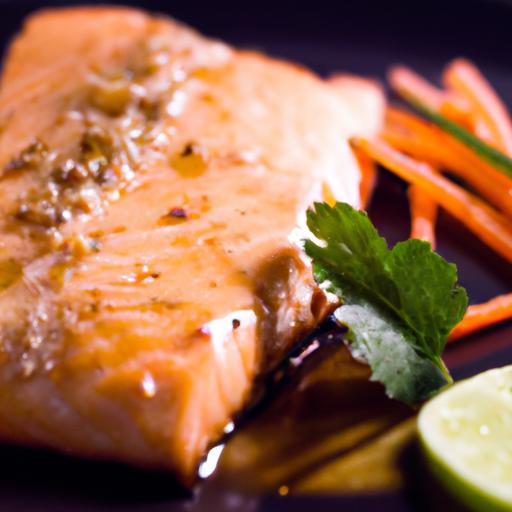



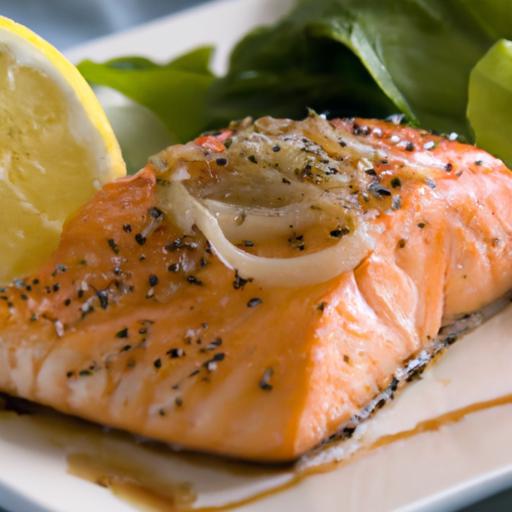
There’s something undeniably mesmerizing about the glossy,caramelized glaze that clings to a perfectly cooked piece of teriyaki salmon.Glazed Perfection: The Art of Teriyaki Salmon Cooking invites you on a culinary journey where simple ingredients transform into a symphony of sweet, savory, and umami flavors. More than just a recipe, teriyaki salmon is an edible masterpiece-each brushstroke of the glaze a delicate balance between technique and intuition. In this article, we’ll explore the origins, essential techniques, and insider tips that elevate this beloved dish from everyday dinner to a stunning centerpiece worthy of celebration. Whether you’re a seasoned chef or a curious home cook,prepare to unlock the secrets behind that irresistible,shiny finish and savor salmon in its most sublime form.
Crafting the Ideal Teriyaki Marinade for Deep Flavor
Glazed Perfection starts with a marinade that balances savory umami, a touch of sweetness, and a hint of aromatic warmth-this is the secret to infusing your salmon with unforgettable depth. The cornerstone ingredients include soy sauce for that salty backbone, mirin or a mild honey syrup for gentle sweetness, and freshly grated ginger to awaken the palate. Adding freshly minced garlic creates a subtle pungency that harmonizes beautifully with the other notes.
For a marinade that penetrates deeply without overpowering, combine low-sodium soy sauce with pure maple syrup rather of refined sugar to provide an elegant balance and a delicate glaze once reduced. A splash of toasted sesame oil introduces a nutty layer that plays perfectly with the salmon’s natural richness. Let the fillets rest in this potion for at least 30 minutes, but no more than 2 hours to avoid textural changes.
Mastering the Perfect Glaze Texture and Shine
The hallmark of teriyaki salmon lies not only in flavor but in its captivating, lacquered finish. Carefully simmering the marinade after marination transforms it into a velvety glaze. Reduce it until slightly thickened-enough to coat the back of a spoon-achieving that glossy sheen that attracts the eye as much as the taste buds. Stir constantly toward the end to prevent burning while encouraging a syrupy texture.
When glazing the salmon during the final moments of cooking,use a pastry brush to layer the sauce gently,allowing each pass to caramelize subtly without charring. This step demands patience-it’s the difference between a flat finish and a dazzling, mirror-like glaze that glistens under any light.
Choosing the Best Salmon Cuts for Optimal Taste and Texture
Not all salmon are created equally, especially when aiming for glazed perfection. Opt for thick,center-cut fillets or skin-on portions if you love that crispy contrast. Wild-caught sockeye or king salmon are prized for their vibrant color and rich, buttery texture, which stand up wonderfully to the teriyaki marinade’s bold flavors without overwhelming the fish’s natural essence.
Skin-on fillets provide a structural advantage during cooking, locking in moisture and creating a stunning golden crisp when seared properly. If skinless is your preference, carefully monitor cooking time to preserve that delicate flakiness.
Cooking Techniques to Achieve Flaky and Juicy Perfection
Grilling, pan-searing, and broiling each offer distinct virtues when it comes to teriyaki salmon’s final texture.For the most luscious, flaky results, begin with a medium-high sear on the skin side to crisp it up, then gently lower the heat and flip, glazing the flesh generously towards the end. This method traps juices while delivering that coveted caramelized exterior.
Alternatively, baking the salmon at 375°F (190°C) on a parchment-lined sheet after marinating and glazing produces uniformly tender flakes that melt effortlessly with every bite. Keep a watchful eye to prevent dryness-salmon is best when it flakes easily but remains moist. Insert an instant-read thermometer and remove once the internal temperature reaches 125-130°F (51-54°C).
Whatever technique you choose, remember that less fuss often yields the best texture. Minimal flipping and attentive heat control help maintain that juicy, flaky profile that earns the affectionate title of glazed perfection.
Prep and Cook Time
- Marinating: 30 minutes to 2 hours
- Planning: 10 minutes
- Cooking: 10-15 minutes
- Total Time: Approximately 50 minutes to 2 hours 25 minutes
Yield
Serves 4 elegantly glazed salmon fillets
Difficulty Level
Medium: Perfect for cooks ready to master layering flavor and texture with confidence
Ingredients
- 4 center-cut salmon fillets (6 oz each), skin on preferred
- 1/2 cup low-sodium soy sauce
- 1/4 cup pure maple syrup
- 2 tablespoons mirin (or substitute with a mild honey syrup)
- 1 tablespoon freshly grated ginger
- 2 cloves garlic, finely minced
- 1 teaspoon toasted sesame oil
- 1 teaspoon cornstarch mixed with 2 teaspoons cold water (optional, for thicker glaze)
- 1 tablespoon vegetable oil (for searing)
Instructions
- Prepare the marinade: In a medium bowl, whisk together soy sauce, maple syrup, mirin, grated ginger, minced garlic, and toasted sesame oil until well combined.
- Marinate the salmon: Place salmon fillets in a shallow dish and pour marinade over them,ensuring each piece is fully coated. Cover and refrigerate for 30 minutes to 2 hours, no longer.
- make the glaze: Transfer the marinade to a small saucepan and bring to a gentle simmer over medium heat.optionally stir in the cornstarch slurry and cook, stirring steadily, until the sauce thickens and becomes glossy, about 3-5 minutes. Remove from heat and set aside.
- Preheat skillet: Heat vegetable oil in a large nonstick or cast-iron pan over medium-high heat until shimmering.
- Sear salmon on skin side: Place fillets skin-side down and press gently to prevent curling. Cook undisturbed for 4-5 minutes until skin is crispy and golden brown.
- Flip and glaze: Carefully turn fillets over and brush generously with the teriyaki glaze. Continue cooking for another 3-5 minutes, brushing with more glaze every minute to build layers of shiny sweetness.
- Check doneness: Salmon is perfect when it flakes easily but remains moist inside; internal temperature should be 125-130°F (51-54°C).
- Rest: Remove from heat and let rest for 2-3 minutes to lock in juices before serving.
Tips for Success
- If you prefer a thicker glaze for saucier salmon, add the cornstarch slurry gradually; too much thickener can mute the radiant flavors.
- Choosing fresh, high-quality salmon elevates the dish immensely-wild-caught varieties offer the richest flavor profiles.
- For a hands-off alternative, bake glazed salmon at 375°F (190°C) for 10-12 minutes, brushing with glaze halfway through.
- Reserve a small amount of marinade before adding raw salmon to thicken for the glaze-never reuse raw marinade directly to avoid food safety risks.
- Garnish with toasted sesame seeds, sliced green onions, and thinly sliced red chili for visual contrast and flavor bursts.
Serving Suggestions
Present your glazed teriyaki salmon atop a bed of steamed jasmine rice or lightly sautéed bok choy to highlight the dish’s Asian inspirations. A wedge of fresh lemon on the side adds a bright counterpoint, cutting through the glaze’s richness. for a finishing touch,sprinkle with chopped cilantro or microgreens to introduce freshness and color.
Pair this meal with crisp, chilled cucumber salad dressed with rice vinegar or a simple miso soup to round out the experience. each bite should be a harmony of tender salmon, sweet-salty glaze, and vibrant accents-the essence of glazed perfection.
| Nutrient | Per Serving (6 oz Salmon) |
|---|---|
| Calories | 320 |
| Protein | 34g |
| Carbohydrates | 14g |
| Fat | 12g |
Explore more Asian-inspired salmon recipes for fresh, exciting variations on this classic. For detailed details on the health benefits of salmon oils and omega-3 fatty acids, visit American Heart Association.

Q&A
Q&A: Glazed Perfection – The Art of Teriyaki salmon Cooking
Q1: What makes teriyaki salmon such a beloved dish worldwide?
A1: Teriyaki salmon combines the rich,buttery texture of salmon with the sweet and savory allure of teriyaki glaze. This harmony of flavors creates a mouthwatering balance that appeals to both the senses and the soul, embodying the essence of Japanese culinary finesse with a worldwide charm.
Q2: How do you achieve the perfect glaze on teriyaki salmon?
A2: The secret to a flawless glaze lies in timing and technique. Slowly simmering the teriyaki sauce until it thickens ensures it clings to the salmon’s surface like a shiny, flavorful armor. basting the fish frequently during cooking builds layers of glossy, caramelized sweetness that spark both the eye and the palate.
Q3: which cuts of salmon are best suited for teriyaki preparation?
A3: Salmon fillets with the skin on are particularly ideal,as the skin crisps beautifully under high heat,adding texture and preventing the delicate flesh from drying out. Center-cut portions offer a balanced fat content that enhances juiciness and ensures each bite is tender and flavorful.
Q4: Can teriyaki salmon be prepared without marinating the fish overnight?
A4: Absolutely. While an overnight marinade intensifies flavor penetration, a brief 20-30 minute soak can still impart a wonderful depth. Alternatively, brushing the glaze on during cooking acts as a flavorful veil, allowing the natural salmon character to shine through beneath the glossy coating.
Q5: What are some key ingredients in an authentic teriyaki glaze?
A5: The heart of teriyaki sauce pulses with soy sauce, mirin (sweet rice wine), and a touch of sugar or honey.Ginger and garlic often join the chorus to add warmth and complexity, while cornstarch can be introduced for that signature thickened glaze that clings lovingly to each salmon slice.
Q6: How can you tell when teriyaki salmon is perfectly cooked?
A6: Look for a tender, translucent pink interior that flakes gently when pressed with a fork. The exterior should boast a shimmering caramel hue, lightly crisped but not burnt. Overcooking dulls the glaze and dries the flesh, so patience and attention are essential to capture the fish’s buttery essence.
Q7: Are there creative ways to serve teriyaki salmon beyond the classic rice bowl?
A7: Definitely! Try pairing teriyaki salmon with roasted seasonal vegetables or nestling it atop a vibrant noodle salad. For an elegant twist, serve thin slices as part of a sushi-inspired platter or on crunchy crostini with a sprinkle of toasted sesame seeds and scallions.Q8: What kitchen tools help elevate the teriyaki salmon cooking experience?
A8: A non-stick or cast iron skillet evenly distributes heat for an impeccable sear and caramelization.A silicone brush is perfect for layering that luscious glaze without disturbing the fish’s delicate surface. And a digital thermometer ensures precision-salmon is best enjoyed at around 125°F (52°C) for a tender,juicy bite.
Q9: How does the balance of sweet and savory elements influence the dish’s appeal?
A9: Teriyaki’s magic sparkles within the dance between saltiness and sweetness. The soy sauce’s deep umami anchors the flavor profile, while mirin and sugar lend a sumptuous glaze that tempers and elevates the fish. This interplay creates a multi-dimensional taste experience that feels both comforting and exciting.
Q10: What is the cultural significance behind teriyaki cooking methods that inspire salmon dishes today?
A10: Rooted in traditional Japanese grilling techniques, teriyaki has long been a method of enhancing natural ingredients with sauce reduced to glossy perfection.Adapting this philosophy to salmon honors the reverence for fresh,seasonal offerings-celebrating simplicity and flavor craftsmanship in every golden bite.
Final Thoughts
as the final glaze settles into a shimmering coat of caramelized goodness,teriyaki salmon reveals itself not just as a dish,but as a delicate balance of tradition and technique. Mastering this art transforms a simple fillet into a celebration of umami and texture, where each bite tells a story glazed in sweet-savory harmony.Whether you’re a seasoned chef or a home cook seeking that perfect sear and shine, embracing the nuances of teriyaki salmon invites you into a culinary dance-one that honors patience, precision, and the joy of savoring perfection on a plate. So next time you crave a dish that’s as stunning to behold as it is indeed delicious to devour, remember: the secret lies in the glaze, and the magic is yours to create.