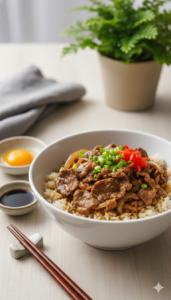




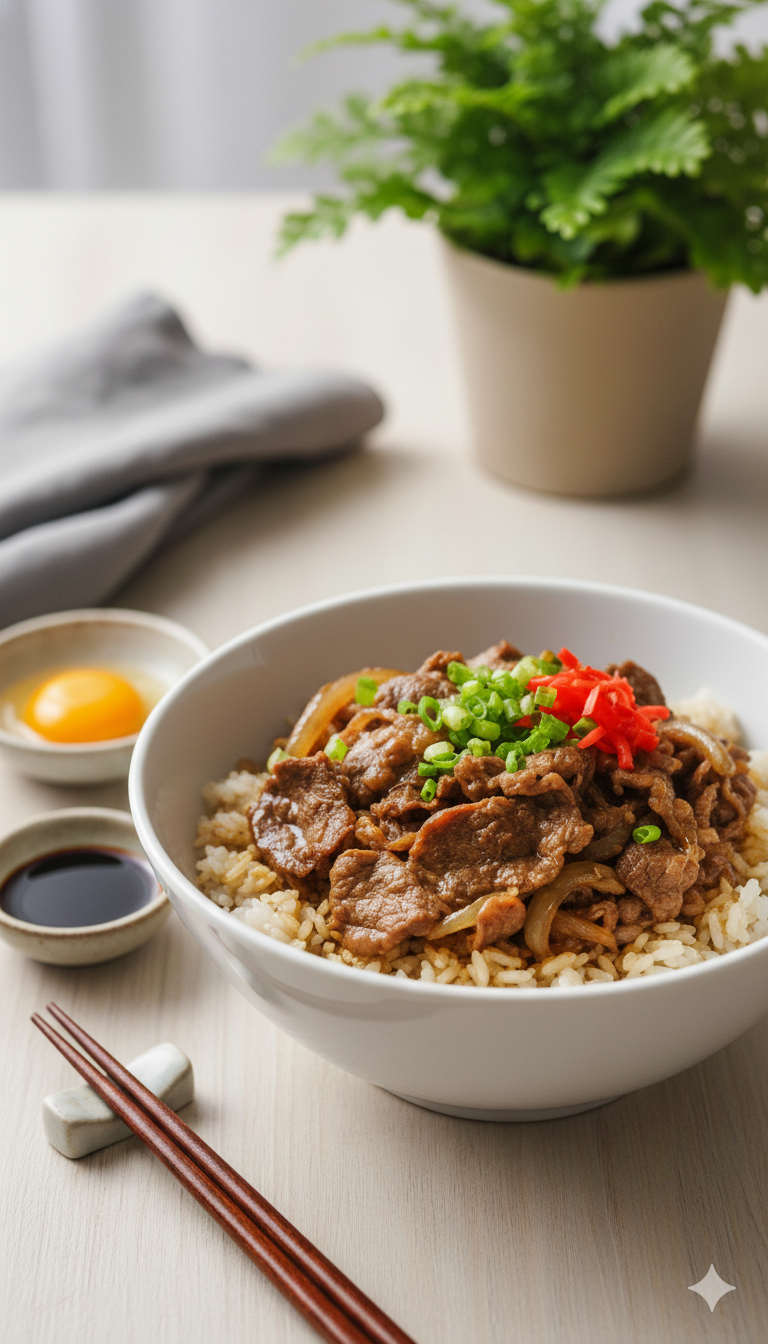
In the bustling streets of Tokyo and the quiet corners of rural Japan alike, a humble dish has captured the hearts and appetites of millions-Gyudon, the savory beef rice bowl that embodies comfort, tradition, and culinary simplicity.More than just a quick meal, gyudon tells a story of JapanS rich food culture, where thinly sliced beef simmered in a subtly sweet soy-based sauce is lovingly served over steaming white rice.Join us as we delve into the origins, flavors, and enduring popularity of this iconic dish, unveiling why Gyudon remains a beloved staple on tables across Japan and continues to entice food lovers around the world.
Gyudon,Japan’s savory beef rice bowl delight,is a beloved dish that perfectly captures the heart of Japanese home cooking wiht its comforting combination of thinly sliced beef simmered in a subtly sweet and umami-rich sauce atop steaming white rice.Originating during the Meiji era as an affordable, quick meal for busy workers and students, this dish grew into a national favorite for its simplicity and deep, satisfying flavors.My first encounter with gyudon was at a bustling Tokyo eatery, where the aroma of simmering soy and mirin mingled with tender beef made it unfeasible to resist-since then, crafting this dish at home has become a cherished ritual bringing warmth and authenticity to my kitchen.
Prep and Cook Time
Preparation: 10 minutes | Cooking: 15 minutes | Total: 25 minutes
Yield
Serves 4 generously
Difficulty Level
Easy – perfect for weeknight dinners and first-time Japanese cuisine explorers
Ingredients
- 2 cups Japanese short-grain rice, rinsed and cooked
- 400g (14 oz) thinly sliced beef ribeye or sirloin
- 1 large yellow onion, thinly sliced
- 3 tbsp soy sauce (preferably Japanese)
- 3 tbsp mirin
- 2 tbsp sake
- 1 tbsp granulated sugar
- 1/2 cup dashi stock (or substitute with chicken stock)
- 1 tsp grated ginger (optional, for subtle warmth)
- 2 green onions, finely chopped for garnish
- Pickled red ginger (beni shoga), for serving
- Optional: Soft-boiled egg or onsen tamago for added richness
Instructions
- Prepare the rice: If not already cooked, rinse the rice under cold water until the water runs clear. Cook according to yoru rice cooker or stovetop method and keep warm.
- Sauté the onions: In a medium skillet or donabe pot, add a splash of oil and sauté the thinly sliced onions over medium heat until translucent and tender, approximately 5 minutes, stirring gently to avoid burning.
- Create the simmering sauce: To the onions, add soy sauce, mirin, sake, sugar, dashi stock, and grated ginger.Stir well, bringing the mixture to a gentle simmer.
- Add the beef: gradually add the thin slices of beef, laying them flat in the sauce. Cook uncovered, stirring gently, for 5 to 7 minutes until the beef turns tender and infuses with the sauce’s rich flavors. Do not overcook to prevent toughness.
- Assemble and serve: Spoon the hot steamed rice into individual bowls. Ladle the beef and onion mixture generously over the top.
- Garnish: Sprinkle with chopped green onions and place a small mound of pickled red ginger on the side.For an extra indulgence, add a soft-boiled or onsen tamago egg for luscious creaminess.
Tips for Success
- To achieve that signature thin, tender beef, ask your butcher to slice the beef very thinly or freeze the beef slightly before slicing to ease cutting.
- Authentic gyudon uses thin ribeye or sirloin; however,brisket or chuck can be substituted for a richer,more economical option.
- Adjust the sweetness by varying the sugar and mirin ratio to suit your palate.
- For a vegetarian-amiable twist, omit beef and substitute with shiitake mushrooms and firm tofu, simmering in the same flavorful broth.
- Make-ahead: Prepare the simmering sauce and store it in the fridge for up to 3 days to save time.
- Use freshly made dashi for the best umami impact, or rely on quality instant dashi granules when short on time.
Serving Suggestions
Serve gyudon piping hot in deep, rustic bowls for an authentic feel. Pair with traditional Japanese sides such as miso soup, a crisp cucumber sunomono salad, or a small dish of tsukemono (Japanese pickles) to balance the rich flavors. Garnish with a sprinkle of toasted sesame seeds or a drizzle of shichimi togarashi for a spicy kick. A chilled cup of green tea or sake complements the savory, sweet notes beautifully.

| Nutrient | Per Serving |
|---|---|
| Calories | 520 kcal |
| Protein | 35 g |
| Carbohydrates | 55 g |
| Fat | 15 g |
Craving more Japanese comfort food? Explore our detailed guide on Authentic Tokyo-Style Ramen to extend your culinary journey. For further insights on the cultural history of Japanese bowls, visit Japan Guide’s detailed description.
Q&A
Q&A: Gyudon Unveiled - Japan’s Savory beef Rice Bowl Delight
Q1: What exactly is Gyudon?
A1: Gyudon, often called Japan’s soul food, is a comforting bowl of steamed white rice topped with thinly sliced beef and onions simmered in a subtly sweet and savory sauce made from soy sauce, mirin, sake, and dashi. This humble dish is the ultimate quick meal, marrying simplicity with deep umami richness.
Q2: Where did Gyudon originate?
A2: Gyudon’s roots trace back to the late 19th century during Japan’s Meiji era, a time of rapid modernization and increased beef consumption. It evolved as a hearty, affordable meal for workers in bustling urban areas like tokyo, becoming a beloved staple across the country.
Q3: What makes gyudon unique compared to othre beef dishes?
A3: Unlike thick stews or grilled beef, Gyudon features paper-thin slices of beef that absorb the delicate yet flavorful broth quickly, creating a tender mouthfeel. Its perfect balance of sweet and savory notes,paired with fluffy rice,creates an irresistible harmony.
Q4: Are there traditional toppings or accompaniments that enhance Gyudon?
A4: Absolutely! Classic toppings include a raw or soft-cooked egg (onsen tamago), pickled ginger (beni shoga), scallions, and sometimes a sprinkle of shichimi togarashi, a seven-spice blend that adds a gentle kick. Each addition layers more depth, texture, and visual appeal to the bowl.
Q5: How has gyudon adapted in modern Japanese cuisine?
A5: Today, Gyudon enjoys countless variations-from adding cheese or kimchi for fusion flair to vegetarian versions with tofu or mushrooms. Fast-food chains specialize in Gyudon, serving it nationwide with innovative twists, proving its timeless relevance and versatility.
Q6: Can Gyudon be recreated authentically at home outside Japan?
A6: Definitely! With readily available ingredients like thinly sliced beef, soy sauce, mirin, and dashi powder or broth, cooks worldwide can whip up an authentic Gyudon. The key lies in balancing the sweet-savory broth and layering fresh toppings to capture that iconic comfort.Q7: Why is Gyudon more than just a meal in Japanese culture?
A7: Gyudon is more than nourishment; it’s a culinary symbol of everyday life in Japan. It embodies convenience, warmth, and tradition-a dish that’s equally at home in a busy office lunch or a quiet family dinner, connecting generations through its simple yet profound flavors.
Step into the world of Gyudon, and discover why this savory beef rice bowl isn’t just food-it’s an edible story of Japan’s history, culture, and heart.
wrapping Up
As the steam rises from a hearty bowl of gyudon, so too dose the rich tapestry of Japan’s culinary heritage unfold before us. This unassuming dish, weaving tender slices of beef with subtly simmered onions over fluffy rice, offers more than just comfort-it captures a story of tradition, innovation, and everyday joy. Whether enjoyed at a bustling Tokyo eatery or recreated in your own kitchen, gyudon invites you to savor a bite of Japan’s savory soul. So next time hunger strikes, remember: behind this simple bowl lies a flavorful journey well worth exploring.