


In the heart of Louisiana’s vibrant bayous and bustling streets,a culinary treasure awaits-rich,bold,and brimming with history. Jambalaya, the iconic dish that embodies the spirit of Cajun cuisine, is more than just a meal; it’s a flavorful journey through a tapestry of cultures, traditions, and stories simmered together in a single pot. From smoky spices to tender meats and fresh vegetables, each bite tells a tale of resilience and community. Join us as we explore the complex flavors and captivating heritage behind jambalaya, uncovering why this beloved dish continues to reign supreme in the world of Cajun cooking.
The Origins and Evolution of Jambalaya in Cajun Culture
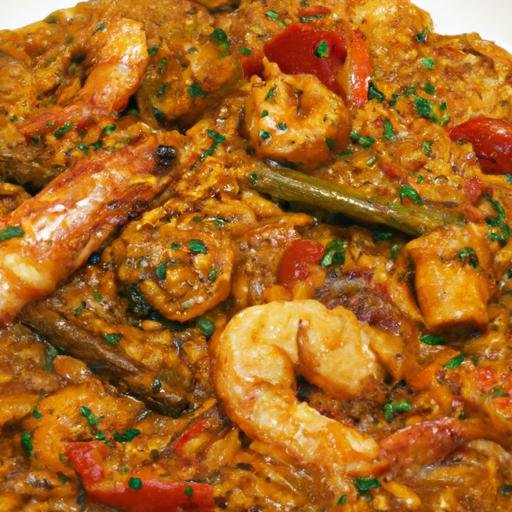
Jambalaya Journey in Cajun cuisine is more than just a meal-it’s a vibrant story simmering in every pot. Rooted deeply in Louisiana’s rich cultural tapestry, jambalaya embodies the spirit of Cajun tradition, blending French, Spanish, African, and Native American culinary influences. Originally crafted as a hearty,communal dish to feed large gatherings,jambalaya evolved as a practical and flavorful one-pot wonder for settling families after long days of work and celebration. Its legacy reflects resilience and ingenuity, marrying simple ingredients with bold spices to create a warming, satisfying experience that has captivated food lovers worldwide.
Unlocking the Essential Ingredients and Spices that Define Jambalaya
The heart of any authentic jambalaya lies in its balanced yet vibrant components. Fresh ingredients like long-grain white rice, plump shrimp, tender chicken thighs, and fragrant andouille-free smoked sausage alternatives come together with the legendary “holy trinity” of Cajun cooking: onion, bell pepper, and celery. The real magic is in the spice blend-cayenne pepper, smoked paprika, oregano, thyme, and bay leaves-each adding layers of heat and earthiness that make jambalaya unmistakably Cajun. Ground black pepper and garlic powder round out the complexity, while a splash of chicken broth infuses the rice with deep, savory flavor, ensuring every bite bursts with character.
Prep and Cook Time
- Preparation Time: 20 minutes
- Cook Time: 45 minutes
- Total Time: 1 hour 5 minutes
Yield
Serves 6 hearty portions
Difficulty Level
Medium – Perfect for home cooks ready to explore Cajun cuisine with confidence
Ingredients
- 2 tbsp vegetable oil
- 1 lb boneless, skinless chicken thighs, cut into 1-inch pieces
- 1 lb large shrimp, peeled and deveined
- 12 oz chicken sausage (substitute andouille with smoked chicken or turkey sausage), sliced
- 1 cup long-grain white rice, rinsed and drained
- 1 large onion, finely chopped
- 1 green bell pepper, diced
- 2 stalks celery, diced
- 4 cloves garlic, minced
- 3 cups low-sodium chicken broth
- 1 (14.5 oz) can diced tomatoes, undrained
- 2 tsp smoked paprika
- 1 tsp dried oregano
- 1 tsp dried thyme
- 1/2 tsp cayenne pepper (adjust to taste)
- 2 bay leaves
- Salt and black pepper, to taste
- Chopped fresh parsley for garnish
- Lemon wedges for serving (optional)
Step-by-Step Guide to crafting Authentic Cajun Jambalaya at Home
- Heat the vegetable oil in a large, heavy-bottomed Dutch oven or deep skillet over medium-high heat.
- add the chicken sausage slices and cook until browned on both sides, about 5 minutes. Remove and set aside to prevent overcooking.
- In the same pot, add chicken pieces seasoned lightly with salt and pepper. Brown on all sides until golden, about 6-7 minutes. Remove and set aside with the sausage.
- Lower the heat to medium. Add the chopped onion, bell pepper, and celery. Sauté until softened and fragrant, about 7 minutes. Stir intermittently to prevent sticking and burning.
- Stir in the garlic and cook for another 1 minute until aromatic.
- Add the rinsed rice and stir for 2 minutes, allowing it to toast slightly for a nuttier flavor.
- Return the sausage and chicken to the pot. Pour in the chicken broth and canned tomatoes with their juice, stirring to combine thoroughly.
- Sprinkle in smoked paprika, oregano, thyme, cayenne pepper, and bay leaves. Season with salt and black pepper according to taste. Stir well.
- Bring the mixture to a boil. Reduce heat to low, cover, and simmer gently for 25 minutes, or until the rice is tender and has absorbed most of the liquid.
- when the rice is nearly done, nestle the shrimp on top. Cover and cook for an additional 5-7 minutes until the shrimp turn pink and opaque.
- Discard the bay leaves. Fluff the jambalaya gently with a fork, ensuring everything is well incorporated.
- Garnish with chopped fresh parsley and serve immediately with lemon wedges on the side to brighten the dish.
Chef’s Notes and Tips for Success
- Substitutions: Feel free to swap chicken thighs for skinless breasts, though thighs provide juicier results. For sausage, try smoked turkey or chicken sausage to keep the dish pork-free.
- Controlling heat: Adjust cayenne pepper and smoked paprika to suit your spice tolerance. Balancing heat with acidity (like lemon) adds a lovely complexity.
- Make-ahead option: Prepare the jambalaya up to step 9, cool completely, than refrigerate for up to 2 days. Reheat gently on the stovetop, adding a splash of broth if needed.
- Rice tip: Use long-grain rice for authentic texture. Avoid instant or pre-cooked rice as it tends to get mushy.
- One-pot magic: Using a heavy pan helps prevent burning and allows flavors to deepen beautifully.
Pairing Your Jambalaya with Classic Cajun Sides and Beverages
For a complete Cajun feast, accompany your jambalaya with crisp cornbread or a refreshing cucumber and tomato salad drizzled with a tangy vinaigrette. Steamed green beans or sautéed okra make perfect vegetable accompaniments,adding crisp,fresh contrast to the rich consistency of the dish.
When it comes to beverages, an iced sweet tea or a sparkling lemonade serves as a cool counterpoint to the fiery spices. For something authentically regional, try a classic non-alcoholic Cajun-style mocktail using citrus, mint, and ginger-perfectly refreshing and celebratory.
| Nutritional Info (per serving) | Amount |
|---|---|
| Calories | 420 |
| Protein | 32 g |
| Carbohydrates | 38 g |
| Fat | 12 g |

Ready to dive deeper into cajun staples? Check out our guide on How to Master Cajun Seasoning for the perfect spice balance.
Q&A
Q&A: Jambalaya Journey – Exploring the Flavors of cajun Cuisine
Q1: What exactly is jambalaya, and why is it such a beloved dish in cajun cuisine?
Jambalaya is a hearty, vibrant one-pot rice dish that beautifully captures the bold flavors of Cajun cooking. Frequently enough described as a melting pot of spices, textures, and aromas, it brings together rice, vegetables, and a mix of proteins simmered with a rich blend of herbs and spices.Its beloved status comes from its comforting warmth, its adaptability, and its deep cultural roots in Louisiana’s Creole and Cajun communities.
Q2: How does Cajun jambalaya differ from Creole jambalaya?
Cajun jambalaya is typically “dry,” meaning the rice absorbs all the liquid during cooking, resulting in a thicker, more rustic dish. It often relies on bold, smoky flavors and is cooked in one pot starting with browned meats and vegetables. Creole jambalaya, on the other hand, includes tomatoes, giving it a saucier, tangier character. Both celebrate the heritage of Southern Louisiana but offer distinct taste experiences within that shared culinary tradition.
Q3: What are the foundational ingredients that give jambalaya its signature Cajun flavor?
at the heart of Cajun jambalaya is the “holy trinity” of vegetables: onions, bell peppers, and celery. These provide a robust, aromatic base.From there, garlic, cayenne pepper, paprika, thyme, and bay leaves build layers of spice and earthiness. The proteins often include chicken and an array of seafood like shrimp or crawfish, each adding their own unique savoriness to the dish.
Q4: How critically important is the cooking technique in making authentic jambalaya?
Technique is everything. The process usually begins by browning the meat, which creates a deeply flavored fond – those caramelized bits that stick to the bottom of the pot. Then the holy trinity is sautéed until tender, and spices are added to bloom their oils. The rice is stirred in to absorb all those rich flavors. Timing and heat control ensure the dish finishes perfectly, with each grain tender and infused with the essence of the ingredients.
Q5: can jambalaya be adapted for different dietary preferences without losing its Cajun identity?
Absolutely. While traditional jambalaya highlights proteins like chicken and seafood,it can be thoughtfully adapted. Vegetables such as mushrooms, okra, or smoked turkey sausage can stand in, packing smoke and depth without straying from the dish’s roots. The key is maintaining the smoky-spicy flavor profile and the holy trinity base, which give jambalaya its unmistakable personality.
Q6: What role does seafood play in Cajun jambalaya?
Seafood is a cornerstone of cajun cuisine,and in jambalaya,shrimp and crawfish are stars that bring a briny sweetness and satisfying texture. They offer a coastal contrast to the smoky spices and earthy vegetables, highlighting Louisiana’s rich connection to both land and water. Usually added toward the end to avoid overcooking, seafood provides bursts of flavor that elevate the entire dish.
Q7: What’s the best way to serve jambalaya to really savor its full flavor?
Jambalaya shines when it’s served hot and fresh, straight from the pot. It pairs beautifully with simple sides that let its complex flavors take center stage-think crusty French bread or a crisp green salad dressed with a tangy vinaigrette.Garnishing with fresh parsley or green onions adds a bright note,while a squeeze of fresh lemon juice can awaken the dish’s rich layers.
Q8: How does jambalaya reflect the broader cultural history of Cajun cuisine?
Jambalaya is more than a dish-it’s a story in a bowl. Rooted in the resourcefulness of Cajun people who used whatever ingredients were on hand, jambalaya embodies adaptability, community, and celebration. Its flavors reflect centuries of French, African, Spanish, and Native American influences, making each bite a appetizing connection to Louisiana’s diverse cultural tapestry.
Q9: Are there any special tips for beginners wanting to try cooking jambalaya at home?
Start with a good heavy-bottomed pot to ensure even cooking and avoid burning. Don’t rush browning the meat-that’s where much of the flavor develops. Respect the holy trinity and don’t skimp on spices, but taste as you go to find your perfect balance. be patient with the rice absorption-this is where the magic happens as the flavors meld together into a harmonious Cajun feast.
Q10: What makes jambalaya a perfect dish for gatherings and celebrations?
Jambalaya is warm, filling, and made in one pot, making it ideal for feeding a crowd. Its bold flavors bring energy to any table, and because it can be adjusted for varying tastes or dietary needs, it welcomes everyone. Sharing jambalaya is sharing a slice of cajun hospitality-rich in tradition, full of heart, and always ready to bring people together.
Key Takeaways
As we close our flavorful expedition through the world of jambalaya, we’ve uncovered more than just a dish-we’ve tasted the rich tapestry of Cajun heritage simmering in every spoonful. From the smoky depths of andouille sausage to the vibrant kick of spices, jambalaya tells a story of cultural fusion, resilience, and celebration. Whether you’re a seasoned cook or a curious palate, embracing this iconic Cajun creation invites you to savor not just food, but a vibrant chapter of Louisiana’s soul. So next time you stir your pot, remember: you’re not just making a meal-you’re continuing a flavorful journey that connects history, community, and flavor in one unforgettable bite.