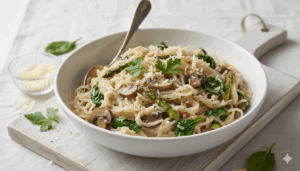



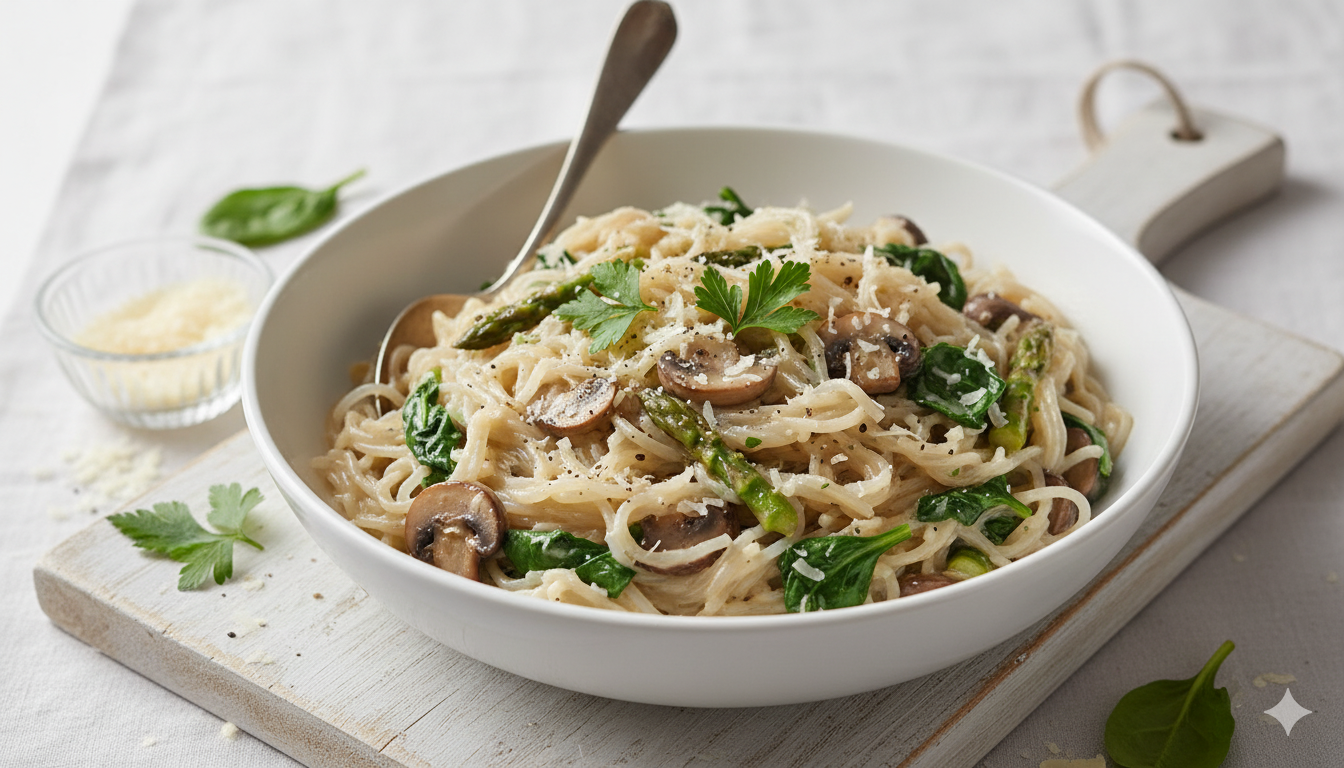
When it comes to comfort food, few dishes evoke as much warmth and satisfaction as a creamy, perfectly cooked risotto. But traditional risottos,rich with tender Arborio rice,often come with a hefty carb count that doesn’t fit every lifestyle. Enter konjac noodles-a naturally low-carb, gelatinous ingredient derived from the konjac plant, celebrated for it’s ability to mimic the texture of pasta and rice while keeping calories and carbs in check. In this article, we dive into the delicious world of konjac noodle risotto, where creamy indulgence meets mindful eating, proving that you don’t have to sacrifice flavor or comfort on a low-carb journey. Get ready to transform a classic favorite into a fresh, healthful delight that satisfies both your taste buds and your wellness goals.
Understanding Konjac Noodles and Their Nutritional Benefits
Konjac noodle risotto is a revolutionary take on a beloved comfort dish, marrying traditional Italian creaminess with the remarkable benefits of konjac noodles. Derived from the root of the konjac plant, these translucent noodles are naturally low in calories and carbohydrates, making them an ideal choice for anyone looking to enjoy rich textures with fewer carbs and more dietary fiber.
Unlike conventional risotto,which relies heavily on starchy Arborio rice,konjac noodles provide a subtle chew and absorb flavors beautifully while keeping blood sugar levels steady. Their high glucomannan fiber content supports digestion and promotes a feeling of fullness,an excellent ally for those managing weight or following keto and low-carb diets.
Crafting the Perfect Low-Carb Risotto Texture with Konjac
Achieving the hallmark creamy, luscious texture of risotto without rice might seem daunting, but konjac noodles offer a surprisingly satisfying alternative. The secret lies in treating the noodles almost like grain in the cooking process-slowly simmering them in aromatics and broth while stirring frequently.
Because konjac noodles have a more neutral flavor and a firmer bite, it’s essential to give them adequate time to meld with the creamy broth base. Adding a splash of plant-based cream or a dairy substitute during the finishing stage enhances lusciousness, evoking the rich mouthfeel synonymous with traditional risotto.
Pressing excess moisture from the noodles before cooking intensifies their ability to absorb savory elements, helping you craft a dish that is both comforting and light.
Flavor Pairings and Ingredient Recommendations for Richness
Balancing the subtleness of konjac noodles requires robust umami and creamy components. Aromatics like garlic and shallots, gently sautéed in quality olive oil or vegan butter, set the flavor foundation. For depth, incorporate nutrient-dense mushrooms, such as shiitake or cremini, which deliver earthiness and body.
Adding freshly chopped herbs like thyme and parsley brightens the dish, while grated Parmesan alternative or nutritional yeast can mimic that signature cheesy finish without overpowering. A gentle drizzle of toasted nuts-such as pine nuts or walnuts-adds crunch and richness.
Step-by-Step Guide to Cooking Konjac Noodle Risotto at Home
Prep and Cook Time
- Planning: 10 minutes
- Cooking: 25 minutes
Yield
- Serves 4 hearty portions
Difficulty Level
- Medium – ideal for cooks familiar with one-pot recipes and flavor layering
Ingredients
- 2 packets (7 oz each) konjac noodles, rinsed and patted dry
- 2 tbsp olive oil
- 1 small shallot, finely diced
- 2 cloves garlic, minced
- 1 cup mixed mushrooms (shiitake, cremini), sliced
- 3 cups vegetable broth, kept warm
- ½ cup unsweetened almond cream or coconut cream
- ½ cup grated vegan Parmesan alternative or nutritional yeast
- 1 tbsp fresh thyme leaves
- Salt and freshly ground pepper, to taste
- Fresh parsley, chopped (for garnish)
- Toasted pine nuts or walnuts (optional, for garnish)
Instructions
- Prepare the noodles: Open konjac noodles, rinse thoroughly under cold water to remove any residual odor, then drain and pat dry with paper towels to reduce excess moisture.
- Sauté aromatics and mushrooms: Heat olive oil in a wide sauté pan over medium heat. add shallots and garlic, cooking gently until translucent and fragrant, about 3 minutes. Add mushrooms and cook until golden brown, approximately 5 minutes, stirring occasionally.
- Incorporate konjac noodles: Add the prepared konjac noodles to the pan, tossing to combine with mushroom mixture. Sauté for 2-3 minutes to allow the noodles to absorb some flavor.
- Simmer with broth: Gradually pour in warm vegetable broth, about ½ cup at a time, stirring frequently. Let each addition reduce slightly before adding more. This process will take about 15 minutes and is key for developing creamy texture.
- Finish with cream and seasoning: Stir in almond or coconut cream and vegan Parmesan alternative. Add fresh thyme leaves, then season with salt and freshly ground pepper to taste. Cook for an additional 3 minutes while gently stirring, until risotto is luxuriously creamy.
- plate and garnish: Serve instantly on warm plates. Garnish with fresh parsley and optional toasted nuts for contrast and added texture.
Chef’s Notes
- For extra depth, add a splash of mushroom broth or miso paste early in the cooking for enhanced umami.
- Adjust cream quantity based on desired richness; coconut cream adds a hint of sweetness that pairs perfectly with earthier mushrooms.
- Pressing konjac noodles firmly before cooking prevents watery risotto and allows better flavor absorption.
- This recipe adapts well with seasonal vegetables; try baby spinach or asparagus tips stirred in at the end for freshness and color.
- Make ahead: Prepare the risotto base without cream. Reheat gently with cream added last to maintain optimal texture.
Serving Suggestions
This konjac noodle risotto shines as a main vegetarian course or a stunning side dish. for a warming meal, pair it with a crisp green salad topped with a lemon vinaigrette. Garnish generously with freshly chopped herbs like basil or chives to add lively color and fragrance.
Drizzle with high-quality extra virgin olive oil or a squeeze of fresh lemon juice just before serving to brighten the overall plate. Complement with crusty low-carb bread or roasted seasonal vegetables to create a complete wholesome experience.

| Nutrient | Per Serving |
|---|---|
| Calories | 180 kcal |
| Protein | 6 g |
| Carbohydrates | 8 g |
| Fat | 12 g |
For more low-carb delights, explore our Low-Carb Vegetarian Recipes collection. Discover trusted nutritional data on konjac noodles through the Healthline Konjac Overview.
Q&A
Q&A: Konjac Noodle Risotto: A Low-Carb Twist on Classic Comfort
Q1: What exactly are konjac noodles, and why are they a good choice for risotto?
A1: Konjac noodles, also known as shirataki noodles, are made from the konjac plant’s root, which is mostly fiber and water. They’re incredibly low in carbs and calories, making them a fantastic base for a risotto that wants to keep the creamy, comforting feel without the usual carb overload. Their neutral taste absorbs flavors beautifully,so they soak up your broth and seasonings just like traditional risotto rice.
Q2: How does konjac noodle risotto differ in texture from classic risotto?
A2: Traditional risotto boasts a creamy, slightly chewy bite thanks to the starch-rich Arborio rice. Konjac noodles don’t have the same starch content, so the texture is lighter and a bit more delicate-think silky strands rather of grainy morsels. The magic lies in how you cook and season them: slow simmering in rich broth and plenty of stirring helps replicate that lush risotto mouthfeel.
Q3: Can konjac noodle risotto be just as flavorful as the classic version?
A3: Absolutely! Since konjac noodles themselves are pretty mild, the secret to bold flavor lies in your stock, aromatics, and add-ins. Using a savory vegetable broth, sautéed garlic, shallots, and plenty of herbs creates a flavorful foundation. Incorporating ingredients like mushrooms,roasted vegetables,or a sprinkle of nutty Parmesan or nutritional yeast cranks up the umami factor to full throttle.
Q4: is konjac noodle risotto suitable for people following specific diets?
A4: Yes! It’s an excellent fit for low-carb, keto, paleo, and gluten-free diets. Its low glycemic impact and high fiber content also make it appealing for those managing blood sugar or seeking digestive benefits. Plus, it’s vegan and plant-based friendly when you swap out dairy for alternatives like cashew cream.
Q5: What tips can help prevent konjac noodles from getting too rubbery or off-putting?
A5: Great question! First, rinse the noodles thoroughly under cold water to wash away their natural, slightly fishy scent. Parboil or dry-toast them briefly before adding to your risotto base. Cooking them gently and not over-boiling keeps their texture tender rather than rubbery. slow simmering with your broth and stirring gently lets them absorb flavor without getting tough.
Q6: What are some exciting add-ins to elevate konjac noodle risotto?
A6: The possibilities are endless! Think sautéed wild mushrooms for earthiness, roasted butternut squash for a touch of sweetness, fresh herbs like thyme or rosemary for aromatics, or a handful of sautéed spinach for vibrant color and nutrients. Toasted nuts or seeds can add unexpected crunch,while a drizzle of truffle oil or a sprinkle of smoked paprika introduces a delicious twist.
Q7: How do you balance the creamy texture without relying on heavy cream or excessive cheese?
A7: to achieve that luscious creaminess on a leaner level, incorporate cooking techniques and ingredients wisely.Slow simmering in a rich broth, stirring frequently, and adding creamy elements like blended cauliflower puree, coconut milk, or cashew cream provides indulgence without heaviness. A touch of vegan butter or olive oil adds silkiness and mouthfeel, rounding out the dish beautifully.
Q8: Can konjac noodle risotto be made ahead and reheated?
A8: It can, but as konjac noodles continue to absorb liquid, they might become softer or lose some texture after refrigeration. To minimize this, store the noodles separately from the broth and vegetables if possible, then combine and gently reheat on the stove with a splash of broth or water to revive that creamy consistency before serving.
This Q&A unpacks the magic of konjac noodle risotto, showing how you can enjoy your favorite comfort dish with a fresh, low-carb twist-full flavor, creamy warmth, and all the cozy vibes without the carb crash.
Future Outlook
In the world of comforting classics, konjac noodle risotto emerges as a delightful low-carb revelation-marrying the creamy indulgence of traditional risotto with the light, health-conscious crunch of konjac noodles. Whether you’re trimming carbs or simply seeking a fresh take on a beloved dish, this innovative twist proves that comfort food can be both nourishing and guilt-free. So next time hunger calls for something warm and satisfying, remember: a bowl of konjac noodle risotto isn’t just a meal-it’s a delicious step toward mindful eating without sacrificing flavor.