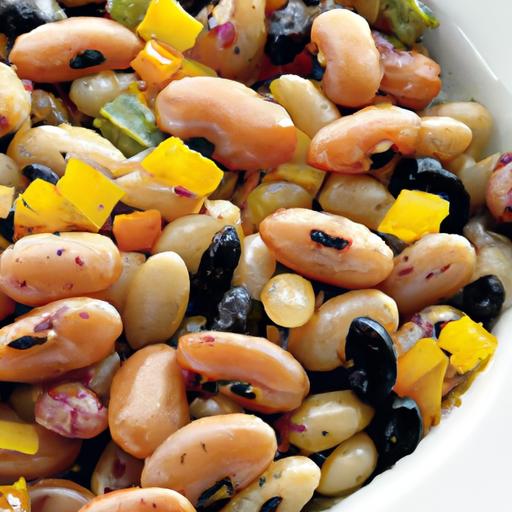





In the vast tapestry of culinary treasures, few ingredients boast the rich history and unique flavor profile of lupini beans. often overlooked beyond Mediterranean and Latin American kitchens, these vibrant legumes are poised for a flavorful renaissance-especially when transformed through the ancient art of brining. Enter the world of brined lupini beans: a tangy twist on a nutty delight that tantalizes the palate with a perfect balance of acidity and earthiness. This article dives into the origins, planning, and irresistible appeal of brined lupini beans, inviting food lovers to rediscover an age-old snack that’s both wholesome and irresistibly addictive.
The Art of Brining Lupini Beans for Enhanced Flavor
Brined lupini beans are a fantastic culinary finding that transform the humble legume into a vibrant,tangy delight packed with both flavor and nutrition.Originating from Mediterranean and Latin American traditions, lupini beans undergo a meticulous brining process that mellows their natural bitterness while enhancing their distinctive nutty profile.This simple yet transformative method unlocks a new depth, turning these beans into a versatile star ingredient that elevates everything from salads and antipasti platters to creative dips and snacks.
The journey to perfectly brined lupini beans is a rewarding one-each step invites you to meditate on patience and precision, making it an engaging kitchen adventure. As someone who’s styled dishes featuring brined lupini beans for food magazines, I can attest to how stunning their glossy, golden appearance and tangy bite create both visual and sensory appeal.Embrace the art of brining to experience lupini beans in their most flavorful and nutritious form.
Prep and Cook Time
- Preparation: 15 minutes (excluding soaking and multiple water changes)
- Brining Time: 7 to 10 days (with daily rinsing)
- Total Time: Approximately 1.5 weeks for best results
Yield
About 3 cups of brined lupini beans – perfect for 4 to 6 servings as snack or salad ingredient
Difficulty Level
Medium – requires planning and careful attention over time but simple to execute
Ingredients
- 2 cups dried lupini beans
- Water, enough to soak and rinse the beans multiple times (approx. 8-10 quarts)
- 1/4 cup kosher salt (for brine)
- 1 tbsp apple cider vinegar (optional, for tang enhancement)
- 2 garlic cloves, smashed
- 1 bay leaf
- Fresh herbs such as rosemary or thyme (2 sprigs each), optional
Instructions
- Begin by soaking the dried lupini beans. Place them in a large bowl and cover with cold water by 3 to 4 inches. Let soak for 24 hours to soften their tough skins.
- drain the soaking water and rinse the beans thoroughly. Transfer them to a pot, cover with fresh water, and bring to a vigorous boil. Boil for 1 hour to help remove alkaloids that cause bitterness.
- Drain, rinse again, and then soak in fresh water. Change the water twice daily for 5 to 7 days, tasting the beans each day to track bitterness reduction. This critical step ensures lupini beans become palatable and tender.
- Prepare the brine. Dissolve 1/4 cup kosher salt into 4 cups of water. Add garlic cloves, bay leaf, apple cider vinegar, and herbs for a subtle aromatic note.
- Drain the lupini beans one last time. Submerge them in the freshly prepared brine inside a clean glass jar or airtight container. Cover and refrigerate for 7-10 days, allowing beans to soak up the tangy flavors deeply.
- After brining, drain the beans and rinse lightly. Store in a covered container with fresh brine or olive oil for use over the next two weeks.
Tips and Tricks for Perfectly Preserved Lupini Beans every Time
- Patience is key: Rinsing and soaking lupini beans multiple times removes bitterness and ensures a creamy texture, so don’t rush the process.
- Use filtered water: Impurities can affect bean flavor during soaking and brining.
- Add aromatics: Garlic, bay leaf, and herbs complement lupini beans, elevating their natural nuttiness with subtle complexity.
- Monitor salt levels: Balance saltiness by adjusting brine strength if you prefer a milder tang.
- Store properly: Keep brined lupini beans refrigerated in airtight containers,ideally submerged in brine or a light olive oil drizzle,to maintain freshness.
- Make-ahead pleasant: Brined lupini beans improve with time; prepare a batch ahead for effortless snacking or meal prep.
Unlocking the Nutritional Power of Tangy Lupini Beans
These brined lupini beans are not only flavorful treats but also nutritional powerhouses. Rich in plant-based protein, dietary fiber, and essential minerals like magnesium and potassium, they support digestion, weight management, and balanced blood sugar levels. The brining process preserves these nutrients while adding a tang that enhances both taste and digestibility. Consider lupini beans a smart addition to your pantry for a nutrient-dense snack or meal enhancer.
Creative Culinary Uses for Brined Lupini Beans
Bring brined lupini beans into your kitchen repertoire as a multi-purpose ingredient ready to inspire! Here are some ideas to get your culinary creativity blooming:
- Salads: Toss with arugula, cherry tomatoes, chopped herbs, and a lemon vinaigrette for a light, refreshing starter.
- meze plates: Serve alongside olives, hummus, and grilled vegetables for an elegant Mediterranean spread.
- Dips and spreads: Puree with tahini, lemon, and garlic for a creamy lupini bean hummus variation.
- Snack bowls: Season with smoked paprika and sea salt for a savory, tangy nibble that pairs beautifully with sparkling beverages.
- Grain bowls or wraps: add for extra protein and texture in quinoa or brown rice bowls or inside whole-grain wraps for a satisfying lunch.
Serving Suggestions
For an eye-catching presentation, drizzle brined lupini beans with high-quality extra virgin olive oil and sprinkle with freshly cracked black pepper. Garnish with finely chopped parsley or mint leaves to add freshness and color. Accompany with wedges of lemon to allow guests to amplify brightness on demand. To highlight their lovely golden hue and glossy sheen, serve lupini beans on rustic wooden boards or matte ceramic dishes that contrast harmoniously with their color.

Nutritional Details per 1/2 cup serving
| Calories | Protein (g) | Carbohydrates (g) | Fat (g) |
|---|---|---|---|
| 150 | 12 | 10 | 1.2 |
for a deeper dive into legume health benefits, check out this comprehensive Harvard Nutrition Source article on beans and legumes. Additionally, explore our recipe for Mediterranean Chickpea Salad for vibrant plant-based inspiration.
Q&A
Q&A: Brined Lupini Beans – A Tangy Twist on a Nutty Delight
Q1: What exactly are lupini beans?
A1: Lupini beans are bright yellow legumes admired in Mediterranean and Latin American cuisines for centuries. They have a uniquely firm texture and a slightly nutty flavor that makes them both a satisfying snack and a versatile ingredient.
Q2: How does brining change the taste and texture of lupini beans?
A2: Brining lupini beans infuses them with a delightful tanginess and enhances their natural nuttiness. the salty, slightly acidic brine softens their firmness just enough to create a perfect balance between tender and chewy, elevating their flavor and making them irresistibly snack-worthy.Q3: Are lupini beans challenging to prepare before brining?
A3: Preparing lupini beans requires some patience. Fresh lupini beans are naturally bitter due to alkaloids, so soaking and multiple rinses over several days are necessary to remove this bitterness. Once properly cleaned, the beans are ready for the brining process, which adds that signature tangy twist.
Q4: What’s the best way to serve brined lupini beans?
A4: Brined lupini beans shine as a standalone snack – cool, salted, and tangy, perfect for nibbling. they also make a creative addition to salads, grain bowls, or tapas-style platters, adding an exciting burst of flavor and texture.
Q5: Can brined lupini beans be stored for a long time?
A5: Absolutely! When kept submerged in their brine and stored in a sealed jar in the fridge, brined lupini beans can stay fresh and flavorful for several weeks, making them a convenient pantry staple with a twist.
Q6: are lupini beans a good source of nutrition?
A6: Yes! Lupini beans are rich in protein, fiber, and essential minerals like magnesium and potassium. They’re a fantastic plant-based option for anyone looking to boost their nutrient intake while enjoying a delicious snack.
Q7: How can I add creative flavor variations to brined lupini beans?
A7: Consider infusing your brine with herbs like rosemary or thyme, a dash of smoked paprika, or a hint of citrus zest. Each addition introduces a new layer of flavor, transforming the beans from simple snacks into gourmet bites.
Q8: Are lupini beans suitable for special diets?
A8: Lupini beans are naturally gluten-free,vegan,and low in carbohydrates,making them a great fit for a range of dietary lifestyles,including plant-based and keto enthusiasts.
Q9: Where can I find lupini beans to try at home?
A9: Look for lupini beans in Mediterranean specialty stores or well-stocked health food markets. Dry or pre-cooked options are available online, making it easier than ever to experiment with this unique legume.
Q10: Any tips for first-timers brining lupini beans?
A10: Patience is key! Soak your beans thoroughly to remove bitterness, change the soaking water frequently, and taste along the way to ensure the perfect balance of flavor. Once brined, chill well before serving for that refreshing tangy crunch. Enjoy the adventure!
Wrapping Up
As the final bite of brined lupini beans lingers on your palate, you’re left with more than just a tangy zest-you carry forward a culinary legacy that bridges ancient tradition and modern taste buds. These humble legumes,with their nutty charm and vibrant bite,invite you to rethink snacks and appetizers,offering a nutritious twist that’s as exciting as it is wholesome. Whether nestled in a Mediterranean mezze or starring in a contemporary salad, brined lupini beans promise a flavorful detour from the ordinary. So next time you crave something both tangy and nourishing,let lupini beans take center stage-a small bean with a big story to tell.