




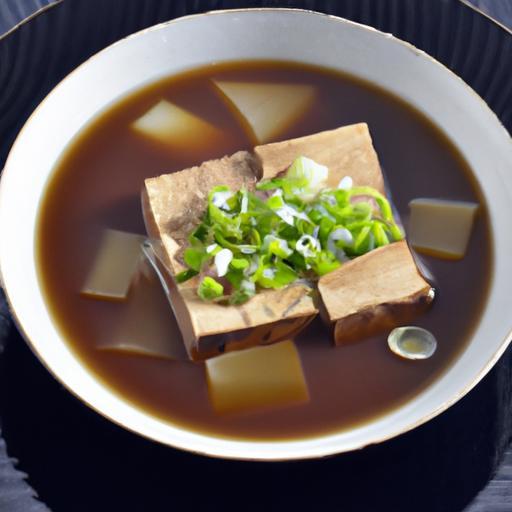
In the heart of Japanese cuisine lies a humble elixir-a soup so simple,yet so profoundly nourishing,it has woven itself into the daily rhythms of life for centuries. Miso soup, with its delicate balance of umami-rich broth, silky tofu, and whisper-thin seaweed, is much more than just a starter; it’s a cultural emblem, a health tonic, and a culinary art form all in one.Journey with us as we peel back the layers of tradition and taste to reveal the enchanting story behind miso soup-its origins, its secrets, and the magic that continues to warm bowls and hearts across Japan and beyond. Welcome to the world of miso magic.
Miso magic begins with understanding the delicate yet complex nature of this treasured Japanese staple.Crafted through a meticulous fermentation process, authentic miso paste carries a rich history rooted in centuries of tradition. Its flavor profile is a symphony of umami, saltiness, sweetness, and earthiness – a combination that transforms simple ingredients into an incomparable taste experience. From the sunlit rice paddies of the Kanto region to the mountainous landscape of Hokkaido, each area lends its own distinct nuance to miso paste, making every jar a regional story waiting to be told.
Prep and Cook Time
- Preparation: 10 minutes
- Cooking: 15 minutes
- Total Time: 25 minutes
Yield
Serves 4 generous bowls
Difficulty Level
Easy – perfect for both beginners and seasoned home cooks eager to harness miso magic.
Ingredients
- 4 cups dashi stock (homemade or quality store-bought, preferably kombu & shiitake based for vegetarian option)
- 3 tablespoons authentic miso paste (white or mixed regional blend)
- 1/2 cup cubed soft tofu
- 2 tablespoons thinly sliced green onions
- 1/4 cup wakame seaweed (rehydrated)
- 1/2 cup thinly sliced shiitake mushrooms (optional)
- 1 teaspoon toasted sesame seeds (for garnish)
Instructions
- Warm the dashi stock. In a medium saucepan over medium heat, gently warm your dashi until it’s near a simmer but not boiling.
- Rehydrate the wakame and prepare tofu. While waiting, soak wakame in cold water for about 5 minutes until fully expanded. Drain and set aside. Cut tofu into neat cubes, handling gently to avoid breakage.
- Add mushrooms (optional). Toss in the sliced shiitake mushrooms and simmer for 5 minutes until tender and aromatic.
- Mix miso paste. Ladle about 1 cup of the warm dashi into a small bowl. Add the miso paste and whisk gently until fully smooth and free of lumps-this prevents clumping in your soup.
- Combine miso mixture with stock. Slowly pour the miso mixture back into the saucepan, stirring continuously on low heat. Do not allow the soup to boil after adding miso as that kills beneficial enzymes and alters flavor.
- Incorporate tofu and wakame. Gently add the cubed tofu and rehydrated wakame,warming for 1-2 minutes until heated through.
- Final touches. Remove from heat, sprinkle sliced green onions on top, and stir lightly to meld flavors.
- Serve immediately. Ladle into rustic bowls and garnish with toasted sesame seeds for an appealing nutty finish.
Chef’s Notes and Tips for Success
- Choosing your miso: White miso (shiro) is mild and sweet, perfect for light soups. red miso (aka) offers a deeper, saltier punch. Try a regional blend to discover your personal favorite miso magic.
- Preserving probiotics: Never boil miso paste. Heat gently to maintain health benefits including probiotics and enzymes.
- Homemade dashi: For the truest umami, create dashi using kombu and dried shiitake mushrooms-both pantry staples that elevate flavor profoundly.
- make it ahead: Keep miso paste refrigerated tightly sealed. Miso soup is best fresh but storing components separately can save you prep time.Reheat gently before serving.
- Substitutions: For vegan options, use kombu/shiitake dashi. You can replace tofu with silken or firm, depending on texture preference.
- Flavor variations: Add sliced daikon radish or grated ginger for warming complexity. Smoked mushrooms may deepen the umami tones for adventurous cooks.
Serving Suggestions
Present this soup in handcrafted ceramic bowls to emphasize warmth and tradition. Complement with a side of steamed jasmine rice or a crunchy cucumber sunomono salad to balance the soup’s gentle saltiness. Garnish with finely sliced scallions, a dusting of shichimi togarashi (Japanese seven-spice), or a drizzle of fragrant sesame oil to awaken the senses with each sip. Pair with lightly pickled vegetables for a full course rooted in Japanese culinary harmony.
| Nutrient | Per Serving |
|---|---|
| Calories | 95 kcal |
| Protein | 7 g |
| Carbohydrates | 8 g |
| Fat | 3 g |

To dive deeper into traditional Japanese broths, check out our Japanese Dashi Broth guide. For scientific insight on fermentation and health benefits, visit this thorough study from NCBI.
Q&A
Q&A: Miso Magic – Unveiling the Secrets of Japan’s Beloved Soup
Q1: What makes miso soup so iconic in Japanese cuisine?
A1: Miso soup is more than just a dish; it’s a cultural cornerstone. Its deep umami flavor, derived from fermented soybeans, brings warmth and comfort to the Japanese table. Frequently enough served daily,it perfectly balances simplicity and sophistication,reflecting Japan’s appreciation for harmony and seasonal ingredients.
Q2: What exactly is miso,and how does it influence the soup’s flavor?
A2: Miso is a fermented paste primarily made from soybeans,salt,and a unique mold called koji. The fermentation process develops layers of savory, slightly sweet, and tangy notes, which become the soul of the soup. Different types of miso-white (shiro), red (aka), and mixed (awase)-offer varying depths of flavor, from mild and creamy to robust and hearty.
Q3: How do Japanese chefs traditionally prepare miso soup?
A3: Traditionally,chefs start with a delicate dashi broth made from kombu (kelp) and katsuobushi (bonito flakes) or shiitake mushrooms for a vegetarian twist. Miso paste is carefully dissolved into the hot broth at the end to preserve its probiotics and subtle flavors. ingredients like tofu, wakame seaweed, and scallions are added for texture and color.
Q4: Can miso soup be enjoyed beyond the traditional recipe?
A4: Absolutely! While rooted in tradition, miso soup is wonderfully adaptable. Chefs experiment by adding seasonal vegetables, mushrooms, or even grains like barley. These variations maintain the essence of miso while celebrating nature’s changing bounty, keeping the soup both nourishing and exciting.
Q5: Why is miso soup considered a healthful meal?
A5: Beyond its comforting flavor, miso soup is a powerhouse of nutrition. The fermentation process creates beneficial probiotics aiding digestion and gut health.It also provides protein, vitamins, minerals, and antioxidants-all wrapped up in a low-calorie, hydrating broth that supports overall wellbeing.
Q6: How does the history of miso soup reflect japanese culture?
A6: Miso has been a staple in Japan for over a thousand years, originally introduced from China and adapted to local tastes. Its enduring presence tells a story of cultural exchange, resourcefulness, and respect for fermentation as a preservation technique. Miso soup embodies the Japanese principle of umami and reverence for balanced, mindful eating.
Q7: What is the best way to enjoy miso soup at home?
A7: The key is simplicity and quality ingredients. Use a gentle dashi base, good-quality miso paste, and fresh toppings like silken tofu and seaweed. Serve it hot and savor each spoonful mindfully,appreciating the subtle umami flavors and the comforting warmth that’s been cherished across generations.
Q8: Are there regional variations of miso soup within Japan?
A8: Yes! Regional variations highlight local produce and distinct miso types. for example, the red miso of the Kansai region offers a stronger flavor, while the milder, sweeter white miso is favored in the Kanto area. Some coastal areas incorporate fresh seafood, while mountain regions emphasize hearty root vegetables, showcasing Japan’s diverse culinary landscape.
to sum up
As the steam from a warm bowl of miso soup rises,so too does an appreciation for the centuries of tradition,culture,and careful craftsmanship that have brewed beneath its humble surface.More than just a comforting starter, miso soup is a living story-one of fermentation, flavor, and the harmonious balance of nature’s bounty. Whether enjoyed in a bustling Tokyo eatery or in the quiet comfort of your own kitchen, this beloved Japanese staple invites you to savor not only its taste but the rich heritage it carries. So next time you lift your spoon, remember: within each sip lies a little bit of magic, patiently waiting to be uncovered.