




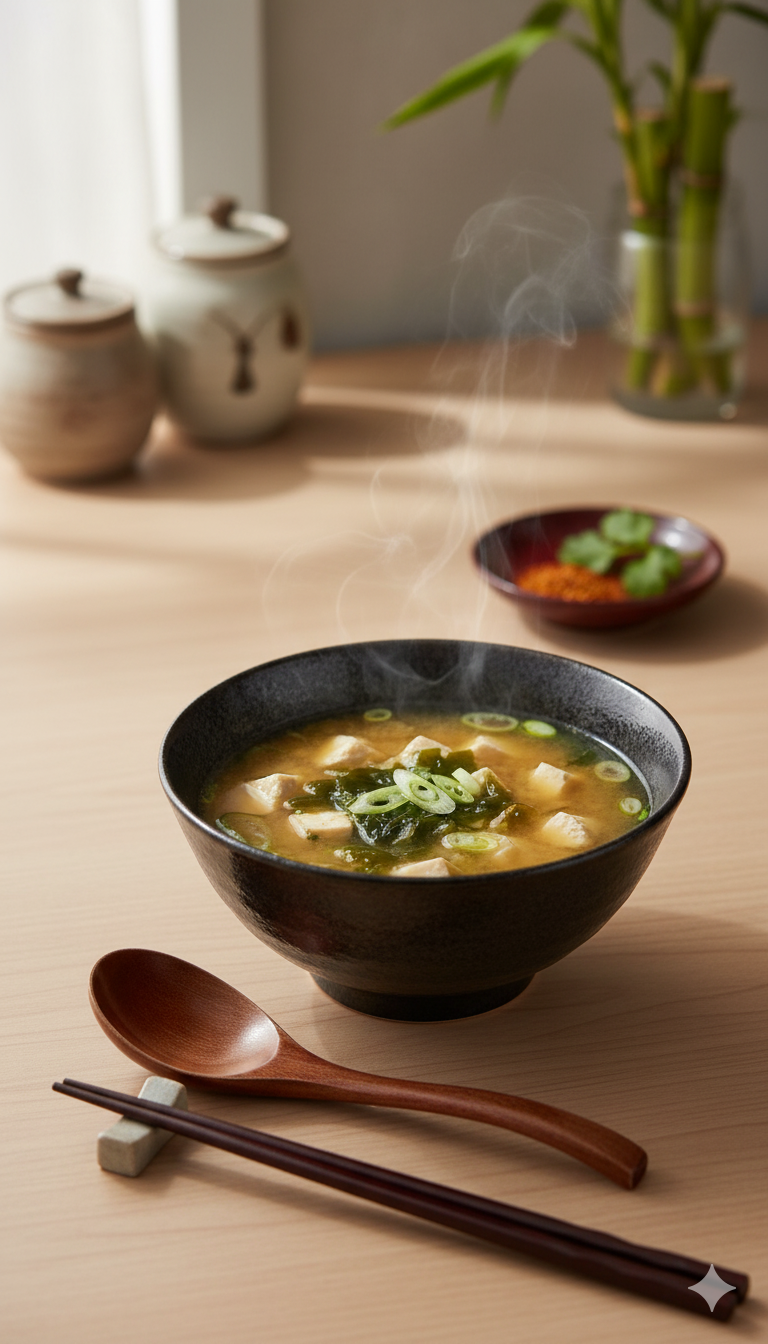
Miso Soup Magic: A Flavorful Journey into Japan’s Classic BrothFrom the fermented soybeans that form its savory backbone to the seasonal ingredients that dance within each steaming bowl, miso soup is a testament to the beauty of simplicity and balance. Join us as we dive into the magic of miso soup, uncovering the secrets of its timeless appeal and the deep-rooted rituals that make every sip a story worth savoring.
Miso Soup Magic emerges as one of Japan’s most iconic and comforting dishes, weaving centuries of culinary tradition into a simple yet deeply flavorful broth.This heartwarming soup begins with the humble dashi stock-a foundation that unlocks a spectrum of umami notes, intricately balanced by the fermented richness of miso paste. As I first tasted this savory elixir during a trip to Kyoto, I was captivated not only by its delicate flavors but also by its cultural meaning as a daily ritual that nourishes both body and soul. Today, you’ll discover how easy it is indeed to bring that authentic experience into your own kitchen, embracing the age-old secrets behind perfect miso soup.
prep and Cook Time
- Preparation: 10 minutes
- Cooking: 15 minutes
- Total Time: 25 minutes
Yield
Serves 4 generous bowls
Difficulty Level
Easy – Perfect for beginners and seasoned cooks alike
essential Ingredients for an Authentic Miso Experience
- 4 cups water (preferably filtered for a clean dashi)
- 1 piece (4×4 inches) kombu (dried kelp)
- 1 cup dried bonito flakes (katsuobushi)
- 3 tablespoons white or yellow miso paste (adjust to taste)
- 1/2 cup silken or firm tofu, cut into 1/2-inch cubes
- 2 green onions, thinly sliced on a bias
- 1/4 cup wakame seaweed (dried), soaked and drained
Instructions
- Prepare the dashi stock: Start by gently wiping the kombu with a damp cloth to remove excess salt and dirt. Place it in a medium saucepan with 4 cups of cold water. Slowly bring to a simmer over medium heat, removing the kombu just before the water boils to avoid bitterness. This slow extraction is key to a clear, umami-rich base.
- Add bonito flakes: Once the kombu is removed, add the bonito flakes to the hot water. Let them steep off the heat for 5 minutes to release their smoky aroma before straining the liquid through a fine sieve or cheesecloth. Your dashi is now ready to elevate the miso soup magic.
- Heat and incorporate miso paste: Return the strained dashi to a gentle simmer on low heat. In a small bowl,ladle about 1 cup of the hot broth and whisk in the miso paste until fully dissolved to avoid clumps. Stir this mixture back into the pot, keeping the heat low-never boil once miso is added, as high temperatures can dull its nuanced flavors.
- Add tofu and wakame: Gently fold in the cubed tofu and rehydrated wakame seaweed. Let them warm through for 2-3 minutes, allowing the ingredients to harmonize without overcooking the delicate tofu.
- finish with green onions: remove from heat and sprinkle the sliced green onions on top, adding a fresh bite and vibrant color to your bowl.
tips for Success: Crafting Your Own Miso Soup Magic
- Choosing miso: White (shiromiso) offers a milder, sweeter flavor, while yellow miso adds a bit more depth; experiment to find your perfect balance.
- Dashi alternatives: For a vegetarian version, substitute kombu and dried shiitake mushrooms for bonito flakes, creating a rich vegan dashi.
- Texture matters: Silken tofu melts easily but gives a creamy texture, whereas firm tofu keeps its shape for a heartier bite.
- Don’t rush the dissolution: Always dissolve miso in a ladle of warm broth before adding, ensuring a smooth, velvety soup.
- Make ahead: Prepare dashi stock in advance and refrigerate, allowing you to whip up a fresh bowl within minutes.
Serving Suggestions: Presenting the Essence of Tradition
Serve your miso soup magic in individual lacquered bowls to honor its Japanese roots. Garnish with a delicate scattering of toasted sesame seeds or a small sprig of mitsuba (Japanese parsley) for added aromatic flare. Pair with steamed rice and a side of pickled vegetables to create a harmonious, authentic meal. A classic approach is to enjoy the soup first, relishing its warmth, before moving into your main courses, allowing the umami to prepare your palate.

| nutrient | Per Serving |
|---|---|
| Calories | 65 kcal |
| Protein | 5 g |
| Carbohydrates | 4 g |
| Fat | 2 g |
Explore even more Japanese culinary treasures with our guide on 5 Iconic Ramen Bowls You Can Make at Home. For trusted culinary science on miso fermentation,visit the detailed resource at Healthline’s Miso Overview.
Q&A
Q&A: Miso Soup Magic: A Flavorful Journey into Japan’s Classic Broth
Q1: What makes miso soup such an iconic dish in Japanese cuisine?
A1: Miso soup is more than just a comforting broth; it’s a culinary emblem that captures the essence of Japanese culture-simplicity, seasonality, and harmony. Its base of fermented miso paste brings a deep umami richness, while conventional ingredients like kombu (kelp) and bonito flakes create a delicate dashi stock that’s both nourishing and soul-warming. It’s a daily ritual in many Japanese households, symbolizing health, balance, and the timeless joy of a well-crafted meal.
Q2: Can you explain the role of miso paste and how it influences the soup’s flavor?
A2: Miso paste is the heart of the soup-a robust, fermented soybean blend that adds a savory, slightly salty, and subtly sweet character to the broth. Variations like white (shiro), red (aka), or mixed (awase) miso each bring their own nuances: white miso is milder and sweeter, red miso deeper and earthier. This fermented magic forms the soul of the soup, transforming simple ingredients into a complex, umami-rich experience.
Q3: What are the traditional ingredients used in making miso soup?
A3: At its core, miso soup relies on dashi broth made from kombu (kelp) and katsuobushi (dried bonito flakes). Into this delicate stock, miso paste is whisked, then ingredients like silken tofu, wakame seaweed, and thinly sliced green onions are often added. Seasonal vegetables or mushrooms can also make an appearance,making each bowl a reflection of the time and place it’s prepared.Q4: How does dashi contribute to the overall flavor profile of miso soup?
A4: Dashi is the subtle backbone of miso soup-a simmered broth that sets the stage for the miso’s boldness without overpowering it. Made traditionally from kombu and bonito flakes, dashi provides a gentle umami synergy that elevates the other ingredients. Its lightness lets the delicate tofu and seaweed shine,resulting in a harmonious balance that defines the soup’s comforting,layered flavor.Q5: Are there regional variations of miso soup across Japan?
A5: Absolutely! Japan’s diverse regions each bring their own twist to miso soup-from the sweeter white miso soups of Kyoto to the heartier red miso varieties found in nagoya. Some areas incorporate local mushrooms,root vegetables,or unique seaweeds,reflecting the seasons and local bounty. This regionality means that each bowl offers a delightful glimpse into the culinary identity of its origin.
Q6: is miso soup considered healthy, and why?
A6: Yes, miso soup is celebrated not just for its flavor but for its nutritional benefits. Packed with probiotics from fermented miso, it supports gut health and digestion. The broth is low in calories yet rich in antioxidants, vitamins, and minerals derived from seaweed and soy.Its warming nature helps hydrate and comfort, making it a staple in balanced diets and wellness rituals.
Q7: can miso soup be customized for different dietary preferences?
A7: Certainly! Miso soup is wonderfully adaptable. While the classic dashi involves fish flakes, vegetarian versions use kombu and shiitake mushrooms for a rich, plant-based umami.ingredients can be swapped or added based on seasonality and preference-spring vegetables, hearty root veggies in winter, or even grains for a modern twist. This flexibility allows everyone to enjoy the magic of miso in a way that suits their lifestyle.
Q8: What tips would you give to someone making miso soup at home for the first time?
A8: Start with a gentle dashi-don’t boil kombu; steep it slowly to extract its essence. When mixing in miso paste, avoid boiling the soup afterward to preserve its complex flavors and probiotics. Use fresh, quality miso for the best taste, and keep ingredients simple: silken tofu, wakame, and scallions are perfect beginners’ companions. savor the process-it’s as much about mindful cooking as it is about the flavorful result.
Q9: How does miso soup reflect broader Japanese culinary philosophies?
A9: Miso soup embodies wabi-sabi-the beauty found in simplicity and imperfection-and the Japanese reverence for nature’s seasons. It highlights balance, subtlety, and the thoughtful pairing of flavors to nourish both body and spirit. In every warm bowl lies a story of tradition, respect for ingredients, and a timeless culinary art that connects generations.
To Conclude
As the gentle steam rises from a bowl of miso soup, it carries with it centuries of tradition, flavor, and artistry-an edible story that transcends time and borders. This humble broth, rich with umami and layered with subtle complexity, invites us to savor not just a dish, but a cultural experience steeped in mindfulness and balance. Whether enjoyed as a daily ritual or a culinary adventure, miso soup remains a testament to Japan’s mastery of turning simple ingredients into a soulful symphony of taste. So next time you lift your spoon,remember: you’re not just tasting a soup-you’re partaking in a flavorful journey through the heart of Japan’s classic broth.