


In the heart of Moroccan kitchens, where spices dance and stories unfold with every meal, harira stands as more than just a soup-it is a party of heritage ladled into every bowl. This vibrant lentil soup, known simply as Moroccan Harira, weaves together fragrant tomatoes, tender lentils, fresh herbs, and a mosaic of spices to create a dish that is as nourishing as it is indeed deeply symbolic. Traditionally enjoyed to break the fast during Ramadan, Harira embodies warmth, community, and the rich culinary tapestry of Morocco’s past and present. Join us as we explore the origins, ingredients, and cultural significance of this beloved soup, revealing why every spoonful carries a timeless tradition.
Moroccan Lentil Soup (Harira) is not just a beloved dish-it’s a simmering cauldron of history, culture, and comfort in every spoonful.This traditional Moroccan lentil soup connects generations and communities, especially during Ramadan when families break their fast with its nourishing warmth. Rooted in centuries-old recipes, Harira embodies a balance of fragrant spices, hearty legumes, fresh herbs, and tender meat or vegetarian options. Its origins trace back to the bustling souks and kitchens of Marrakech and Fez, where the merging of Arab, Berber, and Andalusian culinary traditions crafted this iconic stew.
Origins and Cultural Significance of Moroccan Lentil Soup (harira)
Harira stands as a cultural emblem in Morocco, representing hospitality, community, and celebration. Traditionally served at sunset during Ramadan, it restores strength and spirit after fasting. It is indeed also a staple at weddings and festive gatherings, valued for its rich nutrition and soul-warming qualities. The recipe itself varies regionally, but its essence-a harmonious marriage of lentils, chickpeas, tomatoes, and aromatic herbs-remains unchanged. Harira’s legacy is reflected in every Moroccan household, a dish that serves as both sustenance and storytelling, holding memories of family kitchens and age-old culinary wisdom.
Its layers of flavor come from centuries-old spice blends and fresh ingredients, symbolizing Morocco’s diverse cultural tapestry and the country’s fertile land’s bounty. Whether enjoyed by a nomad in the desert or a family in a city riad, this Moroccan Lentil Soup (Harira) feels like a warm embrace, inviting you to savor history and tradition with every bite.
Key Ingredients That Bring Harira to Life
- Red lentils: Soften quickly and lend a creamy texture,essential for the soup’s body.
- dried chickpeas: Add depth and hearty substance.
- Fresh tomatoes and tomato paste: Create a vibrant, tangy base.
- Celery and onions: Provide aromatic sweetness and a subtle crunch.
- Fresh parsley and cilantro: Impart bright herbal notes that balance richness.
- Ginger,turmeric,cinnamon,and saffron: The soul of the spice profile,contributing warmth and complexity.
- Lamb or beef (optional): Tender chunks bring a savory dimension, but the soup is equally stunning vegetarian.
- Flour and lemon juice: Used to create a smooth consistency and add brightness just before serving.
prep and Cook Time
- Readiness: 20 minutes
- Cooking: 1 hour 15 minutes
- Total: 1 hour 35 minutes
Yield
Serves 6-8 hearty portions
Difficulty Level
Medium – requires some multitasking but straightforward steps
Step by Step Guide to Preparing Authentic Moroccan Lentil Soup (Harira)
- Soak the chickpeas overnight or at least 8 hours. Drain and rinse before cooking.
- Prepare the aromatics: Finely chop onions, celery, parsley, and cilantro. Set aside.
- Brown the meat (if using): In a large heavy-bottomed pot,heat 2 tbsp olive oil over medium heat. Add lamb or beef chunks and sauté until golden brown-about 7 minutes. Remove and set aside.
- Sauté the vegetables: In the same pot, add onions and celery. Cook, stirring occasionally, until translucent and soft, about 5 minutes. Add the garlic and grated fresh ginger and cook until fragrant (around 1 minute).
- Add spices: Stir in 1 tsp turmeric, 1 tsp ground cinnamon, 1 tsp ground ginger, ½ tsp black pepper, and a pinch of saffron threads dissolved in warm water. Toast the spices gently for 1-2 minutes to release their aromas.
- Incorporate tomatoes: Add 2 cups fresh chopped tomatoes and 2 tbsp tomato paste. Cook, stirring, until the tomatoes break down and the mixture thickens slightly, approximately 10 minutes.
- Add legumes and broth: Stir in the drained chickpeas, 1 cup red lentils, and about 6 cups vegetable or beef broth. Return meat to the pot. Bring to a boil, then reduce heat to low and simmer covered, stirring occasionally.
- Simmer the soup: Let cook for 1 hour or until lentils and chickpeas are tender and the flavors meld. Keep an eye to prevent sticking; add water if it thickens too much.
- Thicken the soup: In a small bowl, whisk 3 tbsp all-purpose flour with ½ cup cold water until smooth. Gradually stir the flour mixture into the simmering soup, cooking for 5-7 more minutes until the soup thickens to a silky consistency.
- Finish with fresh herbs and lemon: Stir in a generous handful of chopped parsley and cilantro and the juice of 1 lemon to brighten flavors.Adjust salt and pepper to taste.
Tips for Serving and Pairing Moroccan Lentil Soup (Harira) with Traditional Moroccan dishes
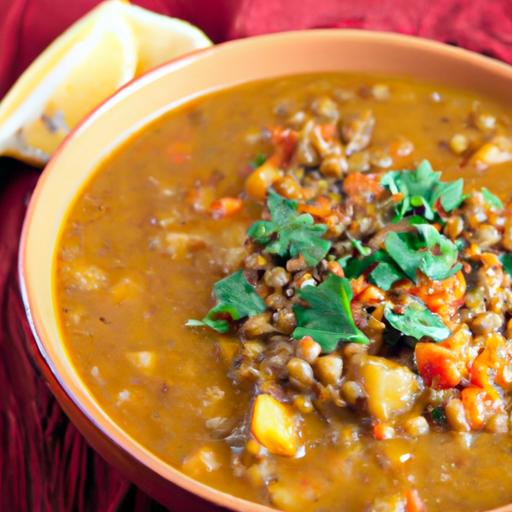
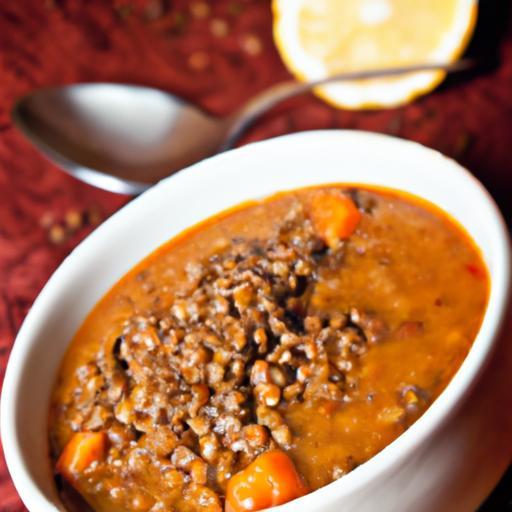
Serve Harira piping hot, ladled into gorgeous ceramic bowls that showcase its deep, russet hues. Garnish with a sprinkle of fresh herbs,a wedge of lemon on the side,and a drizzle of good-quality olive oil for an inviting sheen. Pair it with khobz, a crusty Moroccan bread, perfect for scooping up every drop of this hearty soup.
For a complete feast, offer side dishes such as:
- Briouats: Crisp Moroccan savory pastries filled with spiced meat or vegetables.
- Moroccan salads: A colorful array of roasted peppers, tomatoes, and olives drizzled with lemon and cumin.
- Sweet dates and nuts: to echo the Ramadan tradition, serve alongside fresh dates or spiced almonds to round out the meal.
Harira’s balance of earthy lentils, bright herbs, and fragrant spices makes it a versatile star, whether as a cozy starter or a nourishing main. It harmonizes beautifully with mint tea, making the dining experience authentically Moroccan.
Chef’s Notes & Tips for Success
- Vegetarian Variation: Omit the meat and increase the chickpeas or add diced potatoes for extra heartiness.
- Advance Prep: Harira tastes even better the next day; make a large batch and refrigerate for up to 3 days or freeze.
- Spice Balance: Adjust the cinnamon and ginger depending on your taste preference for warmth and sweetness.
- Consistency: Adjust thickness by varying the amount of flour mixture; a thinner soup is traditional for Ramadan breaking.
- Chickpea Tip: Use canned chickpeas for a quicker version, adding them halfway through with the lentils.
| Nutrient | Per Serving |
|---|---|
| Calories | 320 kcal |
| Protein | 18 g |
| Carbohydrates | 35 g |
| Fat | 8 g |

Learn more about Moroccan culinary traditions
Q&A
Q&A: Moroccan Lentil Soup (Harira): A Rich Tradition in Every Spoon
Q1: What exactly is Harira, and why is it so special in Moroccan cuisine?
Harira is a hearty Moroccan soup that combines lentils, chickpeas, tomatoes, fresh herbs, and warming spices into a rich, velvety broth.It’s more than just a soup; it’s a beloved tradition that embodies the warmth of Moroccan hospitality and the spirit of communal meals. Often enjoyed to break the fast during Ramadan, Harira is a symbol of nourishment, celebration, and cultural heritage.
Q2: What are the key ingredients that give Harira its signature flavor?
The soul of Harira lies in its aromatic blend of spices like cumin, ginger, turmeric, and sometimes cinnamon, paired with fresh cilantro and parsley. Lentils and chickpeas add earthy depth and texture, while tomatoes provide a subtle tanginess. The addition of tender pieces of lamb or beef can enrich the soup, but the vegetarian versions are just as beloved. The harmonious layering of fresh and dried ingredients creates a melody of flavors in every spoonful.Q3: How does Harira reflect Moroccan culinary traditions?
Harira showcases Morocco’s rich tradition of slow-cooked, spiced stews that bring peopel together around the table. It reflects a deep respect for seasonal, local ingredients and time-honored recipes passed down through generations. The soup’s hearty nature makes it perfect for nourishing both body and soul, especially during cold evenings and festive occasions. Sharing Harira is an act of connection, embodying Moroccan values of generosity and community.
Q4: Can Harira be adapted for different dietary preferences?
Absolutely! While the classic Harira may sometimes include meat, vegetarian and even vegan versions are common and equally tasty. Substituting vegetable broth for meat stock and focusing on legumes and vegetables maintain the soup’s richness and heartiness. additionally,those who enjoy gluten-free meals can omit traditional additions like flour or opt for alternative thickeners,ensuring everyone can enjoy a bowl of this comforting soup.
Q5: What is the traditional way to serve Harira?
harira is traditionally served piping hot, often accompanied by dates and chebakia (a sweet sesame cookie), especially during Ramadan to balance the savory with a touch of sweetness. Fresh lemon wedges are commonly provided on the side to add a bright citrus finish to each bowl. Warm, crusty bread or msemen (Moroccan flatbread) is perfect for dipping, making the meal an immersive and satisfying experience.
Q6: How long does it take to prepare Harira,and is it suitable for busy cooks?
Preparing Harira is a labor of love-it typically takes a couple of hours to develop its rich flavors properly,especially when simmering legumes until tender and blending spices just right. However, the process is quite forgiving, and making it in a larger batch means you have comforting, nourishing soup ready for days. Modern adaptations using pressure cookers have made it more accessible for busy cooks eager to enjoy traditional Moroccan flavors without long hours in the kitchen.
Q7: Why is harira considered a soup that feeds both body and soul?
Beyond its robust nutrition, Harira carries emotional and cultural weight-it’s a reminder of familial bonds, shared moments, and spiritual reflection. It fuels the fasting body after long hours while simultaneously offering a warm, comforting presence that soothes and rejuvenates. Each spoonful connects eaters to Morocco’s history, generosity, and love for flavors that tell a story.
Enjoying Harira is stepping into a world where flavor and tradition blend seamlessly, nourishing not just hunger but heritage-a true treasure in every spoon.
Key Takeaways
as the final spoonful of moroccan Lentil Soup-Harira-warms your palate, you’re not just tasting a meal; you’re savoring centuries of tradition, culture, and heartfelt hospitality. each aromatic bite tells a story of bustling markets, family gatherings during Ramadan, and the harmonious blend of spices that define Morocco’s culinary soul. Whether enjoyed on a chilly evening or as a nourishing start to a festive feast, Harira remains a timeless emblem of comfort and connection. So next time you cradle a bowl of this hearty soup, remember: you’re partaking in a rich heritage, one spoonful at a time.