In a world where fuel meets flavour, the quest for wholesome, high-protein meals often leads us down unexpected culinary paths.Enter natural peanut butter-a creamy, nutrient-packed powerhouse that’s more than just a nostalgic sandwich spread. Bursting with protein, healthy fats, and essential vitamins, this humble pantry staple holds the secret to powering up your meals with a delicious, satisfying punch. Whether you’re an athlete chasing peak performance, a busy professional seeking sustained energy, or simply a food lover eager to explore bold, nutritious flavors, natural peanut butter invites you to rethink your plate. Join us as we dive into the art of crafting high-protein dishes that celebrate this creamy superfood, turning everyday ingredients into vibrant, mouthwatering meals that fuel your body and delight your taste buds.
Fuel Your Body Right with the Nutritional Power of Natural Peanut Butter by weaving this creamy, nutrient-dense ingredient into your meals that not only boost protein but also deliver rich texture and deep, nutty flavor. This versatile pantry staple shines brightest when combined with fresh, wholesome ingredients designed to power your workouts and support muscle growth. Whether you’re mixing it into a post-gym smoothie or layering it in a savory sauce,natural peanut butter elevates high-protein dishes without compromising on health benefits or taste.
Prep and Cook Time
Readiness: 10 minutes | Cooking: 15 minutes
Yield
Serves 4 hearty portions
Difficulty Level
Easy to Medium – Perfect for all skill levels
Ingredients
- 1/2 cup natural peanut butter (smooth or crunchy, no added sugar or oils)
- 2 cups cooked quinoa, cooled
- 1 cup cooked and drained chickpeas
- 1/2 cup Greek yogurt (plain, full-fat for creaminess)
- 1 medium carrot, grated
- 1/4 cup chopped fresh cilantro
- 2 tablespoons low-sodium soy sauce or tamari
- 1 tablespoon fresh lime juice
- 1 teaspoon grated fresh ginger
- 1 garlic clove, minced
- 1 tablespoon sesame seeds (optional, for garnish)
- Salt and black pepper, to taste
- Chopped green onions, for serving
- Extra virgin olive oil or toasted sesame oil, for drizzling
Instructions
- Prepare the peanut butter dressing: In a medium bowl, whisk together the natural peanut butter, Greek yogurt, soy sauce, lime juice, grated ginger, and minced garlic until smooth and creamy. If the mixture is too thick, add a teaspoon of water at a time to loosen it slightly.
- Combine base ingredients: In a large mixing bowl, add the cooled quinoa, chickpeas, grated carrot, and chopped cilantro. Gently stir to blend the veggies and grains uniformly.
- Fold in the peanut butter dressing: Pour the creamy peanut mixture over the quinoa blend and toss gently but thoroughly until everything is coated in the flavorful dressing.
- Season to taste: Add salt and freshly ground black pepper as needed. Adjust the lime juice or soy sauce if you prefer a tangier or saltier profile.
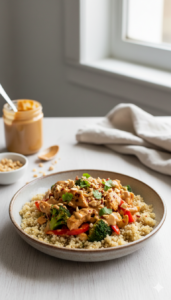
- Serve and garnish: Scoop the high-protein quinoa salad into bowls, sprinkle with sesame seeds and chopped green onions. For an extra touch of richness, drizzle a small amount of toasted sesame oil or olive oil over each serving.
- Optional warm serving tip: If preferred warm, place the quinoa mixture in a skillet and lightly sauté on medium heat for 3-4 minutes, stirring continuously until heated through.
Chef’s Notes
- Substitution tips: Replace quinoa with cooked brown rice or bulgur wheat for different textures and nutritional profiles.
- Boost protein: Add toasted roasted peanuts or a sprinkle of hemp seeds on top for an extra crunch and protein punch.
- Make-ahead magic: This dish tastes even better when chilled overnight, allowing flavors to meld. Store in an airtight container for up to 3 days.
- Allergy swap: If peanut allergies are a concern,natural almond or cashew butter work well with a similar nutritional profile and creaminess.
- Consistency check: If your natural peanut butter separates (oil rising to the top), stir well before measuring to ensure even texture in dressings and sauces.
Serving Suggestions
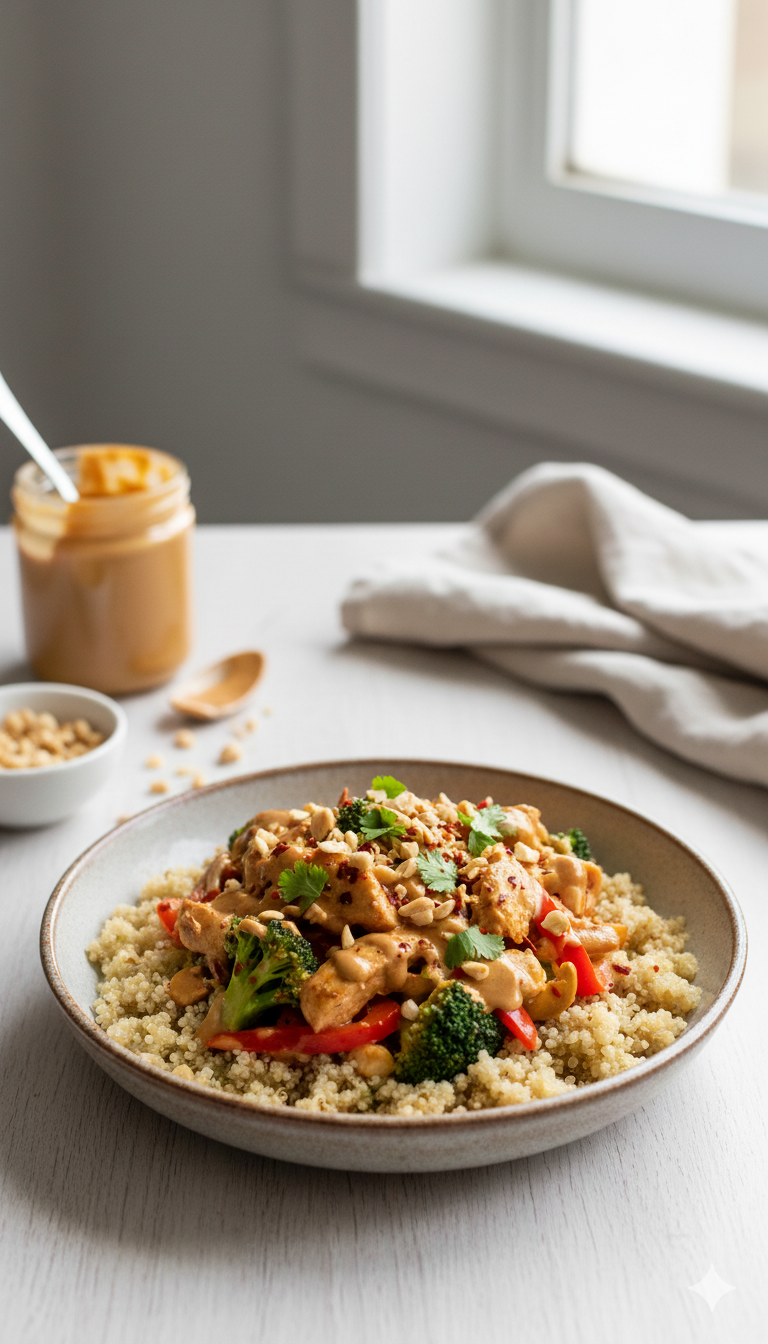
Present this salad in rustic ceramic bowls to highlight the vibrant colors of the shredded carrot,fresh herbs,and sesame seeds. Pair with crisp cucumber slices or a side of steamed greens for a complete muscle-building meal. For a handheld option, spoon the mixture into whole-grain pita pockets or wraps.A sprinkle of chili flakes or a squeeze of additional lime juice at the table adds a delightful kick.
| Nutritional Info | Per Serving |
|---|---|
| Calories | 420 kcal |
| Protein | 18 g |
| Carbohydrates | 45 g |
| Fat | 15 g |

Discover more nourishing recipes in our Healthy Protein Snacks collection to fully embrace the power of natural peanut butter in your fitness meal plan. For scientifically backed benefits of including peanut butter in your diet, visit the Healthline nutritional guide.
Q&A
Q&A: Power Up with High-Protein Meals Featuring Natural Peanut Butter
Q1: why is natural peanut butter a great choice for high-protein meals?
A1: Natural peanut butter is a powerhouse of plant-based protein, healthy fats, and essential nutrients like magnesium and vitamin E. Unlike many processed spreads, it contains minimal added sugars and oils, making it a clean, nutrient-dense option to boost your protein intake naturally. Its creamy texture and rich flavor make it incredibly versatile in both sweet and savory dishes.
Q2: How can I incorporate natural peanut butter into my breakfast for a protein boost?
A2: Start your day with a protein-packed peanut butter smoothie by blending natural peanut butter with Greek yogurt, banana, and a handful of oats.Or spread it on whole-grain toast topped with sliced fruit and chia seeds. Peanut butter pairs wonderfully with eggs too-try a peanut butter drizzle over savory scrambled eggs or in a hearty breakfast wrap.
Q3: Is natural peanut butter suitable for post-workout meals?
A3: Absolutely! Peanut butter delivers both protein and healthy fats that help replenish energy and support muscle recovery. You can mix it into protein shakes or spread it on rice cakes topped with sliced apples or berries. Combining it with a complex carb source gives your body sustained energy and aids muscle repair.Q4: What are some creative savory recipes featuring natural peanut butter?
A4: Natural peanut butter adds depth and creaminess to sauces and dressings. Think spicy peanut sauces for grilled chicken skewers or a zesty peanut dressing over quinoa and roasted veggies. You can make a delicious peanut butter stir-fry sauce with garlic, soy sauce, lime juice, and a touch of honey, turning simple meals into flavor-packed delights.
Q5: Can natural peanut butter help with plant-based or vegetarian protein needs?
A5: Yes! For those who avoid animal proteins, natural peanut butter is a fantastic complement to legumes, grains, and vegetables. It can be used in energy bars, dips, or combined with chickpeas to create rich, protein-packed spreads. Mixing peanut butter into veggie burgers or lentil stews also enhances both protein content and taste.Q6: How can I balance the calorie density of peanut butter in my meals?
A6: While nutrient-rich, peanut butter is calorie-dense, so portion control is key. Use measured tablespoons rather than freehand scoops to keep servings consistent.Pair peanut butter with high-fiber foods like whole grains, fruits, and vegetables to create balanced meals that keep you full longer without overloading calories.
Q7: Are there any tips for choosing the best natural peanut butter for cooking and eating?
A7: look for peanut butter made from just peanuts-no added sugars, hydrogenated oils, or artificial ingredients. Opt for creamy or crunchy based on preference. Natural varieties tend to separate, so stir well before use. Organic and dry-roasted options may offer richer flavors and cleaner ingredients, enhancing your meal without unwanted additives.
Q8: How does natural peanut butter contribute to overall health beyond protein?
A8: beyond its protein punch, natural peanut butter provides monounsaturated fats that support heart health, antioxidants that combat inflammation, and fiber that aids digestion. Its steady energy release helps keep blood sugar levels balanced, fueling both body and brain throughout your day.
Natural peanut butter is more than just a tasty spread-it’s a versatile ingredient that powers up meals with natural protein and wholesome nutrition. Whether in breakfast bowls,savory sauces,or snack-time bites,it elevates flavors while nourishing your body. Ready to get creative and power up?
Insights and Conclusions
whether you’re refueling after a tough workout or simply seeking a delicious way to boost your daily protein intake, natural peanut butter proves to be a versatile hero in the kitchen. Its creamy texture and nutty richness not only elevate flavors but also pack a punch of wholesome nutrients.By incorporating high-protein meals featuring natural peanut butter into your routine, you’re not just powering up your plate-you’re fueling your body with the kind of energy that lasts. So next time hunger strikes, remember: a spoonful of nature’s goodness might just be the secret ingredient to your next protein-packed culinary adventure.